
San Antonio, Texas, a city renowned for its rich history, vibrant culture, and unforgettable attractions, operates within the Central Time Zone. Specifically, during standard time, it observes Central Standard Time (CST), which is UTC-6 (Coordinated Universal Time minus six hours). When Daylight Saving Time is in effect, the city switches to Central Daylight Time (CDT), which is UTC-5. Understanding this simple fact is the first step in planning a seamless trip to this iconic Texas destination, ensuring your travel plans, meetings, and recreational activities align perfectly with local time.
For any traveler, whether embarking on a family trip, a business stay, or a solo adventure, knowing the local time zone is more than just a trivial detail; it’s a fundamental piece of information that impacts everything from flight schedules and hotel check-ins to dining reservations and event timings. As a bustling hub for tourism and travel, San Antonio offers a myriad of experiences, all structured around its adherence to the Central Time Zone.

Understanding San Antonio’s Time Zone
The time zone system across the United States is a patchwork of four primary contiguous zones, with Central Time covering a significant portion of the nation’s heartland. Texas, being one of the largest states, predominantly falls within this zone, with San Antonio firmly situated within its boundaries.
Central Standard Time (CST) and Daylight Saving Time (CDT)
Most of the year, San Antonio operates under Central Standard Time (CST). This period typically spans from early November to mid-March. During CST, the local time is six hours behind Coordinated Universal Time (UTC), often expressed as UTC-6. This means that when it’s 12:00 PM UTC, it’s 6:00 AM in San Antonio.
The shift to Daylight Saving Time occurs on the second Sunday in March when clocks are moved forward by one hour. At this point, San Antonio transitions to Central Daylight Time (CDT), making it five hours behind UTC, or UTC-5. This change aims to extend daylight into the evening hours, a practice that many find beneficial for outdoor activities and evening events during the warmer months. The return to CST happens on the first Sunday in November, when clocks “fall back” by one hour.
Geographical Context and Time Zone Boundaries
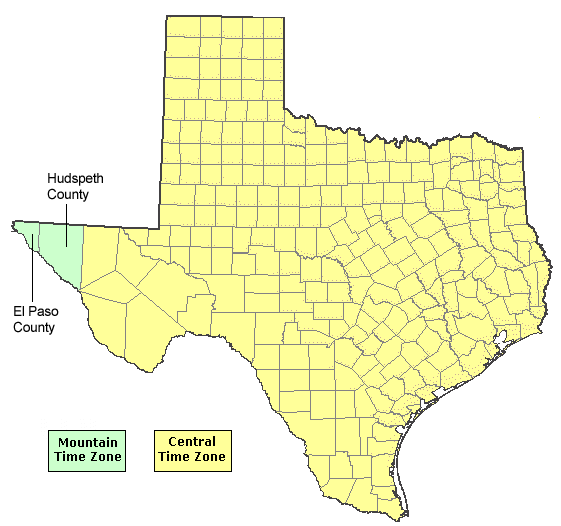
While most of Texas adheres to the Central Time Zone, there’s a small western sliver of the state, primarily around El Paso and Hudspeth County, that observes Mountain Time. However, this distinction is far from San Antonio, which is firmly anchored in the eastern half of the state. Travelers arriving at San Antonio International Airport (SAT) or driving into the city can rest assured that they will be operating on Central Time, just like the majority of Texas. This uniformity simplifies planning within the state, as there are no internal time zone changes to worry about when traveling between major Texas cities like Dallas, Houston, Austin, and San Antonio.
Why Time Zones Matter for San Antonio Visitors
Beyond simply knowing what time it is, understanding San Antonio’s time zone has practical implications for every aspect of a visitor’s journey. From the moment you book your trip to the final farewell, time awareness plays a crucial role in ensuring a smooth and enjoyable experience.
Planning Your Itinerary and Activities
When planning your San Antonio itinerary, all listed opening and closing times for attractions, museums, restaurants, and events will be in local Central Time. If you’re visiting from a different time zone, particularly from the East Coast or West Coast, remember to adjust your internal clock.
For instance, a flight from New York City (Eastern Time) arriving at 2:00 PM CDT will feel like 3:00 PM to someone accustomed to Eastern Time. This hour difference, though seemingly minor, can affect your energy levels and how quickly you can dive into your planned activities. Similarly, if you’re planning to visit the Alamo or take a Riverwalk boat tour, ensure you’ve factored in the time difference when scheduling. For travelers coming from the Pacific Time Zone, the two-hour difference can make early morning tours feel even earlier. Booking ahead for popular dining spots like those along the San Antonio Riverwalk also requires precise timing, as prime dinner hours fill up quickly.
Managing Travel and Accommodation Logistics
Accommodation check-in and check-out times are strictly enforced according to local time. Most hotels in San Antonio, whether luxury resorts or budget-friendly hotels, adhere to a 3:00 PM check-in and 11:00 AM check-out. If your flight lands at 10:00 AM San Antonio time, you might have several hours to wait before your room is ready, prompting you to consider early check-in options or planning activities like exploring nearby landmarks or dining at a local cafe during that interim period.
Coordinating arrival and departure times for rental cars, airport shuttles, or rideshares also requires being mindful of the local clock. Missing a reservation or delaying a pickup due to time zone confusion can lead to unnecessary stress and additional costs. Furthermore, if you’re flying in from a distant time zone, you might experience jet lag. Knowing the time difference in advance allows you to proactively adjust your sleep schedule before departure, helping mitigate the effects and ensuring you arrive refreshed and ready to explore.
Business Travel and Communication
For those visiting San Antonio for business, time zone awareness is paramount. Meeting schedules, conference calls, and deadlines will all be set according to Central Time. If you need to communicate with colleagues or clients in different time zones, meticulous planning is essential to avoid scheduling conflicts. For example, a 9:00 AM meeting in San Antonio would be 10:00 AM on the East Coast and 7:00 AM on the West Coast. Clarity in communication, always specifying the time zone for any appointment, can prevent misunderstandings and ensure productivity. The robust infrastructure for business travel in San Antonio, including convention centers and hotels with extensive meeting facilities, relies on everyone being synchronized.
Experiencing San Antonio: Beyond the Clock
While understanding the time zone is crucial for logistics, it’s the rich tapestry of San Antonio’s offerings that truly defines a visit. The city masterfully blends its historic past with a vibrant present, creating an immersive experience for every type of traveler.
Iconic Landmarks and Attractions
San Antonio is a treasure trove of historical landmarks and exhilarating attractions. Foremost among them is the Alamo, a former mission and fortress that stands as a symbol of Texas independence. Visitors can spend hours exploring its hallowed grounds, learning about the pivotal battle fought here. Just steps away, the famous San Antonio Riverwalk winds through the heart of the city, a picturesque network of waterways lined with charming cafes, boutique shops, and lively entertainment venues. A Riverwalk boat tour is a quintessential San Antonio experience, offering unique perspectives of the city’s architecture and ambiance.
Beyond the immediate downtown area, the San Antonio Missions National Historical Park, a UNESCO World Heritage Site, offers a deeper dive into the region’s Spanish colonial past. Comprising four historic missions—Mission Concepcion, Mission San Jose, Mission San Juan, and Mission Espada—it provides a fascinating glimpse into the lives of early settlers and Native American communities. For panoramic views of the city, the Tower of the Americas offers an observation deck and a revolving restaurant, providing breathtaking vistas day and night.
For family fun, San Antonio boasts world-class theme parks like Six Flags Fiesta Texas and SeaWorld San Antonio, each offering thrilling rides, spectacular shows, and engaging animal encounters. The Pearl District, a beautifully redeveloped brewery complex, is a hub for local culture, featuring upscale dining, artisan markets, and a lively culinary scene that draws both locals and tourists.
Culinary Delights and Local Culture
San Antonio’s food scene is as diverse as its history. It’s particularly famous for its Tex-Mex cuisine, a flavorful fusion of Texas and Mexican culinary traditions. From savory tacos and enchiladas to sizzling fajitas, the city offers an authentic taste experience. Be sure to explore historic Market Square, also known as El Mercado, which is the largest Mexican market in the United States and a fantastic spot for both food and unique souvenirs.
The city’s cultural fabric is also woven with Mariachi music, vibrant festivals, and a strong sense of community. Events like Fiesta San Antonio, a city-wide celebration held each spring, showcase the spirited local culture through parades, music, and food. Even outside of major festivals, you can often catch live music performances along the Riverwalk or in the Pearl District, adding a festive soundtrack to your evenings.
Where to Stay: Hotels and Accommodation Options
San Antonio offers an impressive array of accommodation options to suit every preference and budget. For those seeking luxury travel and unparalleled service, historic hotels along the Riverwalk are an excellent choice. The Mokara Hotel & Spa and Hotel Emma in the Pearl District exemplify sophistication, offering exquisite dining, top-tier amenities, and prime locations that immerse guests in the city’s charm.
For a more expansive resort experience, the JW Marriott San Antonio Hill Country Resort & Spa provides a tranquil escape with golf courses, a water park, and a full-service spa, ideal for family trips or a relaxing retreat. Boutique hotels like Hotel Havana offer unique, stylish stays with personalized service and distinctive character.
Travelers on a budget will find numerous reputable chains scattered throughout the city, offering comfortable stays without compromising on convenience. Many popular hotel brands have properties near major attractions or with easy access to public transportation. Additionally, for those seeking a more local feel or extended stays, vacation rentals and apartments are readily available, offering amenities like kitchens and multiple bedrooms, perfect for families or groups. No matter your choice, booking in advance, especially during peak season, is always advisable to secure your preferred accommodation.
Maximizing Your San Antonio Adventure
To make the most of your visit to San Antonio, thoughtful planning and a few travel tips can go a long way. Beyond simply knowing the time, strategically organizing your days will enhance your experience.
Travel Tips for a Seamless Visit
- Confirm Opening Hours: Always double-check the operating hours of attractions and restaurants, especially if your visit coincides with a holiday or a Daylight Saving Time change. Many places have seasonal hours, and confirming beforehand saves disappointment.
- Book in Advance: Popular tours, highly-rated restaurants, and premium accommodations can book up quickly. Secure your reservations well in advance to avoid last-minute stress, particularly if your visit falls during peak tourism seasons like spring break or major festivals.
- Pace Yourself: San Antonio offers a wealth of things to see and do. Avoid over-scheduling your days. Allow for leisurely strolls along the Riverwalk, impromptu stops at cafes, and time to simply soak in the atmosphere. Remember that the Texas heat can be intense, so scheduling indoor activities or breaks during the hottest parts of the day is wise.
- Stay Hydrated and Sun Protected: Especially during the warmer months, carry water, wear sunscreen, and use hats and sunglasses when exploring outdoors.
- Utilize Local Transportation: While the downtown area is very walkable, consider using VIA Metropolitan Transit buses, taxis, or rideshare services for longer distances, such as trips to the Missions National Historical Park or the theme parks. The Riverwalk also offers water taxis for a unique way to navigate the urban core.

Best Time to Visit
The best time to visit San Antonio generally falls in the spring (March to May) and fall (September to November). During these seasons, the weather is pleasantly mild, making it ideal for exploring outdoor attractions and enjoying the Riverwalk without the intense heat of summer. Spring brings colorful blooms and the lively Fiesta San Antonio, while fall offers comfortable temperatures and various cultural events. Winter, from December to February, is also a great time to visit for cooler weather and holiday festivities, though some attractions might have reduced hours. Summer (June to August) can be very hot and humid, so if you travel during this period, plan your activities for early mornings or late evenings and ensure your accommodation has excellent air conditioning.
In conclusion, San Antonio, Texas, operates on Central Time, observing CST in winter and CDT in summer. This seemingly simple piece of information is the foundation for a well-planned and stress-free visit, impacting everything from your flight arrivals to your dinner reservations. By embracing the rhythm of Central Time and leveraging the city’s incredible array of landmarks, culinary experiences, and diverse accommodation options, you’re set to embark on an unforgettable San Antonio adventure. From the historic echoes of the Alamo to the vibrant energy of the Riverwalk, this Texas gem promises a rich and rewarding travel experience that transcends the tick-tock of the clock.
LifeOutOfTheBox is a participant in the Amazon Services LLC Associates Program, an affiliate advertising program designed to provide a means for sites to earn advertising fees by advertising and linking to Amazon.com. Amazon, the Amazon logo, AmazonSupply, and the AmazonSupply logo are trademarks of Amazon.com, Inc. or its affiliates. As an Amazon Associate we earn affiliate commissions from qualifying purchases.