
Navigating the vast expanse of Texas, the second-largest state in the United States, often brings forth a range of logistical considerations for travelers, residents, and businesses alike. From planning a multi-city road trip exploring vibrant urban centers to coordinating a remote work schedule, understanding the state’s time zones is an essential, albeit often overlooked, aspect of a seamless experience. While many might assume a single time zone for such a large landmass, Texas actually straddles two distinct time zones, creating unique challenges and opportunities for those traversing its diverse landscapes. This detailed guide aims to demystify the time zone situation in the Lone Star State, providing valuable insights for anyone looking to travel, live, or conduct business within its borders, all while integrating the rich tapestry of travel, accommodation, and lifestyle themes central to our exploration.
Understanding Texas’s Dual Time Zones
The geographical immensity of Texas is a primary reason for its dual time zone system. The majority of the state, covering its sprawling plains, bustling metropolises, and picturesque Gulf Coast, operates on one time zone. However, a specific western sliver of the state, distinct in its desert landscapes and mountainous terrain, adheres to another. This division is not merely a matter of academic interest; it has real-world implications for planning everything from flight arrivals to hotel check-ins and even scheduling dinner reservations.
The Dominance of Central Time
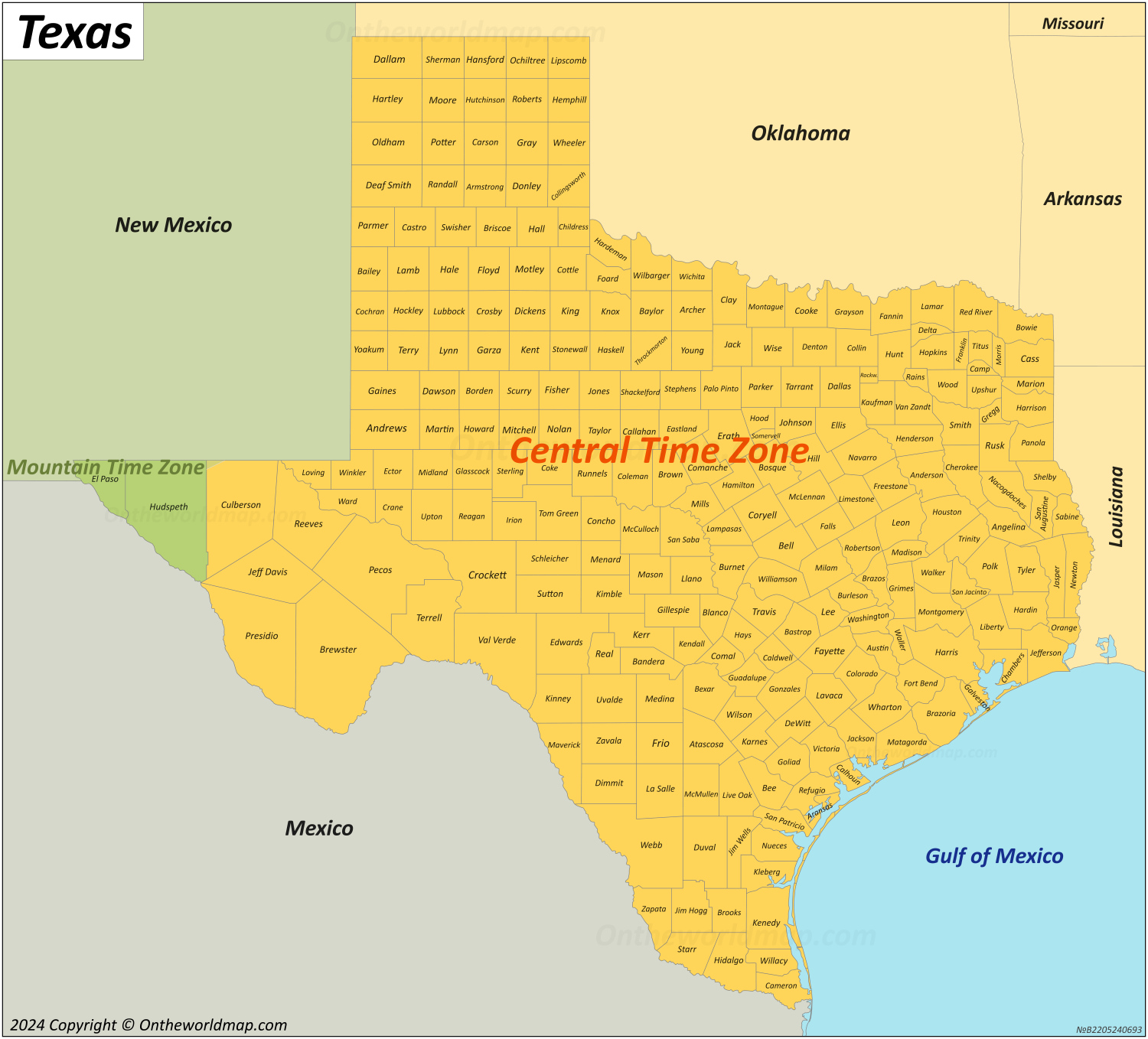
By far, the largest portion of Texas observes Central Standard Time (CST) during the fall and winter months, and Central Daylight Time (CDT) from spring through summer. This encompasses the state’s major population centers and most popular travel destinations. Cities like Austin, the state capital known for its live music scene and burgeoning tech industry; Houston, a global hub for energy and space exploration, home to the NASA Johnson Space Center; Dallas and Fort Worth, forming a dynamic metropolitan area renowned for its arts districts and cowboy culture; and San Antonio, rich in history with landmarks like the Alamo and its charming River Walk, all fall firmly within the Central Time Zone. When planning travel to these iconic locales, be assured that all your bookings and schedules will align with CST/CDT. This simplifies itinerary planning significantly for the vast majority of visitors, allowing them to focus on exploring the vibrant local culture, diverse food scenes, and a plethora of attractions without worrying about sudden time shifts.
Where Mountain Time Takes Hold
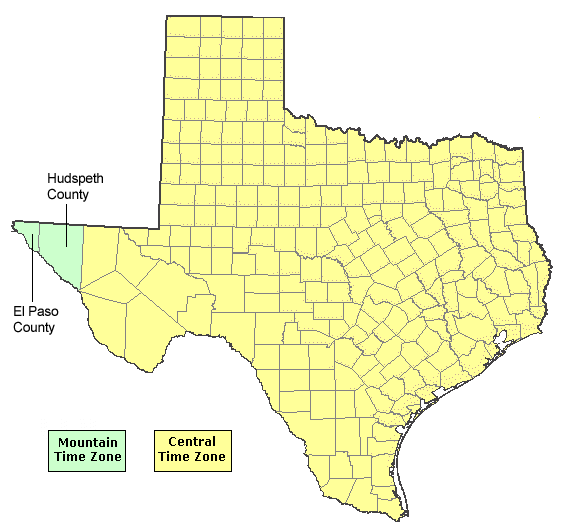
The exception to Texas’s Central Time dominance lies in its extreme western reaches. Specifically, the westernmost parts of Hudspeth County and the entirety of El Paso County operate on Mountain Standard Time (MST) in winter and Mountain Daylight Time (MDT) in summer. This means that the vibrant city of El Paso, a crucial border city with a rich binational culture, is one hour behind the rest of the state during both standard and daylight saving periods. The geographical line roughly follows the western edge of the Culberson County line, with areas west of the town of Sierra Blanca officially switching to Mountain Time. This time zone transition is particularly crucial for travelers driving across the state or making connecting flights that involve El Paso. For example, a flight from Dallas to El Paso might only take 1.5 hours in the air, but the time difference means your arrival clock will show 2.5 hours later than your departure clock, or vice-versa. Understanding this distinction is key to seamless travel and avoiding any missed connections or late check-ins at hotels in this unique corner of Texas.
The Significance of Daylight Saving Time
Like most of the United States, Texas observes Daylight Saving Time, which typically begins on the second Sunday in March and ends on the first Sunday in November. During this period, clocks are moved forward by one hour. This means that Central Standard Time becomes Central Daylight Time, and Mountain Standard Time becomes Mountain Daylight Time. The time difference between the two zones within Texas remains consistent at one hour. For travelers, this primarily affects the local time perception and sunlight hours. Attractions often adjust their operating hours to maximize daylight, particularly for outdoor activities and tours. Hotel check-in and check-out times will always adhere to the local time, so there’s no need to adjust for Daylight Saving Time beyond simply setting your clock forward or back as appropriate. For visitors, enjoying longer evenings outdoors can be a significant benefit, especially when exploring famous places or participating in local culture events during the warmer months.
Navigating Time Zones as a Traveler in Texas
For anyone embarking on a journey through the Lone Star State, an awareness of its time zones is an asset. This is particularly true for those planning extensive road trips, managing multiple bookings, or coordinating with others across different parts of the state. Thoughtful planning can transform potential confusion into a smooth and enjoyable travel experience, enhancing your exploration of Texas’s diverse destinations and attractions.
Planning Your Itinerary Across Time Zones
When mapping out a multi-city Texas itinerary that includes the El Paso area, the one-hour time difference should be a primary consideration. For instance, if you’re driving from San Antonio westward towards El Paso, you will effectively gain an hour upon crossing into the Mountain Time Zone. Conversely, traveling eastbound from El Paso into Central Time means you’ll lose an hour. This can impact travel times, especially if you have tightly scheduled appointments or tour bookings. Always verify the local time of your destination for flights, bus schedules, and train departures/arrivals. Furthermore, for those looking to experience the vast beauty of West Texas by visiting national parks like Guadalupe Mountains National Park or Big Bend National Park (which is in Central Time, but near the Mountain Time boundary), knowing the exact local time can prevent missed guided hikes or stargazing events at observatories like the McDonald Observatory in the Davis Mountains. This meticulous approach to planning ensures your travel experiences remain seamless and stress-free.

Practical Tips for Smooth Transitions
To ensure a smooth transition between time zones, a few practical tips can be invaluable. Firstly, always wear a watch or use a phone that automatically updates to the local time zone. When making calls or scheduling virtual meetings with people in different parts of Texas, clearly specify the time zone (e.g., “3 PM CST” or “2 PM MST”). For road trips, having a GPS system that displays current local time, even when offline, can prevent confusion. It’s also wise to set a personal reminder to adjust your mental clock, especially when crossing the invisible time zone line. Consider the impact on your sleep schedule, particularly if you are sensitive to time changes. While a one-hour shift might seem minor, it can still affect your energy levels for activities like early morning sightseeing or late-night entertainment. Hydration and light meals can help minimize any slight jet lag symptoms when traveling across time zones within the state.
Impact on Accommodation and Bookings
When it comes to hotels, resorts, and other forms of accommodation, the time zone of the property is paramount. All check-in, check-out, dining, and activity schedules will adhere strictly to the local time zone of the property’s location. For example, if you book a stay at a boutique hotel in El Paso, your 3 PM check-in time will be 3 PM MST/MDT. If you’re arriving from Dallas (CDT), you’ll effectively arrive at 2 PM your body clock time, gaining an hour. Conversely, if you leave your El Paso accommodation at 11 AM (MST) and drive east, you’ll find yourself needing to rush for a 1 PM (CDT) appointment just an hour’s drive away. Online booking platforms typically display times in the local time zone of the property, but it’s always prudent to double-check. For travelers seeking long-term stays or those utilizing services like apartment rentals, confirming operating hours for local businesses, laundry services, or even local grocery stores in relation to your itinerary can enhance your experience and avoid any unexpected closures due to time differences.
Exploring Texas: Attractions Across Time
Texas’s geographical and temporal diversity means that its attractions are spread across a vast and varied landscape, offering something for every type of traveler. From historical landmarks to natural wonders, understanding the time zones helps in appreciating the state’s true scale and planning your exploration effectively.
Central Time Zone Highlights
The vast majority of Texas’s celebrated landmarks and vibrant cultural hubs reside within the Central Time Zone. In Austin, you can tour the impressive Texas State Capitol, enjoy the live music on Sixth Street, or explore the city’s numerous parks. San Antonio beckons with the historic Alamo, the serene River Walk, and its UNESCO World Heritage Missions. Houston offers the wonders of space at the NASA Johnson Space Center and world-class museums in its Museum District. Dallas is home to the Sixth Floor Museum at Dealey Plaza and the vibrant Arts District. Beyond the major cities, destinations like South Padre Island offer pristine beaches and coastal charm, while Galveston combines history with seaside relaxation. All these incredible experiences operate on CST/CDT, simplifying scheduling and allowing visitors to fully immerse themselves in the local culture, food, and activities without a second thought about time shifts.
Western Texas’s Mountain Time Gems
The relatively smaller, yet immensely significant, Mountain Time portion of Texas holds its own unique allure. El Paso itself is a city rich in history, sitting on the border with Mexico, and offering a blend of cultures, vibrant mercados, and delicious Tex-Mex cuisine. Outdoor enthusiasts can explore the rugged beauty of Franklin Mountains State Park, the largest urban state park in the United States, providing stunning hiking trails and panoramic views. Nearby, Hueco Tanks State Park & Historic Site offers ancient pictographs and world-class bouldering. Further east, but still relatively close to the time zone line, the vast Chihuahuan Desert is home to the majestic Guadalupe Mountains National Park, where Texas’s highest peak, Guadalupe Peak, awaits hikers. While Big Bend National Park technically falls within the Central Time Zone, its remote West Texas location means travelers to El Paso might consider it an extension of their Mountain Time Zone adventure. This region’s unique geography and cultural heritage make it a compelling destination, where the rhythm of life, and indeed the clock, moves to a slightly different beat. For those seeking unique experiences like visiting Marfa for its art installations or the mysterious Marfa Lights, it’s important to remember that these, along with Big Bend Ranch State Park, Balmorhea State Park and the cities of Midland and Odessa in the Permian Basin, all remain within the Central Time Zone.
Lifestyle and Business Implications
The two time zones in Texas extend their influence beyond mere travel logistics, touching upon the daily lives of residents and the intricate operations of businesses. Understanding these broader implications can provide a more holistic view of how time shapes the lifestyle and economy of the state.
For Residents and Daily Life
For Texas residents, the time zone boundary is a daily reality for those living near the divide or communicating across it. Families with members in both El Paso and, say, Houston must constantly factor in the one-hour difference for calls, video chats, and visits. This also applies to services and media: television schedules, radio broadcasts, and even national news cycles often acknowledge both CST/CDT and MST/MDT to cater to the entire state. For those considering a move or long-term stay in Texas, particularly in West Texas, understanding the local time zone’s impact on daily routines, school schedules, and community events is crucial for seamless integration. The lifestyle in El Paso can feel distinctly different, not just culturally, but also in its temporal rhythm compared to the rest of the state, aligning more closely with cities in neighboring New Mexico than with Dallas or Austin.
Business Travel and Coordination
Businesses operating across Texas must also meticulously manage the time zone difference. For companies with offices in both El Paso and Dallas, coordinating meetings, project deadlines, and customer service operations requires careful planning. Business travelers flying from the eastern part of the state to El Paso for conferences or client visits need to account for the time shift when scheduling their arrival and potential jet lag. Similarly, virtual teams spanning the state’s breadth rely on clear communication regarding meeting times and deadlines. This is a common challenge for many large states in the United States that cross multiple time zones, but in Texas, the relatively small area in Mountain Time means it can sometimes be an unexpected complication. For tourism businesses, such as tour operators or event organizers, ensuring all marketing materials and booking confirmations clearly state the relevant local time zone is paramount to providing excellent customer service and avoiding confusion for visitors who may be unfamiliar with the state’s time zone geography. This attention to detail defines a professional and user-friendly experience.
Conclusion: Embracing the Texas Time Tapestry
The question “What time zones are in Texas?” reveals a nuanced answer that adds another layer of intrigue to this captivating state. While primarily a Central Standard Time domain, the inclusion of El Paso and surrounding areas in the Mountain Standard Time zone creates a distinctive geographical and temporal split. For travelers planning journeys, booking accommodations, or immersing themselves in local tourism, a simple awareness of this division can significantly enhance their experience. From the bustling streets of Houston and Dallas to the rugged beauty of West Texas near the Rio Grande, Texas offers a vast array of destinations, attractions, and cultural experiences. By understanding its time zones, visitors can ensure smooth transitions, timely arrivals, and fully embrace the diverse lifestyle and unique charm that the Lone Star State proudly offers. So, whether you’re stargazing in the Davis Mountains or enjoying a barbecue in Austin, remember to check your watch – it might just be telling you a different story depending on where you are in this magnificent state.