
Navigating the complexities of time zones can be a crucial element of travel planning, especially for a vibrant and sprawling destination like Phoenix, Arizona. Understanding the precise time zone of Phoenix is not merely an academic exercise; it directly impacts flight schedules, reservation timings, meeting arrangements, and the overall synchronization of your visit to the Valley of the Sun. This guide delves into the intricacies of Phoenix’s timekeeping, offering clarity and practical insights for travelers and businesses alike.
Understanding Arizona’s Unique Timekeeping
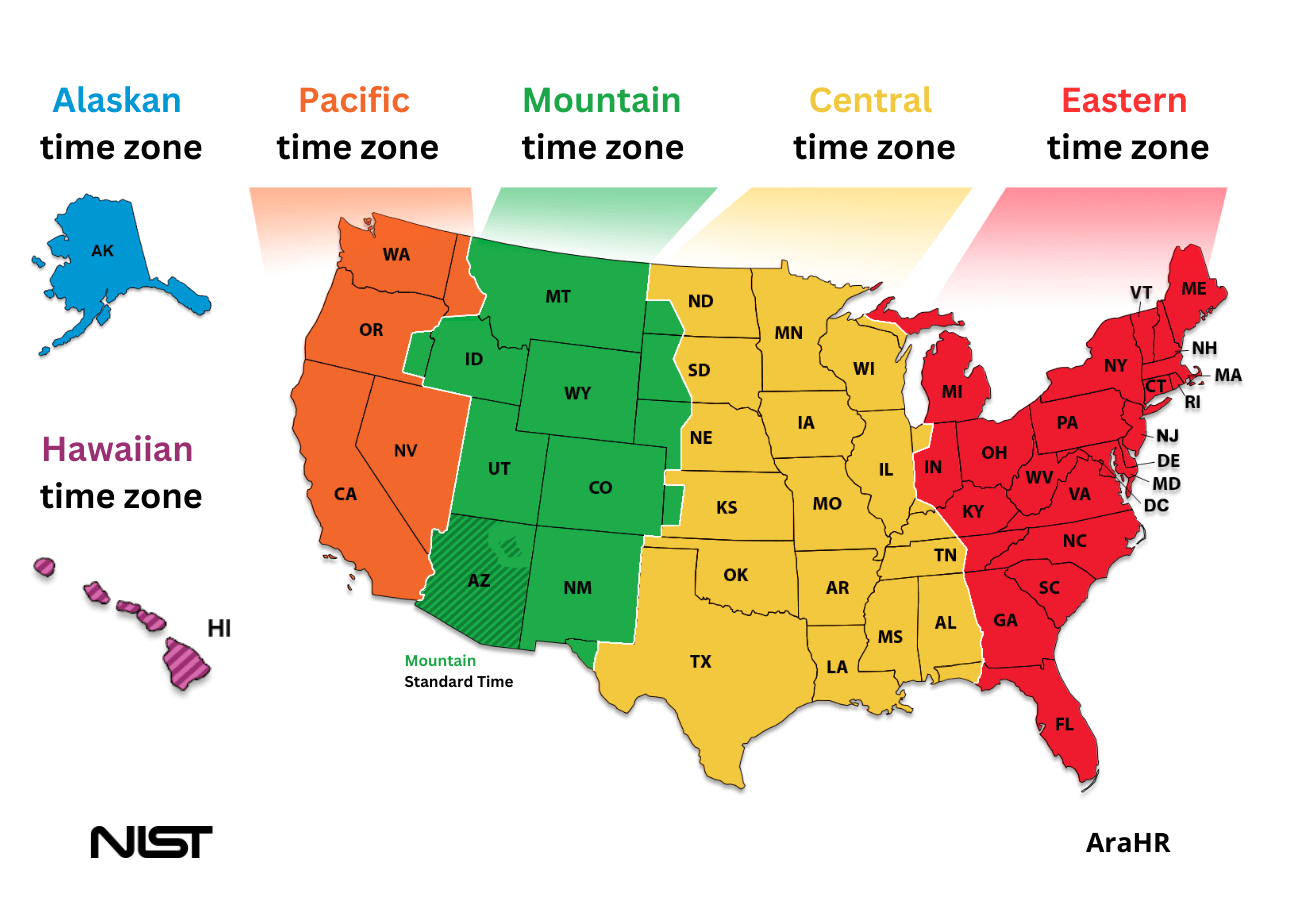
Arizona holds a distinctive position within the United States’ time zone system, primarily due to its decision regarding Daylight Saving Time (DST). While most of the continental United States observes DST, adjusting clocks forward in the spring and backward in the fall, Arizona (with the exception of the Navajo Nation) opts out. This unique stance creates a consistent temporal alignment with the Mountain Standard Time (MST) zone year-round, differentiating it from many neighboring states and international destinations.

The Mountain Standard Time (MST) Standard
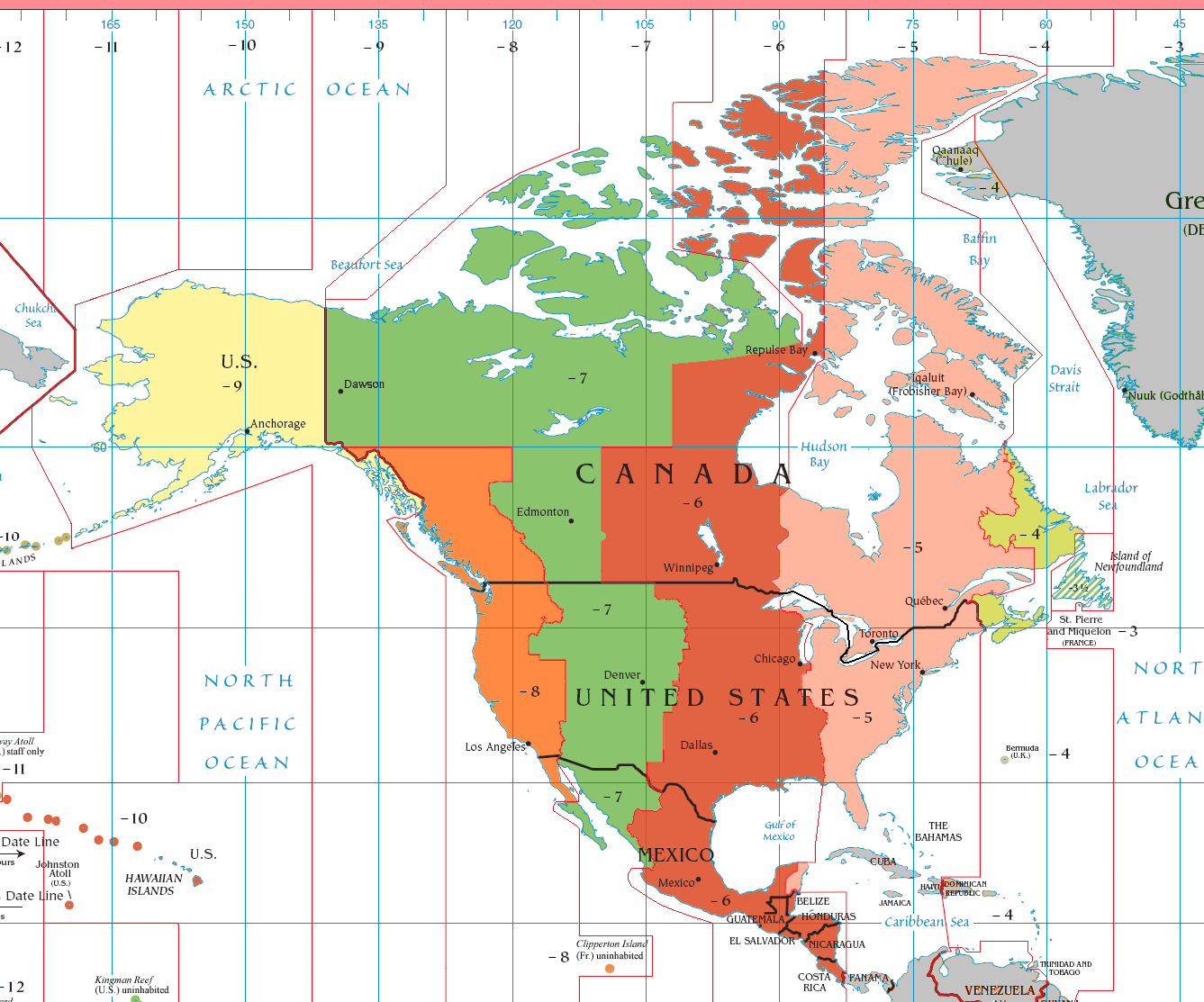
Phoenix, Arizona, operates permanently on Mountain Standard Time (MST). This means that during the periods when other parts of the country are observing Mountain Daylight Time (MDT), Phoenix remains on MST. Consequently, Phoenix is consistently two hours behind Eastern Standard Time (EST) and one hour behind Pacific Standard Time (PST). This unwavering adherence to MST simplifies planning for those familiar with the zone, but can cause brief confusion for visitors accustomed to the biannual clock changes.
The Exception: Navajo Nation and Daylight Saving Time
It is important to note a significant exception within Arizona: the Navajo Nation. The Navajo Nation, which spans parts of Arizona, New Mexico, and Utah, does observe Daylight Saving Time. This means that during DST months, the time within the Navajo Nation will be one hour ahead of the rest of Arizona. Travelers visiting areas like Monument Valley or the Canyon de Chelly National Monument, which are within the Navajo Nation’s jurisdiction, will need to adjust their watches accordingly. While Phoenix itself does not observe DST, being aware of this internal temporal discrepancy is vital for comprehensive travel planning across the state.
Practical Implications for Travelers and Businesses
The consistent time zone in Phoenix, while seemingly straightforward, carries a host of practical implications that travelers and businesses should be aware of to ensure smooth operations and enjoyable experiences. From scheduling appointments to catching flights, understanding this temporal constant is key.
Coordinating Flights and Travel Itineraries
For air travelers, understanding Phoenix’s time zone is paramount. When booking flights into or out of Phoenix Sky Harbor International Airport, all departure and arrival times will be listed in MST. This means that a flight departing from New York (EST) at 10:00 AM will arrive in Phoenix at 12:00 PM local time (Phoenix time), even though the flight duration might suggest a different arrival time if DST were being observed universally. Similarly, when planning connections or onward journeys from Phoenix to destinations observing DST, it’s crucial to calculate the time difference accurately. Misunderstanding this can lead to missed flights, late arrivals, or rushed departures, disrupting the carefully crafted travel itinerary. It’s always advisable to double-check arrival and departure boards upon reaching the airport and to confirm times with airlines in case of any schedule changes.
Scheduling Meetings and Appointments
For business travelers and tourists with scheduled activities, maintaining temporal accuracy is essential. Whether it’s a business meeting, a dinner reservation at a renowned restaurant in Old Town Scottsdale, or a guided tour of the Desert Botanical Garden, all bookings in Phoenix will be based on MST. For example, if you have a 7:00 PM dinner reservation, this refers to 7:00 PM Phoenix time. When coordinating with individuals or businesses located in states that observe DST, it’s crucial to specify the time zone to avoid confusion. A common error is to assume a universal DST adjustment. Therefore, clearly stating “7:00 PM MST” or “7:00 PM Phoenix time” can prevent miscommunications. This is particularly important for international travelers who may have different conventions for time zone communication.
Synchronizing with Remote Teams and Contacts
In today’s interconnected world, many individuals work with remote teams or have family and friends spread across different time zones. For those based in or interacting with Phoenix, its consistent MST alignment offers a degree of predictability. Unlike regions that spring forward and fall back, Phoenix’s time remains constant. This can simplify communication schedules, making it easier to establish regular call times or collaborate on projects. However, it also means that the temporal gap between Phoenix and other locations will fluctuate throughout the year. For instance, the difference between Phoenix (MST) and New York (EST/EDT) will be two hours during standard time but three hours when New York observes EDT. Understanding these shifts is key to effective remote collaboration and maintaining strong personal connections.
Exploring Phoenix and its Surrounding Attractions
Phoenix’s stable time zone makes exploring its diverse attractions and surrounding natural wonders a seamless experience, allowing visitors to immerse themselves fully in the vibrant culture and breathtaking landscapes without the added temporal adjustments.
Iconic Landmarks and Natural Wonders
Phoenix, the capital of Arizona, is renowned for its stunning desert landscapes and a wealth of attractions. Visitors can explore the architectural marvels of the Heard Museum, dedicated to the preservation and display of American Indian art and culture, or wander through the unique cacti and desert flora at the aforementioned Desert Botanical Garden. For those seeking outdoor adventure, the iconic Camelback Mountain offers challenging hikes with panoramic views of the valley. Further afield, the majestic Grand Canyon National Park, a world-renowned natural wonder, is a popular day trip or overnight excursion for visitors to Phoenix. All these experiences, regardless of the time of year, will be planned and experienced according to Phoenix’s permanent MST.
Cultural Experiences and Culinary Delights
The cultural tapestry of Phoenix is rich and varied, offering a plethora of experiences. From the vibrant arts scene in downtown Phoenix to the historical charm of the Old Town Scottsdale, there are endless opportunities for exploration. The city boasts a thriving culinary scene, with restaurants ranging from upscale dining to casual eateries, many of which are clustered in areas like Arcadia and Uptown Phoenix. Attending events such as the Phoenix Film Festival or enjoying a spring training baseball game in the Greater Phoenix Area are all activities timed consistently with MST. This temporal stability allows for a more relaxed and focused engagement with the city’s offerings.
Day Trips and Extended Excursions
Phoenix serves as an excellent base for exploring the diverse landscapes of Arizona. Popular day trips include venturing to the artsy desert town of Sedona with its stunning red rock formations and spiritual vortexes, or exploring the historic mining town of Jerome. For those seeking a longer excursion, the aforementioned Grand Canyon National Park is a must-see. Traveling to these locations, even if they fall within different counties or regions, does not alter the fundamental time zone of Phoenix as your departure and return point. Planning these trips requires factoring in driving times and the potential for differing time zones if crossing state lines (though most popular Arizona destinations remain within MST or the Navajo Nation’s DST). However, for the vast majority of Phoenix-centric travel, the constant MST simplifies the logistics, allowing for a more carefree adventure.
In conclusion, understanding that Phoenix, Arizona, perpetually observes Mountain Standard Time (MST) is a foundational piece of knowledge for anyone planning a visit or conducting business in the region. This temporal consistency, while unique within the United States, ultimately contributes to a predictable and manageable experience, allowing visitors to focus on the myriad of wonders that the Valley of the Sun has to offer.
LifeOutOfTheBox is a participant in the Amazon Services LLC Associates Program, an affiliate advertising program designed to provide a means for sites to earn advertising fees by advertising and linking to Amazon.com. Amazon, the Amazon logo, AmazonSupply, and the AmazonSupply logo are trademarks of Amazon.com, Inc. or its affiliates. As an Amazon Associate we earn affiliate commissions from qualifying purchases.