
Texas, the Lone Star State, beckons with its vast landscapes, vibrant cities, rich history, and diverse cultural experiences. From the bustling metropolitan hubs of Dallas and Houston to the live music capital of Austin and the historic charm of San Antonio, this state offers an unparalleled array of travel opportunities, luxurious hotels, and unforgettable adventures. Whether you’re planning a road trip across its sprawling highways to visit landmarks like the Alamo or the NASA Johnson Space Center, or considering a longer stay that immerses you in the local lifestyle, understanding the nuances of Texas regulations is key to a smooth journey. One such regulation, often overlooked by visitors and new residents alike, pertains to vehicle window tinting. Given Texas’s notoriously hot climate, window tint isn’t just a style choice; it’s a practical consideration for comfort, privacy, and even fuel efficiency. However, navigating the legalities can be tricky. This comprehensive guide will demystify what tint is legal in Texas, ensuring your travels and lifestyle within the state remain compliant and hassle-free.
Understanding Texas Window Tint Laws for Travelers and Residents
Embarking on a journey through Texas, whether in your own vehicle or a rental, means adhering to the state’s specific traffic and vehicle equipment laws. Window tinting regulations are particularly important due to safety considerations and law enforcement visibility. These laws are designed to balance driver and passenger comfort with the need for clear visibility and officer safety during traffic stops. For those exploring Texas’s diverse destinations, from the rugged beauty of Big Bend National Park to the coastal allure of South Padre Island, knowing these rules can prevent an unexpected stop or fine, ensuring your focus remains on enjoying your trip.
The Basics: Visible Light Transmission (VLT)
The cornerstone of window tint laws revolves around the concept of Visible Light Transmission (VLT). VLT refers to the percentage of visible light that passes through your car windows. A lower VLT percentage means darker tint, allowing less light to pass through. For example, 5% VLT is very dark (often called “limo tint”), while 70% VLT is relatively light. Texas law sets distinct VLT percentages for different windows on a vehicle.
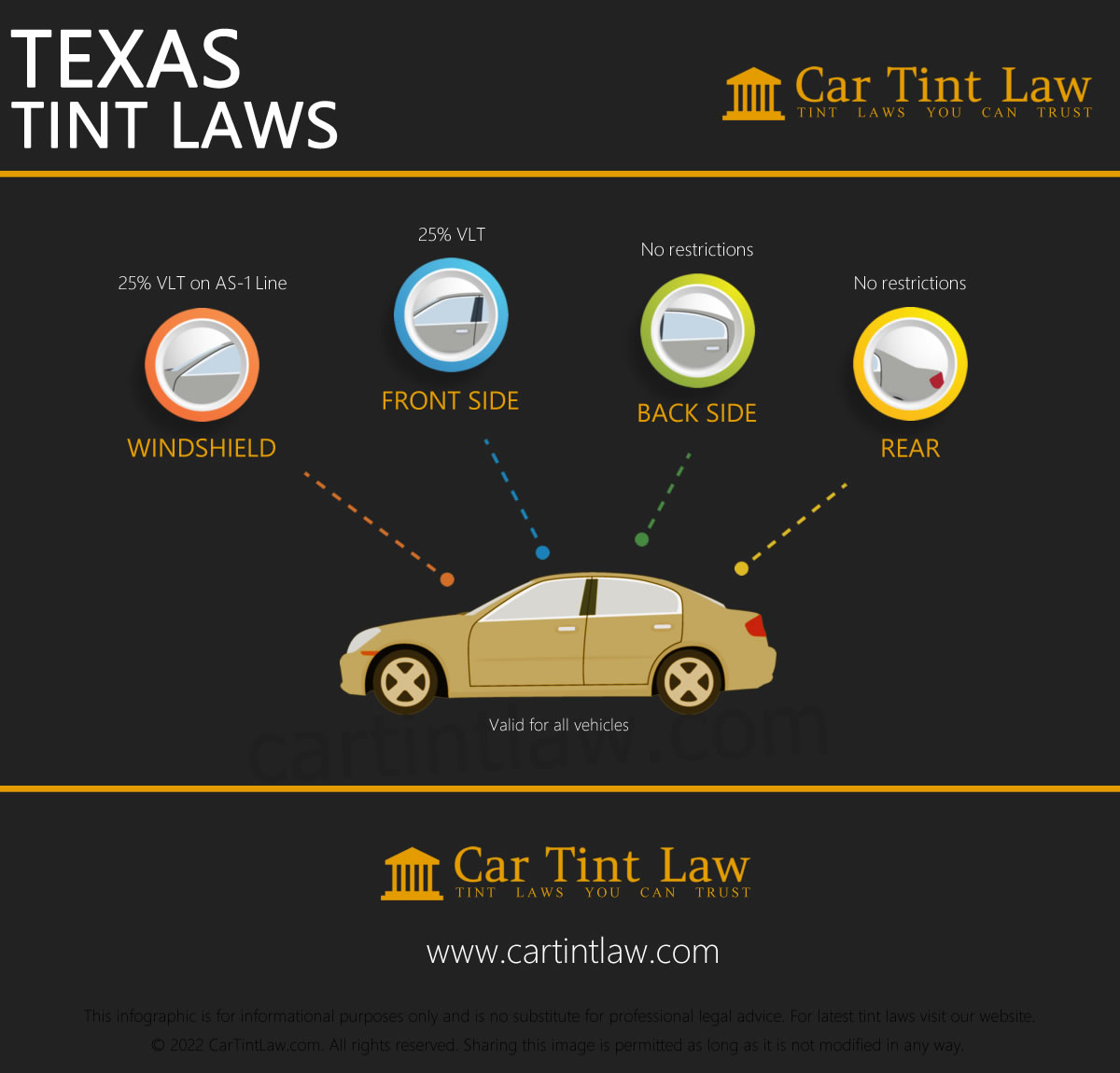
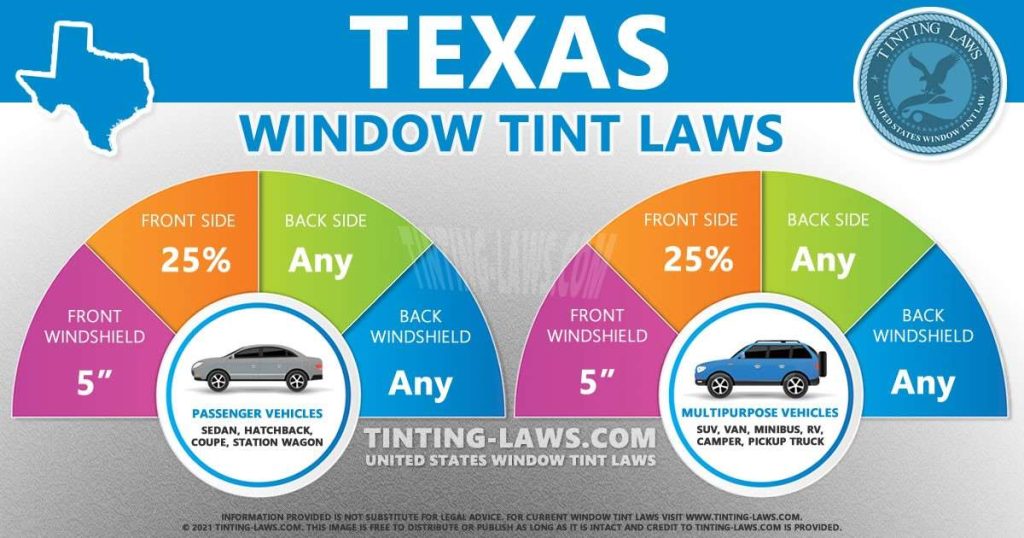
For the front side windows – those to the immediate left and right of the driver – the tint must allow more than 25% of light to pass through. This means a VLT of 25% or higher is legal. This specific requirement is critical for driver visibility, especially at night or in adverse weather conditions. It also ensures that law enforcement officers can maintain a degree of visibility into the vehicle’s cabin during interactions, a crucial safety measure.
When it comes to the back side windows (behind the front side windows) and the rear window (the back windshield), Texas law is more lenient. These windows can be tinted to any darkness, meaning there is no specific VLT percentage restriction for them. This allows for greater privacy and heat reduction for rear passengers and cargo, which can be particularly appealing for families traveling with children or those carrying valuables through various Texas towns and cities.
The windshield, however, has stricter rules. Tint is permitted only above the manufacturer’s AS-1 line, which is typically a few inches from the top of the windshield. If there is no AS-1 line, the tint cannot extend more than 5 inches down from the top. Furthermore, any tint applied to the windshield must be non-reflective and must not impair the driver’s vision. Clear, non-tinted film is allowed on the entire windshield as long as it does not obstruct the driver’s clear view of the roadway.
Specific Rules and Exemptions
Beyond VLT percentages, Texas has other specific stipulations to ensure safety and prevent misuse of window tinting. All tinting materials must be non-reflective. This means no metallic or mirrored finishes are allowed, as these can create glare for other drivers and obstruct visibility. The law explicitly prohibits any tint that gives the appearance of a two-way mirror, where occupants can see out but others cannot see in. This “two-way mirror” effect is deemed unsafe and illegal, primarily due to safety concerns for law enforcement and emergency personnel.
Another important aspect is that the vehicle must have both left and right outside rearview mirrors if the rear window is tinted. This is a common-sense safety measure, ensuring drivers maintain adequate rearward visibility if the back window is significantly darkened.
While the general rules are straightforward, Texas does provide for certain medical exemptions. Individuals with a medical condition that makes them unusually sensitive to light (photophobia) or ultraviolet rays may be permitted to have darker tint than typically allowed. To qualify, a person must carry a physician’s statement or a certificate from the Texas Department of Public Safety (DPS) in their vehicle. This documentation must explicitly state the medical necessity for the darker tint. It’s crucial for travelers with such conditions to ensure they have the proper paperwork, especially when crossing state lines or renting a vehicle.
Compliance and Consequences
Adherence to Texas window tint laws is not merely a suggestion; it’s a legal requirement. For travelers, encountering a traffic stop in an unfamiliar state due to non-compliant tint can be an unwanted disruption to vacation plans. If your vehicle’s tint does not meet Texas standards, you could face a Class C misdemeanor, typically resulting in a fine that can range from a few dollars up to several hundred, plus court costs. While it’s unlikely to lead to vehicle impoundment solely for tint, repeated offenses or combination with other violations could escalate issues.
For those considering a long-term stay or even relocating to Texas, understanding and complying with these laws is even more vital. Vehicle inspections in Texas include a check of window tint, and an illegal tint will cause your vehicle to fail inspection, preventing you from registering or renewing your registration. This can quickly turn a minor oversight into a significant bureaucratic headache, impacting your ability to settle into your new Texas lifestyle.
To check your current tint’s legality, you can visit an automotive tint shop in Texas that often has a VLT meter. This simple device can measure the percentage of light passing through your windows, giving you a definitive answer before you hit the road or proceed with vehicle registration.
Why Window Tinting Matters in the Lone Star State Lifestyle
Beyond legal compliance, window tinting holds significant practical value for anyone living or traveling within Texas. The state’s climate and vast distances between attractions make vehicle comfort and security paramount. Understanding how legal tint contributes to these aspects can enhance your overall experience, whether you’re exploring the historic Fort Worth Stockyards National Historic District or simply commuting through the Riverwalk in San Antonio.
Combating the Texas Heat: Comfort and Energy Efficiency
Texas summers are legendary for their intense heat and abundant sunshine. Temperatures regularly soar above 90°F (32°C), and the sun’s rays can quickly turn a parked car into an oven. This is where legal window tint becomes an invaluable asset. Quality window film can block a significant amount of solar heat, including infrared and ultraviolet (UV) rays, even if it’s relatively light in shade.
For tourists embarking on long road trips across Texas to reach destinations like Guadalupe Mountains National Park, a cooler car interior translates directly to greater comfort. Passengers, especially children, will experience less discomfort from direct sunlight and heat. This can make the journey itself a more pleasant part of the travel experience, rather than just a means to an end. Moreover, UV protection offered by tint helps protect your skin from harmful sun exposure during extended drives, a crucial health benefit.
From an energy efficiency perspective, legal tint can reduce the strain on your vehicle’s air conditioning system. A cooler interior means the AC doesn’t have to work as hard, consuming less fuel. For budget travelers or those mindful of their environmental footprint, this can translate into noticeable savings over a long trip or during a prolonged stay. It aligns with a smart lifestyle choice, where practical solutions enhance both comfort and economic sense. Furthermore, UV rays are a primary cause of interior fading, cracking dashboards, and deteriorating upholstery. Tinting acts as a protective shield, preserving the aesthetic and resale value of your vehicle – a relevant consideration for those making Texas their long-term home or frequently using their personal car for travel.
Privacy and Security on the Road
For travelers, the car often doubles as a mobile storage unit for luggage, cameras, and personal items. Whether you’re parked outside a popular attraction in Austin, enjoying a meal in Galveston, or checking into a Marriott, Hilton, or Hyatt hotel, the visibility of your belongings can be a security concern. Legal window tint, particularly on the back and rear windows where darker shades are permitted, offers an added layer of privacy.
By obscuring the interior from casual glances, tint can deter opportunistic thieves who might otherwise be tempted by visible luggage or electronic devices. This peace of mind is invaluable, allowing you to immerse yourself fully in local culture and activities without constantly worrying about your vehicle. For families on vacation, it means belongings like strollers, car seats, and toys are less exposed. For business travelers, laptops and important documents gain an extra layer of visual security.
Beyond deterring theft, tint also enhances personal privacy for occupants. This can be especially appreciated during long drives or when parked in crowded areas, allowing for a more secluded and comfortable environment within your vehicle. It contributes to a sense of personal space, a subtle but significant element of a relaxed travel lifestyle.
Navigating Texas: Practical Advice for Your Journey
Knowing the tint laws is the first step, but integrating this knowledge into your travel plans and lifestyle in Texas requires a few practical considerations. Whether you’re driving your own car from another state, renting a vehicle, or considering having tint installed locally, being prepared will ensure your experience in the Lone Star State is as enjoyable and uncomplicated as possible.
Renting a Car in Texas? What to Know.
For many visitors, renting a car is the preferred way to explore the vast expanse of Texas. Rental car fleets are typically equipped with factory-standard window tinting that complies with local laws. Reputable rental agencies operating in Texas will ensure their vehicles meet state regulations, so you generally don’t need to worry about the legality of tint on a standard rental car.
However, if you’re bringing your own vehicle from out of state, the rules change. Even if your car’s tint is legal in your home state, it must comply with Texas laws once you cross the state line. This is a common pitfall for interstate travelers. For instance, if your front side windows are tinted darker than 25% VLT and your home state allows it, you could still receive a citation in Texas. Before embarking on a Texas road trip, it’s prudent to verify your vehicle’s tint compliance or be prepared to address any issues should they arise. While officers often give warnings to out-of-state drivers for minor infractions, it’s not a guarantee.
If your vehicle has tint darker than 25% VLT on the front side windows and you plan an extended stay in Texas, you might consider having the illegal tint removed or replaced with compliant film. This proactive step can save you potential fines and hassle, allowing you to focus on enjoying everything from Houston’s culinary scene to San Antonio’s historic missions.

Expert Installation and Resources
Should you decide to have window tint installed or replaced while in Texas, selecting a reputable and knowledgeable installer is paramount. A professional tint shop will be intimately familiar with current Texas laws and can recommend films that not only look good but also provide the desired heat and UV protection while remaining compliant. They will also typically provide a certificate of compliance or mark the windows with the VLT percentage, which can be useful if questioned by law enforcement. Avoid installers who suggest or push for illegal tinting, as this will only lead to future problems for you.
For the most accurate and up-to-date information, the official source is the Texas Department of Public Safety (DPS) website or the Texas Legislature statutes. These resources provide the definitive legal text and any recent amendments to the laws. Consulting these official channels ensures you’re working with the most current information, which is always advisable when dealing with legal compliance.
In conclusion, understanding what tint is legal in Texas is a small but significant detail that contributes to a seamless and enjoyable travel or residency experience in the Lone Star State. By ensuring your vehicle adheres to VLT regulations, non-reflective requirements, and other specific rules, you can avoid unnecessary fines and disruptions. Instead, you can fully embrace the comfort, privacy, and security that legal window tint provides, enhancing your journey through Texas’s vibrant cities, iconic landmarks, and stunning natural beauty. Whether you’re staying in a luxurious resort or exploring local culture on a budget, responsible travel and a mindful lifestyle begin with knowing and respecting local laws.