
A car accident, regardless of its severity, can be a disorienting and stressful experience, especially when it occurs in a place as vast and varied as California. While the immediate aftermath of an accident demands swift action and clear thinking, it’s also important to consider the broader context of your stay, especially if you are a visitor exploring the Golden State. Beyond the necessary steps for immediate safety and legal compliance, understanding what to do can also involve how to navigate your travel plans, potential disruptions to your accommodation, and how to continue enjoying your California experience. This guide aims to provide a comprehensive overview of actions to take after a car accident in California, focusing on both immediate necessities and how to manage the impact on your tourism and lifestyle aspirations.

Immediate Steps Following a Car Accident in California
The moments after a collision are critical. Prioritizing safety and adhering to California‘s legal requirements are paramount. This section will outline the essential actions you must take to ensure your well-being and to lay the groundwork for any subsequent claims or investigations.
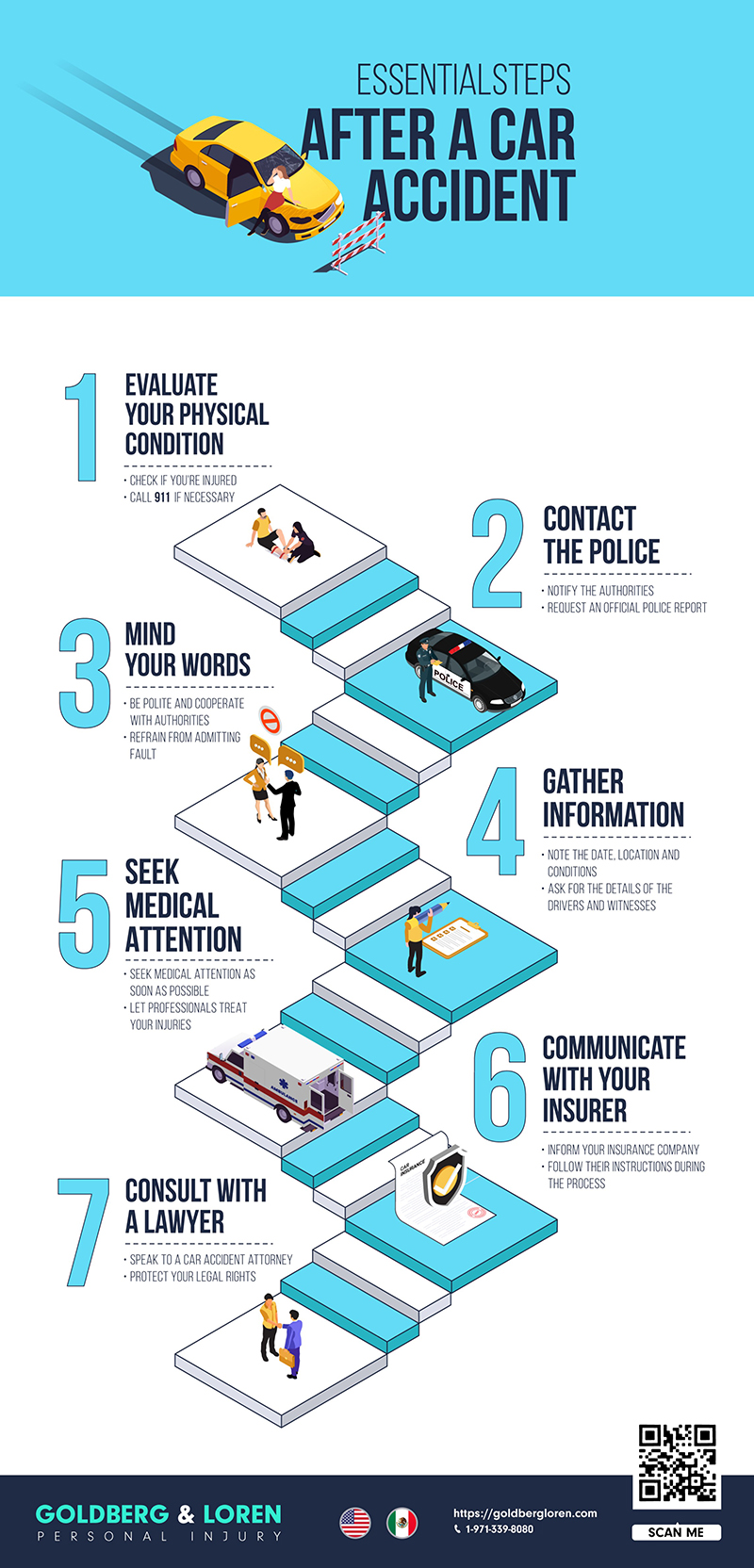
Ensuring Safety and Assessing the Situation
Your primary concern should always be the safety of yourself and others involved.
- Stop Immediately: As soon as the accident occurs, pull over to a safe location, away from traffic, if possible. Do not leave the scene of an accident, even if it seems minor. In California, leaving the scene of an accident can carry severe penalties.
- Check for Injuries: Assess yourself and any passengers for injuries. If anyone is hurt, call emergency services (911) immediately. Do not move an injured person unless they are in immediate danger, such as being in a burning vehicle.
- Ensure Scene Safety: If it is safe to do so, turn on your hazard lights to alert other drivers. If your vehicle is blocking traffic and can be moved without causing further damage, it might be advisable to move it to the side of the road. However, if there is any doubt, leave the vehicles in place.
- Call the Police: For any accident involving injuries, significant property damage, or if there’s suspicion of driving under the influence, you must call the police. Even for minor accidents, it is often recommended to have a police report, which can be crucial for insurance purposes. The California Highway Patrol or local police department will respond to the scene.
- Exchange Information: With the other driver(s), exchange the following information:
- Full name and contact information (address, phone number).
- Driver’s license number.
- Vehicle license plate number.
- Insurance company name and policy number.
- Make, model, and year of the vehicle.
- It is also wise to note the general appearance of the other driver and their passengers, as well as the direction they were traveling.
- Document the Scene: If you are able, take photographs and videos of the accident scene. Capture images of:
- The position of the vehicles.
- Damage to all vehicles involved.
- Any road conditions, traffic signals, or signs that may have contributed to the accident.
- The surrounding area, including any skid marks or debris.
- If there are any witnesses, ask for their contact information. Their testimony can be invaluable.
Reporting the Accident
California law requires drivers to report accidents under certain circumstances.
- Reporting to the Police: As mentioned, calling the police for significant accidents is mandatory. You can obtain a copy of the police report from the law enforcement agency that investigated the accident. This report will contain details about the incident, involved parties, and potentially the investigating officer’s findings.
- Reporting to the DMV: In California, you are required to report any accident that results in injury, death, or property damage exceeding $1,000 to the Department of Motor Vehicles (DMV) within 10 days, using the SR-1 form. This is separate from reporting to your insurance company. Failure to do so can result in the suspension of your driver’s license.
Notifying Your Insurance Company
Promptly informing your insurance provider is a crucial step in the claims process.
- Contact Your Insurer: Call your insurance company as soon as possible after ensuring your immediate safety and fulfilling reporting requirements. Provide them with all the details you have gathered, including the police report number if available, and the other party’s information.
- Be Truthful and Factual: When speaking with your insurance adjuster, stick to the facts of what happened. Avoid admitting fault, as this can complicate your claim. Your insurance company will investigate the accident to determine liability.
Managing the Impact on Your California Trip
An accident can significantly disrupt your travel plans, whether you are on a leisurely vacation exploring California’s diverse landscapes or on a business trip. Understanding how to navigate these disruptions can help mitigate stress and allow you to salvage your intended experiences.
Addressing Vehicle Damage and Rental Needs
If your vehicle is damaged, its repair or replacement will be a top priority.
- Assessing Vehicle Damage: If your vehicle is not drivable, you will need to arrange for it to be towed to a repair shop. If you have comprehensive coverage, your insurance policy may cover towing and storage fees.
- Rental Car Options: If you rely on your vehicle for transportation, a rental car will likely be necessary. Check your insurance policy to see if rental car coverage is included. If the other party was at fault, their insurance may cover the cost of a rental car while your vehicle is being repaired. For tourists, consider:
- Rental Agencies: Major rental car companies are widely available in California, particularly at airports like Los Angeles International Airport (LAX) or San Francisco International Airport (SFO). Companies like Hertz, Enterprise, and Avis offer a range of vehicles.
- Travel Insurance: If you have travel insurance, review your policy for any coverage related to rental car disruptions or alternative transportation due to unforeseen circumstances.
- Ride-Sharing Services: In the interim, services like Uber and Lyft can provide convenient transportation for shorter distances within cities like San Diego or Sacramento.
- Public Transportation: California has various public transportation options, including the Metrolink commuter rail system in Southern California and BART (Bay Area Rapid Transit) in Northern California. These can be viable alternatives for navigating major metropolitan areas.
Revising Travel Itineraries and Accommodation
An accident might necessitate changes to your planned travel destinations, accommodation, and overall tourism activities.
- Revisiting Your Itinerary: If your vehicle is out of commission for an extended period, you may need to re-evaluate your planned route and destinations.
- Shorter Trips: Consider focusing on attractions closer to your current location. For instance, if you were planning a road trip from San Francisco to Yosemite National Park, and your car is damaged, you might opt for exploring the Golden Gate Bridge or visiting the Alcatraz Island instead.
- Alternative Transportation: Explore options for reaching other destinations. If you were hoping to drive to Las Vegas (though technically in Nevada, it’s a common detour from Southern California), you might consider flying from LAX or taking a bus.
- Adjusting Accommodation Bookings: If your accident impacts your ability to reach your booked hotels, resorts, or villas, you will need to communicate with your accommodation provider.
- Contact the Hotel: If you have reservations at a place like the Ritz-Carlton Bacara in Santa Barbara or a charming boutique hotel in Carmel-by-the-Sea, contact them immediately to explain your situation. Most establishments are understanding and may be able to modify your booking dates or offer a cancellation without penalty, especially if you can provide documentation from the accident.
- Last-Minute Bookings: If you need to find alternative accommodation, websites like Booking.com or Expedia can help you find available suites, apartments, or other lodging options in your vicinity. Reading reviews can assist in making quick decisions.
- Long-Term Stays: If your recovery or vehicle repairs will require an extended stay, consider looking for long-term stay apartments or extended-stay hotels that might offer more competitive rates and amenities for a prolonged period.
- Modifying Activities: Your planned activities might also need adjustment.
- Local Experiences: Instead of a long drive to a distant landmark, consider exploring local food scene or attractions in the city where you are currently located. Many cities in California offer unique local culture and experiences.
- Guided Tours: If you planned to explore independently, consider booking guided tours that might offer transportation, allowing you to still see the sights without the need for your own vehicle. Many companies offer tours of Disneyland Resort or the Hollywood Walk of Fame, for example.
Seeking Support and Moving Forward
Beyond the practicalities of vehicle repair and travel adjustments, dealing with the aftermath of an accident can also involve seeking emotional and legal support. This section touches upon resources and considerations for navigating the recovery process.
Legal and Insurance Considerations
Understanding your rights and responsibilities is crucial in resolving accident-related issues.
- Consulting with an Attorney: If the accident involved serious injuries, significant property damage, or if there is a dispute over fault, consulting with a personal injury attorney in California is highly recommended. Attorneys specializing in car accidents can help you understand your legal options and navigate the complexities of insurance claims and potential litigation. Many offer free initial consultations.
- Understanding Insurance Claims: Be prepared for a potentially lengthy insurance claims process. Keep detailed records of all communication with insurance adjusters, repair shops, and medical providers. If you are involved in an accident with an uninsured or underinsured driver, your own insurance policy might provide coverage through your uninsured/underinsured motorist (UM/UIM) benefits.
- Medical Attention: Even if you don’t feel seriously injured at the scene, some injuries, like whiplash, may not manifest symptoms for hours or days. It is always advisable to seek medical attention from a doctor or visit an urgent care clinic after an accident. This also creates a medical record that can be important for insurance claims.

Emotional Well-being and Reclaiming Your Experience
Car accidents can be traumatic. Prioritizing your emotional well-being is as important as addressing physical and financial concerns.
- Processing the Trauma: It’s normal to feel shaken, anxious, or even fearful after an accident. Allow yourself time to recover emotionally. Talking to friends, family, or a mental health professional can be beneficial.
- Resuming Your Travels: Once the immediate logistical and legal matters are being handled, you can begin to re-engage with your California adventure.
- Focus on the Positive: Remind yourself why you came to California – to experience its stunning landmarks, vibrant culture, delicious food, and diverse activities.
- Explore New Experiences: Perhaps the accident has opened up opportunities for different kinds of experiences. You might discover a charming bed and breakfast you wouldn’t have otherwise found or enjoy a slower-paced exploration of a city you initially rushed through.
- Enjoy the Lifestyle: Whether you are seeking luxury travel experiences, enjoying budget travel, embarking on family trips, or managing business stays, California has something for everyone. Don’t let a single event overshadow the richness of what the state has to offer. You can still visit iconic places like the Griffith Observatory, stroll through Golden Gate Park, or drive along the scenic Pacific Coast Highway, albeit perhaps with a different mode of transport or a revised schedule.
While a car accident in California is an unwelcome event, by taking the correct immediate steps, managing the logistical disruptions effectively, and prioritizing your well-being, you can navigate the aftermath and still salvage a positive and memorable experience in the Golden State.
LifeOutOfTheBox is a participant in the Amazon Services LLC Associates Program, an affiliate advertising program designed to provide a means for sites to earn advertising fees by advertising and linking to Amazon.com. Amazon, the Amazon logo, AmazonSupply, and the AmazonSupply logo are trademarks of Amazon.com, Inc. or its affiliates. As an Amazon Associate we earn affiliate commissions from qualifying purchases.