
Nestled in the southern Sierra Nevada mountains of California, Sequoia National Park is a land of giants, a majestic wilderness that captivates with its colossal trees, dramatic mountain landscapes, and diverse ecosystems. Established in 1890, it is the second-oldest national park in the United States, dedicated to protecting the immense Giant Sequoia trees. A visit here is more than just a trip; it’s an immersive experience into nature’s grandeur, offering everything from serene walks among ancient groves to challenging high-country treks. Whether you’re a first-time visitor or a seasoned explorer, Sequoia National Park promises unforgettable moments and breathtaking sights. This comprehensive guide will help you plan your adventure, highlighting the must-see landmarks, exciting activities, and practical tips to make your journey truly exceptional.
Discovering the Giants: Must-See Landmarks and Groves
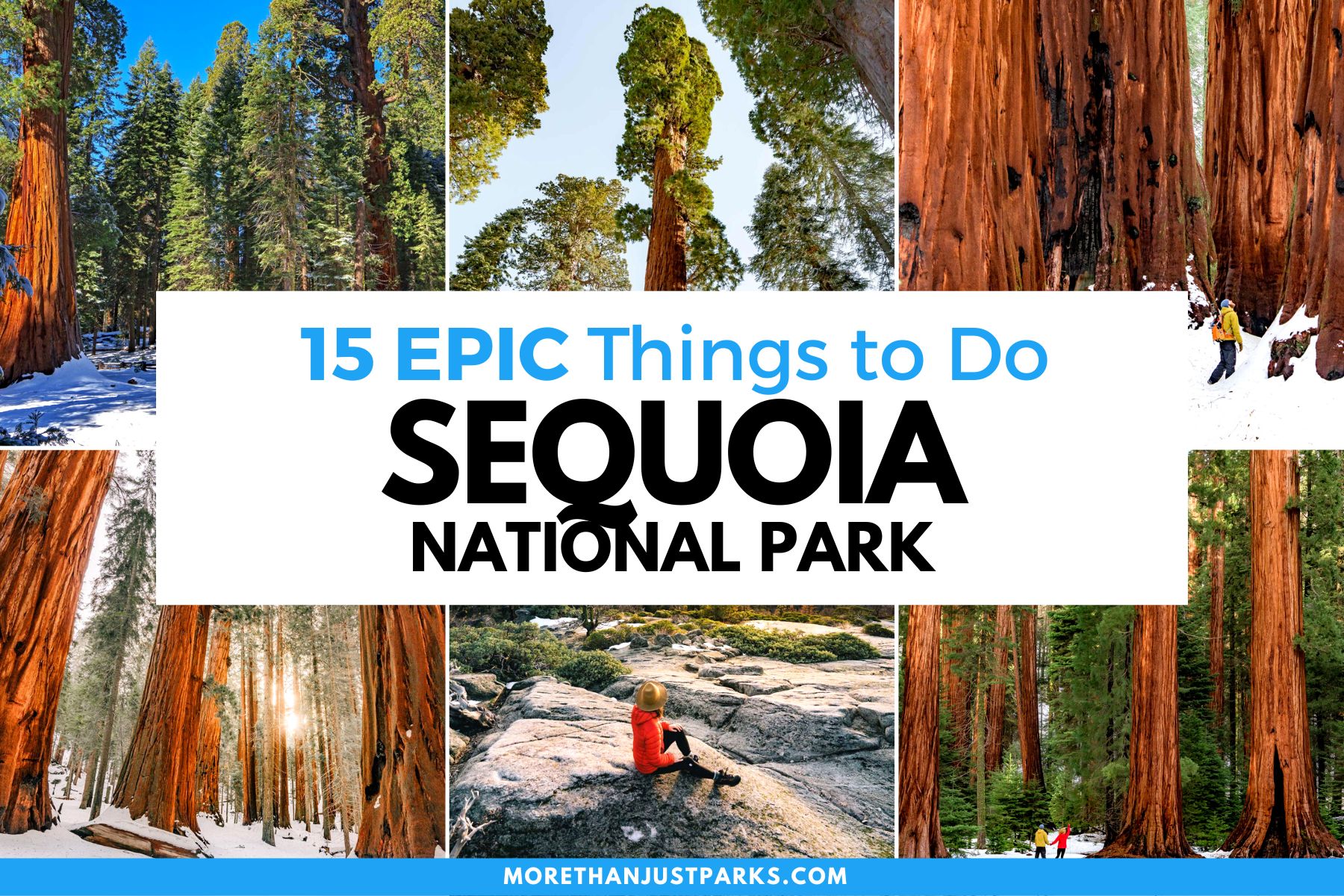
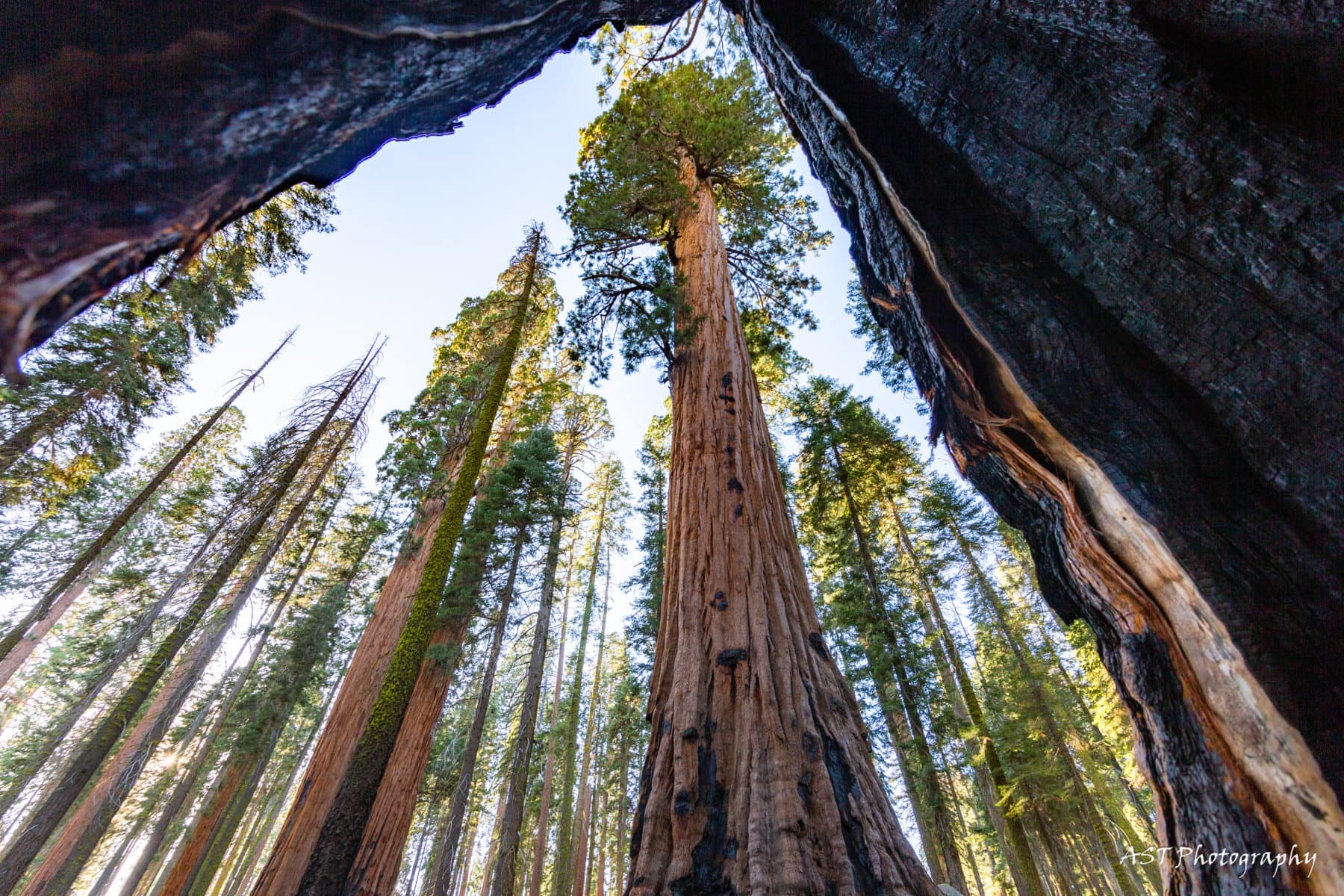
The undisputed stars of Sequoia National Park are its ancient Giant Sequoia trees, the largest living things on Earth by volume. Exploring their colossal groves is an awe-inspiring experience that grounds you in the sheer power and longevity of nature.
The Majestic Giant Forest and General Sherman Tree
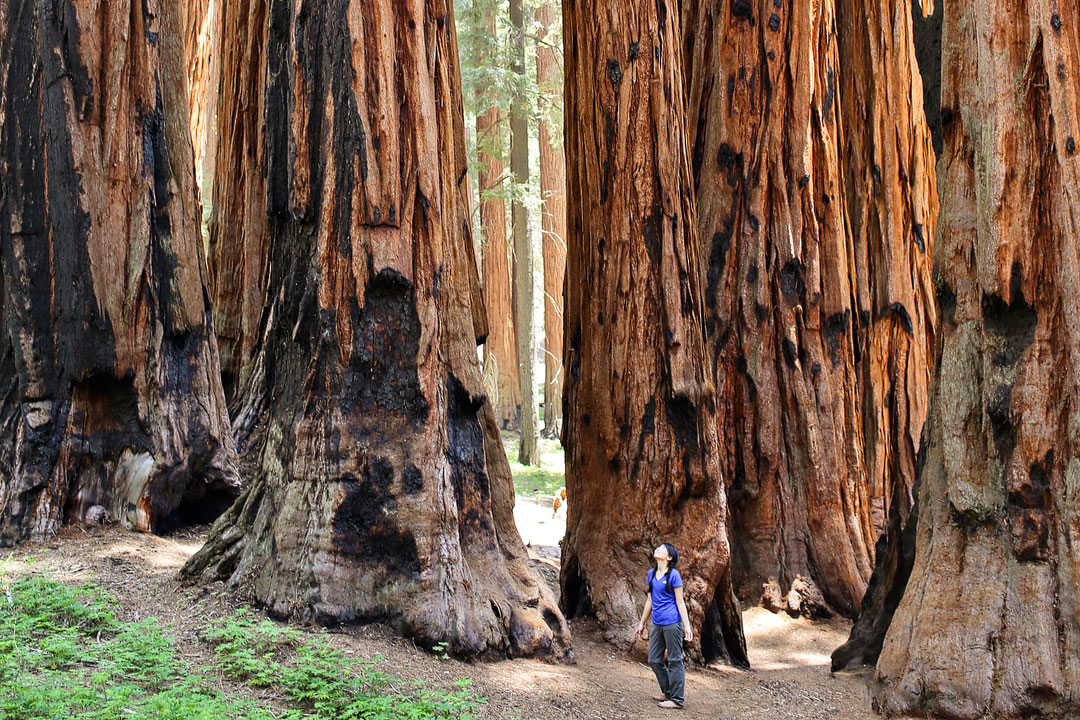
At the heart of the park lies the Giant Forest, home to over 8,000 Giant Sequoias, including the most famous of them all: the General Sherman Tree. Standing over 275 feet tall and boasting a circumference of 102 feet at its base, the General Sherman Tree is not only the largest tree in the world but also one of the largest living organisms on the planet by volume. A paved, half-mile Sherman Tree Trail leads directly to its base, offering accessible viewing for all visitors. Shuttle services are often available, especially during peak seasons, to manage traffic and provide convenient access.
Beyond the General Sherman Tree, the Giant Forest offers several other trails that allow for deeper exploration of these magnificent groves. The Congress Trail, a relatively flat loop of 2.7 miles, branches off from the General Sherman Tree area and winds through groups of impressive sequoias known as the “House” and the “Senate.” This trail is less crowded and provides a more intimate experience with the towering trees. For a shorter, family-friendly option, the Big Trees Trail is a gentle 1.2-mile loop around a meadow, offering interpretive signs about the sequoia ecosystem. Nearby, Crescent Meadow, often referred to as the “Gem of the Giant Forest” by John Muir, is a beautiful open area surrounded by giant trees, perfect for a picnic or a leisurely stroll.
Iconic Views and Geological Wonders
While the trees are the main draw, Sequoia National Park also boasts dramatic vistas and unique geological formations. Moro Rock is a prominent granite dome offering panoramic views of the western half of the park, including the Great Western Divide and the San Joaquin Valley. A strenuous 350-step staircase carved into the rock face leads to the summit, and while challenging, the reward of a 360-degree vista is well worth the effort. It’s a prime spot for sunrise or sunset photography, but be prepared for crowds during peak times.
Another quirky and popular attraction is Tunnel Log. This fallen sequoia tree, measuring 275 feet long and 21 feet in diameter, had a section carved out in 1937 to allow cars to drive through it after it fell across the road. It’s a unique photo opportunity and a testament to the sheer size of these trees, even after they’ve fallen.
For a subterranean adventure, Crystal Cave offers guided tours through its intricate marble cavern. Adorned with stalactites, stalagmites, and flowstones, the cave’s cool, damp environment is a fascinating contrast to the sun-drenched forests above. Tours are seasonal, typically running from late May to early October, and tickets must be purchased in advance online or at designated visitor centers outside the cave area. It’s a short, scenic drive from the Generals Highway to the cave parking lot, followed by a moderate downhill walk to the entrance.
Adventures in the Wilderness: Activities for Every Traveler
Beyond marveling at the colossal trees, Sequoia National Park provides a diverse range of activities that cater to all levels of adventure, from tranquil nature walks to strenuous backcountry expeditions.
Hiking Through Ancient Groves and Scenic Trails
Hiking is undoubtedly the best way to experience the park’s varied landscapes. In addition to the trails within the Giant Forest, there are numerous other options:
- Tokopah Falls Trail: A moderate 3.4-mile roundtrip hike starting near Lodgepole Campground, leading to the spectacular 1,200-foot Tokopah Falls. It’s a beautiful walk along the Kaweah River with lush vegetation.
- Lakes Trail: A strenuous, full-day hike into the high country, offering breathtaking views of alpine lakes like Emerald Lake and Pear Lake. This 12.8-mile roundtrip journey requires significant elevation gain and is best suited for experienced hikers.
- Alta Peak Trail: For those seeking a truly challenging summit, the 14-mile roundtrip Alta Peak Trail offers unparalleled views of the Great Western Divide and beyond from its 11,204-foot peak. This is a full-day adventure, often requiring an early start.
- Mineral King Area: This remote, high-elevation glacial valley in the southern part of the park offers incredible, albeit strenuous, hiking opportunities with dramatic scenery and fewer crowds. Trails like the Franklin Lakes Trail or Eagle Lake Trail provide access to pristine alpine environments. Note that the road to Mineral King is narrow, winding, and seasonal.
When hiking, always carry plenty of water, wear appropriate footwear, and inform someone of your itinerary, especially for longer trails. Bear canisters are often required for overnight backcountry trips to protect food from wildlife.
Camping, Stargazing, and Wildlife Encounters
Camping in Sequoia National Park is an immersive experience, allowing you to sleep under the towering trees and connect deeply with nature. The park offers several developed campgrounds, including Lodgepole Campground, Dorst Creek Campground, Potwisha Campground, and Buckeye Flat Campground. Reservations are highly recommended, especially during the summer and on weekends, as spots fill up quickly. Many campgrounds are open seasonally, so check the National Park Service website for current operating dates.
Beyond developed campgrounds, backcountry camping is an option for experienced hikers with proper wilderness permits. This provides an unparalleled opportunity for solitude and true immersion in the park’s pristine environment, including the adjacent John Muir Wilderness.
Sequoia National Park is also recognized as an International Dark Sky Park, making it an exceptional destination for stargazing. Far from city lights, the night sky here is a dazzling canvas of stars, galaxies, and the Milky Way. Ranger-led astronomy programs are often available during the summer, enhancing the experience.
The park is home to a diverse array of wildlife, including black bears, mule deer, marmots, and various bird species. While wildlife sightings are never guaranteed, early morning and late evening are often the best times. Remember to keep a safe distance, never feed animals, and store all food in bear-resistant containers to protect both yourself and the wildlife.
Scenic Drives and Photography Opportunities
Driving through Sequoia National Park is an adventure in itself. The main thoroughfare, the Generals Highway, winds through spectacular landscapes, connecting Sequoia National Park with its sister park, Kings Canyon National Park. Along the way, numerous pullouts and overlooks provide incredible photography opportunities.
- Moro Rock: As mentioned, the summit offers panoramic views, perfect for landscape photography.
- Tunnel Log: A classic and fun photo op.
- Panoramic Point: Located near Grant Grove in Kings Canyon National Park, this viewpoint offers sweeping vistas of the Sierra Nevada and Hume Lake.
- Big Stump Trail: In Kings Canyon National Park, this trail features massive sequoia stumps and a cross-section of a fallen giant, offering a different perspective on their size.
For photographers, the changing light of sunrise and sunset can transform the groves and mountains into truly magical scenes. Consider bringing a wide-angle lens for the vast landscapes and a telephoto lens for wildlife.
Planning Your Sequoia National Park Experience
A little planning goes a long way in ensuring a smooth and enjoyable trip to Sequoia National Park. Knowing when to visit, where to stay, and what services are available will enhance your journey.
Getting There and When to Visit
Sequoia National Park has two main entrances from the west: the Ash Mountain Entrance (via Highway 198) in the south and the Big Stump Entrance (via Highway 180) in the north, which leads directly into Kings Canyon National Park and then connects to Sequoia via the Generals Highway. The Ash Mountain Entrance is closest to Three Rivers, Visalia, and Fresno for easy access to accommodations outside the park.
The best time to visit depends on your preferences.
- Summer (June-August): Offers the warmest weather, all facilities and roads are open, and shuttle services are fully operational. However, it’s also the busiest season, with large crowds and limited availability for lodging and camping.
- Spring (April-May) and Fall (September-October): These shoulder seasons offer pleasant weather, fewer crowds, and stunning natural beauty (wildflowers in spring, fall colors in autumn). Some higher-elevation roads or facilities might still be closed in early spring or begin closing in late fall.
- Winter (November-March): Transforms the park into a snowy wonderland, ideal for cross-country skiing, snowshoeing, and solitude. The Generals Highway may require tire chains, and some areas like Mineral King and the high country are inaccessible. Check road conditions before you go.
Park entrance fees apply, and America the Beautiful passes are accepted. Check the official NPS website for the most up-to-date information on fees, road closures, and operating hours.
Accommodation and Dining Options
Within the park, lodging options range from rustic cabins to a full-service lodge:
- Wuksachi Lodge: A modern, upscale lodge offering comfortable rooms, a full-service restaurant, and stunning views. It’s centrally located near the Giant Forest and Lodgepole Village.
- Grant Grove Cabins: Located in Kings Canyon National Park but easily accessible from Sequoia, these offer a range of cabin types, from rustic tent cabins to more modern accommodations. There’s also a restaurant and a market at Grant Grove Village.
- John Muir Lodge: Also in Grant Grove, it’s a more traditional hotel offering comfortable rooms.
- Montecito Sequoia Lodge: A family-friendly all-inclusive resort located just outside the park boundary near Grant Grove.
For those preferring to stay outside the park, the small town of Three Rivers, located just outside the Ash Mountain Entrance, offers a variety of hotels, motels, and vacation rentals. Larger cities like Visalia and Fresno, both about an hour to 1.5 hours’ drive, provide a wider selection of accommodation options and amenities, though require more travel time each day.
Dining options inside the park are available at Wuksachi Lodge, Lodgepole Village, and Grant Grove Village, ranging from casual eateries to full-service restaurants. Many visitors also bring their own food for picnics or cooking at campgrounds, which is a great budget-friendly and flexible option. Markets are available at Lodgepole and Grant Grove for groceries and supplies.
Essential Tips for a Seamless Journey
- Pack Layers: Mountain weather can change rapidly. Layers are key, even in summer.
- Stay Hydrated: Carry plenty of water, especially when hiking.
- Fuel Up: Gas stations are limited within the park; fill up your tank before entering, especially if traveling from Three Rivers where the road is steep.
- Cell Service: Cell phone reception is spotty to non-existent in most of the park. Download maps and information beforehand.
- Bear Safety: Store all food and scented items in bear-resistant lockers or your vehicle. Never leave food unattended.
- Leave No Trace: Practice the seven principles of Leave No Trace to minimize your impact on the environment. Pack out everything you pack in.
- Shuttle System: Utilize the free in-park shuttle system during peak season to reduce traffic and parking stress in popular areas like the Giant Forest and Moro Rock.
- Permits: Wilderness permits are required for all overnight backcountry trips.
- Altitude Sickness: The park’s elevation ranges from 1,300 feet to over 14,000 feet. Take it easy on your first day, drink plenty of water, and be aware of symptoms of altitude sickness.
Exploring Beyond Sequoia: Nearby Attractions
Your adventure doesn’t have to end at the park boundaries. Sequoia National Park is often explored in conjunction with its contiguous neighbor, Kings Canyon National Park.
Kings Canyon National Park is home to the equally impressive General Grant Tree, the world’s second-largest tree and designated the “Nation’s Christmas Tree.” The park also features the spectacularly deep Kings Canyon, one of the deepest canyons in North America, with its dramatic glacial walls. The Cedar Grove area, accessible via the scenic Kings Canyon Scenic Byway (Highway 180, open seasonally), offers stunning granite cliffs, the roaring Kings River, and beautiful meadows like Zumwalt Meadow. Popular activities in Kings Canyon include hiking to Mist Falls or Roaring River Falls, fishing, and camping. Combining both parks into a single trip allows for a truly comprehensive exploration of the Giant Sequoias, deep canyons, and high alpine wilderness that define this remarkable region of California.
In conclusion, Sequoia National Park offers an unparalleled opportunity to connect with nature on an epic scale. From standing at the foot of the General Sherman Tree to scaling Moro Rock for breathtaking views, or venturing into the serene backcountry, the park promises a rich tapestry of experiences. With proper planning and a respectful approach to the wilderness, your visit to this land of giants will be a cherished memory for years to come.
LifeOutOfTheBox is a participant in the Amazon Services LLC Associates Program, an affiliate advertising program designed to provide a means for sites to earn advertising fees by advertising and linking to Amazon.com. Amazon, the Amazon logo, AmazonSupply, and the AmazonSupply logo are trademarks of Amazon.com, Inc. or its affiliates. As an Amazon Associate we earn affiliate commissions from qualifying purchases.