
Welcome to Minneapolis, a vibrant city nestled along the banks of the Mississippi River in the heart of Minnesota. Often overshadowed by its twin city, St. Paul, Minneapolis boasts a unique charm, a thriving arts scene, stunning natural beauty, and a surprisingly sophisticated culinary landscape. Whether you’re a seasoned traveler seeking new experiences, a family looking for adventure, or a solo explorer embracing a new destination, Minneapolis offers a diverse array of attractions to captivate every visitor. From iconic landmarks to hidden gems, this guide will help you navigate the best of what Minneapolis has to offer.
Exploring the City’s Natural and Architectural Wonders
Minneapolis is renowned for its abundant green spaces and a surprising amount of waterfront. The city’s design seamlessly integrates nature with urban living, offering residents and visitors alike numerous opportunities to connect with the outdoors. Beyond its natural allure, Minneapolis also showcases impressive architectural achievements, blending historic structures with modern design.
The Chain of Lakes: Minneapolis’s Emerald Necklace
The crown jewel of Minneapolis’s park system is the Chain of Lakes, a series of interconnected lakes offering a picturesque escape within the city limits. This network of urban oases provides a haven for recreation and relaxation.
Lake Harriet: A Lakeside Gem
Lake Harriet is a local favorite, drawing crowds for its scenic beauty and diverse activities. A paved path encircles the lake, making it perfect for a leisurely stroll, a brisk jog, or a bicycle ride. You can rent paddleboats or kayaks to explore the water, or simply relax on the sandy beach. During the summer months, the Lake Harriet Bandshell hosts free concerts, creating a lively and festive atmosphere. Don’t miss the iconic rose garden, a fragrant explosion of color and a perfect spot for photos. The playground and picnic areas also make it an ideal destination for families.
Lake Calhoun (Bde Maka Ska): The City’s Largest Lake
Formerly known as Lake Calhoun, now officially Bde Maka Ska (meaning “White Earth Lake” in the Dakota language), this is the largest lake in the Chain of Lakes. It’s a hub for watersports, with popular spots for windsurfing, sailing, and swimming. The multi-use path around Bde Maka Ska is always bustling with activity. You can rent stand-up paddleboards, kayaks, or canoes to fully immerse yourself in the lake’s beauty. The Bde Maka Ska Park offers ample green space for picnicking and enjoying panoramic views of the city skyline. The lake’s historical significance is also worth noting, with indigenous heritage deeply intertwined with its landscape.
Lake of the Isles: A Tranquil Retreat
Lake of the Isles offers a more serene experience compared to its larger counterparts. It’s characterized by its picturesque islands connected by charming bridges, adding a touch of romance to the landscape. The path around Lake of the Isles is perfect for a peaceful walk or bike ride, often less crowded than the paths on Bde Maka Ska or Lake Harriet. It’s an excellent spot for birdwatching, with various species finding refuge in its tranquil waters and surrounding foliage.
Lake Nokomis: A Family-Friendly Destination
Lake Nokomis is another significant lake within the Minneapolis park system, known for its family-friendly amenities. It features a popular beach, a splash pad for kids, and extensive playground areas. The surrounding park is ideal for picnics, barbecues, and enjoying a day outdoors. The lake also hosts various community events throughout the year, adding to its vibrant atmosphere.
Minnehaha Park: A Natural Masterpiece
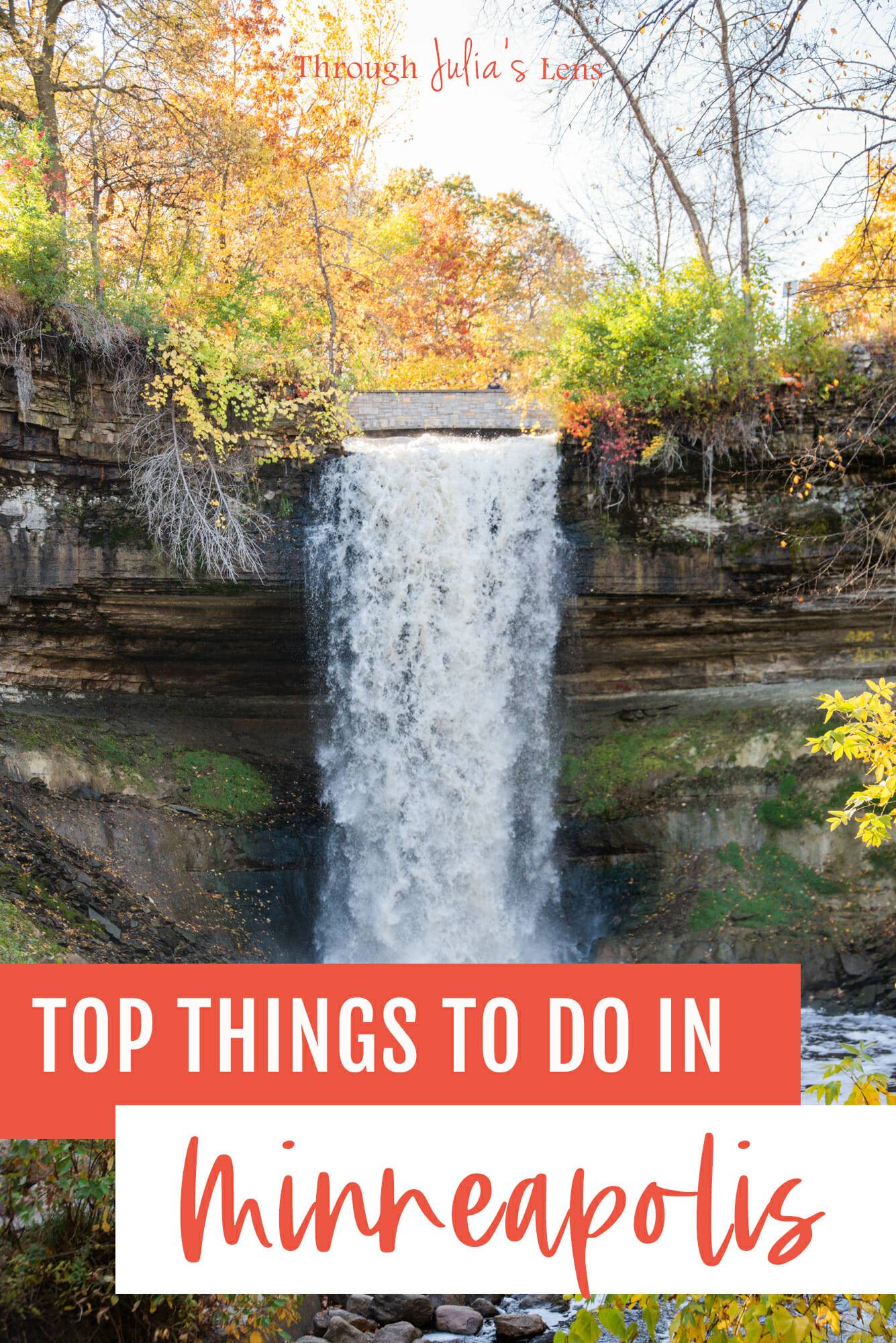
Beyond the Chain of Lakes, Minnehaha Park is a must-visit destination, famous for its stunning Minnehaha Falls. This majestic 53-foot waterfall, immortalized in Henry Wadsworth Longfellow’s poem “The Song of Hiawatha,” is a breathtaking sight year-round. In winter, the falls transform into an ethereal ice sculpture. The park itself is a sprawling oasis with walking trails, picnic areas, and a historic limestone structure, the Minnehaha Depot, offering a glimpse into the area’s past. The Sea Salt Eatery, located within the park, provides a delightful dining experience with views of the falls.
The Stone Arch Bridge: A Historic Landmark
Connecting the downtown area with the St. Anthony Falls district, the Stone Arch Bridge is more than just a way to cross the Mississippi River; it’s a historic landmark offering unparalleled views. Originally built in 1883 as part of the Great Northern Railway, the bridge has been repurposed as a pedestrian and bicycle path. Walking across the Stone Arch Bridge provides a fantastic perspective of the mighty Mississippi River, the impressive St. Anthony Falls, and the Minneapolis skyline. It’s a popular spot for photography, especially during sunrise and sunset, and offers a unique vantage point to appreciate the city’s industrial heritage and natural power.
Architectural Marvels: The Minneapolis Institute of Arts and the Walker Art Center
Minneapolis’s cultural landscape is equally impressive, with world-class institutions showcasing art and history.
The Minneapolis Institute of Arts (MIA): A Treasure Trove of Global Art
The Minneapolis Institute of Arts (often referred to as MIA) is a magnificent museum housing an encyclopedic collection spanning 5,000 years of world art. From ancient artifacts to contemporary masterpieces, the MIA offers a journey through diverse cultures and artistic movements. Its permanent collections include significant works from Africa, Asia, Europe, and the Americas. The museum’s stunning architecture is also noteworthy, with various wings showcasing different artistic periods. Admission to the permanent collections is always free, making it an accessible and enriching experience for all.
The Walker Art Center: Contemporary Art and Sculpture Garden
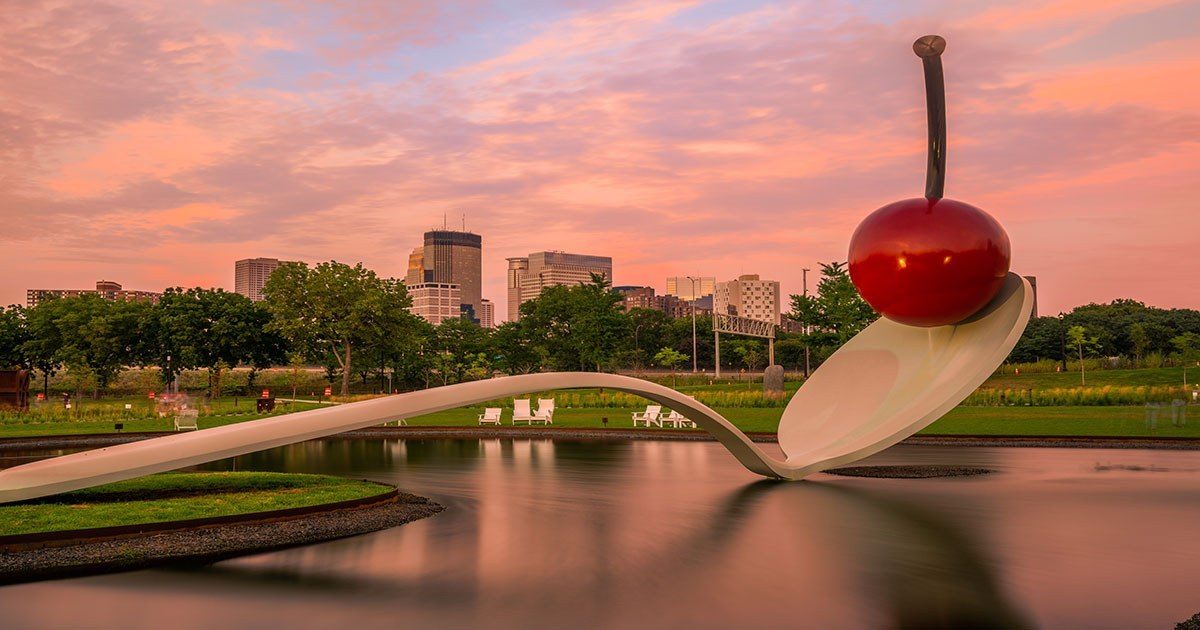
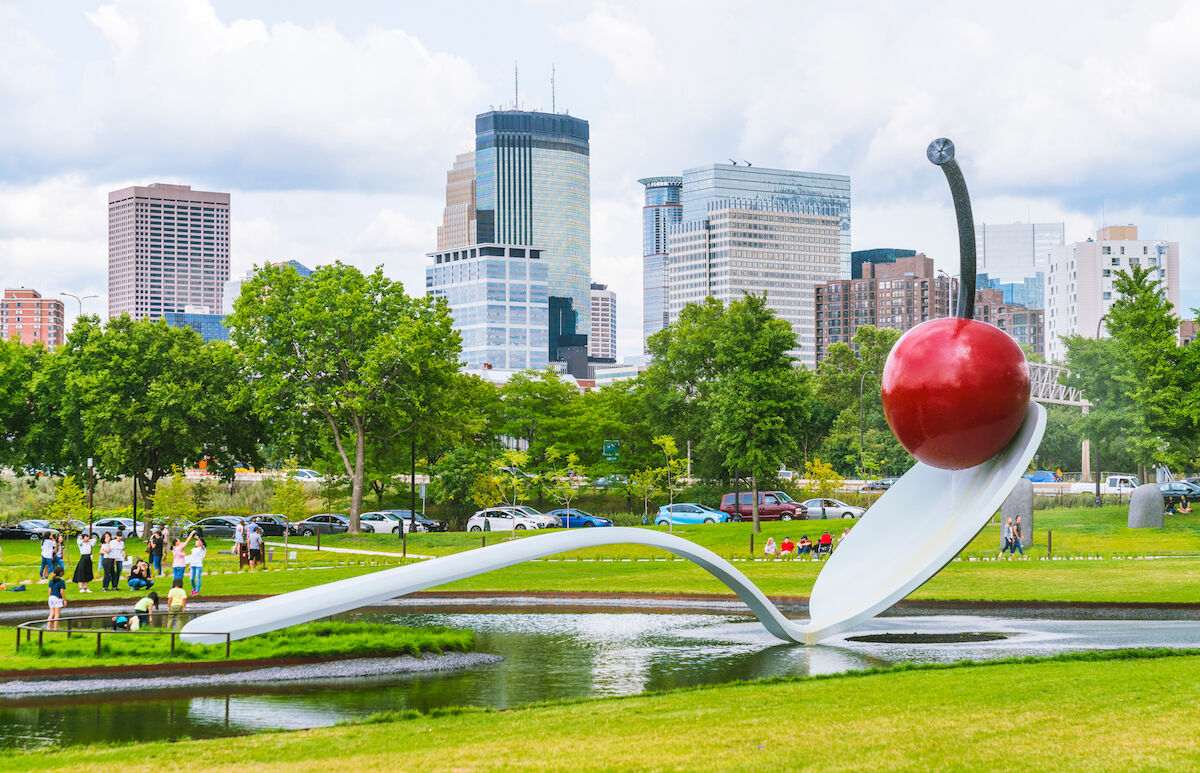
For lovers of contemporary art, the Walker Art Center is an essential stop. This renowned institution is celebrated for its forward-thinking exhibitions and its expansive outdoor Walker Art Center Sculpture Garden. The Sculpture Garden is an iconic Minneapolis attraction, featuring famous pieces like Claes Oldenburg’s “Spoonbridge and Cherry.” Visitors can wander through the gardens, admiring sculptures amidst manicured lawns and thoughtful landscaping. The Walker Art Center itself hosts a dynamic array of temporary exhibitions, performances, and film screenings, making it a vibrant hub of artistic expression.
Experiencing Minneapolis’s Culinary Scene and Vibrant Neighborhoods
Minneapolis is a city that knows how to eat well. Its culinary scene is a dynamic blend of diverse influences, from hearty Midwestern fare to innovative global cuisine. The city’s distinct neighborhoods each offer their own unique flavors and experiences, contributing to the overall charm of Minneapolis.
The North Loop: Trendy Eats and Historic Charm
The North Loop, also known as the Warehouse District, has transformed from its industrial past into one of Minneapolis’s trendiest neighborhoods. This area is brimming with award-winning restaurants, chic bars, and independent boutiques housed in historic brick buildings. Foodies will rejoice at the sheer variety of dining options, from upscale steakhouses to casual eateries serving inventive dishes. The North Loop is also home to several breweries, offering craft beer enthusiasts a chance to sample local brews. The energy of this neighborhood is palpable, making it a popular spot for both locals and visitors looking for a lively evening out.
Uptown: Bohemian Vibes and Lively Atmosphere
Uptown is a neighborhood characterized by its bohemian spirit and energetic atmosphere. It’s a popular destination for shopping, dining, and nightlife, attracting a younger, eclectic crowd. Uptown is home to a variety of restaurants, cafes, and bars, offering a diverse culinary experience. The area surrounding Lake Calhoun (now Bde Maka Ska) and Lake of the Isles is particularly vibrant, with many establishments offering outdoor seating and lake views. The Uptown area also boasts a thriving arts scene, with numerous galleries and performance spaces.
Downtown Minneapolis: Business Hub and Cultural Center
While primarily known as the city’s business and financial district, Downtown Minneapolis also offers a wealth of attractions for visitors. It’s home to major sporting venues like Target Field (home of the Minnesota Twins) and Target Center (home of the Minnesota Timberwolves and Minnesota Lynx). The Skyway System, an enclosed pedestrian walkway network connecting many downtown buildings, is a unique feature of Minneapolis, allowing residents and visitors to navigate the city comfortably, especially during the colder months. Downtown also features numerous theaters, concert halls, and the iconic Orpheum Theatre, hosting Broadway shows and other performances. The Mill City Museum, located in the historic Washburn A Mill on the Mississippi River, provides a fascinating look into Minneapolis’s flour milling past.
Planning Your Minneapolis Adventure: Accommodation and Tips
When planning your trip to Minneapolis, choosing the right accommodation and being aware of local tips can significantly enhance your experience. The city offers a range of lodging options to suit every budget and travel style, from luxurious hotels to comfortable apartment rentals.
Where to Stay: Hotels and Accommodation Options
Minneapolis offers a diverse array of accommodation choices. For those seeking luxury and convenience in the heart of the city, Downtown Minneapolis provides numerous upscale hotels. You’ll find renowned brands such as the Hyatt Regency Minneapolis and the Marriott Minneapolis City Center, offering top-notch amenities and easy access to business districts and cultural attractions.
If you prefer a more vibrant and trendy atmosphere, consider staying in the North Loop or Uptown. The North Loop features boutique hotels and stylish apartment rentals that place you right in the center of its burgeoning culinary and nightlife scene. In Uptown, you’ll find a mix of hotels and unique lodging options that reflect the neighborhood’s artistic and eclectic vibe.
For families or those seeking a more home-like experience, apartment rentals and vacation homes are readily available throughout the city, offering more space and flexibility. Many of these options are located in residential neighborhoods, providing a chance to experience Minneapolis like a local. When booking, be sure to consider the amenities that are important to you, whether it’s a fitness center, on-site dining, or pet-friendly policies. Websites dedicated to accommodation comparison can be incredibly useful in finding the best deals and reviews for your chosen dates.
Essential Minneapolis Travel Tips
To make the most of your visit to Minneapolis, keep these practical tips in mind:
-
Getting Around: Minneapolis has a decent public transportation system, including buses and the METRO Green Line and METRO Blue Line light rail. The METRO Blue Line connects Downtown to the Minneapolis–Saint Paul International Airport (MSP), making it a convenient option for travelers. Many of the central neighborhoods are also very walkable, and biking is a popular way to get around, with extensive bike lanes and rental services available. Rideshare services are also widely accessible.
-
Best Time to Visit: Minneapolis experiences four distinct seasons. Summer (June-August) is warm and vibrant, ideal for enjoying outdoor activities and the Chain of Lakes. Fall (September-October) offers stunning autumn foliage and crisp, pleasant weather. Winter (December-February) is cold and snowy, perfect for winter sports enthusiasts, though outdoor activities can be limited. Spring (March-May) is a transitional period with melting snow and gradually warming temperatures.
-
Embrace the Skyways: Especially if you’re visiting during the colder months, familiarize yourself with the Downtown Minneapolis Skyway System. It’s an enclosed network of pedestrian bridges that connects many buildings, allowing you to travel between offices, shops, and restaurants without braving the elements.
-
Taste the Local Flavors: Don’t leave Minneapolis without trying some of its culinary highlights. From the famous Juicy Lucy cheeseburger to the diverse offerings at the Mill City Farmers Market, explore the local food scene. Minnesota is also known for its wild rice and walleye, so be sure to sample these regional specialties.
-
Check for Events: Minneapolis has a dynamic calendar of events, from music festivals and art fairs to sporting events and theater productions. Checking local event listings before your trip can help you plan your itinerary around exciting happenings.
Minneapolis is a city of contrasts and delightful surprises. It’s a place where nature’s beauty meets urban sophistication, where history is honored, and where a vibrant culture thrives. With its stunning lakes, impressive architecture, world-class arts institutions, and a culinary scene that continues to evolve, Minneapolis offers a truly memorable travel experience. So pack your bags and get ready to discover all that this exceptional Midwestern gem has to offer.
LifeOutOfTheBox is a participant in the Amazon Services LLC Associates Program, an affiliate advertising program designed to provide a means for sites to earn advertising fees by advertising and linking to Amazon.com. Amazon, the Amazon logo, AmazonSupply, and the AmazonSupply logo are trademarks of Amazon.com, Inc. or its affiliates. As an Amazon Associate we earn affiliate commissions from qualifying purchases.