
Aloha! Planning a trip to the beautiful islands of Hawaii is an exciting prospect, filled with visions of sun-drenched beaches, lush rainforests, and vibrant local culture. But as you pack your bags, a crucial question arises: what should you wear to truly embrace the spirit of the islands and be comfortable in every situation? Hawaii’s climate, while consistently warm, can vary subtly between islands and experiences, from a breezy beachfront resort to a cool mountain summit. This guide will help you navigate your wardrobe choices, ensuring you’re perfectly dressed for every Hawaiian adventure, whether you’re exploring the iconic shores of Waikiki Beach on Oahu, hiking through the volcanic landscapes of Hawaii Volcanoes National Park on the Big Island, or enjoying the luxurious amenities of a Maui resort.
Hawaii’s allure lies in its laid-back, aloha spirit, and your clothing should reflect this. The general rule of thumb is to pack light, breathable, and comfortable attire. Think natural fabrics like cotton, linen, and quick-drying synthetics. While some upscale dining establishments and nightlife venues might call for slightly dressier options, the vast majority of your time will be spent in casual, island-appropriate wear. This isn’t the place for heavy jeans, restrictive suits, or overly formal attire. Instead, embrace the relaxed island vibe and prioritize ease and comfort as you immerse yourself in the unique charm of Hawaii.
Embracing Island Style: Casual Comfort and Beach Essentials
The foundation of any Hawaii wardrobe is comfort and practicality, especially when it comes to your daytime activities. Whether you’re lounging by the pool at a Four Seasons Resort Oahu at Ko Olina, strolling through the charming streets of Lahaina on Maui, or exploring the stunning Na Pali Coast on Kauai, casual, breathable clothing will be your best friend.
Everyday Island Wear: Light, Breezy, and Versatile
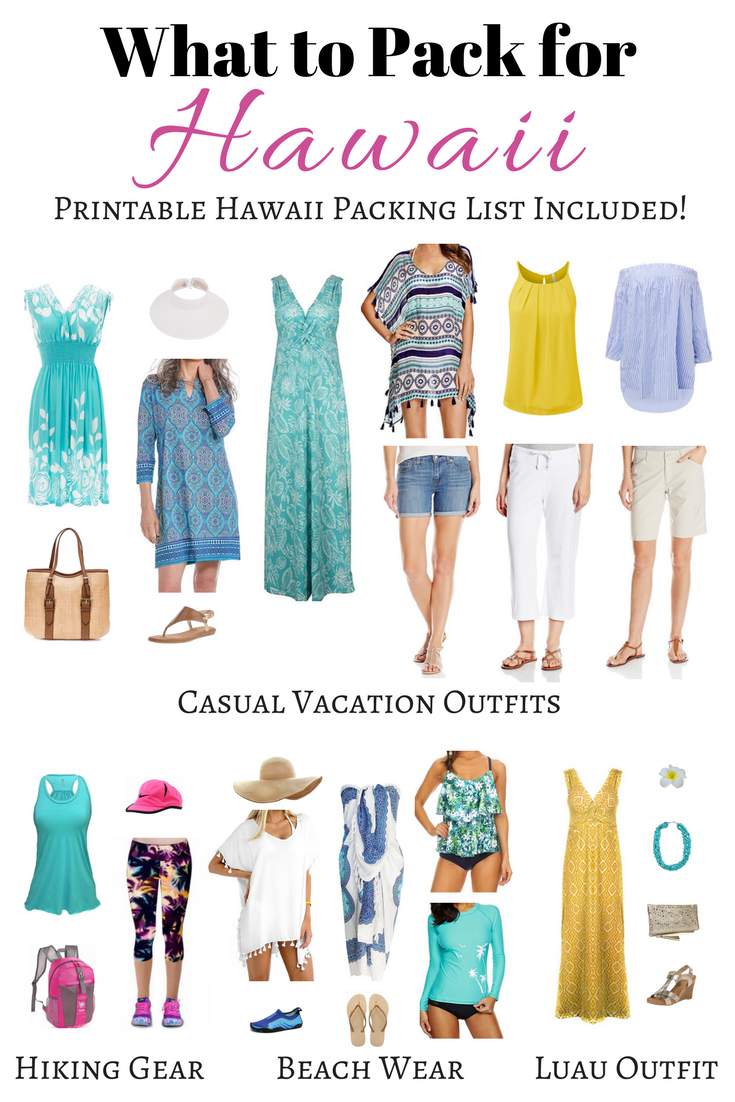
For daily excursions, think light and airy. T-shirts, tank tops, and blouses made from cotton or moisture-wicking fabrics are ideal. These can be paired with a variety of bottoms. Shorts are a staple, with comfortable denim, chino, or athletic shorts being excellent choices. For a slightly more put-together look that’s still casual, capri pants or lightweight trousers made of linen or a cotton blend are fantastic. These are particularly useful for visiting temples, more conservative areas, or for cooler evenings.
When it comes to dresses and skirts, anything that flows and is made of light material will be perfect. Sundresses, maxi dresses, and A-line skirts are not only comfortable but also stylish for exploring local markets, enjoying a casual lunch, or taking a sunset stroll. Look for vibrant prints inspired by the islands or stick to solid, neutral colors for maximum versatility.
Footwear is another crucial consideration for everyday wear. Flip-flops or slippers (as they are commonly called in Hawaii) are ubiquitous and perfect for the beach, pool, and casual strolls. However, for activities like hiking or exploring uneven terrain, more supportive footwear is essential. Comfortable walking shoes, sneakers, or sturdy sandals with good grip are recommended. If you plan on venturing into the rainforests or to the higher elevations of Haleakala National Park, waterproof hiking boots might be necessary. Many visitors also find water shoes useful for rocky shorelines or exploring tide pools.
Beach and Resort Essentials: Sun Protection and Swimwear
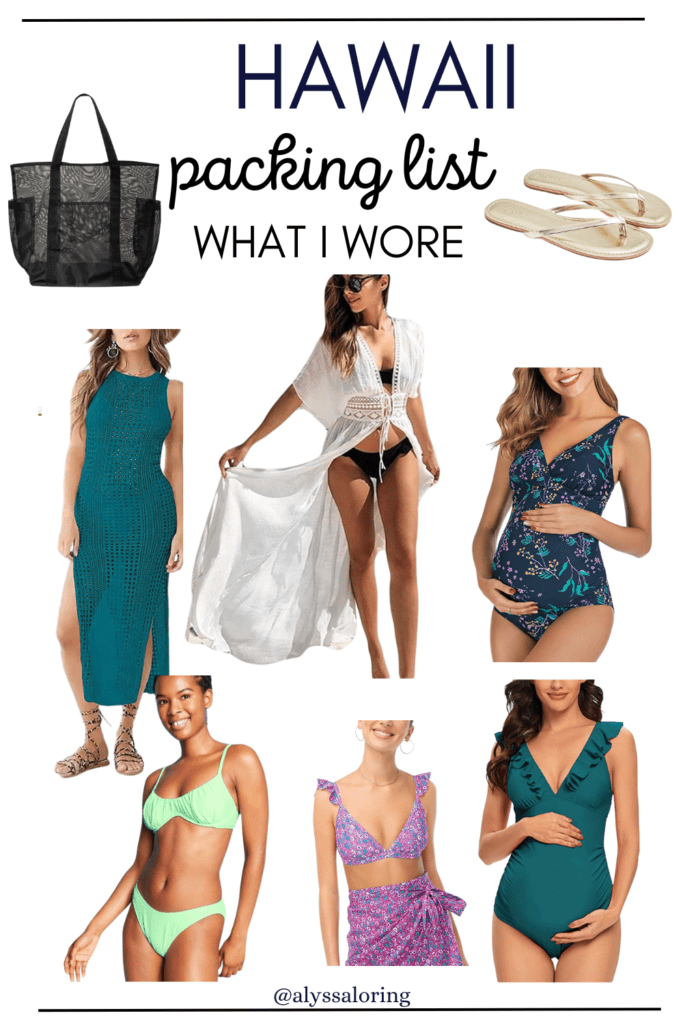
No trip to Hawaii is complete without ample time spent at its world-renowned beaches. Your swimwear should be a priority. Pack a few swimsuits or bikinis so you always have a dry one ready. Consider bringing a rash guard or a swim shirt for added sun protection, especially if you plan on spending long hours in the ocean or engaging in water sports like surfing or paddleboarding.
Beyond swimwear, cover-ups are essential for transitioning from the beach to a beachside café or back to your hotel. Lightweight sarongs, kimonos, or loose-fitting tunics are perfect.
Sun protection is paramount in Hawaii. The sun can be intense, even on cloudy days. Pack a wide-brimmed hat or a baseball cap to shield your face and scalp. High SPF sunscreen (water-resistant is best), sunglasses with UV protection, and a light, long-sleeved shirt or a sarong to cover up when needed are non-negotiable. Remember to reapply sunscreen frequently, especially after swimming or sweating.
For evenings spent at a resort like the Grand Hyatt Kauai Resort & Spa, casual resort wear is perfectly acceptable. Think stylish shorts paired with a polo shirt for men, or a nice sundress for women. Many resorts have a more relaxed dress code, but it’s always a good idea to check their specific policies if you plan on dining at a more upscale restaurant within the property.
Dressing for Occasion: From Casual Dining to Evening Elegance
While Hawaii is synonymous with laid-back living, there are occasions where you might want to elevate your style slightly. This could range from a nice dinner at a farm-to-table restaurant in Kauai to enjoying a sunset cocktail at a chic bar in Honolulu. Understanding the nuances of “resort casual” and what to wear for specific activities will ensure you feel confident and appropriate.
Resort Casual: Smart, Comfortable, and Island-Inspired
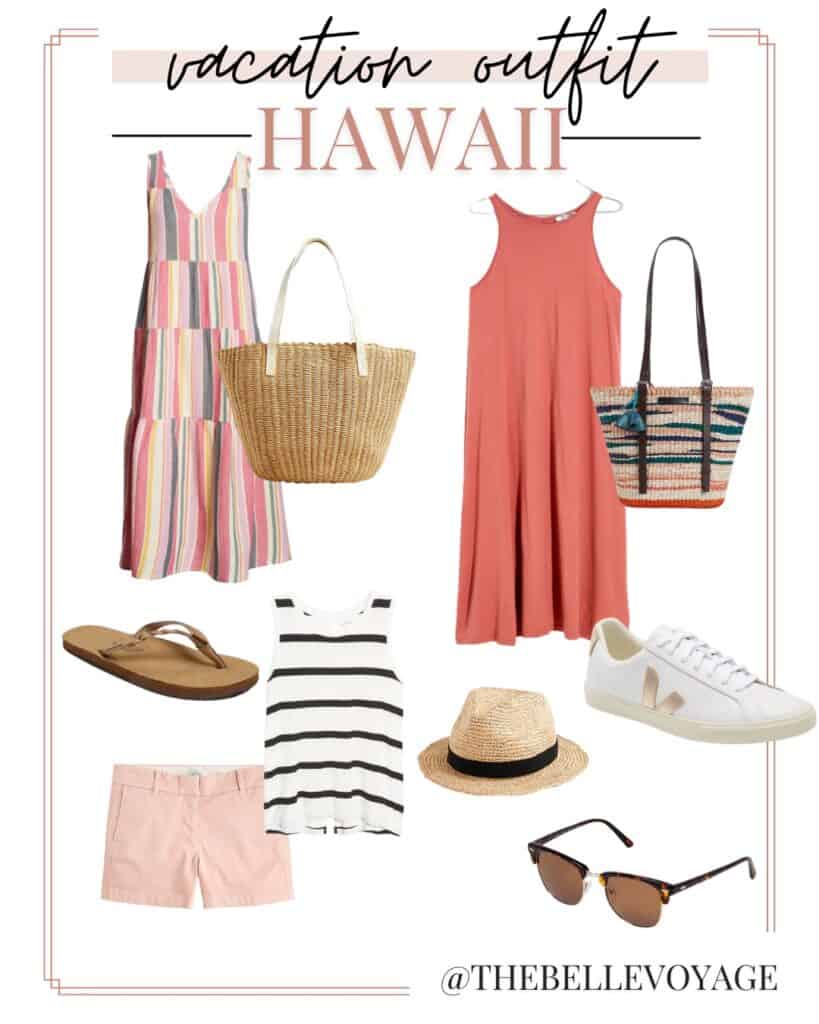
Resort casual is the prevailing dress code for most dining and evening activities in Hawaii. For men, this typically means tailored shorts or chinos paired with a polo shirt, a button-down shirt (linen or cotton are excellent choices), or a nice t-shirt. For women, sundresses, skirts with blouses, or dressy shorts with stylish tops are appropriate. The key is to look neat and put-together without being overly formal.
Many visitors find that the vibrant colors and patterns often associated with Hawaiian shirts and dresses fit perfectly into the resort casual aesthetic. Think floral prints, tropical motifs, and bright, cheerful hues. However, classic solid colors and sophisticated patterns also work well.
When it comes to evening footwear for resort casual, sandals, espadrilles, or stylish flats are generally suitable for women. For men, loafers, boat shoes, or clean, fashionable sneakers are good options. Avoid athletic shoes or worn-out flip-flops for these occasions.
Evening Elegance: When a Touch of Sophistication is Desired
While Hawaii doesn’t demand black-tie events for most travelers, some high-end restaurants, Luaus, or special events might encourage a slightly more polished look. For men, this could translate to dressier trousers (like linen pants or fine cotton chinos) paired with a long-sleeved button-down shirt, perhaps a linen blazer if the evening is cooler, and dressier shoes like loafers or boat shoes. For women, a cocktail dress, a maxi dress in a luxurious fabric, or a stylish skirt and top combination would be appropriate.
When in doubt, it’s always better to be slightly overdressed than underdressed. Many resorts and restaurants on islands like Maui and Oahu offer a spectrum of dining experiences, from casual beachside grills to sophisticated fine dining. Researching the specific venue you plan to visit can help you gauge the expected attire. For instance, a dinner at the Merriman’s Kapalua on Maui might warrant a slightly more refined approach than a casual meal at a food truck in Haleiwa.
Remember, even when dressing up, comfort remains a key consideration. The warm Hawaiian climate means that heavy fabrics or restrictive clothing will quickly become uncomfortable. Opt for breathable materials and styles that allow for ease of movement. Accessorizing with simple jewelry, a nice watch, or a stylish clutch can complete your look without overwhelming it.
Specific Island Considerations and Activity-Based Packing
Beyond general attire, consider the unique characteristics of the islands you’ll be visiting and the specific activities you have planned. Each island offers a distinct experience, and tailoring your packing list accordingly will enhance your comfort and enjoyment.
Varying Climates and Microclimates: From Beaches to Mountains
While Hawaii is known for its tropical warmth, there are variations in temperature and weather patterns. The coastal areas are typically warm and humid year-round, perfect for swimwear and light clothing. However, if you plan to visit higher elevations, such as the summit of Mauna Kea or Haleakala National Park on Maui, temperatures can drop significantly, and it can be quite cold, even windy. For these excursions, it’s essential to pack layers. A fleece jacket, a lightweight windbreaker, or a warm sweater are highly recommended.
Similarly, the windward sides of the islands tend to receive more rain than the leeward sides. If you’re visiting areas like Hilo on the Big Island, known for its frequent rain showers, packing a lightweight, waterproof rain jacket or a poncho is a sensible precaution. Conversely, the leeward sides, like Kona on the Big Island or Wailea on Maui, are generally drier and sunnier.
The type of activities you plan will also influence your clothing choices. Hiking through the lush trails of the Waimea Canyon on Kauai will require sturdy hiking boots, moisture-wicking socks, and comfortable activewear. Kayaking or snorkeling might necessitate quick-drying shorts and rash guards. Even exploring historical sites like Pearl Harbor on Oahu or the Pu’uhonua o Honaunau National Historical Park on the Big Island benefits from comfortable walking shoes and sun protection.
Packing Smart: Essentials for Every Traveler
Regardless of the specific island or activities, there are a few essentials that every traveler to Hawaii should consider:
- A Reusable Water Bottle: Staying hydrated is crucial in the tropical heat. A reusable bottle is eco-friendly and will save you money.
- A Daypack or Backpack: Perfect for carrying your water, sunscreen, a light jacket, snacks, and any souvenirs you might pick up during the day.
- Insect Repellent: Especially important if you plan on exploring rainforests or spending time outdoors in the evenings.
- A Small First-Aid Kit: For minor cuts, scrapes, or insect bites.
- A Dry Bag: If you plan on water activities, a dry bag will keep your electronics and valuables safe and dry.
- Camera and Chargers: To capture all the beautiful memories.
- Copies of Important Documents: Passports, driver’s licenses, and hotel reservations.
By considering these factors and packing thoughtfully, you’ll be well-prepared to enjoy all that Hawaii has to offer, from its breathtaking natural beauty to its rich cultural experiences. Embrace the spirit of Aloha, pack light and smart, and get ready for an unforgettable island getaway.