
Stepping onto the shores of Hawaii is like entering a vibrant, sun-drenched dream. With its breathtaking landscapes, from pristine beaches and lush rainforests to towering volcanic peaks, the archipelago offers an unparalleled blend of adventure, relaxation, and rich cultural experiences. But before you dive into the crystal-clear waters or embark on a thrilling hike, a crucial question arises: what should you pack? Deciphering the ideal wardrobe for a Hawaiian getaway isn’t just about fashion; it’s about comfort, practicality, and respecting the islands’ unique climate and local customs. This comprehensive guide will navigate you through everything you need to know about dressing for your dream vacation in this Pacific paradise, ensuring you’re perfectly equipped for every moment, whether you’re exploring ancient landmarks, unwinding at a luxury resort, or savoring local cuisine.

Understanding Hawaii’s Climate and Terrain
The key to smart packing for Hawaii lies in understanding its diverse climate and varied terrain. While often generalized as a tropical paradise, each island, and even different parts of the same island, can present distinct weather patterns and environmental conditions.
Tropical Paradise: Weather Across the Islands
Hawaii enjoys a remarkably consistent tropical climate year-round, characterized by warm temperatures, gentle trade winds, and high humidity. Average daytime temperatures typically hover between 75°F (24°C) and 85°F (29°C), with evenings cooling slightly to the mid-60s to low 70s (18-23°C). However, the term “average” can be misleading. The islands are renowned for their microclimates, where conditions can shift dramatically within short distances. For instance, the leeward (west and south) sides of islands like Maui and Oahu, including popular areas like Waikiki and Kaanapali, tend to be drier and sunnier. Conversely, the windward (east and north) sides, such as the Hilo district on the Big Island or parts of Kauai, often experience more frequent rain showers, contributing to their lush, verdant landscapes.

Elevation also plays a significant role. Ascending to higher altitudes, such as the summit of Haleakala National Park on Maui or Mauna Kea on the Big Island, temperatures can drop dramatically, sometimes reaching near-freezing levels, especially at night or early morning for stargazing or sunrise viewing. Even relatively moderate hikes up landmarks like Diamond Head on Oahu can feel much warmer due to sun exposure and exertion. Therefore, packing layers is not just a suggestion but a necessity for truly experiencing the diverse climatic tapestry of this United States state. Expect occasional, brief tropical downpours, especially during the wetter season (roughly November to March), but these are usually short-lived and often followed by glorious sunshine.
Activities and Environments: From Beaches to Volcanoes
Your Hawaiian itinerary will largely dictate your packing list. Are you planning a serene beach vacation, focused on swimming, sunbathing, and snorkeling along the shores of Waikiki or Kaanapali? Or are you an intrepid explorer, keen to hike through the jungles of the Na Pali Coast on Kauai, witness the volcanic activity at Hawaii Volcanoes National Park on the Big Island, or explore historic sites like Pearl Harbor in Honolulu?
Each activity demands specific attire. Beach days call for swimwear and light cover-ups. Hiking adventures require sturdy shoes and moisture-wicking fabrics. Exploring cultural attractions like the Polynesian Cultural Center might warrant slightly more modest clothing out of respect. Dining out, especially at upscale restaurants in Honolulu or resort areas, will require something a bit more polished than your daytime beachwear. Consider the mix of experiences you aim for and pack versatile items that can transition easily between different settings, from casual daytime explorations to elegant evening affairs.
Essential Wardrobe for Your Hawaiian Adventure
Curating your Hawaiian wardrobe is about finding the perfect balance between comfort, style, and practicality. The goal is to feel relaxed and look appropriate, whether you’re catching waves or enjoying a sunset dinner.
Daytime Comfort and Style
For the majority of your time in Hawaii, especially during daylight hours, lightweight, breathable fabrics are your best friends. Think linen, cotton, rayon, and quick-drying synthetics. These materials will help you stay cool and comfortable in the warm, humid climate.
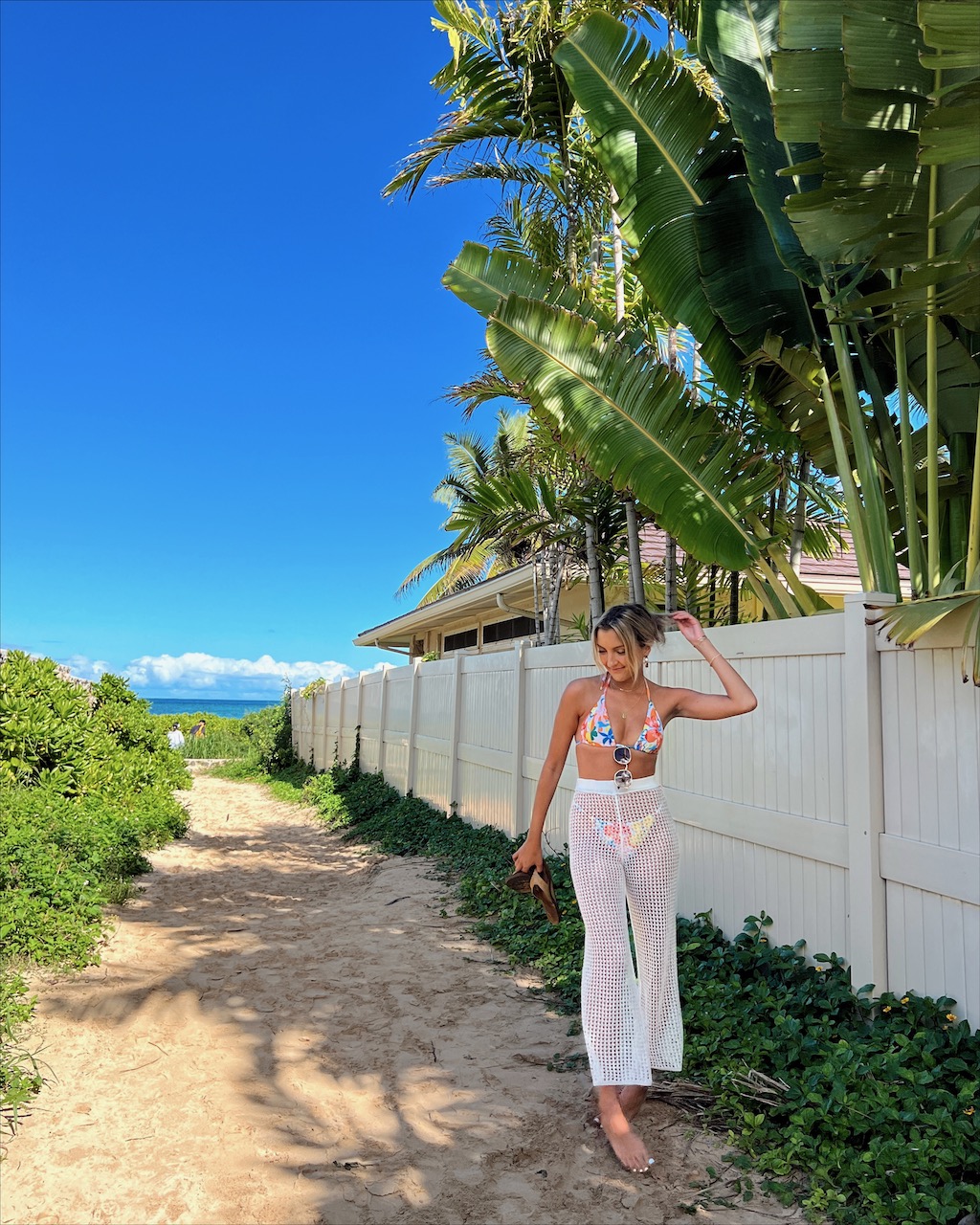
- Swimwear: This is arguably the most important item. Pack at least two swimsuits so you always have a dry one. Board shorts for men and bikinis or one-pieces for women are standard. Consider a rash guard for extended time in the sun or for water sports like surfing and snorkeling, offering excellent UV protection.
- Cover-ups: Essential for transitioning from the beach or pool to a casual lunch or stroll. Sarongs, flowy dresses, kaftans, or light linen shirts work perfectly.
- Bottoms: Shorts made from cotton, linen, or denim are ideal for both men and women. For something slightly dressier but still comfortable, consider capris, lightweight skirts, or casual chino shorts.
- Tops: T-shirts, tank tops, and lightweight blouses in breathable fabrics are staples. Opt for light colors to reflect the sun’s rays.
- Sundresses: For women, a collection of sundresses offers an effortless blend of comfort and style, perfect for everything from sightseeing in Lahaina to a casual meal in Kailua-Kona.
- Footwear:
- Flip-flops/Sandals: Your primary footwear. Comfortable and easy to slip on and off for beach trips, poolside relaxation, and casual outings.
- Water Shoes: Invaluable for rocky beaches, tide pooling, or exploring waterfalls, providing grip and protecting your feet from sharp coral or stones.
- Comfortable Walking Shoes: For urban explorations, shopping, or light walks. Sneakers or comfortable espadrilles are good choices.
Remember to pack a wide-brimmed hat and sunglasses for sun protection, and always apply reef-safe sunscreen to protect both your skin and Hawaii’s delicate marine ecosystems.
Evening Elegance and Resort Wear
Evenings in Hawaii offer opportunities for slightly dressier attire, especially if you plan to enjoy fine dining, attend a luau, or explore the vibrant nightlife of places like Honolulu. While “formal” attire is rarely required, a step up from daytime casual is generally appreciated.
- For Women: Flowy maxi dresses, stylish midi skirts paired with elegant tops, or dressy jumpsuits are perfect. Materials like silk, chiffon, or dressier cotton blends work well. A light shawl or cardigan is advisable as restaurants and indoor venues often have strong air conditioning, and coastal breezes can make evenings feel cooler.
- For Men: Collared shirts (short-sleeved or long-sleeved linen shirts are excellent choices), smart polos, or lightweight button-downs are appropriate. Pair them with nice shorts (not board shorts), linen pants, or khakis. A light blazer can be added for a very upscale establishment, though it’s rarely necessary.
- Footwear: Dressy sandals, wedges, or espadrilles for women; closed-toe shoes like loafers or boat shoes for men.
Many resorts and hotels offer exquisite dining experiences, and while dress codes are typically “resort casual,” a touch of elegance enhances the experience. The “Aloha wear” style, featuring vibrant patterns and comfortable cuts, is also perfectly acceptable and often encouraged, reflecting the local culture.
Adventure and Activity-Specific Gear
For those seeking adventure beyond the beach, specific gear will be crucial for comfort and safety.
- Hiking Gear: If you plan on tackling trails like Diamond Head, the trails of Hawaii Volcanoes National Park, or the rainforests of Kauai, sturdy, broken-in hiking shoes or boots with good ankle support and grip are indispensable. Lightweight, moisture-wicking athletic wear (shorts, leggings, quick-dry tops) will keep you comfortable.
- Rain Protection: A lightweight, packable rain jacket or poncho is a must-have, especially if visiting the wetter, windward sides of the islands or during the rainy season. Brief tropical showers can appear out of nowhere.
- Swim Shirts/Rash Guards: Beyond sun protection, these are excellent for snorkeling, paddleboarding, or surfing, providing warmth in slightly cooler waters and preventing chafing.
- Layering for Elevation: As mentioned, if you’re venturing to higher elevations like Haleakala National Park for sunrise, pack warm layers, including a fleece jacket, long pants, and possibly even a hat and gloves, as temperatures can drop significantly.
- Backpack/Daypack: A small, comfortable backpack is essential for carrying water, snacks, sunscreen, camera, and extra layers during day trips and hikes.
Cultural Nuances and Packing Smart
Beyond the practicalities of weather and activities, understanding Hawaii’s unique cultural fabric will guide respectful and intelligent packing choices.
Respecting Local Culture and Etiquette
Hawaii is a place deeply rooted in indigenous culture and traditions. While it’s a popular tourist destination, demonstrating respect for local customs is paramount. When visiting sacred sites, local churches, or more traditional communities, opting for slightly more modest attire (shoulders and knees covered) is a thoughtful gesture. While beachwear is perfectly acceptable on the beach, avoid wearing skimpy swimsuits or overly revealing clothing in towns, shops, or restaurants.
The “Aloha wear” style is a testament to Hawaii’s relaxed yet dignified approach to fashion. For men, this means colorful, patterned button-down shirts; for women, vibrant floral dresses or muumuus. Embracing this style is not only comfortable and appropriate but also a way to immerse yourself in the local spirit. Many locals wear Aloha wear for business and formal events, so don’t hesitate to incorporate it into your wardrobe for nice evenings out.
Smart Packing Strategies
Given the diverse needs of a Hawaiian vacation, efficient packing is key.
- Layering is Essential: Pack items that can be easily layered. A tank top under a linen shirt, paired with shorts and a light jacket, can take you from a warm beach morning to a cooler evening dinner without completely changing your outfit.
- Versatility: Choose items that can serve multiple purposes. A sarong can be a beach cover-up, a skirt, or even a towel. A nice sundress can be dressed up or down with accessories.
- Mix and Match: Stick to a color palette that allows you to mix and match different tops and bottoms, maximizing your outfit options with fewer pieces.
- Roll, Don’t Fold: Rolling clothes often saves space and minimizes wrinkles, especially for lightweight fabrics.
- Essential List: Beyond clothing, remember important documents, medications, chargers, and any personal care items. Don’t forget an empty reusable water bottle to fill up and stay hydrated throughout your adventures, especially if you’re staying at a resort or apartment that offers filtered water access. Consider a small, collapsible bag for souvenirs or overflow from your luggage.
- Luggage Considerations: Check your airline’s luggage restrictions, especially for inter-island flights, which may have stricter weight or size limits. Opt for lightweight luggage to maximize what you can pack.
Beyond the Clothes: Accessories and Extras
While clothing forms the backbone of your packing list, a few additional items are crucial for enhancing your comfort, safety, and overall experience in Hawaii.
Sun Protection Essentials
The Hawaiian sun, while glorious, can be incredibly intense. Protecting your skin and eyes is paramount.
- Reef-Safe Sunscreen: This cannot be stressed enough. Hawaii has banned sunscreens containing oxybenzone and octinoxate due to their harmful impact on coral reefs. Ensure your sunscreen is mineral-based (zinc oxide and/or titanium dioxide) to protect both yourself and the delicate marine ecosystem.
- Wide-Brimmed Hat: Provides excellent protection for your face, ears, and neck.
- Sunglasses: Essential for protecting your eyes from harsh UV rays and reducing glare, particularly around water.
- Lip Balm with SPF: Your lips are also susceptible to sunburn.
Practical Additions
These small but mighty items can significantly improve your trip.
- Reusable Water Bottle: Staying hydrated is crucial in the tropical heat. Carry a reusable bottle and refill it frequently. Many hotels and attractions offer water stations.
- Daypack/Beach Bag: A sturdy, comfortable daypack for hiking and sightseeing, and a large, waterproof (or water-resistant) beach bag for your towel, sunscreen, books, and snacks.
- Insect Repellent: While not always necessary, especially in resort areas, bug spray can be invaluable if you plan to explore rainforests, hike in humid areas, or visit during dawn/dusk, when mosquitoes can be more prevalent.
- First-Aid Kit: A small kit with band-aids, antiseptic wipes, pain relievers, and any personal medications is always a good idea for minor scrapes or discomforts.
- Chargers and Adapters: Don’t forget chargers for all your electronics. While Hawaii is part of the United States, if you’re traveling internationally, remember your universal travel adapter.
- Underwater Camera/Phone Pouch: To capture those stunning snorkeling moments or protect your phone at the beach.
Packing for Hawaii is an exciting part of the travel preparation, a tangible step towards your dream vacation. By focusing on comfort, versatility, sun protection, and a respectful nod to the local culture, you’ll be well-prepared for every adventure that awaits. From the bustling streets of Honolulu to the serene beaches of Molokai or Lanai, your thoughtful wardrobe will allow you to fully immerse yourself in the magic of the islands, making memories that will last a lifetime.