
Navigating the vibrant and sprawling metropolis of Chicago can be an exciting adventure, whether you’re a seasoned traveler or a first-time visitor. Amidst the iconic skyscrapers, world-class museums, and diverse culinary scene, understanding your location within the city’s administrative divisions can enhance your experience. For those seeking to pinpoint their exact whereabouts or simply curious about the city’s organizational structure, understanding the concept of Chicago’s wards is key. This guide will demystify what a ward is, how they function, and most importantly, how you can determine which ward you are currently in, offering a deeper appreciation for the city’s layout and governance.
Understanding Chicago’s Ward System
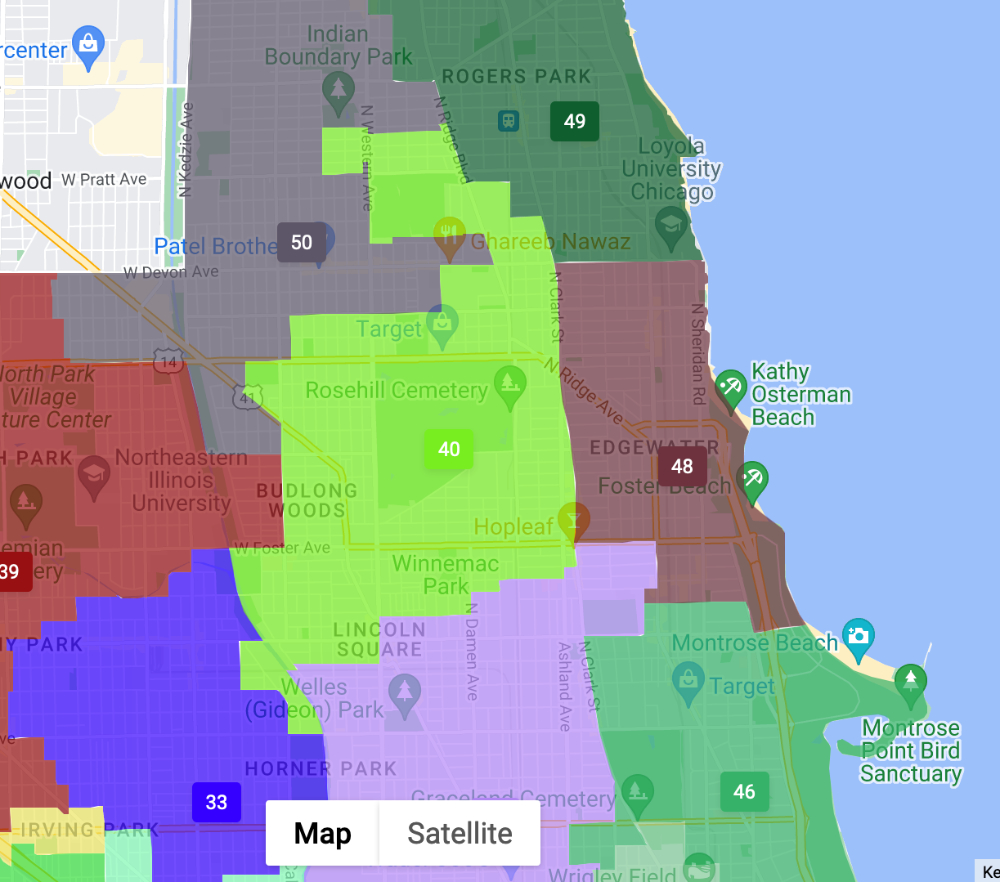
Chicago, like many major cities, is divided into administrative districts to facilitate local governance and representation. These districts are known as wards. Each ward is a geographic area represented by an elected official called a Chicago Alderman, who serves on the Chicago City Council. The city is divided into 50 wards, ensuring that each resident has direct representation and a voice in local decision-making. This system is fundamental to how Chicago operates, from zoning and public services to local development projects.
The Purpose and Function of Wards
The primary purpose of Chicago’s ward system is to provide equitable representation for its residents. With 50 wards, each alderman represents a segment of the city’s population, typically around 50,000 people, though these numbers can fluctuate. This localized approach allows aldermen to be more attuned to the specific needs and concerns of their constituents. They are responsible for addressing issues ranging from potholes and street lighting to more significant matters like new business permits and community development initiatives within their ward.
Aldermen play a crucial role in the legislative process of the city. They introduce ordinances, vote on city-wide proposals, and chair various committees within the City Council. Their decisions directly impact the quality of life for residents in their respective wards. For instance, an alderman might advocate for improved public transportation routes, the development of new parks, or the implementation of specific crime prevention strategies within their district. The ward system fosters a sense of community accountability, as aldermen are directly elected by and answerable to the people living within their ward boundaries.
Historical Context of Chicago’s Wards
The ward system in Chicago has evolved over time, reflecting the city’s growth and changing demographics. Originally, wards were established based on population, aiming to ensure fair representation. As the city expanded and its population shifted, ward boundaries have been redrawn periodically through a process called redistricting. This process ensures that each ward remains roughly equal in population, a constitutional requirement. Redistricting is a significant political event, as it can influence the balance of power on the City Council and affect community representation. Understanding this historical context helps to appreciate the dynamic nature of the city’s administrative divisions and how they have adapted to serve a growing and diversifying population.
Identifying Your Chicago Ward
Determining your specific ward in Chicago is a straightforward process, thanks to readily available online tools and resources. Whether you’re trying to contact your alderman about a local issue, understand a specific neighborhood’s governance, or simply satisfy your curiosity, knowing your ward is essential. The most efficient method involves using the official resources provided by the City of Chicago.
Online Tools for Ward Identification
The City of Chicago offers a user-friendly online portal that allows residents and visitors to easily identify their ward. By entering a street address, you can instantly find out which ward the address falls within. This tool is invaluable for anyone seeking to engage with their local government or understand neighborhood-specific services. You can typically find this feature on the official website of the Chicago City Clerk or the Chicago Board of Elections. These platforms are designed for public access and are regularly updated to reflect any boundary changes.
Beyond ward identification, these online tools often provide additional useful information. Once you know your ward, you can typically access the contact details for your specific alderman, view information about upcoming community meetings, or find out about local initiatives being undertaken in your area. This empowers residents to become more actively involved in their communities and to leverage their alderman as a resource for addressing local concerns.

Utilizing Your Address for Ward Discovery
The most direct way to identify your ward is by using your current street address. Chicago addresses are precisely mapped, and the city’s administrative divisions are layered upon these geographical coordinates. When you input your address into the designated online lookup tool, the system cross-references your location with the official ward maps. This ensures accuracy and provides you with the definitive answer to “What ward am I in?”
For example, if you are staying at a hotel like the Palmer House a Hilton Hotel or exploring the Magnificent Mile, using the address of your hotel or a landmark will tell you which ward that specific location resides in. This can be particularly helpful for tourists who might be staying in a particular hotel and want to understand the local governance of that area, or perhaps are interested in local attractions within a specific ward.
Alternative Methods and Resources
While online tools are the most efficient, there can be other ways to find out your ward. In some cases, local community organizations or neighborhood associations may have information readily available. Property tax bills or voter registration information might also contain clues, although these are less direct. For new residents or those unfamiliar with the city’s online resources, asking a neighbor or contacting the Chicago City Hall directly are also viable options, though they may require more time and effort than a simple online lookup. The Chicago Public Library system can also be a valuable resource, with knowledgeable staff who can often guide you to the right information.
Navigating Chicago: Wards and Your Experiences
Understanding which ward you are in can enrich your Chicago experience in several ways, from planning your itinerary to engaging with local culture and services. This knowledge can help you better appreciate the nuances of different neighborhoods and the localized governance that shapes them.
Wards and Neighborhood Exploration
Chicago is a city of diverse neighborhoods, each with its unique character, history, and offerings. From the bustling streets of the Loop to the artistic enclaves of Wicker Park and the lakefront charm of Lincoln Park, each area often falls within one or more wards. Knowing the ward can give you a more granular understanding of the local governance that impacts these areas. For example, a ward might be known for its thriving restaurant scene, perhaps supported by an alderman who champions local businesses. Conversely, another ward might be prioritizing green space development, leading to more parks and recreational areas.
When you’re exploring attractions like Millennium Park or visiting the Art Institute of Chicago, knowing the ward can add another layer to your understanding. You might discover that your favorite coffee shop or a local festival is a product of initiatives championed by your ward’s representative. This localized perspective can transform a typical tourist experience into a more informed and engaging exploration of Chicago’s multifaceted identity.
Wards, Tourism, and Local Insights
For travelers, understanding the ward system can offer a unique lens through which to view Chicago. While major landmarks like the Willis Tower or the Navy Pier are often city-wide attractions, the day-to-day management and enhancement of surrounding areas are influenced by ward-level decisions. This can translate into practical insights for tourists. For instance, if you are staying in a hotel in a particular ward, understanding that ward’s focus might give you clues about local safety initiatives, the types of community events likely to be held, or the general vibe of the immediate surroundings.
Furthermore, knowing your ward can be a starting point for discovering more local, off-the-beaten-path experiences. Aldermen often promote local businesses, cultural events, and community-specific attractions that might not be widely advertised to general tourists. By identifying with a specific ward, you can tap into these localized recommendations and discover the authentic pulse of Chicago beyond the well-trodden paths. This could lead you to a beloved neighborhood restaurant, a charming independent bookstore, or a lively local park that truly embodies the spirit of that part of the city.

Practical Implications for Residents and Visitors
For residents, knowing your ward is crucial for civic engagement. It allows you to directly contact your alderman with concerns about public services, local development, or any issues affecting your neighborhood. This is fundamental to participating in the democratic process of Chicago. For visitors, while not as critical for day-to-day navigation, it can still provide a richer context. If you’re planning a longer stay, perhaps in a vacation apartment or considering a business trip that involves extended accommodation, understanding the ward can offer insights into local amenities, community dynamics, and even the specific types of local businesses that thrive in that area. It’s another piece of the puzzle that helps you understand and appreciate the intricate tapestry of this great city.
LifeOutOfTheBox is a participant in the Amazon Services LLC Associates Program, an affiliate advertising program designed to provide a means for sites to earn advertising fees by advertising and linking to Amazon.com. Amazon, the Amazon logo, AmazonSupply, and the AmazonSupply logo are trademarks of Amazon.com, Inc. or its affiliates. As an Amazon Associate we earn affiliate commissions from qualifying purchases.