
Chicago, Illinois, often hailed as one of the United States’ most vibrant and diverse cities, is a sprawling metropolis brimming with iconic landmarks, world-class dining, and distinct neighborhoods. For both long-time residents and newcomers, understanding the city’s ward system is far more than just a matter of civic duty; it’s a crucial aspect of engaging with local governance, identifying community resources, and even enriching your travel and lifestyle experiences within the Windy City. Whether you’re a prospective resident seeking accommodation, a visitor planning an immersive tourism itinerary, or simply a curious inhabitant, knowing “What ward do I live in Chicago, IL?” unlocks a deeper connection to your surroundings.

This comprehensive guide will demystify Chicago’s ward system, provide practical methods for identifying your specific ward, and illustrate how this seemingly administrative detail can profoundly impact your experience of living, working, and exploring everything Chicago has to offer. From the bustling streets of the Loop to the historic boulevards of Bronzeville and the artistic enclaves of Pilsen, each of Chicago’s 50 wards possesses its own unique character, community services, and local attractions that shape the daily lives of its residents and the experiences of its visitors.
Understanding Chicago’s Ward System: A Guide for Residents and Visitors
The ward system in Chicago is fundamental to its municipal government and urban organization. The city is divided into 50 distinct geographical areas, each represented by an alderperson elected by the ward’s residents. These alderpersons serve on the Chicago City Council, acting as the primary voice for their constituents, addressing local concerns, and influencing city-wide policies. While the concept might seem purely political, its implications stretch far beyond the ballot box, touching upon everything from local services to community planning and neighborhood identity.
Why Your Ward Matters: Beyond Just an Address
For residents, knowing your ward is paramount for several reasons. It determines who your alderperson is, providing you with a direct line to your local representative for issues ranging from zoning changes and public safety to park improvements and sanitation services. Your ward affiliation can also influence access to specific city programs, community grants, and neighborhood-specific initiatives. Beyond governance, wards often serve as anchors for community identity. People often identify strongly with their neighborhood, and these neighborhoods typically fall within a specific ward, fostering a sense of belonging and shared local interests. Community meetings, local events, and neighborhood associations are often organized along ward lines, providing residents with opportunities to engage and shape their immediate environment.
For visitors and those considering a move, understanding the ward system can be incredibly insightful for planning your stay or choosing a future home. Different wards are known for different atmospheres, culinary scenes, and types of attractions. For example, some wards encompass major tourism hubs with high concentrations of hotels and landmarks, while others offer a more residential, family-friendly vibe with local parks and quaint shops. Knowing which ward an area belongs to can help you navigate the city more effectively, uncover hidden gems, and select accommodation that aligns with your preferred lifestyle and travel goals. It can inform decisions about proximity to public transit, the availability of certain types of restaurants, or access to specific cultural institutions.
Practical Steps to Discover Your Chicago Ward
Determining your ward in Chicago is a straightforward process, thanks to readily available online resources and official city tools. Whether you’re a long-term resident or just curious about a specific address, these methods will quickly provide you with the information you need.
Online Tools and Official Resources
The most efficient way to find your ward is by utilizing the city’s official online resources. The City of Chicago website offers a user-friendly Ward and Alderperson search tool. Typically, you can enter your address, and the system will immediately display your ward number and the name of your current alderperson. This tool is frequently updated to reflect any boundary changes that occur after redistricting, ensuring you always have the most current information. Similarly, the Chicago Board of Election Commissioners website also provides a comprehensive voter information tool where, by entering your address, you can not only find your ward but also your precinct, polling place, and elected officials. These platforms are invaluable for residents looking to stay informed about local governance and participate in elections.
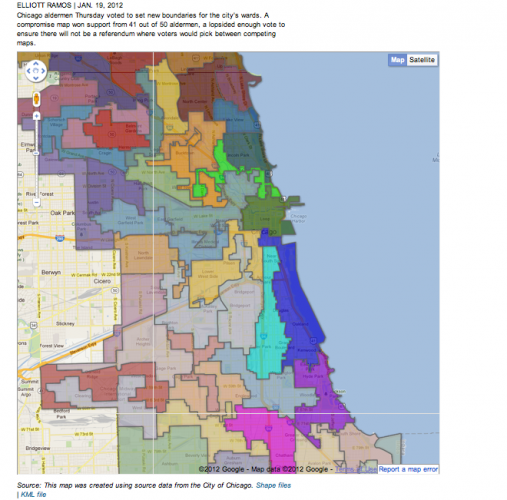
For a broader geographical context, mapping services like Google Maps can also provide a visual overview of ward boundaries, though they might not always offer the precise address-specific lookup that official city sites do. However, they can be helpful for understanding the general layout and how different neighborhoods fit into the ward structure. Remember that ward boundaries can be quite intricate, often weaving through streets and sometimes even splitting blocks, so relying on official sources for precise information is always recommended.
Understanding Your Property Deed and Voter Information
Beyond online searches, official documents related to your residency also contain ward information. If you own property in Chicago, your property deed or property tax bills issued by Cook County will typically list your ward number. This information is legally recorded and serves as a definitive reference for your civic jurisdiction.
For registered voters, your voter registration card or any election-related mail from the Chicago Board of Election Commissioners or the Cook County Clerk’s Office will explicitly state your ward and precinct number. This is a critical piece of information for exercising your right to vote and understanding which local elections apply to you. If you’ve recently moved or haven’t updated your voter registration, it’s a good idea to check these documents or use the online tools to ensure your information is current, especially since ward boundaries can occasionally shift due to redistricting efforts. Keeping this information handy not only helps you determine your alderperson but also connects you to the specific electoral processes that shape your local community.
Exploring Chicago’s Diverse Wards: A Mosaic of Neighborhoods and Experiences
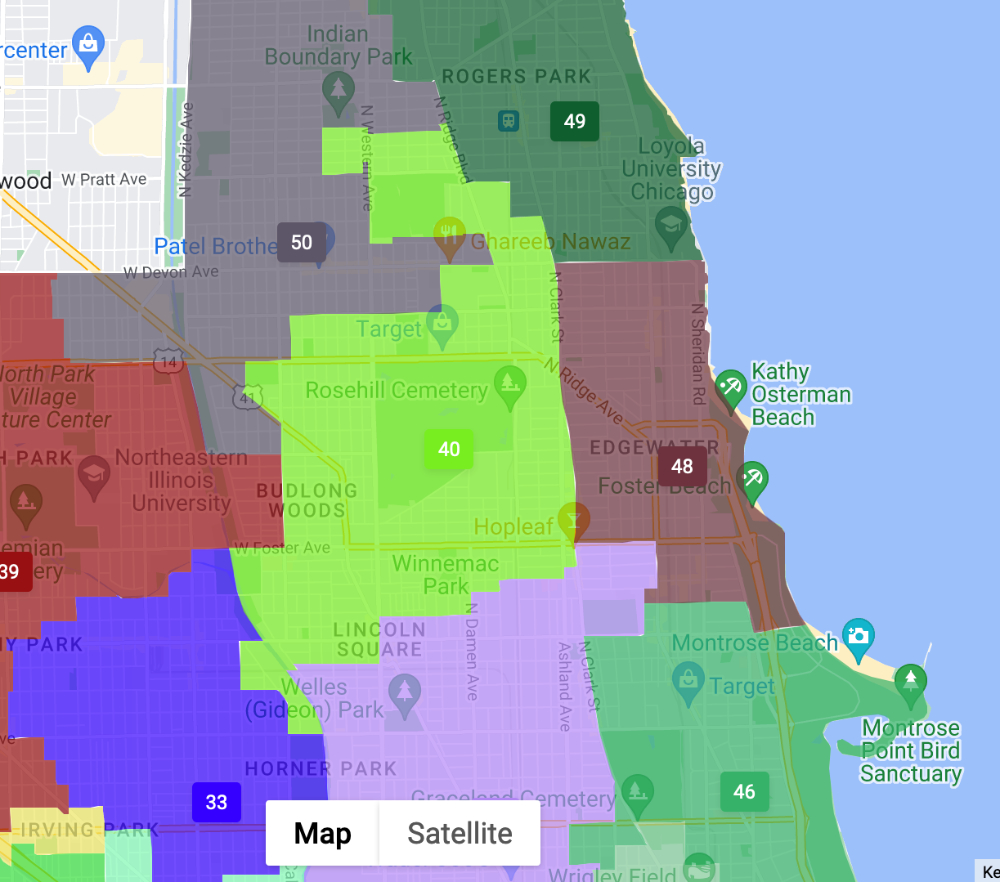
Chicago’s 50 wards are far from uniform; they are vibrant, distinct entities, each contributing to the city’s rich tapestry of cultures, histories, and economic engines. Exploring Chicago through the lens of its wards reveals a fascinating mosaic of experiences waiting to be discovered, whether you’re planning a vacation or seeking a new place to call home.
Ward-Specific Attractions and Landmarks
Many of Chicago’s most renowned attractions and landmarks are concentrated within specific wards, defining their character and drawing visitors from around the globe. For example, the wards encompassing the downtown Loop and Near North Side are home to world-famous sites like Millennium Park (with its iconic “Bean” sculpture), the Art Institute of Chicago, the Magnificent Mile, and architectural marvels like the Willis Tower (Skydeck Chicago) and 875 North Michigan Avenue (formerly John Hancock Center). These wards buzz with activity, offering luxury hotels, high-end shopping, and diverse culinary experiences.
Venturing south, wards around the Museum Campus feature the Field Museum, Shedd Aquarium, and Adler Planetarium, offering educational and engaging experiences for families and enthusiasts. Further north, the ward containing Lincoln Park boasts the Lincoln Park Zoo, lush green spaces, and a vibrant dining scene. Eastward along Lake Michigan, Navy Pier draws millions with its entertainment options. The ward home to Wrigleyville is synonymous with baseball, hosting historic Wrigley Field and a lively nightlife that extends far beyond game days. Each ward, therefore, presents a distinct set of attractions, from major tourism magnets to lesser-known local treasures, reflecting the unique fabric of its community.
Local Culture, Dining, and Community Events by Ward
Beyond famous landmarks, wards are the crucibles of Chicago’s rich local culture and diverse culinary landscape. A deep dive into specific wards reveals specialized dining scenes, cultural festivals, and community-driven events. For instance, the wards encompassing Chinatown offer an unparalleled array of authentic Asian cuisine and cultural celebrations. Pilsen and Little Village wards are renowned for their vibrant Mexican-American heritage, expressed through colorful murals, traditional eateries, and lively fiestas. The West Loop has transformed into a culinary mecca, attracting foodies with its Michelin-starred restaurants and trendy bars, while Logan Square and Wicker Park wards are known for their bohemian charm, indie boutiques, and eclectic eateries.
Wards like Hyde Park, home to the esteemed University of Chicago, possess a distinct intellectual and historic ambiance, with rich literary traditions and cultural institutions. Bronzeville is celebrated for its deep African-American history, jazz legacy, and ongoing revitalization efforts. Even green spaces like the Garfield Park Conservatory are ward-specific treasures, offering serene escapes and community programming. Residents often find their community connections through ward-level events, farmers’ markets, street festivals, and local art walks, which are tailored to the unique tastes and needs of their specific area. For those planning a Chicago itinerary, researching wards can uncover specific cultural experiences, local dining spots, and authentic community vibes that might be missed in a broader city-wide search.
Choosing Accommodation Based on Ward Characteristics
When selecting accommodation in Chicago, whether for a short travel stay or a long-term relocation, understanding ward characteristics can be invaluable. Different wards cater to different preferences and budgets. If you’re seeking a bustling, urban experience with easy access to major attractions and corporate centers, a hotel or apartment in a ward covering the Loop or River North might be ideal. These areas offer a wide range of suites and upscale resorts with premium amenities, perfect for luxury travel or business stays.
For those prioritizing a more residential feel, local culture, and perhaps more budget travel options, exploring accommodation in wards further afield, such as Lincoln Park, Lakeview, or Wicker Park, could be more suitable. Here, you might find charming boutique hotels, guesthouses, or villas that offer a taste of local lifestyle. Family trips might benefit from wards with ample park space and kid-friendly activities, like those near Lincoln Park or the Museum Campus. Similarly, students or long-term visitors looking for extended stays might find more affordable and community-integrated apartments in wards outside the immediate downtown core. Researching wards allows for a more informed decision, aligning your accommodation choice with the specific atmosphere, services, and attractions that matter most to your visit.
Your Ward as a Lens for Chicago Exploration and Lifestyle
Beyond the practicalities of governance, understanding your ward in Chicago serves as a valuable lens through which to explore the city’s myriad offerings and enrich your personal lifestyle. It transforms Chicago from a vast urban expanse into a collection of interconnected communities, each with its unique rhythm and resources.
Navigating Local Services and Tourism
Knowing your ward streamlines your access to various city services. For residents, this includes everything from requesting street sweeping and pothole repairs to understanding local zoning laws and participating in community planning meetings. Ward offices often serve as immediate points of contact for neighborhood-specific issues, offering a localized approach to problem-solving that is invaluable for daily living.
For tourism and travel, ward knowledge enhances navigation and discovery. If you’re interested in a particular type of cuisine, historical period, or artistic movement, understanding which wards are known for these aspects can help you pinpoint your destinations more precisely. For instance, if you’re a jazz enthusiast, researching wards with historic jazz clubs will guide your itinerary. If you seek an authentic neighborhood experience away from typical tourist crowds, you might intentionally explore the local parks, coffee shops, and independent businesses within a residential ward. Public transportation, including the CTA (Chicago Transit Authority) trains and buses, Metra commuter rail, and Divvy bike share, often follows routes that highlight ward connections, making it easier to explore diverse areas once you understand their geographical context. Even selecting airport transportation from O’Hare International Airport or Midway International Airport can be influenced by your knowledge of the ward where your accommodation or final destination is located, allowing for more efficient planning.
Connecting with Your Community and Enhancing Your Chicago Lifestyle
Ultimately, understanding your ward is about fostering a deeper connection to your community and enhancing your overall Chicago lifestyle. It encourages civic participation, empowering residents to voice their concerns, volunteer for local causes, and contribute to the betterment of their immediate surroundings. Being aware of ward-specific events, like summer festivals, block parties, or neighborhood clean-up drives, provides opportunities to meet neighbors, support local businesses, and experience the genuine warmth of Chicago’s diverse communities.
For visitors, this understanding allows for a more authentic travel experience. Instead of just seeing the iconic skyline and major landmarks, you can delve into the unique character of different neighborhoods, discovering local hangouts, hidden parks, and community art projects that paint a fuller picture of the city. This approach transforms a generic trip into an immersive journey, offering insights into the true heart and soul of Chicago – a city defined not just by its grand architecture, but by the vibrant, distinct communities that flourish within each of its 50 wards. Whether you reside here or are simply passing through, knowing “What ward do I live in Chicago, IL?” is the first step towards a richer, more engaged experience of this magnificent Midwest gem.