
California, a state synonymous with golden beaches, Hollywood glamour, and towering redwood forests, harbors a profound history that predates its modern image. Woven into the fabric of its landscapes are the remnants of a unique Spanish colonial endeavor: the California Missions. These weren’t just religious outposts; they were complex, multi-faceted institutions that shaped the very foundation of the Golden State. To truly understand California, one must delve into the story of these remarkable structures and the era they represent.
The Genesis of the California Missions: Spain’s Colonial Ambitions
The late 18th century marked a period of intense geopolitical maneuvering between the great European powers. For Spain, the exploration and colonization of its vast territories in the Americas were paramount. Following Christopher Columbus‘s voyages, Spain had established an impressive empire, stretching from South America to North America. In the face of potential Russian and British expansion into the Pacific Northwest, Spain sought to secure its claim to California. The strategy was clear: establish a chain of settlements that would assert dominion, convert indigenous populations to Catholicism, and create a self-sustaining colonial enterprise.

The Role of Junípero Serra and the Franciscan Order
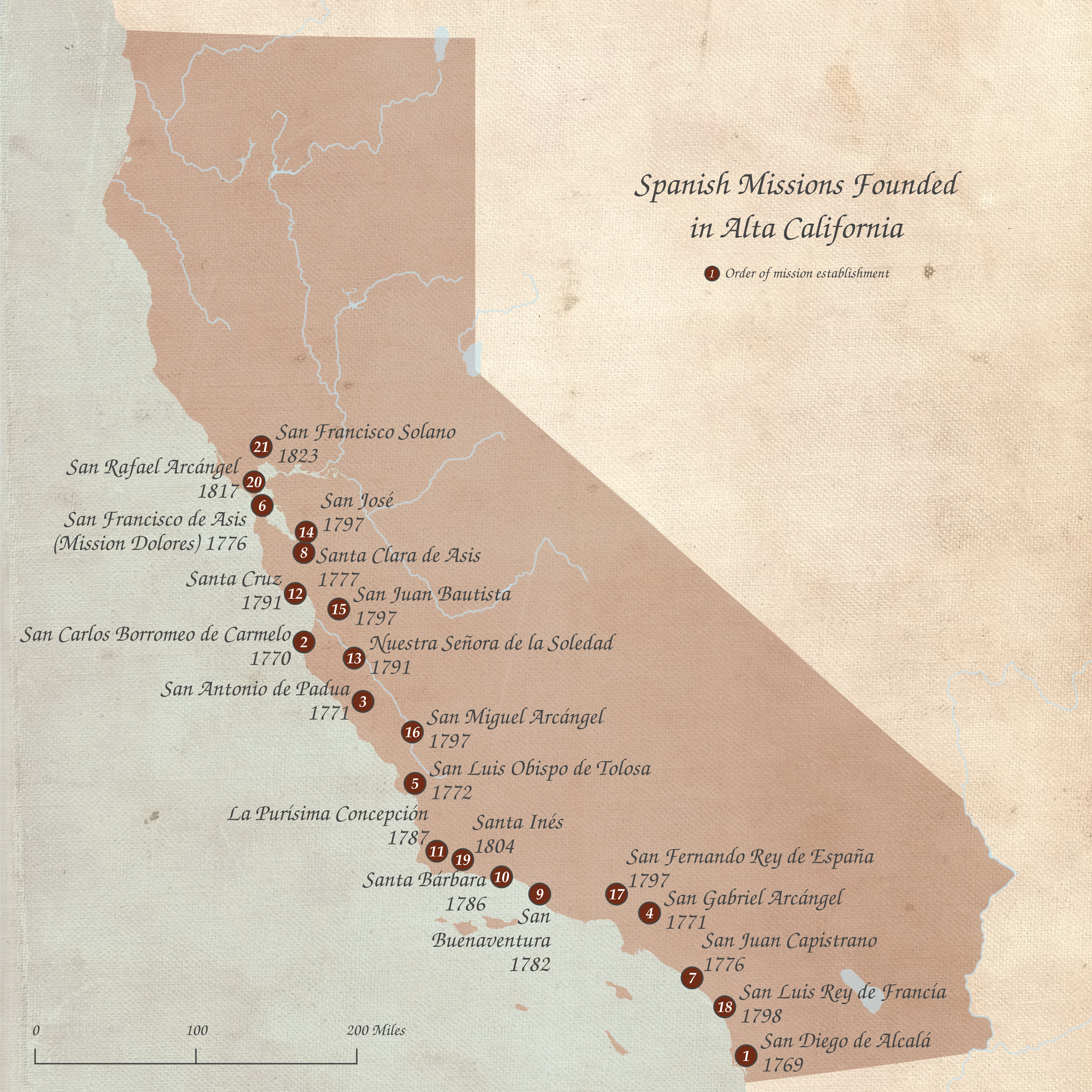
At the forefront of this ambitious undertaking was Father Junípero Serra, a dedicated Franciscan friar. Commissioned by the Viceroyalty of New Spain, Serra was tasked with leading the mission effort. His vision was to establish a network of twenty-one missions along the coast of California, stretching from San Diego in the south to Sonoma in the north. These missions were intended to serve as focal points for Spanish settlement, acting as both spiritual centers and economic engines. Serra‘s unwavering faith and tireless dedication were instrumental in the founding of the first nine missions, laying the groundwork for the entire system. He believed that by bringing Christianity and European civilization to the indigenous peoples, he was offering them a path to salvation and a better way of life. His legacy is complex, acknowledging both his devout intentions and the profound impact his actions had on the native inhabitants.
The Multifaceted Purpose of a California Mission
The term “mission” might evoke images of simple churches, but the reality of a California Mission was far more comprehensive. These establishments were designed to be self-sufficient communities, encompassing a wide range of functions that supported both the religious and practical aims of the Spanish colonization. Understanding these diverse roles is key to appreciating their historical significance.
Religious and Cultural Transformation
The primary objective of the missions was, of course, religious conversion. Indigenous peoples, primarily the Tongva, Chumash, Ohlone, and Yokuts tribes, were encouraged, and often compelled, to adopt Catholicism. This involved learning Spanish, attending mass, and participating in religious ceremonies. While some indigenous individuals embraced the new faith, the process was often fraught with coercion and the suppression of native spiritual practices. Beyond religious conversion, the missions also aimed to instill European customs and social structures. Indigenous people were taught to farm, weave, and engage in various crafts, essentially becoming laborers within the mission system. This cultural exchange, while contributing to the development of California, also led to the erosion of traditional indigenous ways of life.
Economic Powerhouses and Agricultural Centers
The missions were not merely passive recipients of Spanish aid; they were designed to be economically viable. Each mission aimed to be self-sustaining, and many thrived, becoming agricultural powerhouses. They cultivated vast tracts of land, growing crops such as wheat, barley, corn, olives, and grapes. They also raised livestock, including cattle, sheep, and horses, which provided meat, hides, and wool. The missions became centers of production, supplying not only their own inhabitants but also nearby presidios (military forts) and pueblos (civilian settlements). The surplus produce and goods were often traded with passing ships, further integrating California into global trade networks. The architectural designs of the missions themselves, with their sturdy adobe buildings, courtyards, and aqueducts, reflected this focus on practical resource management and agricultural productivity.
Social and Political Anchors of Colonial California
In a sparsely populated and strategically important territory, the missions served as crucial social and political anchors for Spanish rule. They were the primary points of contact between Spaniards and indigenous populations, and they played a significant role in the administration of the colony. The friars often acted as intermediaries between the crown and the native peoples, mediating disputes and enforcing Spanish law. The missions also fostered the growth of Spanish culture in California, with their architectural styles, religious festivals, and social hierarchies becoming integral to the developing colonial society. They were the building blocks upon which the future state of California would eventually be constructed, leaving an indelible mark on its landscape and identity.
Exploring the Legacy: Visiting the California Missions Today
Today, the California Missions stand as enduring testaments to a complex and transformative period in the state’s history. Visiting these historical sites offers a unique opportunity to connect with the past, explore remarkable architecture, and gain a deeper understanding of the forces that shaped California. While many have been restored, they still exude a sense of their original grandeur and historical weight.
Architectural Marvels and Living History
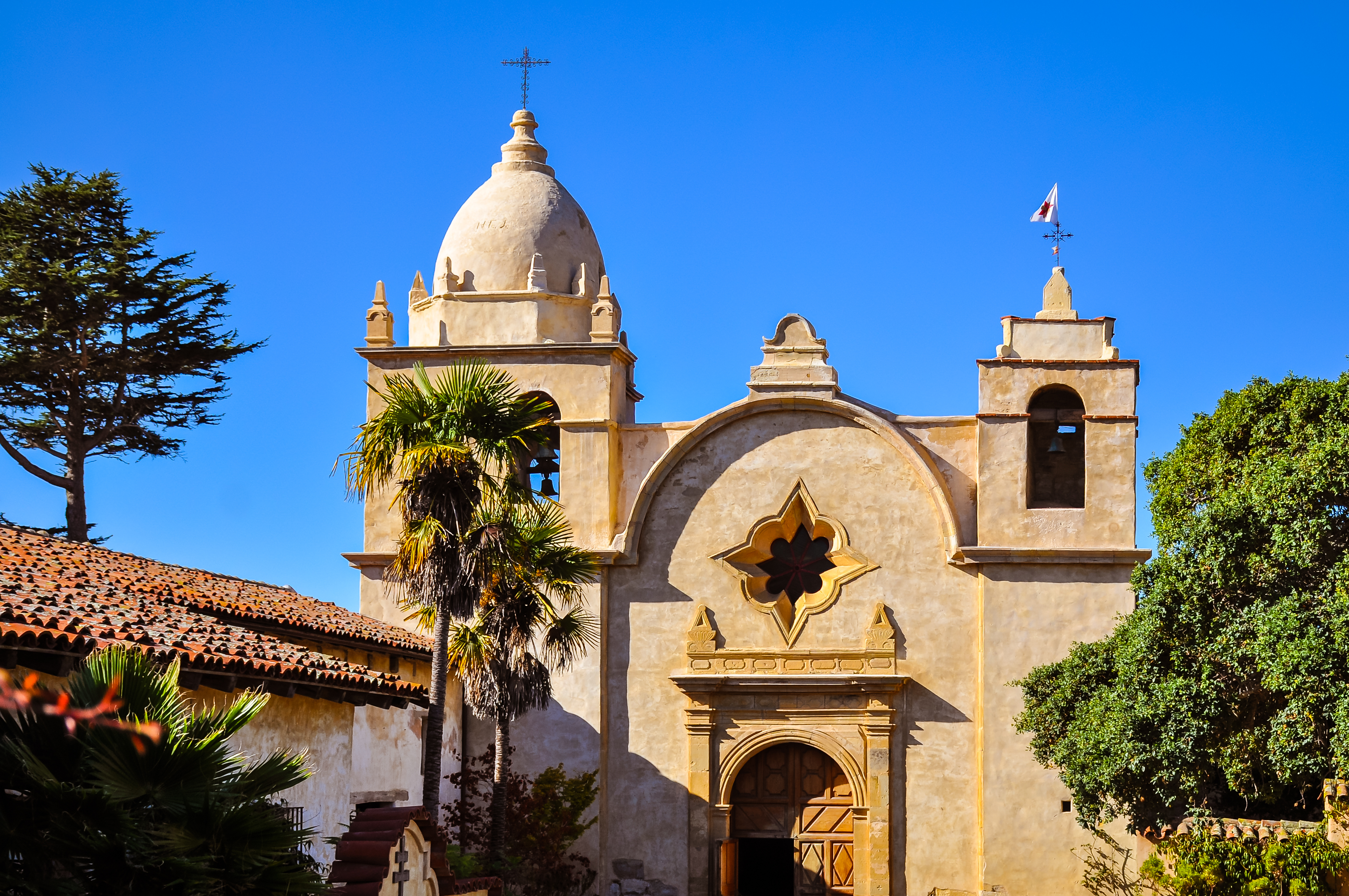
Each California Mission boasts its own distinct architectural style, a blend of Spanish Baroque and local adaptations. The use of adobe brick, thick walls, red-tiled roofs, and serene courtyards are characteristic features. Many missions showcase beautiful frescoes, intricate carvings, and ornate altarpieces, reflecting the artistic sensibilities of the era. Beyond the structures themselves, many missions have active museums and living history programs. Visitors can learn about daily life in the mission period, see demonstrations of traditional crafts, and explore exhibits that delve into the intertwined histories of the Spanish, Mexicans, and indigenous peoples. Sites like Mission San Juan Capistrano, with its famous swallows, and Mission Santa Barbara, often referred to as the “Queen of the Missions,” are particularly popular destinations, drawing visitors from around the world.
Understanding the Dual Narrative: Acknowledging the Past
When exploring the California Missions, it is crucial to approach them with an awareness of their dual narrative. While they represent significant architectural achievements and important historical periods, they also embody a history of colonization that had profound and often devastating consequences for indigenous populations. Many contemporary discussions surrounding the missions focus on acknowledging the suffering and cultural disruption experienced by native tribes. Understanding this complex legacy allows for a more nuanced and complete appreciation of California‘s history. Many of the missions are actively engaged in reconciliation efforts and partnerships with indigenous communities, seeking to present a more balanced and inclusive historical perspective.
In conclusion, a mission in California was far more than just a religious building. It was a multifaceted institution that played a pivotal role in the Spanish colonization of the region, shaping its economy, culture, and landscape. From the spiritual endeavors led by Father Junípero Serra to the agricultural productivity and social influence they wielded, the California Missions offer a compelling window into the formative years of the Golden State. Visiting these historical landmarks provides an immersive journey into a rich and intricate past, inviting contemplation of the enduring impact of this significant chapter in American history.