
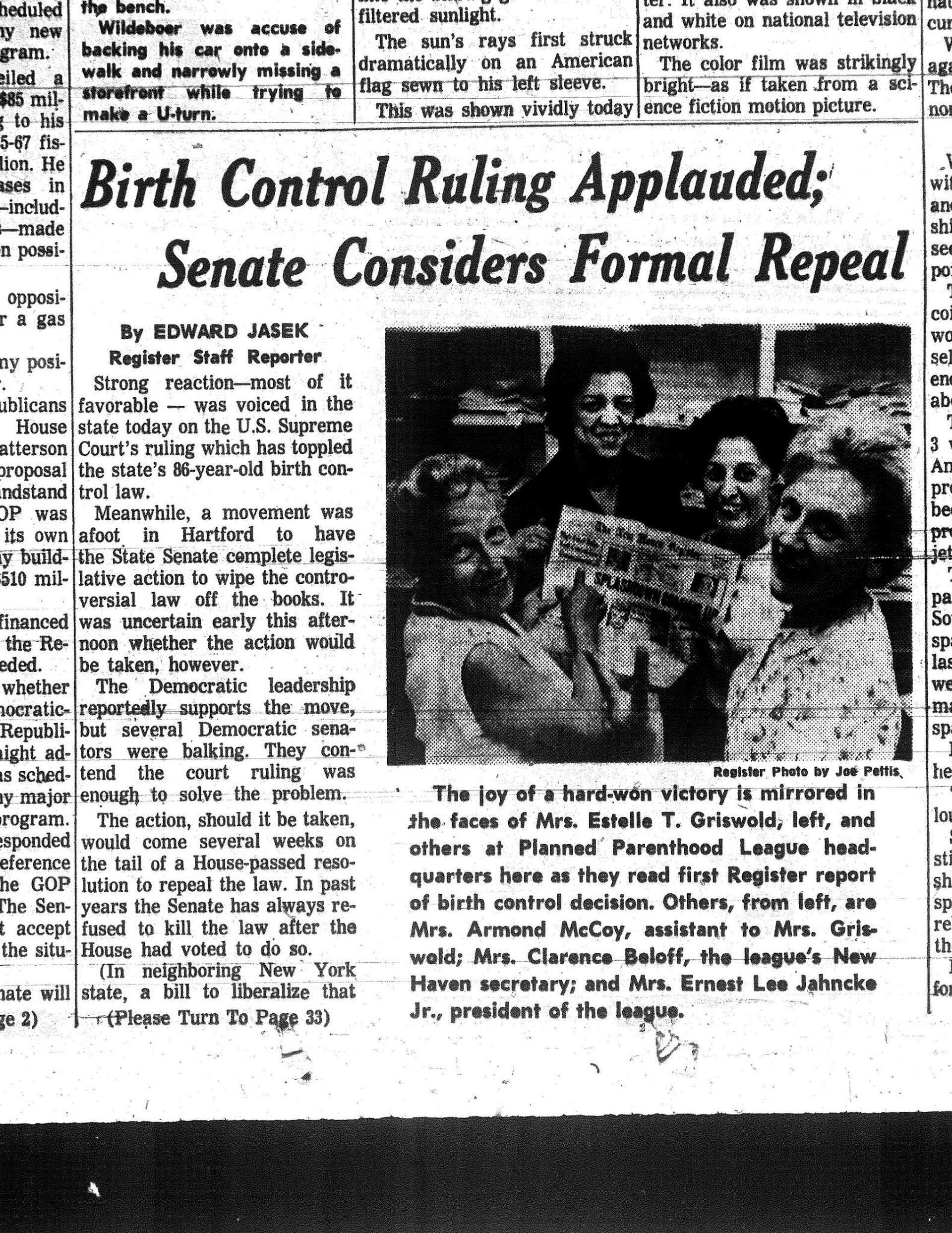
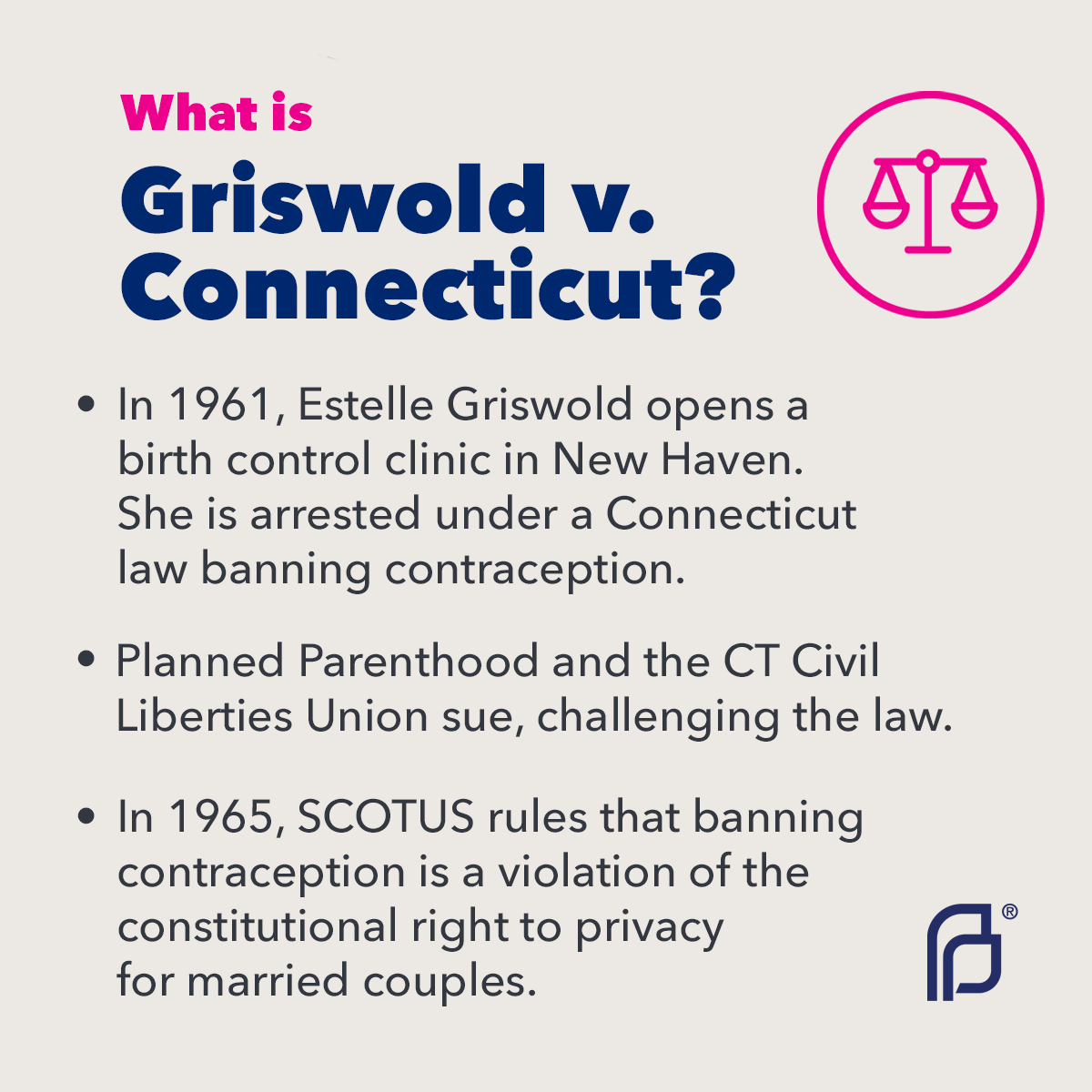
The Griswold v. Connecticut ruling, decided by the Supreme Court of the United States in 1965, stands as a landmark decision with profound implications that extend far beyond the immediate legal context. While seemingly a case about marital privacy and access to contraception, its reverberations have shaped fundamental aspects of personal autonomy, privacy rights, and, by extension, the very freedom to travel and experience the world without undue governmental intrusion. To understand its impact, we must delve into the legal reasoning, its subsequent interpretation, and how these principles indirectly influence our ability to explore, choose accommodations, and embrace diverse lifestyles.

The Foundation of Privacy: Beyond the Bedroom Walls
At its core, Griswold v. Connecticut established a constitutional right to privacy within marriage. The Supreme Court ruled that a Connecticut law prohibiting the use of contraceptives by married couples violated the “penumbras” of several constitutional rights, including those found in the First Amendment (freedom of association), Third Amendment (no quartering of soldiers), Fourth Amendment (protection against unreasonable searches and seizures), and Fifth Amendment (protection against self-incrimination). Justice William O. Douglas, writing for the majority, famously articulated that “specific guarantees in the Bill of Rights have penumbras, formed by emanations which help give them life and substance.” This concept of implied rights, particularly the right to privacy, laid crucial groundwork for future legal battles concerning personal liberties.
Marital Autonomy and its Echoes
The immediate impact of Griswold was to strike down the Connecticut statute, recognizing that the sanctity of the marital relationship included the right of spouses to make decisions about family planning without governmental interference. This was a significant shift, acknowledging that intimate personal decisions were beyond the purview of the state. This emphasis on marital autonomy and the right to make personal choices has a subtle yet significant connection to the broader themes of travel and lifestyle.
When individuals feel secure in their fundamental right to privacy and autonomy in their personal lives, it fosters a greater sense of freedom. This psychological freedom can translate into a greater willingness to explore, to experience new destinations, and to make lifestyle choices that align with their personal desires, rather than feeling constrained by societal or governmental pressures. For example, the ability to plan one’s family size and timing, a direct consequence of Griswold, allows for more flexible and informed decisions about when and how to travel. Families might choose to embark on extended trips, pursue educational travel, or even relocate for work or leisure, knowing that personal decisions about their family are protected. This sense of empowerment, born from established privacy rights, underpins the very essence of a fulfilling lifestyle, which often includes the pursuit of enriching travel experiences.
Expanding the Sphere of Privacy: From Marriage to the Individual
The principle of privacy established in Griswold did not remain confined to the marital bedroom. Over time, the Supreme Court expanded this right to encompass individual autonomy and decision-making in various aspects of life. While not directly addressing travel or tourism, these expanding privacy protections have created an environment where personal freedoms are increasingly valued and guarded.
The Interplay with Personal Freedom and Exploration
The evolution of privacy rights, initiated by Griswold, has undeniably contributed to a culture that cherishes individual liberty. This cultural shift has had a ripple effect on how people approach travel and leisure. When individuals are confident that their personal choices are protected, they are more likely to:
- Explore diverse destinations: The freedom to make personal choices about one’s life, including family planning and personal relationships, can embolden individuals to step outside their comfort zones and explore the vast array of travel experiences the world offers. Whether it’s discovering the historical depths of Rome, marveling at the natural beauty of Banff National Park, or experiencing the vibrant culture of Tokyo, the underlying sense of personal freedom facilitates such endeavors.
- Choose unique accommodations: The expansion of privacy rights indirectly supports the diversity seen in the accommodation sector. From luxurious resorts like the Bora Bora Resort, offering unparalleled privacy and personalized experiences, to quaint bed and breakfasts in Paris or unique apartment rentals in Barcelona, individuals feel empowered to choose lodging that best suits their lifestyle and privacy needs. This freedom of choice extends to long-term stays, where individuals might seek a sense of home and privacy while abroad, a choice that is more readily embraced in a society that values personal autonomy.
- Engage in diverse lifestyle travel: The concept of personal freedom nurtured by rulings like Griswold directly influences the growth of various travel lifestyles. Whether it’s luxury travel, budget backpacking through Southeast Asia, family-centric vacations in Orlando, or even discreet business stays, the underlying principle of individuals being able to make choices that align with their personal preferences is paramount. This extends to cultural tourism, where individuals feel free to immerse themselves in local customs, food, and activities without fear of judgment or intrusion.
The legal framework that protects personal privacy, however indirectly, cultivates a societal atmosphere where individual exploration and self-expression are not only permissible but encouraged. This psychological liberation is a vital, though often unacknowledged, component of the modern tourism landscape.
Long-Term Implications for Lifestyle and Travel Choices
The legacy of Griswold v. Connecticut is a testament to how a single legal decision can have far-reaching and multifaceted consequences. By recognizing a fundamental right to privacy, the Supreme Court initiated a legal and cultural evolution that has empowered individuals to make more autonomous decisions about their lives. This empowerment, in turn, has fostered a greater appreciation for personal freedom, which is intrinsically linked to the ability to travel, to choose where and how to stay, and to embrace a variety of lifestyle experiences.
The Freedom to Experience the World
Ultimately, the impact of Griswold v. Connecticut on travel and lifestyle can be seen in the very fabric of modern society’s approach to leisure and personal fulfillment. The confidence that personal decisions are protected allows for a more liberated engagement with the world. Travelers feel empowered to:
- Discover new attractions: From the historical significance of the Great Wall of China to the architectural marvels of the Sydney Opera House, the freedom to seek out and experience new landmarks is enhanced when individuals feel their personal lives are their own.
- Indulge in varied tourism experiences: The ability to freely explore local culture, savor diverse cuisines, and participate in activities without undue restriction is a direct beneficiary of a society that upholds personal privacy and autonomy. Whether it’s a culinary tour in Italy or an adventure trip in New Zealand, the underlying freedom fuels the desire to explore.
- Select personalized accommodation: The sheer variety of accommodation options available today, from private villas in Bali to serviced apartments in New York City, reflects a consumer base that values choice and privacy. This freedom to select lodging that perfectly matches individual needs, whether for a weekend getaway or a long-term sabbatical, is a testament to the broader privacy protections established by Griswold.
In conclusion, while Griswold v. Connecticut was a legal battle over marital privacy, its enduring impact lies in its contribution to a societal ethos that values individual autonomy and freedom. This freedom, in turn, has cultivated an environment where the pursuit of enriching travel experiences, the selection of diverse accommodations, and the embrace of varied lifestyle choices are not only possible but are fundamental aspects of personal happiness and fulfillment. The right to privacy, as articulated in Griswold, is an unseen yet powerful facilitator of our ability to explore the world and live life to its fullest.
LifeOutOfTheBox is a participant in the Amazon Services LLC Associates Program, an affiliate advertising program designed to provide a means for sites to earn advertising fees by advertising and linking to Amazon.com. Amazon, the Amazon logo, AmazonSupply, and the AmazonSupply logo are trademarks of Amazon.com, Inc. or its affiliates. As an Amazon Associate we earn affiliate commissions from qualifying purchases.