
The Kansas Nebraska Act of 1854 stands as a monumental, yet deeply divisive, piece of legislation in United States history. Far from a dry legal document, it was a spark that ignited the smoldering tensions between pro-slavery and anti-slavery factions, fundamentally reshaping the political landscape and setting the nation on an irreversible course toward the Civil War. For travelers and history enthusiasts today, understanding this Act is crucial to appreciating the rich, often turbulent, narratives embedded within the towns, landmarks, and cultural fabric of the American heartland, particularly in the states of Kansas and Nebraska. It’s a story of ambition, principle, violence, and ultimately, the forging of a new national identity, remnants of which can still be explored through immersive historical experiences.
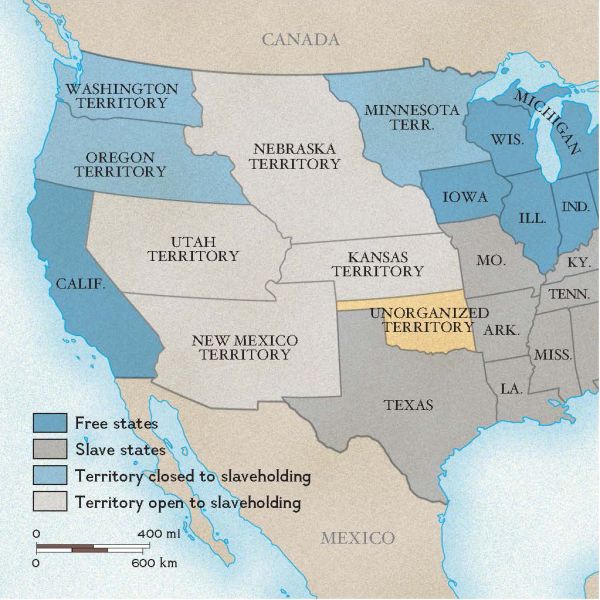
At its core, the Act aimed to organize the vast new territories of Kansas and Nebraska, opening them for settlement and facilitating the construction of a transcontinental railroad. However, it controversially introduced the principle of “popular sovereignty,” allowing settlers in these territories to decide for themselves whether to permit slavery within their borders. This seemingly democratic approach inadvertently repealed the venerable Missouri Compromise of 1820, which had prohibited slavery north of the 36°30′ parallel, thus dismantling decades of uneasy peace and igniting a fierce struggle for control. The consequences were immediate and catastrophic, turning the quiet prairies into a bloody battleground and forever altering the destiny of the nation.
The Legislative Battlefield: A Nation Divided
The path to the Kansas Nebraska Act was paved with political maneuvering and deep-seated ideological clashes. Its architect, Senator Stephen Douglas of Illinois, was a powerful figure with grand ambitions. He envisioned a flourishing United States linked by a transcontinental railroad, and his home state of Illinois – specifically Chicago – as its eastern terminus. To achieve this, the unorganized territory west of Missouri and Iowa needed formal organization. However, the contentious issue of slavery, particularly its expansion into new territories, complicated matters immensely.
Seeds of Conflict: Repealing the Missouri Compromise
Before the Kansas Nebraska Act, the Missouri Compromise had been the bedrock of sectional harmony for over three decades. It established a clear geographical line, effectively balancing the number of free and slave states by admitting Missouri as a slave state and Maine as a free state, while barring slavery in the remainder of the Louisiana Purchase territory north of 36°30′. This agreement, while imperfect, had successfully averted widespread conflict over slavery’s expansion.
Stephen Douglas’s proposed solution, “popular sovereignty,” was designed to be a compromise that appealed to both North and South. It suggested that the residents of Kansas and Nebraska would, through a democratic vote, decide on the legality of slavery within their respective borders. While seemingly fair, this directly contradicted the Missouri Compromise’s prohibition of slavery in territories north of the established line. Southern politicians, eager for the potential expansion of slavery, embraced this repeal, while many Northerners viewed it as a betrayal and a dangerous concession to the slaveholding South.
The passage of the Kansas Nebraska Act on May 30, 1854, sent shockwaves across the nation. It dissolved the fragile truce that had held the Union together, ushering in an era of intense political polarization and violent confrontation. The concept of popular sovereignty, intended to defuse the issue, instead inflamed it, turning the territories into a microcosm of the national struggle.
Bleeding Kansas: The Unfolding Crisis
The immediate aftermath of the Kansas Nebraska Act was a rush of settlers into Kansas, each side determined to sway the vote on slavery. Pro-slavery forces, many from neighboring Missouri (dubbed “Border Ruffians”), poured across the border to establish a slaveholding government. Simultaneously, abolitionists and free-state advocates, often supported by aid societies in the North, moved into the territory, equally committed to making Kansas a free state.
This volatile demographic mix quickly escalated into a guerrilla war, a period grimly known as “Bleeding Kansas.” Towns like Lawrence, a stronghold of free-state settlers, became targets of pro-slavery militias, suffering raids and destruction, most notably the “Sack of Lawrence” in May 1856. The violence begat more violence. Just days after the Sack of Lawrence, abolitionist John Brown, fueled by religious zeal and a fervent anti-slavery conviction, led a brutal retaliatory attack known as the Pottawatomie Massacre, murdering five pro-slavery settlers along Pottawatomie Creek.
For years, Kansas was a scene of skirmishes, assassinations, and political chaos, with two rival governments claiming legitimacy: a pro-slavery government established in Lecompton and a free-state government in Topeka. The bloodshed in Kansas served as a dress rehearsal for the larger Civil War to come, demonstrating the ferocity with which both sides were willing to fight for their beliefs concerning the peculiar institution.
Tracing History’s Footsteps: Travel and Legacy in the Territories
Today, the legacy of the Kansas Nebraska Act offers a compelling narrative for travelers interested in American history, civil rights, and the pioneering spirit. The territories directly impacted, particularly Kansas and Nebraska, are rich with historical sites, museums, and natural landscapes that tell the story of this pivotal era. Exploring these destinations provides an immersive experience, allowing visitors to walk in the footsteps of those who shaped the nation’s destiny.
Historic Destinations: Exploring the Kansas-Nebraska Legacy
For those embarking on a journey through the historical heart of America, several sites offer profound insights into the period of “Bleeding Kansas” and the broader impact of the Kansas Nebraska Act.
- Lawrence, Kansas: This vibrant university city was a hotbed of free-state activity and endured multiple attacks. Visitors can explore sites related to the “Sack of Lawrence” and Quantrill’s Raid, which occurred later during the Civil War, through walking tours and historical markers. The city’s resilient spirit is palpable, and its commitment to freedom is a defining characteristic.
- Topeka, Kansas: As the seat of the free-state government, Topeka played a crucial role. Today, it is home to the Brown v. Board of Education National Historic Site, which, while addressing a later civil rights struggle, beautifully illustrates Kansas’s enduring role in the fight for equality and justice. The Kansas State Capitol building itself offers architectural grandeur and historical significance.
- Lecompton, Kansas: Once the pro-slavery capital, Lecompton offers a unique perspective. The Lecompton Territorial Capitol Museum stands on the foundations of the uncompleted territorial capitol, where the controversial Lecompton Constitution was drafted, attempting to establish slavery in Kansas. It’s a testament to the bitter political battles that raged.
- Osawatomie, Kansas: This town is forever linked with John Brown. The John Brown Museum at John Brown Memorial Park commemorates his actions and the “Battle of Osawatomie,” where Brown and his men fought against pro-slavery forces.
- Black Jack Battlefield and Mine Creek Battlefield: These sites preserve battlegrounds where skirmishes between free-state and pro-slavery forces took place, offering a stark reminder of the physical conflict. They are often less crowded than major Civil War sites but provide equally powerful experiences for history buffs.
- Nebraska City and Omaha, Nebraska: While Nebraska did not experience the same level of violence as Kansas, these early settlements were crucial entry points for pioneers. Nebraska City was the state’s first incorporated city, and Omaha quickly became a hub for westward expansion. Their historical districts offer glimpses into the early territorial period.
- Freedom’s Frontier National Heritage Area: Spanning eastern Kansas and western Missouri, this National Heritage Area connects numerous sites related to the Border War and the westward expansion, providing a comprehensive historical journey.
These sites are not merely static displays; they are living museums that invite visitors to engage with a complex and challenging chapter of American history. Many are listed on the National Register of Historic Places and offer guided tours, educational programs, and interactive exhibits.
The Modern Traveler’s Guide: Accommodation and Experience
For travelers planning to delve into the history of the Kansas Nebraska Act, the region offers a diverse range of accommodations and experiences to suit various lifestyles and budgets. From luxurious boutique hotels in Kansas City to charming bed and breakfasts near historical sites, visitors can tailor their trip to their preferences.
- Family Trips: Engaging children with history can be made fun through interactive exhibits at museums and exploring wide-open spaces at battlefields. Many sites offer educational programs specifically designed for younger audiences. Staying at a resort with amenities like pools can balance historical exploration with family fun.
- Budget Travel: Free historical markers, walking tours, and state-operated historical parks provide enriching experiences without breaking the bank. Affordable motels and campgrounds are readily available throughout the region, allowing for an economical yet deeply fulfilling historical adventure.
- Luxury Travel: Discerning travelers can opt for upscale accommodations in cities like Kansas City or Omaha, enjoying fine dining and cultural attractions alongside historical excursions. Private guided tours can offer a more personalized and in-depth exploration of the sites.
- Business Stays: For those traveling for business in Topeka or Omaha, a short detour to a nearby historical landmark can provide a fascinating and educational break, offering a deeper understanding of the region’s heritage.
Local culture in Kansas and Nebraska is deeply rooted in this pioneering and often turbulent past. Visitors can enjoy regional cuisine, explore local artisan shops, and participate in community festivals that often celebrate the area’s heritage. Engaging with the friendly locals can also offer unique perspectives and recommendations, enriching the travel experience beyond official historical sites.
A Pivotal Moment: The Act’s Enduring Impact
The Kansas Nebraska Act was more than just a legislative misstep; it was a catalyst that reshaped American politics and ultimately, the course of its history. Its ripple effects were profound, setting in motion events that would irrevocably alter the nation.
Reshaping the Political Landscape: Towards Civil War
The immediate political consequence of the Act was the fragmentation of existing parties and the rise of new ones. The Whig Party, already struggling, fractured along sectional lines and quickly disintegrated. From its ashes emerged the Republican Party, a formidable new force united by its opposition to the expansion of slavery into the western territories. Figures like Abraham Lincoln, energized by his outrage over the Act, found new purpose and a national platform in this burgeoning anti-slavery movement.
The violence in “Bleeding Kansas” proved that popular sovereignty was a disastrous failure as a solution to the slavery question. It became clear that compromise was no longer possible, and the differing visions for the nation’s future – one based on free labor and the other on enslaved labor – were irreconcilable. The Act fueled the fierce Lincoln-Douglas Debates of 1858, which brought Abraham Lincoln into national prominence and further clarified the stark differences between the two parties.
Furthermore, the Supreme Court’s controversial 1857 decision in Dred Scott v. Sandford, which declared the Missouri Compromise unconstitutional and asserted that Congress could not prohibit slavery in any federal territory, effectively nullified popular sovereignty. This decision, following the turmoil of the Kansas Nebraska Act, pushed the nation closer to the brink, making compromise virtually impossible and setting a direct course for secession and the Civil War.
Cultural Echoes and American Identity
The Kansas Nebraska Act and the subsequent “Bleeding Kansas” era etched themselves deep into the American psyche. They cemented the idea of Kansas as a battleground for freedom, a place where ordinary citizens fought and died for fundamental principles. This narrative of courageous struggle against injustice continues to resonate in the state’s identity and its contributions to later civil rights movements.
Beyond the specific historical sites, the cultural echoes of this period can be found in the enduring American values of self-determination, the complexities of democratic processes, and the perpetual struggle for equality and justice. The story of the Kansas Nebraska Act is a powerful reminder of how legislative decisions, even those driven by seemingly practical aims, can have profound and unintended consequences, shaping not only political landscapes but also the very soul of a nation. For any traveler seeking a deeper understanding of American history and the forces that forged its identity, exploring the legacy of this pivotal Act offers an invaluable and deeply moving experience.
LifeOutOfTheBox is a participant in the Amazon Services LLC Associates Program, an affiliate advertising program designed to provide a means for sites to earn advertising fees by advertising and linking to Amazon.com. Amazon, the Amazon logo, AmazonSupply, and the AmazonSupply logo are trademarks of Amazon.com, Inc. or its affiliates. As an Amazon Associate we earn affiliate commissions from qualifying purchases.