
Florida, often celebrated as the Sunshine State, beckons travelers year-round with its promise of warmth and vibrant experiences. However, the seemingly perpetual sunshine hides a nuanced climate that varies significantly by season and region, influencing everything from your packing choices to your itinerary. Understanding Florida’s weather patterns is key to unlocking the perfect vacation, whether you’re seeking a serene beach escape, an thrilling theme park adventure, or a deep dive into local culture. From the subtropical north to the tropical south, the weather dictates the rhythm of life and the ideal conditions for exploring Florida’s diverse destinations and unique lifestyle offerings.

Understanding Florida’s Diverse Climate
Florida’s distinctive geographic position, bordered by the Atlantic Ocean to the east and the Gulf of Mexico to the west, plays a pivotal role in shaping its climate. While it’s widely known for its warmth, the state actually encompasses two primary climate zones: subtropical in the northern and central regions, and tropical in the southern parts, particularly south of Lake Okeechobee and throughout the Florida Keys. This distinction is crucial for travelers planning their visit, as the “best” time to visit can heavily depend on your preferred activities and tolerance for heat or humidity.
The Sunshine State’s Subtropical and Tropical Zones
The subtropical zone, encompassing cities like Jacksonville, Gainesville, and Orlando in Central Florida, experiences distinct seasons. Winters are generally mild and pleasant, with cooler evenings and occasional cold fronts that can bring temperatures down. Summers, however, are hot and humid, characterized by frequent afternoon thunderstorms that provide a temporary, albeit brief, reprieve from the heat. These thunderstorms are a daily occurrence in many parts of the state during the summer, usually clearing quickly to reveal more sunshine.
Further south, in areas like Miami, Fort Lauderdale, Naples, and the Florida Keys, the climate transitions to tropical. This means temperatures are consistently warmer year-round, with much less seasonal variation. Frost is a rare occurrence, and the warm ocean waters keep temperatures elevated even in winter. Summers are still characterized by heat, high humidity, and afternoon downpours, but the overall temperature range throughout the year is narrower. This tropical influence makes South Florida an enduringly popular destination for those seeking constant warmth.
Seasonal Rundown: From Balmy Winters to Humid Summers
Each season in Florida offers a unique weather profile that impacts tourism and travel experiences.
- Winter (December to February): This is arguably Florida’s peak tourist season, especially for those fleeing colder northern climates. Temperatures across the state are generally mild and comfortable, ranging from the low 60s°F (15-18°C) in the north to the low 70s°F (21-24°C) in the south. Humidity is low, and sunshine is abundant. It’s perfect for outdoor activities, beach visits, and exploring attractions without the oppressive heat of summer.
- Spring (March to May): A beautiful transition period, spring brings gradually rising temperatures and still relatively low humidity. Average temperatures hover in the 70s°F (21-26°C) statewide, making it ideal for theme parks, nature excursions, and enjoying the beaches before the summer crowds and heat set in. Afternoon showers become more frequent towards late spring, signaling the approach of the wet season.
- Summer (June to August): Florida summers are hot, humid, and wet. Daily high temperatures often reach the high 80s°F to low 90s°F (30-34°C), with high humidity making it feel even warmer. This is also hurricane season, though severe storms are not a daily occurrence. Expect frequent afternoon thunderstorms, which, while intense, typically pass quickly, leaving clear skies. This period is popular for water activities and indoor attractions.
- Autumn (September to November): This season offers a gradual cooling, especially towards the latter part. Early autumn can still be very warm and fall within hurricane season. By October and November, temperatures become increasingly pleasant, similar to spring, making it a fantastic time to visit, especially after the summer crowds have dispersed. Average temperatures range from the low 70s°F (21-24°C) to the low 80s°F (26-29°C).
Planning Your Florida Getaway by Season
Understanding these seasonal nuances is vital for planning your Florida trip. Each period offers distinct advantages and considerations, affecting everything from booking accommodations to deciding which attractions to prioritize.
Spring into Action: Ideal Conditions for Exploration
From March through May, Florida blooms, both literally and figuratively. The weather is often described as near-perfect, with comfortably warm temperatures and lower humidity making it an excellent time for extensive outdoor exploration. This is an ideal season for visiting popular attractions like Walt Disney World Resort and Universal Studios Florida in Orlando, or Busch Gardens Tampa Bay. The beaches along the Gulf Coast and Atlantic Coast, such as Clearwater Beach and Siesta Key Beach, are particularly inviting for sunbathing and swimming. Nature enthusiasts will find spring perfect for exploring Everglades National Park before the peak heat, or enjoying the historical charm of St. Augustine and its landmark, the Castillo de San Marcos. Accommodation prices can be higher during spring break periods, so booking in advance is advisable, especially for resorts and family-friendly hotels.
Summer’s Embrace: Heat, Humidity, and Hurricane Season
Summer in Florida (June to August) is defined by its heat, high humidity, and the start of hurricane season. While these factors might deter some, many travelers embrace the summer for its lively atmosphere and water-centric activities. Theme parks often extend their hours, and water parks like Volcano Bay or Typhoon Lagoon become prime destinations. It’s the perfect time to visit coastal cities like Miami Beach and enjoy its vibrant South Beach culture, or head to the Florida Keys for snorkeling and diving. While afternoon thunderstorms are common, they are usually brief and often refresh the air. Travelers should monitor weather forecasts, especially during hurricane season (June 1st to November 30th), and consider travel insurance. Many hotels offer enticing deals during the summer “off-season,” making it a potentially budget-friendly time to visit, though you’ll need to plan for indoor activities during the hottest parts of the day.
Autumn’s Gentle Transition: Perfect for Outdoor Adventures
As summer heat begins to wane, September through November brings a beautiful transition period to Florida. Early autumn can still be warm and humid, and the threat of hurricanes remains highest in September and October. However, by late October and November, the weather typically becomes glorious – warm days, cool evenings, and significantly less humidity. This is an excellent time for outdoor adventures such as kayaking, cycling, or visiting nature preserves. The crowds at major attractions like Kennedy Space Center Visitor Complex might also be thinner than during peak spring or winter. Cities like Sarasota and Naples offer a refined beach experience, and this season provides comfortable conditions for exploring their downtowns and cultural offerings. It’s a sweet spot for those looking for pleasant weather without the peak season prices, especially if booking closer to Thanksgiving.
Winter Wonderland (Florida Style): Mild and Inviting
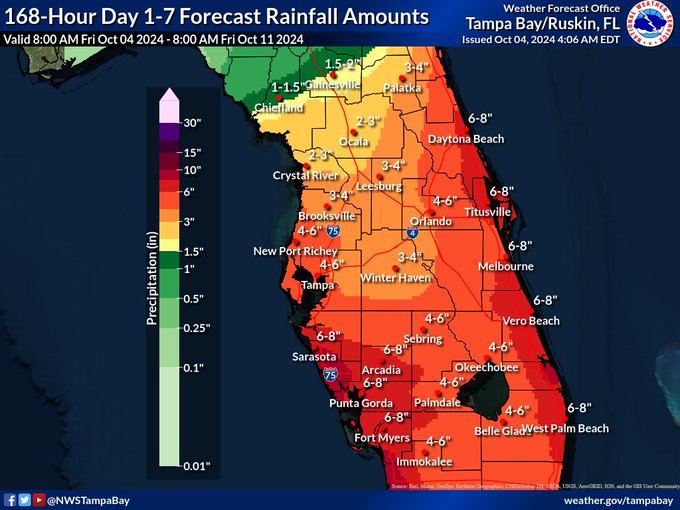
Florida’s winter, from December to February, is a stark contrast to much of the United States. It’s a “winter wonderland” of sunshine, mild temperatures, and low humidity, making it the most popular time for snowbirds and tourists seeking an escape from colder climates. This season is perfect for exploring all corners of the state, from the historic streets of St. Augustine to the vibrant nightlife of Key West. Golf courses are in prime condition, outdoor festivals abound, and wildlife viewing opportunities (like manatees gathering in warm springs) are at their peak. However, with popularity comes higher prices and larger crowds. Luxury resorts and boutique hotels, particularly in destinations like Palm Beach and Miami, see significant demand. Booking accommodations and flights well in advance is essential for a winter visit, especially around holidays like Christmas and New Year’s.
Weather-Wise Travel Tips and Destination Highlights
No matter when you plan your visit, a little preparation goes a long way in ensuring a comfortable and enjoyable Florida experience. Tailoring your packing, activities, and accommodation choices to the expected weather will enhance your trip.
Packing Essentials for Every Forecast
Regardless of the season, lightweight, breathable clothing is a Florida staple. Even in winter, daytime temperatures can be warm enough for shorts and T-shirts. Always pack sunscreen, sunglasses, and a wide-brimmed hat to protect against the strong Florida sun.
- For Summer: Prioritize moisture-wicking fabrics, swimwear, and an umbrella or light rain jacket for afternoon showers. Comfortable walking shoes are a must, but consider open-toed sandals for breathability.
- For Winter: While days are mild, evenings can be cool, especially in northern and Central Florida. Pack layers, including a light sweater or jacket, particularly if you plan to be out after sunset or visit cooler spots like the Florida Panhandle.
- All Seasons: Don’t forget bug repellent, especially if you plan to visit natural areas like state parks or the Everglades.
Accommodations and Activities for All Seasons
Florida’s diverse accommodation options cater to every weather condition and travel style. During hot summer months, prioritize hotels and resorts with excellent air conditioning, refreshing pools, and perhaps even indoor attractions. Many luxury resorts, especially in Orlando and along the coasts, offer comprehensive amenities that allow guests to beat the heat in comfort, from grand suites to expansive water parks. For budget travelers, choosing accommodations with good common areas or proximity to water can make a big difference.
When it comes to activities, weather profoundly influences choices:
- Hot Weather (Summer): Focus on water sports, indoor museums (e.g., Frost Science Museum in Miami), shopping malls, theme park water rides, and dining experiences. Early morning and late evening are ideal for outdoor excursions.
- Mild Weather (Winter, Spring, Late Autumn): Embrace all outdoor activities: beach days, golf, tennis, exploring historic districts like Ybor City in Tampa, cycling along coastal paths, visiting botanical gardens, or embarking on airboat tours in the Everglades. These seasons are also excellent for destination-specific events and festivals.
Navigating Special Weather Considerations
While hurricanes are a concern during the season, remember that direct hits are rare, and modern forecasting provides ample warning. Travelers during this period should stay informed via local news and weather advisories. Many hotels and airlines offer flexible cancellation policies during hurricane threats, so inquire when booking. Additionally, the sheer intensity of the sun in Florida demands respect. Heatstroke and sunburn are real risks; staying hydrated and seeking shade, particularly between 10 AM and 4 PM, is crucial.
Embracing Florida’s Lifestyle Through Its Weather
Florida’s weather is not just a backdrop; it’s an integral part of its lifestyle, shaping travel experiences for every type of visitor, from those seeking luxury to budget-conscious families.
Luxury and Leisure: Weather’s Role in High-End Experiences
For luxury travelers, Florida’s weather dictates the optimal season for specific high-end experiences. Winter is prime time for yachting in Fort Lauderdale, golfing at world-class courses in Ponte Vedra Beach, or enjoying exclusive dining al fresco in Palm Beach. Resorts like The Breakers Palm Beach are especially popular, offering impeccable service and amenities that ensure comfort regardless of the slight chill. During the warmer months, luxury travelers might opt for private villas with expansive pools, or Key West resorts offering bespoke water activities like private charters to Dry Tortugas National Park. The ability to seamlessly transition from indoor comfort to outdoor splendor is a hallmark of Florida’s luxury accommodations, adapting to the day’s forecast.
Budget-Friendly Adventures: Making the Most of Any Forecast
Budget travelers can leverage Florida’s weather patterns to their advantage. Visiting during the summer “off-season” often means lower hotel rates and fewer crowds at non-theme park attractions. Many state parks offer affordable access to pristine beaches and natural springs, perfect for cooling off without breaking the bank. Public beaches like Daytona Beach or St. Petersburg are free and offer ample opportunities for sun and surf. When rain strikes, exploring local markets, free museums (some cities have them!), or enjoying a budget-friendly meal at a local eatery can still be a rich cultural experience. Camping, especially in the milder spring and fall, is another excellent way for budget travelers to immerse themselves in Florida’s natural beauty.

Family Fun and Business Stays: Tailoring Your Trip
Families, whether planning a fun-filled vacation or combining leisure with a business stay, will find Florida’s weather considerations paramount. For family trips centered around theme parks, spring and late fall offer the best balance of pleasant weather and manageable crowds. However, summer visits, despite the heat, can be made comfortable by frequent water breaks, early starts, and taking advantage of indoor shows. Many family resorts are designed with elaborate pool areas and indoor entertainment to cater to all weather conditions.
For business travelers, particularly those attending conferences in cities like Miami, Orlando, or Tampa, the weather can influence post-work activities. Mild winter evenings are perfect for networking events on waterfront patios, while summer’s heat might steer gatherings indoors or to air-conditioned venues. Understanding the seasonal rhythm helps in packing appropriate attire and planning any leisure extensions of a business trip, ensuring a productive and enjoyable experience.
In conclusion, Florida’s weather is a captivating character in its own right, offering a dynamic range of conditions that shape every aspect of a visit. While the promise of sunshine is ever-present, a deeper appreciation of its subtropical and tropical nuances, seasonal shifts, and regional variations empowers travelers to plan a trip that perfectly aligns with their desires, making the most of all the Sunshine State has to offer.
LifeOutOfTheBox is a participant in the Amazon Services LLC Associates Program, an affiliate advertising program designed to provide a means for sites to earn advertising fees by advertising and linking to Amazon.com. Amazon, the Amazon logo, AmazonSupply, and the AmazonSupply logo are trademarks of Amazon.com, Inc. or its affiliates. As an Amazon Associate we earn affiliate commissions from qualifying purchases.