
The question of “What year did Alaska become a state?” often arises when one delves into the rich tapestry of American history and the vast, untamed beauty of the Last Frontier. While the answer is a specific date, understanding Alaska’s journey to statehood involves a fascinating narrative of exploration, acquisition, and the persistent spirit of its people. This expansive territory, larger than the combined size of Texas, California, and Montana, has a unique story to tell, deeply intertwined with themes of Travel, Landmarks, and Lifestyle.
For travelers drawn to its unparalleled natural wonders, from the towering peaks of Denali to the shimmering glaciers of Glacier Bay National Park, Alaska’s statehood is a crucial element in understanding its current identity and accessibility. The decision to make Alaska the 49th state was not merely a bureaucratic act; it was a culmination of decades of political maneuvering, economic considerations, and the evolving geopolitical landscape of the United States and the world.

When considering a trip to Alaska, be it for adventure, wildlife viewing, or simply to experience its majestic scenery, knowing its history adds a layer of appreciation. The infrastructure and services available to tourists today, from the extensive network of Hotels and Accommodation options to the curated Tourism experiences, are all a product of its status as a fully integrated state within the Union.
The Genesis of American Alaska: From Russian Fur to U.S. Territory
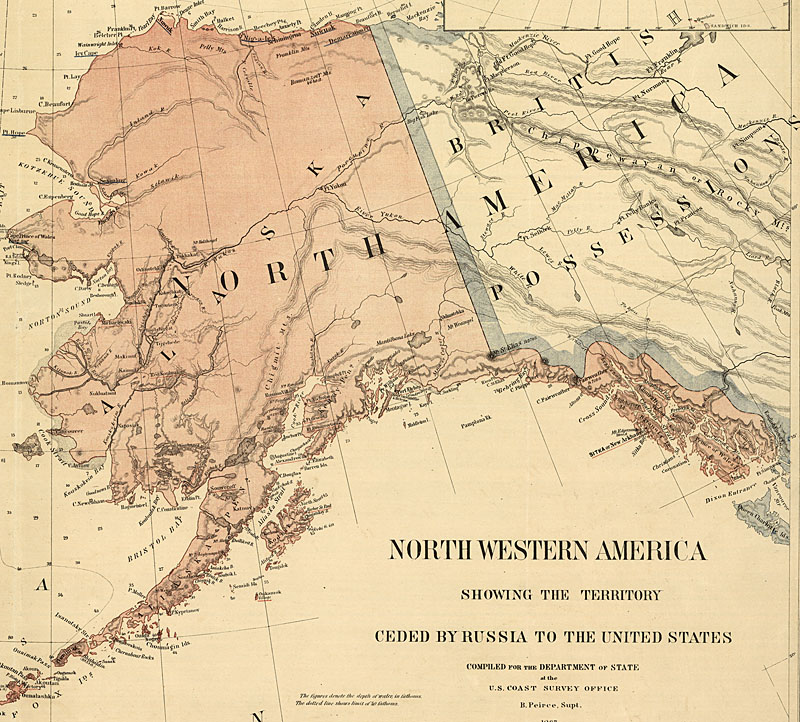
The story of Alaska’s integration into the United States begins long before its admission as a state. For over a century, this vast northern land was a possession of the Russian Empire. The Russians, primarily interested in the lucrative fur trade, established trading posts and colonies, with Fort Ross in California being one of their more southerly outposts, though their primary focus remained on the abundant sea otter populations off the Alaskan coast.
However, by the mid-19th century, Russia’s enthusiasm for its North American holdings waned. The territory was sparsely populated by Russians, difficult to defend, and proving to be a financial drain. Simultaneously, the United States, under the leadership of Secretary of State William H. Seward, saw strategic and economic potential in acquiring Alaska. Seward was a fervent expansionist and believed that control of Alaska would enhance American influence in the Pacific and provide valuable resources.
The negotiations for the purchase were met with skepticism and even ridicule in some quarters of the American public and press. The land was disparagingly nicknamed “Seward’s Folly” or “Seward’s Icebox,” with many believing it to be a frozen, barren wasteland of little value. Nevertheless, on March 30, 1867, the treaty was signed, and the United States officially purchased Alaska from Russia for a sum of $7.2 million – roughly two cents per acre. This pivotal moment in History marked the beginning of Alaska’s journey towards becoming an American entity.
Following the purchase, Alaska was governed under various military and civilian administrations. The early years were challenging, with limited infrastructure and a scattered population of indigenous peoples, Russian settlers, and American traders and prospectors. The discovery of gold in the late 19th century, particularly the Klondike Gold Rush which significantly impacted areas around Skagway and Juneau, brought a surge of new residents and increased attention to the territory. This influx spurred the development of transportation and communication networks, laying some of the groundwork for future growth.
From Territory to Statehood: The Long Road to the 49th Star
Despite the growing population and economic activity, Alaska remained a U.S. territory for nearly a century. The path to statehood for any U.S. territory is a complex process, requiring evidence of a substantial and stable population, a viable economy, and the ability to govern itself effectively. Alaska, with its vast distances, harsh climate, and unique challenges, faced a particularly protracted journey.
Throughout the first half of the 20th century, there were various movements and calls for statehood. Residents felt disenfranchised, lacking full representation in the U.S. Congress and having limited say in federal policies that directly impacted their lives. The economic contributions of Alaska, especially through its natural resources like timber, fish, and later oil, grew significantly, further fueling the desire for statehood.
World War II also played a role in highlighting Alaska’s strategic importance. The Japanese invasion of the Aleutian Islands brought the reality of conflict to American soil and underscored the need for a well-developed and integrated Alaska. The construction of the Alaska Highway, a monumental feat of engineering, connected the territory to the rest of the country and improved accessibility.
The latter half of the 20th century saw a renewed and intensified push for statehood. Advocacy groups, Alaskan politicians, and a growing consensus among the populace worked tirelessly to garner support in Washington D.C. The discovery of vast oil reserves on the Kenai Peninsula and the subsequent development of the Trans-Alaska Pipeline System provided a significant economic boost, solidifying Alaska’s case for self-governance and full participation in the Union. This economic prosperity also contributed to a more diverse and stable population, essential for statehood.
The Historic Moment: Alaska Joins the Union
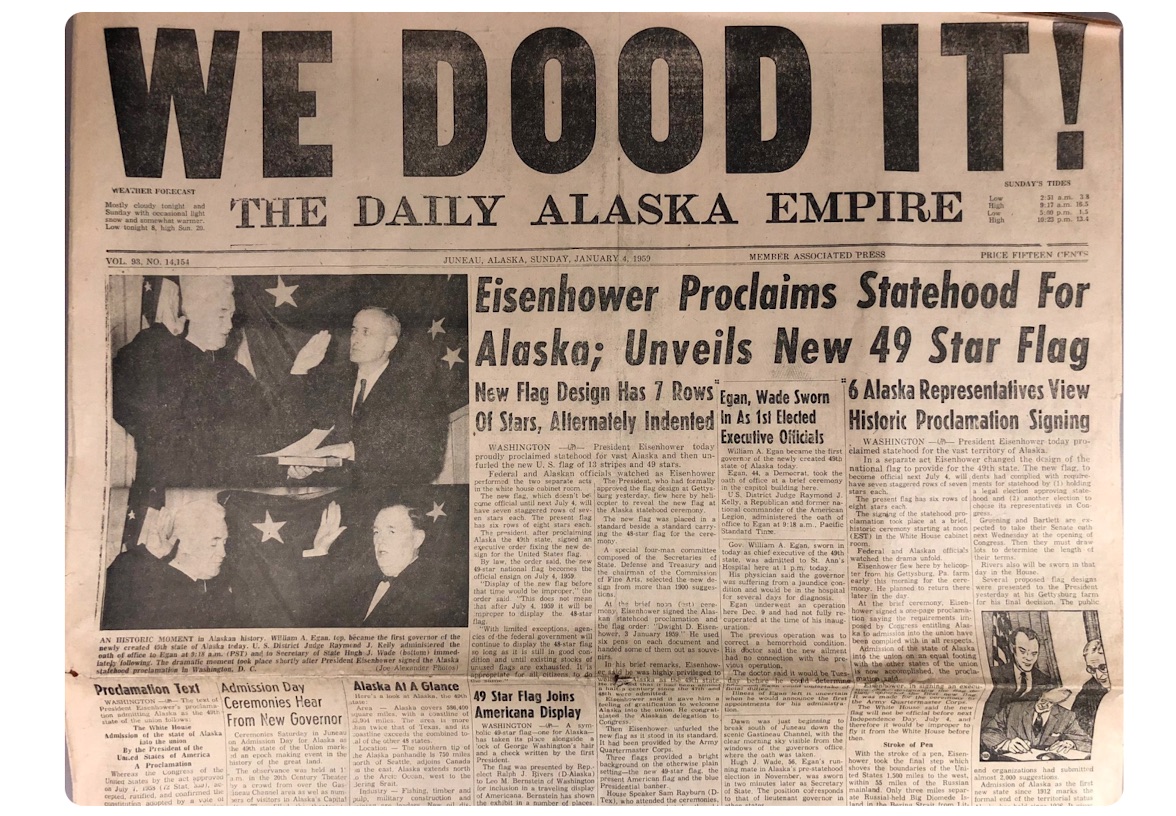
After years of debate, congressional review, and popular vote within Alaska, the final legislative hurdles were cleared. On January 3, 1959, President Dwight D. Eisenhower signed the Alaska Statehood Proclamation. This historic act officially admitted Alaska as the 49th state of the United States of America.
The year 1959 marks the pivotal moment when Alaska transitioned from a U.S. territory to a sovereign state, gaining full representation in Congress, including two senators and a representative. This change had profound implications for the governance, economy, and development of Alaska. It allowed for greater control over its own resources and a stronger voice in national affairs.
The celebratory mood across Alaska was palpable. Residents had long yearned for this status, and its achievement was a testament to their perseverance and the growing recognition of Alaska’s importance to the nation. The statehood brought with it a surge of federal investment and a renewed sense of national identity, allowing Alaskans to fully participate in the American dream.
Experiencing Alaska Today: A State of Wonder and Opportunity
Today, Alaska is a premier destination for a multitude of Travel experiences. Whether you are seeking the thrill of dog sledding through snowy landscapes, marveling at the aurora borealis, or cruising through the pristine waters of the Inside Passage, the state offers unparalleled adventures. Its Landmarks, from the majestic Mount McKinley (now officially Denali) to the rugged beauty of Ketchikan, draw visitors from around the globe.
The Tourism industry in Alaska is a vital part of its economy, offering insights into its rich Native Alaskan cultures, its vibrant contemporary arts scene, and its delicious local cuisine. Hotels and Accommodation providers, ranging from luxury resorts like the Alyeska Resort in Girdwood to cozy lodges and wilderness cabins, cater to every type of traveler. Lifestyle choices in Alaska also span the spectrum, from opulent journeys exploring its remote wilderness to more budget-conscious adventures focusing on its incredible natural beauty.
Understanding that Alaska became a state in 1959 provides context for the modern infrastructure and services available to visitors. It signifies a territory that has grown and developed into a full partner within the nation, capable of managing its vast resources and welcoming the world to experience its unique charm. The legacy of its purchase, its territorial years, and its eventual statehood all contribute to the captivating narrative of this extraordinary part of the United States. When planning your Alaskan adventure, remember that the year Alaska became a state, 1959, is not just a historical footnote, but a crucial marker in the journey of this magnificent land.