
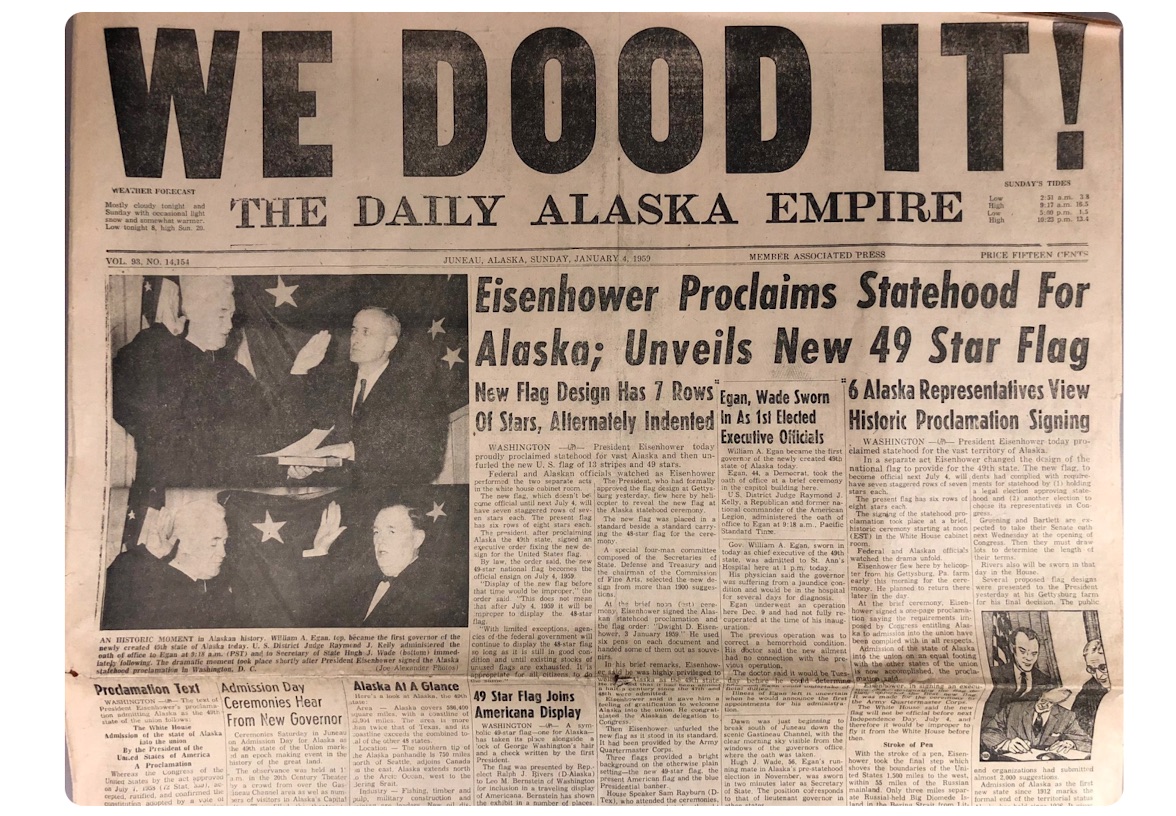
The vast, wild expanse of Alaska, often hailed as the “Last Frontier,” holds a unique and compelling story within the tapestry of the United States. More than just a geographical outlier, its journey to statehood is a fascinating tale of exploration, resource acquisition, political struggle, and enduring human spirit. For travelers and history enthusiasts alike, understanding this path enriches any visit to this magnificent land, offering context to its rugged beauty, diverse cultures, and robust tourism industry. So, when did this monumental transformation occur? Alaska officially became the 49th state of the United States on January 3, 1959. This seemingly straightforward answer, however, belies a complex history that spans centuries, involving empires, intrepid explorers, and the relentless pursuit of opportunity.
From Russian Frontier to American Territory: The Early Years
The historical roots of Alaska stretch back thousands of years to the indigenous peoples who first settled its unforgiving yet bountiful lands. However, its modern history as a geopolitical entity began with European contact, primarily driven by Russian expansion across Siberia and into North America.
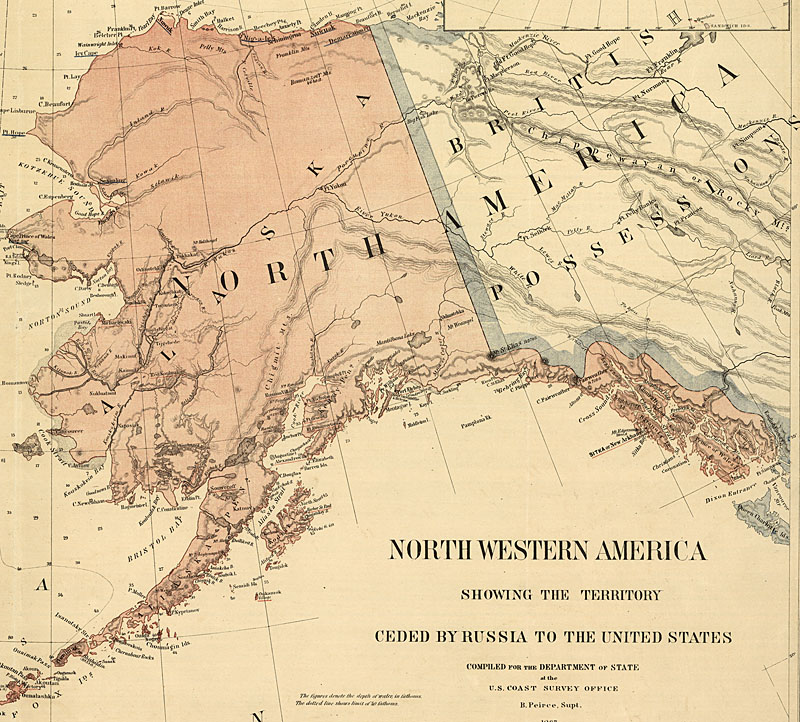
Russian America and the Alaska Purchase
The first confirmed European sighting of Alaska occurred in 1741, during an expedition led by the Danish explorer Vitus Bering for the Russian Navy. His voyages not only charted new territories but also revealed the immense wealth of fur-bearing animals, particularly sea otters, which ignited a fierce fur trade. This led to the establishment of Russian settlements, initially driven by private merchants and later consolidated under the powerful Russian-American Company. Key outposts like Sitka (originally New Archangel), which served as the capital of Russian America, and early settlements on Kodiak Island (like Three Saints Bay) became centers of trade, cultural exchange, and often, conflict with indigenous populations. Today, remnants of this era, such as the rebuilt St. Michael’s Cathedral in Sitka, serve as poignant landmarks, drawing visitors interested in tracing the early European influences on Alaska’s unique heritage.

However, by the mid-19th century, Russia’s interest in Alaska waned. The fur trade had declined, the territory was difficult and expensive to maintain, and the Crimean War had left the empire financially strained. Fearing its loss to Great Britain in a potential future conflict, Russia sought to sell its distant possession.
Enter United States Secretary of State William H. Seward. A staunch expansionist, Seward saw immense strategic and economic potential in the frozen north, despite public skepticism. On March 30, 1867, he negotiated the purchase of Alaska from Russia for $7.2 million, or approximately two cents per acre. This monumental agreement, known as the Alaska Purchase, was initially ridiculed by many Americans as “Seward’s Folly” or “Seward’s Icebox.” They questioned the value of such a remote and seemingly barren land. Little did they know that this acquisition would prove to be one of the greatest bargains in history, laying the groundwork for future resource booms and a strategically vital American presence in the Arctic. For today’s travelers, the story of the Alaska Purchase offers a fascinating entry point into understanding American manifest destiny and the foresight that shaped the nation’s geographical footprint.
A Neglected Territory and the Gold Rush Era
Following the Alaska Purchase, Alaska entered a period of administrative neglect by the United States government. It was initially governed by the military, then the Treasury Department, and eventually a district court, lacking any formal civilian government for years. This “era of neglect” meant minimal infrastructure development and a slow integration into American systems, much to the frustration of the scattered residents, including prospectors, fishermen, and indigenous communities. The vastness of the land, coupled with its harsh climate and small population, made it a low priority for Washington D.C.
However, the late 19th century brought a dramatic shift: the discovery of gold. While smaller rushes occurred earlier, it was the Klondike Gold Rush of 1896, centered in the neighboring Yukon Territory of Canada, that truly put Alaska on the map. Thousands of eager prospectors, dubbed “stampeders,” flocked to the region, often passing through Alaskan towns like Skagway and Juneau, which boomed overnight as supply centers. Soon after, significant gold discoveries were made within Alaska itself, notably in Nome and Fairbanks.
This influx of people transformed Alaska. It spurred the development of transportation routes, including steamship lines and nascent railroads, and led to the establishment of more permanent towns and rudimentary legal systems. The gold rush wasn’t just about precious metals; it drew attention to Alaska’s immense natural resources, including abundant fisheries and timber. The population growth, albeit fluctuating, also ignited the first serious calls for a more organized and representative form of government, setting the stage for the long and arduous journey toward statehood. For travelers today, the legacy of the Gold Rush is palpable in historical sites, museums, and even the character of many Alaskan towns, offering an adventurous glimpse into a bygone era of frontier grit and ambition. Exploring these historic areas can be a highlight of any Alaskan itinerary, often complemented by staying in charming historic hotels or modern accommodations that cater to a wide range of budgets and preferences.
The Road to Statehood: A Long and Arduous Journey
Despite the economic booms, Alaska’s territorial status meant limited political power and federal oversight, which became increasingly frustrating for its growing population. The path to becoming a full-fledged state was neither quick nor easy, spanning decades of advocacy, political maneuvering, and a changing national perception of the territory’s value.
Towards Organized Government and Self-Determination
The calls for greater self-governance slowly began to yield results. In 1884, Congress passed the First Organic Act, which provided a civil government for Alaska, establishing a district court, a governor, and a small number of other federal officials. However, it still lacked a legislature or the right to send a voting representative to Congress. This changed in 1912 with the Second Organic Act, which officially designated Alaska as an organized Territory of Alaska and granted it a territorial legislature and a non-voting delegate in the U.S. House of Representatives. This was a significant step, allowing Alaskans to have a voice, albeit a limited one, in their own affairs and to lobby more effectively for statehood.
The arguments for statehood were compelling. Advocates highlighted Alaska’s vast economic potential, not just in gold but in fishing, timber, and later, oil. They pointed to its growing population and the injustice of taxation without full representation. Moreover, the strategic importance of Alaska became undeniable, particularly with geopolitical tensions rising in the Pacific. Visionary leaders like Ernest Gruening, who served as Governor of Alaska from 1939 to 1953, became tireless champions for statehood, dedicating much of their careers to convincing Congress and the American public that Alaska was ready and deserving of full statehood. Their efforts laid the intellectual and political groundwork for the final push.
Overcoming Obstacles and Achieving the Dream
Despite the strong arguments, numerous obstacles stood in the way of Alaskan statehood. Many in the continental United States still viewed Alaska as too remote, too sparsely populated, and too economically dependent on federal subsidies to be a viable state. There were concerns about its ability to generate sufficient revenue, its distance from the contiguous states, and even fears that its small population would be disproportionately represented in Congress. Shipping and transportation lobbies, fearing competition and increased regulation, also resisted statehood.
However, World War II dramatically altered perceptions of Alaska’s strategic value. The Japanese invasion of the Aleutian Islands highlighted Alaska’s critical role in national defense. The construction of military bases, the Alaska Highway, and an influx of military personnel showcased Alaska’s potential for development and its integral position in safeguarding American interests. The war also brought many non-Alaskans to the territory, exposing them to its realities and helping to dispel some of the prevailing myths.
In the postwar years, the statehood movement gained unstoppable momentum. Alaskans, led by the dedicated Alaska Statehood Committee, adopted the innovative “Tennessee Plan” in 1955. This strategy involved drafting a state constitution and electing a full slate of “shadow” congressional representatives and senators, who then went to Washington D.C. to demand recognition. This bold, proactive approach demonstrated Alaska’s readiness and determination, putting immense pressure on Congress.
Finally, after decades of tireless campaigning, and with strong support from President Dwight D. Eisenhower, Congress passed the Alaska Statehood Act in 1958. President Eisenhower signed it into law on July 7, 1958. The official proclamation was issued on January 3, 1959, formally welcoming Alaska as the 49th state of the United States. This was a moment of immense celebration and pride for Alaskans, marking the culmination of a long and challenging struggle for self-determination.
Alaska as the 49th State: A New Era and Travel Frontier
Statehood ushered in a new era for Alaska, profoundly shaping its economy, infrastructure, and identity. The vision of Seward and the determination of statehood advocates finally blossomed, revealing the true potential of the “Last Frontier.”
The Impact of Statehood and Modern Alaska
With statehood, Alaska gained full control over vast tracts of land and offshore resources, a critical component for its economic independence. This proved to be incredibly significant with the discovery of massive oil reserves at Prudhoe Bay in 1968, leading to the construction of the Trans-Alaska Pipeline System and an unprecedented economic boom. Oil revenues transformed the state, funding public services, infrastructure development, and even providing a permanent fund dividend to its residents.
Statehood also brought greater federal investment in infrastructure, education, and healthcare. The population continued to grow, and cities like Anchorage and Fairbanks expanded into modern urban centers while retaining their unique Alaskan character. Moreover, statehood empowered Alaskans to advocate for the preservation of their unique environment and wildlife, leading to the establishment of numerous national parks, refuges, and wilderness areas, such as Denali National Park and Preserve, Glacier Bay National Park and Preserve, and Kenai Fjords National Park. These protected lands are now cornerstones of Alaska’s thriving tourism industry.
Experiencing the Last Frontier: Travel and Tourism Today
The story of Alaska’s statehood is intricately linked to its appeal as a premier travel destination today. The very challenges and triumphs that shaped its history now draw millions of visitors annually, eager to explore its natural wonders, delve into its rich cultural heritage, and experience its unique lifestyle.
For those planning an Alaskan adventure, the state offers an unparalleled array of experiences. Destinations range from the bustling streets of Anchorage, with its vibrant arts scene and world-class restaurants, to the charming, historic towns of Southeast Alaska like Juneau and Sitka, where Russian and Tlingit influences are still visible. In Interior Alaska, Fairbanks serves as a gateway to the Arctic Circle and an ideal spot for viewing the mesmerizing Northern Lights during winter.
Attractions abound, from majestic glaciers accessible by boat tours and flightseeing excursions to vast national parks teeming with wildlife like bears, moose, and caribou. Hiking, fishing, kayaking, and wildlife viewing are quintessential Alaskan experiences. Cruises are a popular way to explore the stunning coastline and fjords, while intrepid travelers might opt for road trips along the scenic Alaska Highway or embark on multi-day backcountry adventures.
Accommodation options in Alaska cater to every taste and budget. In larger cities like Anchorage and Fairbanks, you’ll find a range of hotels, from luxurious resorts and boutique hotels offering top-tier amenities to comfortable, family-friendly suites and budget-conscious options. For a more immersive experience, many remote areas offer charming wilderness lodges, cabins, and even unique glamping opportunities, blending rustic charm with modern comforts. Booking in advance, especially for peak summer season, is highly recommended given the popularity of these unique stays. Whether you’re seeking a lavish retreat or a cozy base for adventure, accommodation in Alaska often comes with unparalleled views and access to nature.
Tourism in Alaska is deeply connected to its local culture and history. Many tours delve into the rich heritage of its indigenous peoples, offering insights into their traditions, art, and ways of life. Sampling local food, especially fresh seafood like salmon and crab, is a culinary highlight. Understanding the spirit of independence and resilience that defined Alaska’s path to statehood can enhance a traveler’s appreciation for its unique character. Whether you choose luxury travel through high-end lodges and private charters or budget travel exploring state parks and camping, Alaska promises an unforgettable lifestyle experience.
In conclusion, Alaska’s entry into the United States as the 49th state on January 3, 1959, was a culmination of centuries of history, from Russian exploration and the pivotal Alaska Purchase to the transformative Gold Rush and the determined struggle for self-governance. This rich historical narrative is not merely a collection of dates and events but the very bedrock of what makes Alaska such an extraordinary and compelling destination. For every traveler, understanding this journey adds depth to the awe inspired by its landscapes, the intrigue of its cultures, and the enduring spirit of its people.
LifeOutOfTheBox is a participant in the Amazon Services LLC Associates Program, an affiliate advertising program designed to provide a means for sites to earn advertising fees by advertising and linking to Amazon.com. Amazon, the Amazon logo, AmazonSupply, and the AmazonSupply logo are trademarks of Amazon.com, Inc. or its affiliates. As an Amazon Associate we earn affiliate commissions from qualifying purchases.