
The answer to “What year did Hawaii become a state?” is a pivotal moment in both American and Hawaiian history: August 21, 1959. This date marked the official admission of the Pacific archipelago as the 50th state of the United States, transforming it from a U.S. territory into a full-fledged member of the Union. Beyond a simple date, this event culminated a complex journey involving centuries of indigenous rule, foreign intervention, economic shifts, and political aspirations. For travelers, understanding this history enriches their experience, adding layers of depth to the stunning landscapes, vibrant culture, and diverse attractions that make Hawaii one of the world’s most coveted travel destinations. From the historical landmarks that recount tales of kingdoms and annexation to the modern resorts that cater to every luxury and lifestyle, Hawaii today is a testament to its unique past, seamlessly blending ancient traditions with contemporary tourism.
A Journey Through History: From Kingdom to Statehood
The path to statehood for Hawaii was anything but straightforward, a narrative woven with regal splendor, political intrigue, and the inexorable march of global influence. To truly appreciate the modern marvel that is Hawaii, it’s essential to look back at the historical milestones that shaped its destiny. This journey provides context for many of the cultural nuances and historical sites visitors encounter, transforming a simple vacation into an enriching exploration of a fascinating past.
The Monarchy and Foreign Influence
Before becoming a U.S. territory, Hawaii was an independent kingdom, unified by King Kamehameha I in the early 19th century. This period saw the establishment of a robust Polynesian monarchy, which, for decades, skillfully navigated the growing presence of European and American traders, missionaries, and whalers. These early interactions, while bringing new technologies and ideas, also introduced foreign diseases that decimated the native population and exerted pressure on the traditional Hawaiian way of life. The capital city of Honolulu, located on the island of Oahu, began to emerge as a significant port, a crossroads where East met West.
As the 19th century progressed, the United States‘ interest in Hawaii grew, driven by its strategic location for shipping and potential as a naval outpost. American businessmen, many of whom were descendants of early missionaries, established sugar plantations, becoming powerful economic forces within the kingdom. This economic leverage translated into significant political influence, eventually undermining the authority of the Hawaiian monarchs. The legacy of this era is visible in many of Hawaii‘s landmarks, from the grand architecture of Iolani Palace – the only official residence of royalty in the United States – to the historic districts of Lahaina on Maui, which was once a bustling whaling port and royal capital. Visiting these sites offers a tangible connection to the sovereignty that once reigned supreme over these islands.

Annexation and the Territorial Years
The late 19th century saw a dramatic shift in Hawaii‘s political landscape. In 1893, American and European businessmen, supported by U.S. Marines, overthrew Queen Liliʻuokalani, the last reigning monarch of Hawaii. This coup led to the establishment of a provisional government, followed by the Republic of Hawaii. Despite strong opposition from the native Hawaiian population and a brief, but passionate, movement for the restoration of the monarchy, the United States officially annexed Hawaii in 1898, transforming it into a U.S. territory.
For over six decades, Hawaii functioned as a territory, deeply integrated into the American economic and political system. Its strategic importance was underscored during World War II, particularly with the attack on Pearl Harbor in 1941, an event that directly led to the United States‘ entry into the war. The USS Arizona Memorial at Pearl Harbor stands today as a powerful and solemn reminder of this pivotal moment, drawing millions of visitors each year. The territorial period also witnessed significant demographic changes, as waves of immigrants from Japan, China, Portugal, and the Philippines arrived to work on the plantations, contributing to the rich multicultural tapestry that defines modern Hawaii. This blend of cultures is evident in the diverse culinary scene, the vibrant local festivals, and the warm, inclusive atmosphere that travelers experience across the islands.
The Road to Statehood: 1959
The push for statehood gained momentum after World War II, fueled by the patriotism of Hawaiian residents, many of whom had fought for the United States, and the argument that Hawaii had proven its loyalty and commitment to American ideals. After decades of petitions, debates, and congressional hearings, the U.S. Congress finally passed the Hawaii Admission Act, which President Dwight D. Eisenhower signed into law on March 18, 1959. A plebiscite held in Hawaii showed overwhelming public support for statehood, with over 94% of voters in favor.
On August 21, 1959, Hawaii officially became the 50th state. This historic event was met with widespread celebration across the islands. Statehood opened new avenues for economic development, increased federal funding, and cemented Hawaii‘s position as a unique and integral part of the United States. For tourism, statehood made Hawaii an even more accessible and attractive destination for American travelers, who no longer needed passports to visit. This era marked the beginning of Hawaii‘s rise as a global tourism powerhouse, paving the way for the development of world-class resorts, enhanced infrastructure, and a booming travel industry that now welcomes millions annually.
Hawaii’s Enduring Allure: A Premier Travel Destination
Hawaii‘s transformation from a remote island kingdom to a thriving American state has only enhanced its appeal as a premier travel destination. Its unique blend of stunning natural beauty, rich cultural heritage, and modern amenities makes it an irresistible magnet for travelers seeking everything from adventure to serene relaxation. The website topics of travel, tourism, and landmarks are intrinsically linked to Hawaii‘s current identity.
Exploring the Islands: Oahu, Maui, Kauai, and Big Island
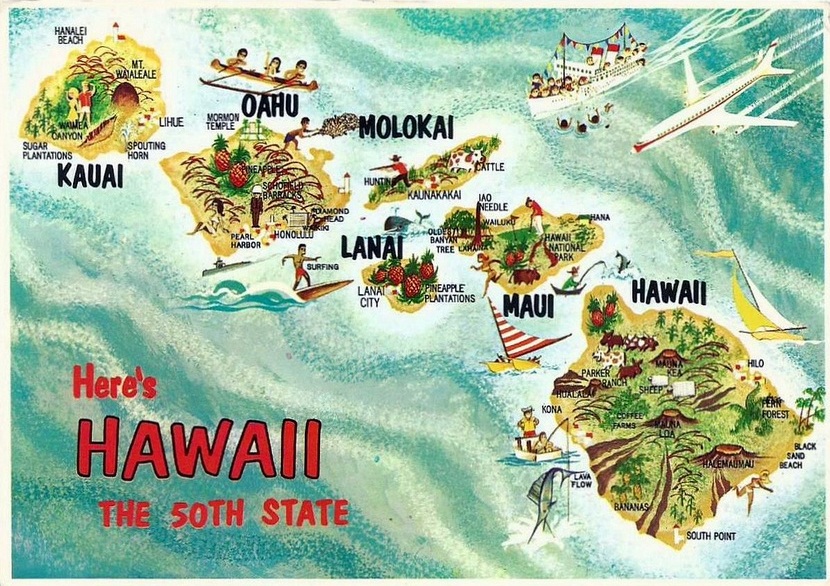
Each of Hawaii‘s main islands offers a distinct personality and a myriad of experiences, inviting visitors to craft their perfect island escape.
- Oahu: Often referred to as “The Gathering Place,” Oahu is home to the capital city of Honolulu and the iconic Waikiki Beach. It’s a vibrant hub where urban sophistication meets pristine natural landscapes. Beyond the bustling surf of Waikiki, visitors can hike to the summit of Diamond Head for panoramic views, delve into history at Pearl Harbor, or explore the lush North Shore, famous for its legendary surfing breaks. Attractions like the Polynesian Cultural Center offer an immersive dive into the diverse cultures of the Pacific, while the Dole Plantation provides a sweet taste of Hawaii‘s agricultural past. Oahu caters to every lifestyle, from luxury travelers seeking upscale dining and designer boutiques to budget-conscious adventurers exploring hidden waterfalls and local food trucks.
- Maui: Known as “The Valley Isle,” Maui is synonymous with romance and breathtaking natural beauty. Its diverse landscape ranges from the volcanic crater of Haleakala National Park, where sunrise views are legendary, to the lush, winding Hana Highway with its countless waterfalls and black sand beaches. The beaches of Kaanapali Beach and Wailea are famed for their golden sands and luxurious resorts. Lahaina, a historic whaling town, now offers charming shops, art galleries, and acclaimed restaurants. Maui is perfect for those seeking a blend of adventure and relaxation, with opportunities for snorkeling, whale watching, and exploring quaint towns.
- Kauai: “The Garden Isle” lives up to its name with its verdant, rugged terrain, dramatic cliffs, and pristine rainforests. The awe-inspiring Napali Coast, accessible by boat or helicopter, is a testament to nature’s grandeur, while Waimea Canyon, often called the “Grand Canyon of the Pacific,” offers spectacular vistas. Kauai is ideal for eco-tourists, hikers, and those looking to unplug and immerse themselves in untouched natural beauty. Its slower pace and abundance of outdoor activities cater to a tranquil yet adventurous lifestyle.
- Big Island (Hawaii Island): The largest and youngest of the islands, Big Island (Hawaii Island) offers unparalleled diversity, from active volcanoes to snow-capped mountains and black sand beaches. Hawaii Volcanoes National Park, home to Kilauea and Mauna Loa, provides a unique opportunity to witness the raw power of creation, making it a truly unforgettable landmark. The contrast between the vibrant town of Hilo on the rainy east side and the sunny, dry Kona coast on the west offers varied experiences. Coffee connoisseurs will appreciate tours of Kona coffee farms, while stargazers will marvel at the clear skies above Mauna Kea. Big Island (Hawaii Island) is a destination for discovery, offering a blend of scientific wonder, natural beauty, and cultural exploration.
Immersive Cultural Experiences and Local Cuisine
Hawaii‘s status as a state has allowed its unique culture to flourish, drawing visitors into a world rich with Polynesian traditions, Pacific influences, and American contributions. Tourists can engage in authentic experiences that go beyond mere sightseeing. Attending a traditional Luau is a must, offering not just a feast of local delicacies like kalua pig, poi, and fresh seafood, but also an evening of captivating hula dances, live music, and storytelling that connects visitors to ancient Hawaiian customs.
The culinary scene in Hawaii is a delicious reflection of its multicultural heritage. From upscale farm-to-table restaurants specializing in Hawaii Regional Cuisine to casual roadside stands serving poke bowls, shave ice, and plate lunches, the food is an attraction in itself. Exploring local farmers’ markets, like those found in Honolulu or Kona, provides a taste of fresh, exotic produce and handmade goods. Engaging with local artisans, learning a few basic Hawaiian phrases, or taking a Surfing lesson from a local instructor are all ways to embrace the “Aloha Spirit” and foster a deeper connection with the islands. These experiences cater to various lifestyles, from those seeking luxury culinary tours to budget-conscious foodies on a quest for authentic local flavors.

Planning Your Hawaiian Escape: Accommodation and Activities
With its diverse landscapes and varied experiences, planning a trip to Hawaii involves choosing the right accommodation and activities to match your travel style and preferences. Whether you’re seeking a lavish retreat, a family-friendly adventure, or a serene, budget-conscious getaway, Hawaii has an option for you.
Diverse Accommodation Options for Every Lifestyle
Hawaii boasts an impressive array of accommodation, catering to every type of traveler. Luxury travel is exceptionally well-represented, with world-renowned resorts offering unparalleled amenities, exclusive services, and breathtaking oceanfront views. Hotels like the Grand Wailea, A Waldorf Astoria Resort on Maui, the Four Seasons Resort Maui at Wailea, or the Ritz-Carlton, Kapalua provide lavish suites, private villas, award-winning spas, and gourmet dining experiences. In Waikiki, the historic Moana Surfrider, A Westin Resort & Spa and The Royal Hawaiian, A Luxury Collection Resort offer iconic beachfront stays. These establishments often come with concierge services, private beach access, and a plethora of activities designed for a seamless, indulgent vacation.
For family trips, many resorts offer extensive kids’ clubs, multiple pools with slides, and spacious suites or apartments designed to accommodate larger groups. Properties like the Hyatt Regency Maui Resort and Spa are known for their family-friendly amenities. Mid-range hotels, such as the Aston Waikiki Beach Hotel or various boutique hotels in Honolulu, provide comfortable stays with excellent access to attractions without the premium price tag. Budget travel options also exist, including vacation rentals, guesthouses, and hostels, particularly in areas away from the main tourist hubs. Long-term stay apartments and villas are ideal for those looking to experience local life more deeply or for business travelers needing extended accommodation. Online booking platforms and comparison sites make it easy to find and review accommodations that fit specific needs and budgets, ensuring a comfortable base for your Hawaiian adventures.
Must-See Landmarks and Unforgettable Adventures
Hawaii‘s landscapes are themselves world-class landmarks, offering a playground for adventure and exploration. Beyond the historical sites like Pearl Harbor and Iolani Palace, natural wonders abound.
- Diamond Head: A prominent volcanic tuff cone overlooking Waikiki, offering a moderately challenging hike to a historic lighthouse and unparalleled views of Honolulu and the coastline.
- Haleakala National Park: On Maui, this dormant volcano’s summit is famous for its stunning sunrises and sunsets, otherworldly landscapes, and unique ecosystems.
- Napali Coast: The dramatic, emerald-hued cliffs of Kauai are best experienced by boat tour, catamaran, or helicopter, revealing secluded beaches and ancient Hawaiian valleys.
- Hawaii Volcanoes National Park: On Big Island (Hawaii Island), this park is a UNESCO World Heritage site, home to two of the world’s most active volcanoes, Kilauea and Mauna Loa, offering mesmerizing views of lava flows (when active) and diverse volcanic landscapes.
- Waimea Canyon: Kauai‘s “Grand Canyon of the Pacific” boasts stunning geological formations, vibrant colors, and numerous hiking trails.
Activities cater to every level of thrill-seeker and relaxation-seeker. Surfing is synonymous with Hawaii, with countless schools offering lessons for beginners on gentle Waikiki waves, while experts tackle the monstrous swells of the North Shore. Snorkeling and diving in the crystal-clear waters reveal a kaleidoscope of marine life, with popular spots like Molokini Crater off Maui. Hiking trails crisscross all islands, leading to hidden waterfalls, lush rainforests, and spectacular viewpoints. From helicopter tours over active volcanoes to sailing excursions at sunset, Hawaii promises an unforgettable adventure for every visitor, making it a top choice for travelers seeking both iconic landmarks and thrilling experiences.
Embrace the Aloha Spirit: Tips for Your Hawaiian Journey
To fully appreciate the magic of Hawaii and make your journey truly memorable, embracing the local culture and preparing wisely are key. The “Aloha Spirit” is more than just a greeting; it’s a way of life that emphasizes love, compassion, and respect for others and the land.
When planning your trip, consider the best time to visit based on your preferences. The peak season generally runs from December to April, offering cooler, drier weather but also higher prices and larger crowds. Shoulder seasons (April-May and September-November) often provide a good balance of pleasant weather and fewer tourists. Booking flights and accommodations well in advance, especially during peak times, is highly recommended to secure the best rates and availability. Utilize comprehensive travel guides and reviews to choose hotels and attractions that align with your interests, whether you’re seeking luxury, budget-friendly options, or family-focused amenities.
Pack light, breathable clothing, but also bring layers for cooler evenings, especially if you plan to visit higher elevations like Haleakala. Sun protection is paramount – reef-safe sunscreen, hats, and sunglasses are essential. Renting a car is advisable on most islands, as it offers the flexibility to explore beyond the main tourist areas and discover hidden gems. However, for Oahu, public transportation and ride-shares can be sufficient if you plan to stay mostly in Honolulu and Waikiki.
Engage with the local culture respectfully. Learn a few Hawaiian words, like “Mahalo” (thank you) and “Aloha” (hello/goodbye/love). Always ask for permission before taking photos of people, and respect sacred sites. Be mindful of environmental conservation; stick to marked trails, avoid touching coral while Snorkeling, and properly dispose of waste. Support local businesses, from farmers’ markets to small shops, to contribute directly to the Hawaiian economy.
Finally, remember that Hawaii is an American state, but it is also a distinct cultural entity with a unique history and heritage. Take the time to learn about its past, appreciate its diverse communities, and savor its natural wonders. By doing so, your answer to “What year did Hawaii become a state?” will transform from a simple date into an understanding of a vibrant history that continues to shape this extraordinary destination, inviting you to return again and again to experience its unparalleled beauty and the true spirit of Aloha.
LifeOutOfTheBox is a participant in the Amazon Services LLC Associates Program, an affiliate advertising program designed to provide a means for sites to earn advertising fees by advertising and linking to Amazon.com. Amazon, the Amazon logo, AmazonSupply, and the AmazonSupply logo are trademarks of Amazon.com, Inc. or its affiliates. As an Amazon Associate we earn affiliate commissions from qualifying purchases.