
The vibrant archipelago of Hawaii, a chain of volcanic islands teeming with breathtaking landscapes, rich cultural heritage, and unparalleled opportunities for adventure, holds a special place in the hearts of travelers worldwide. While its allure as a premier travel destination is undeniable, many who dream of basking in its sun-drenched beaches or exploring its lush rainforests may wonder about its political status and, specifically, when this tropical paradise officially joined the United States of America. The answer to “What year did Hawaii become a state?” is a significant marker in its history, ushering in a new era for the islands and its people.
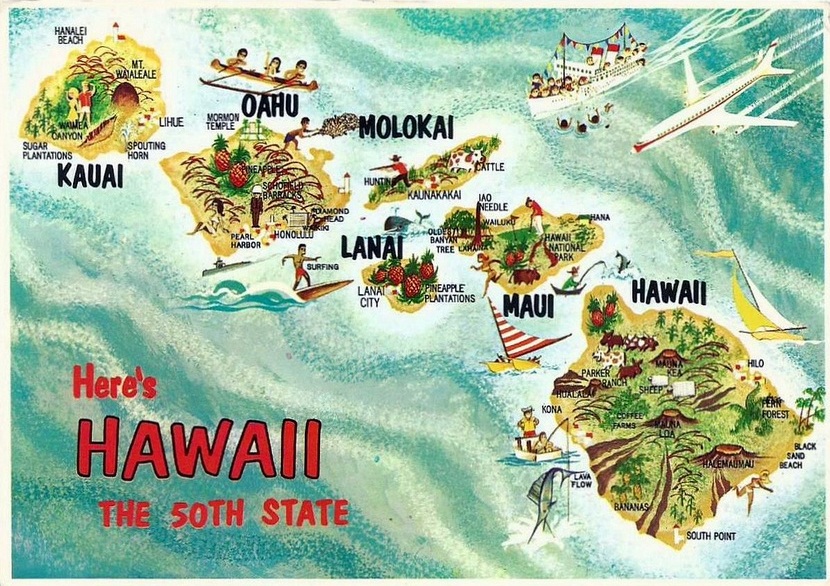
The journey of Hawaii from an independent kingdom to a U.S. state is a fascinating narrative interwoven with exploration, annexation, and a long-sought-after democratic process. For decades, Hawaii existed as a sovereign nation, ruled by monarchs and fostering a unique Polynesian culture. However, as global powers shifted and the strategic importance of the Pacific Ocean grew, its destiny became increasingly tied to that of the United States.
The Road to Statehood: A Historical Overview
The story of Hawaii‘s statehood is not a sudden event but rather a gradual process shaped by significant historical developments. Understanding this evolution is crucial to appreciating the full context of its accession to the Union.
Pre-Annexation: The Hawaiian Kingdom
Before its eventual annexation, Hawaii was an established monarchy with a rich history dating back centuries. The arrival of European explorers, notably Captain James Cook in 1778, marked the beginning of significant external influence. Over time, Hawaii developed into a kingdom, with powerful monarchs like King Kamehameha I uniting the islands under a single banner. The Hawaiian Kingdom maintained diplomatic relations with various countries and developed its own constitution and governance structures. The islands attracted foreign traders, whalers, and missionaries, leading to increasing economic and cultural exchanges. However, this also brought about a growing presence of foreign business interests, particularly in the lucrative sugar industry.
The Overthrow of the Monarchy and Annexation
The late 19th century witnessed a pivotal and controversial period. American businessmen and sugar planters, who had amassed significant economic power on the islands, began to exert political influence. This culminated in the overthrow of Queen Liliuokalani, the last reigning monarch of Hawaii, in 1893 by a group of American and European businessmen supported by the U.S. Marines. This event, widely considered illegal by many Hawaiians, led to the establishment of the Provisional Government and subsequently the Republic of Hawaii.
The subsequent push for annexation by the United States faced considerable opposition, both from within Hawaii and from some quarters in the U.S. Congress. Despite petitions signed by thousands of Hawaiians protesting annexation, the political tide eventually turned. In 1898, during the presidency of William McKinley, Hawaii was formally annexed by the United States as a territory. This marked the end of Hawaii‘s independence and the beginning of its territorial status, a period that would last for over six decades.
The Path to Becoming the 50th State
As a U.S. territory, Hawaii experienced significant changes. Its strategic importance was highlighted during World War II, particularly after the attack on Pearl Harbor. This event underscored Hawaii‘s vital role in national defense and further solidified its connection to the mainland United States. However, the desire for full statehood among the Hawaiian people and their representatives remained a strong aspiration.
The Struggle for Self-Determination

For many years, various factors hindered Hawaii‘s path to statehood. Political considerations, racial prejudices, and geopolitical strategies all played a role in the prolonged debate. Advocates for statehood argued that Hawaii was ready to assume the responsibilities and rights of a state, pointing to its developed economy, democratic institutions, and the loyalty of its citizens. They emphasized that as a territory, Hawaiians lacked full representation in Congress and could not vote for the U.S. President.
The post-World War II era saw a renewed and intensified push for statehood. Several attempts were made to pass statehood bills in Congress, but they often faced roadblocks. The complex political landscape of the time, including Cold War tensions and debates about racial integration, contributed to the delay. Nevertheless, the movement for statehood gained momentum, fueled by a growing sense of national identity and a desire for equal rights.
The Triumphant Year: 1959
Finally, after a long and arduous struggle, the tide turned. In 1959, with widespread bipartisan support and a clear understanding of Hawaii‘s readiness and the democratic will of its people, Congress passed the Hawaii Admission Act. This landmark legislation paved the way for Hawaii to officially become a state.
On August 21, 1959, Hawaii was officially admitted to the Union as the 50th state. This historic moment was met with immense celebration across the islands. It marked the culmination of decades of political activism, diplomatic efforts, and the unwavering spirit of the Hawaiian people. The admission of Hawaii as the 50th state was a significant achievement, symbolizing a new chapter in its history and a full integration into the fabric of the United States. This event not only changed the political landscape but also had profound implications for tourism, economy, and the cultural identity of the islands.
Experiencing Hawaii: From Statehood to Your Dream Vacation
Since achieving statehood, Hawaii has solidified its reputation as one of the world’s most sought-after travel destinations. Its unique blend of American dynamism and Polynesian charm offers an unforgettable experience for every visitor.
Island Hopping and Diverse Attractions
Each of the main Hawaiian Islands offers a distinct personality and a wealth of attractions. Visitors can explore the bustling city life and iconic surf spots of Oahu, home to Honolulu and Waikiki Beach. For those seeking dramatic volcanic landscapes and a more rugged adventure, the island of Hawaii (the Big Island) beckons with Hawaii Volcanoes National Park and its active Kīlauea volcano. The lush, green beauty of Kauai, often called the “Garden Isle,” offers stunning cliffs along the Na Pali Coast and verdant valleys. Maui provides a mix of luxurious resorts, pristine beaches like Ka’anapali, and the majestic Haleakala volcano, where one can witness breathtaking sunrises.
Accommodation and Lifestyle Choices
The statehood of Hawaii has also contributed to the development of its tourism infrastructure, offering a wide range of accommodation options to suit every traveler’s needs and budget. From luxurious beachfront resorts like the Grand Wailea, A Waldorf Astoria Resort, offering unparalleled amenities and stunning ocean views, to charming boutique hotels and cozy vacation apartments, visitors can find their perfect home away from home. Families might opt for spacious villas or resorts with kid-friendly activities, while budget travelers can find excellent guesthouses or even consider long-term stays in apartments. The lifestyle here is deeply connected to the natural environment, with opportunities for surfing, snorkeling, hiking, and enjoying the vibrant local culture.

Culinary Delights and Cultural Immersion
The statehood era has seen Hawaii‘s culinary scene blossom, embracing both traditional Hawaiian flavors and international influences. Visitors can savor fresh seafood, enjoy traditional luaus with kalua pig and poi, and explore diverse restaurants offering everything from Japanese sushi to Italian cuisine. Engaging with local culture is an integral part of the Hawaiian experience. Attending a hula performance, visiting historical sites like Iolani Palace, the only royal palace in the United States, or simply interacting with the friendly Hawaiian people offers a deeper appreciation for the islands’ rich heritage. Traveling tips often emphasize respecting local customs and the spirit of ‘aloha’.
In conclusion, the year Hawaii became a state, 1959, is a pivotal moment in its history, marking its full integration into the United States. This journey, from an independent kingdom to a U.S. territory and finally to the 50th state, has shaped its identity and its role as a leading global destination. Whether you are drawn by its natural wonders, its rich history, or its vibrant culture, Hawaii offers an unparalleled travel experience, forever cementing its place as a jewel in the Pacific.
LifeOutOfTheBox is a participant in the Amazon Services LLC Associates Program, an affiliate advertising program designed to provide a means for sites to earn advertising fees by advertising and linking to Amazon.com. Amazon, the Amazon logo, AmazonSupply, and the AmazonSupply logo are trademarks of Amazon.com, Inc. or its affiliates. As an Amazon Associate we earn affiliate commissions from qualifying purchases.