
The sprawling landscapes of Texas, a state synonymous with independence and a larger-than-life spirit, hold a rich tapestry of history. From its days as a fiercely independent republic to its eventual incorporation into the United States, understanding the timeline of Texas‘s statehood is crucial for appreciating its unique identity. The question, “What Year Did Texas Become A State?”, is more than just a historical footnote; it’s a gateway to understanding the complex journey of this vast and influential territory.
The Path to Statehood: A Republic’s Ambition
Before delving into the precise year Texas officially joined the Union, it’s important to grasp the preceding era. Texas was not always a part of the United States. For nearly a decade, it existed as its own sovereign nation, the Republic of Texas. This period of independence was born out of a revolution against Mexico, a struggle that culminated in the pivotal Battle of San Jacinto in 1836. The victory at San Jacinto secured Texas‘s independence, but it also presented the new republic with significant challenges.
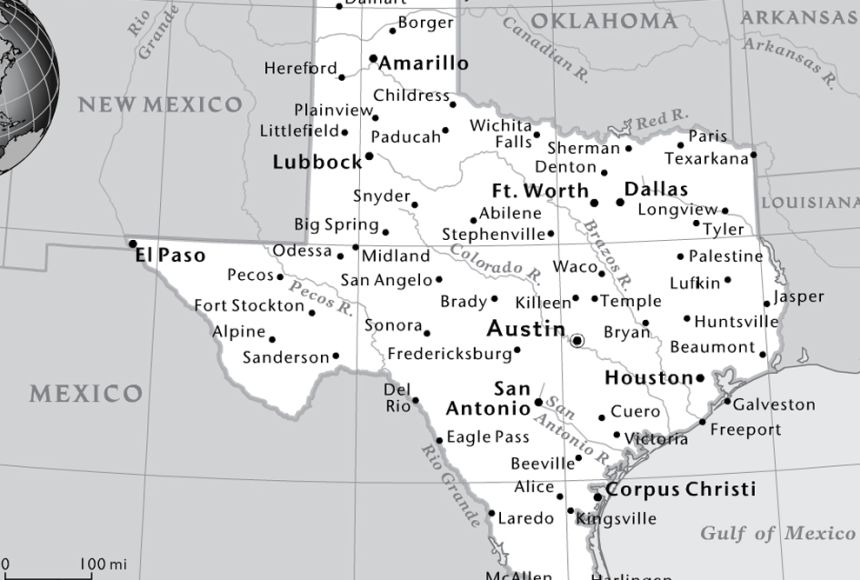
The early years of the Republic of Texas were marked by a desire for recognition on the international stage and, more importantly, a longing to be annexed by the United States. Texans often looked north, seeing their cultural and economic interests aligning more closely with their neighbors in the United States than with the turbulent political landscape of Mexico. However, the prospect of annexation was not immediately embraced by the United States.
The Annexation Debate: Slavery and Expansion
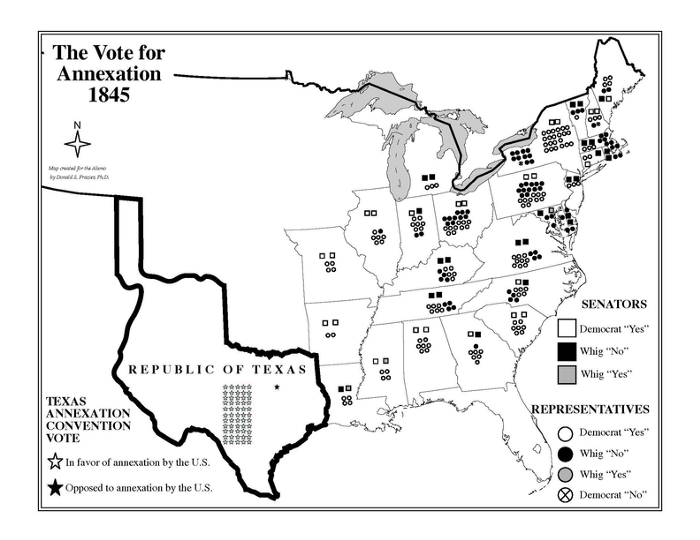
The primary obstacle to Texas‘s annexation was the contentious issue of slavery. Texas, as a slave-holding republic, would have significantly altered the delicate balance of power between free and slave states in the United States Senate. Southern states were eager to welcome Texas as another powerful voice for their interests, while many Northern states vehemently opposed the expansion of slavery. This debate raged for years, influencing presidential elections and shaping foreign policy.
Furthermore, the lingering threat of conflict with Mexico was a significant concern. Mexico never formally recognized the Republic of Texas‘s independence and viewed annexation by the United States as an act of aggression. This geopolitical tension made both Texas and the United States hesitant to make a definitive move.
Despite these hurdles, the momentum for annexation continued to build. Proponents, including many influential Texans and American politicians, argued for the strategic advantages of incorporating Texas into the Union, citing its vast resources and strategic location. The idea of Manifest Destiny – the belief that the United States was destined to expand across the continent – also played a crucial role in fueling the desire for Texas‘s inclusion.
The Year of Admission: 1845
After years of political maneuvering, negotiation, and intense public debate, the United States Congress finally passed a joint resolution for the annexation of Texas. This resolution, signed into law by President John Tyler on March 1, 1845, paved the way for Texas to become the 28th state of the United States.
However, the process was not instantaneous. The terms of annexation required Texas to formally accept the offer. On July 4, 1845, the citizens of Texas held a convention and overwhelmingly voted to accept the annexation terms. This decision was then ratified by the Texan Congress on October 10, 1845.
Finally, on December 29, 1845, President James K. Polk signed the act admitting Texas into the Union as a state. Therefore, the definitive answer to “What Year Did Texas Become A State?” is 1845. This year marks a pivotal moment in both Texas and American history, forever altering the geopolitical landscape of North America.
The admission of Texas was not without consequence. It directly contributed to the outbreak of the Mexican-American War (1846-1848), as Mexico viewed the annexation as a violation of its sovereignty. This war ultimately resulted in Mexico ceding a vast territory to the United States, including present-day California, Nevada, Utah, Arizona, New Mexico, and parts of Colorado and Wyoming.
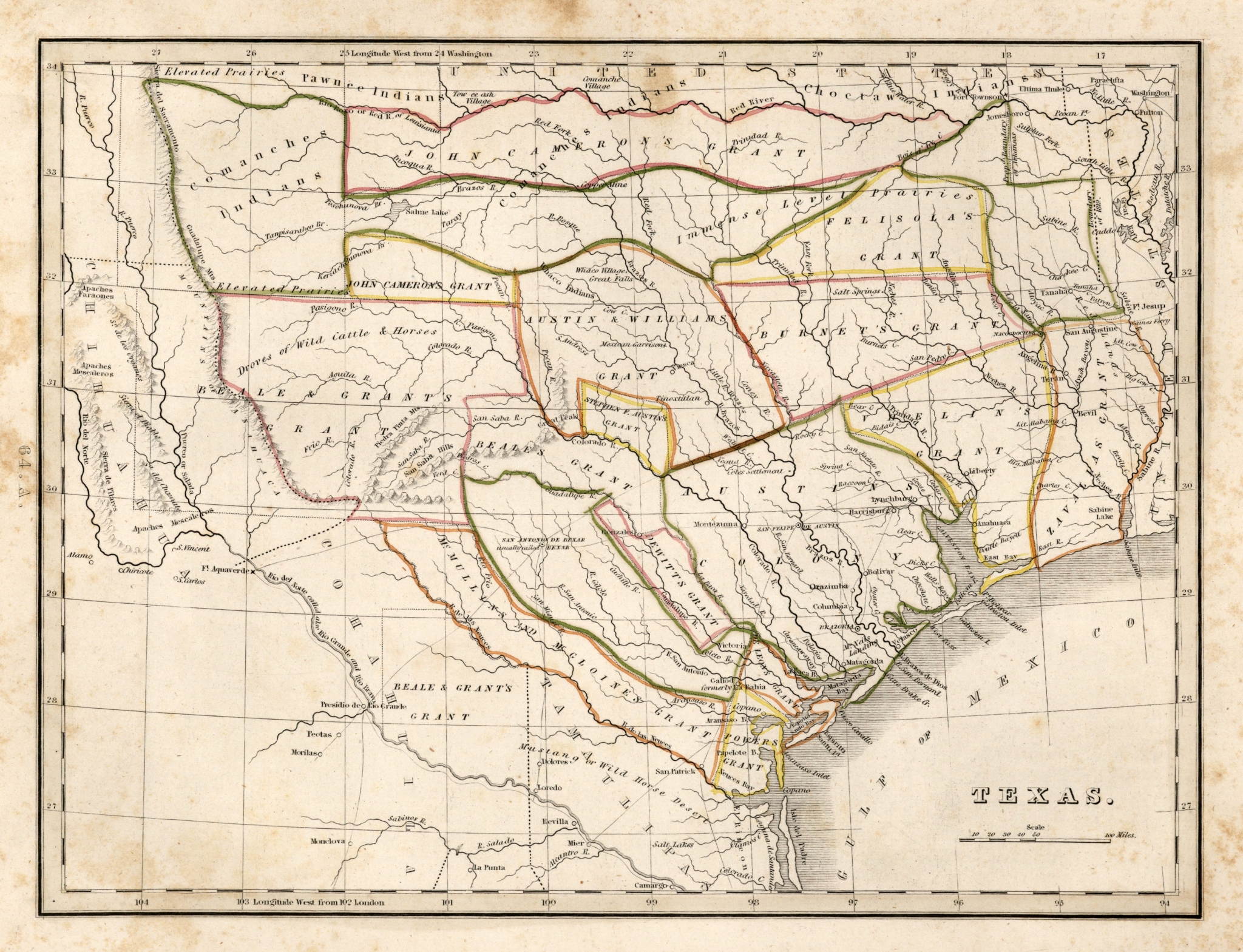
Texas Today: A Legacy of Independence and Growth
The decision to become a state did not erase Texas‘s independent spirit. The state’s motto, “Friendship,” hints at its historical roots, and its nickname, the “Lone Star State,” is a constant reminder of its past as a republic. Today, Texas is a dynamic and diverse state, a major player in the national economy, and a captivating destination for travelers and residents alike.
From the bustling metropolises of Houston and Dallas to the historic charm of San Antonio and the artistic vibrancy of Austin, Texas offers a wealth of experiences. Visitors can explore iconic landmarks like the Alamo, delve into the rich local culture, savor world-renowned Texan cuisine, and embark on unforgettable adventures across its diverse landscapes. The legacy of its statehood in 1845 continues to shape its identity, a unique blend of frontier spirit and modern ambition.
The journey from a fledgling republic to a powerhouse state is a testament to the resilience and determination of the Texan people. Understanding when Texas became a state is the first step in appreciating the complex and compelling narrative of this extraordinary corner of the United States. Whether you’re drawn by its history, its culture, or its wide-open spaces, Texas offers a travel experience unlike any other.
The decision for Texas to join the United States was a complex one, driven by a confluence of factors including political aspirations, economic opportunities, and the persistent issue of slavery. The path to statehood was long and arduous, involving years of negotiation, debate, and even conflict. However, by 1845, Texas had successfully navigated these challenges, securing its place as the 28th state in the American union. This pivotal moment not only shaped the future of Texas but also had profound implications for the territorial expansion of the United States as a whole.
Exploring Texas: A Land of Diverse Attractions
The year 1845 is etched in the annals of Texas history as the moment it officially joined the United States. This transition from independent republic to a state within the Union opened up new avenues for development and tourism, cementing Texas‘s role as a significant destination. Today, the state is a melting pot of cultures and landscapes, offering a diverse range of attractions that appeal to every type of traveler.
For history buffs, the legacy of the Republic of Texas is palpable. Visiting the Alamo in San Antonio is a pilgrimage for many, a solemn reminder of the fierce battle for independence. The San Jacinto Monument, commemorating the decisive victory, stands as a towering symbol of Texan resolve. Beyond these iconic sites, numerous historical markers and museums across the state tell the story of pioneers, cowboys, and the rich heritage that forged Texas.
Nature lovers will find themselves captivated by the sheer scale and variety of Texas‘s natural beauty. From the piney woods of East Texas to the rugged landscapes of Big Bend Country and the Gulf Coast’s pristine beaches, there’s an outdoor adventure waiting around every corner. Hiking in Big Bend National Park, exploring the unique ecosystem of the Caddo Lake State Park, or enjoying water sports along the coast offers a refreshing escape and a chance to connect with the natural world.
The vibrant cities of Texas are hubs of culture, entertainment, and culinary delights. Austin, the state capital, is renowned for its live music scene and vibrant arts community, often dubbed the “Live Music Capital of the World.” Houston, a sprawling metropolis, boasts world-class museums, a diverse culinary landscape, and the iconic Space Center Houston, offering a glimpse into the wonders of space exploration. Dallas, a modern economic powerhouse, is a center for arts, fashion, and fine dining, while San Antonio charms visitors with its Riverwalk, historic missions, and Tex-Mex heritage.
Accommodation and Experiences in Texas
Planning a trip to Texas offers a wide array of accommodation options to suit every budget and preference. From luxurious resorts nestled in picturesque landscapes to charming boutique hotels in historic districts and modern apartment rentals in bustling cities, Texas caters to all. Travelers seeking a pampered experience can find opulent suites and world-class amenities at resorts like the Ritz-Carlton Dallas or the Four Seasons Resort and Club Dallas at Las Colinas. For those who prefer a more independent stay, numerous apartments and villas are available for short-term or long-term rentals, providing a home-away-from-home feel.
The tourism industry in Texas thrives on its unique blend of local culture and engaging activities. Food enthusiasts can embark on a culinary journey, sampling everything from authentic Tex-Mex and slow-smoked barbecue to global cuisines in its diverse cities. Exploring local markets, attending food festivals, and taking cooking classes are excellent ways to immerse oneself in the state’s gastronomic scene. Beyond the plate, Texas offers a plethora of activities, including rodeos, horseback riding, fishing, and attending sporting events, particularly passionate football games that are a cultural phenomenon in the state.
For families, Texas provides endless entertainment. Theme parks like Six Flags Over Texas and Schlitterbahn Waterpark offer thrilling rides and water-based fun. Zoos, science museums, and interactive exhibits in cities like Fort Worth and Houston ensure that children of all ages are engaged and educated. The vastness of the state also allows for road trips and exploration, discovering hidden gems and experiencing the diverse regional cultures that make up Texas.
Whether embarking on a luxury getaway, a budget-conscious adventure, a family vacation, or a business stay, Texas delivers an unforgettable experience. The state’s rich history, vibrant culture, diverse landscapes, and warm hospitality combine to create a destination that truly embodies its motto of “Friendship.” The year 1845 marked its entry into the United States, but the spirit of Texas has always been a force of its own, drawing visitors from across the globe to explore its unique allure.