
Alabama, often celebrated as the Heart of Dixie, is a state of remarkable natural beauty and diverse landscapes. From the gentle undulations of the Appalachian foothills in the north to the sun-drenched beaches of the Gulf Coast in the south, its varied topography creates a fascinating mosaic of climates. For gardeners, farmers, and even curious travelers interested in the local flora and agriculture, understanding Alabama’s plant hardiness zones is key. These zones not only dictate what can successfully grow but also subtly shape the state’s aesthetic, its local cuisine, and many of its tourism experiences.
This exploration delves into the specifics of Alabama’s planting zones, unraveling how these climatic classifications impact everything from backyard gardens to grand botanical displays and the farm-to-table movement that enriches the local Tourism scene. Beyond the horticultural insights, we’ll journey through how Alabama’s climate diversity contributes to its appeal as a travel destination, offering a spectrum of Experiences and Accommodation options that cater to every Lifestyle.
Understanding Alabama’s USDA Plant Hardiness Zones
The United States Department of Agriculture (USDA) Plant Hardiness Zone Map is an invaluable tool for anyone looking to cultivate plants. It divides the United States into 13 zones based on the average annual extreme minimum winter temperature. Each zone is further divided into ‘a’ and ‘b’ subzones, representing a 5°F difference. This system helps gardeners determine which perennial plants are most likely to survive the winter in their specific location. For a state like Alabama, with its significant north-to-south stretch and varied elevation, these zones tell a compelling story about its ecological diversity.
A Spectrum of Climates: From North to South
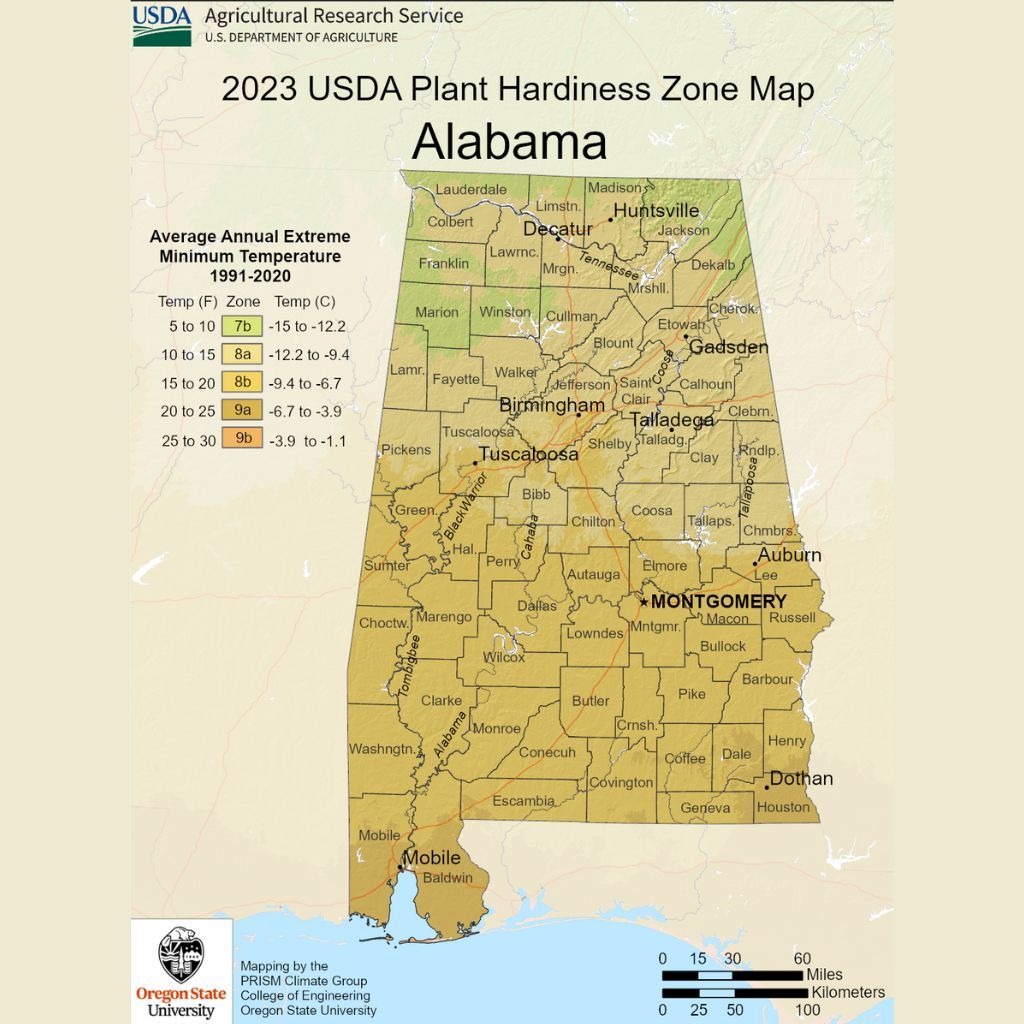
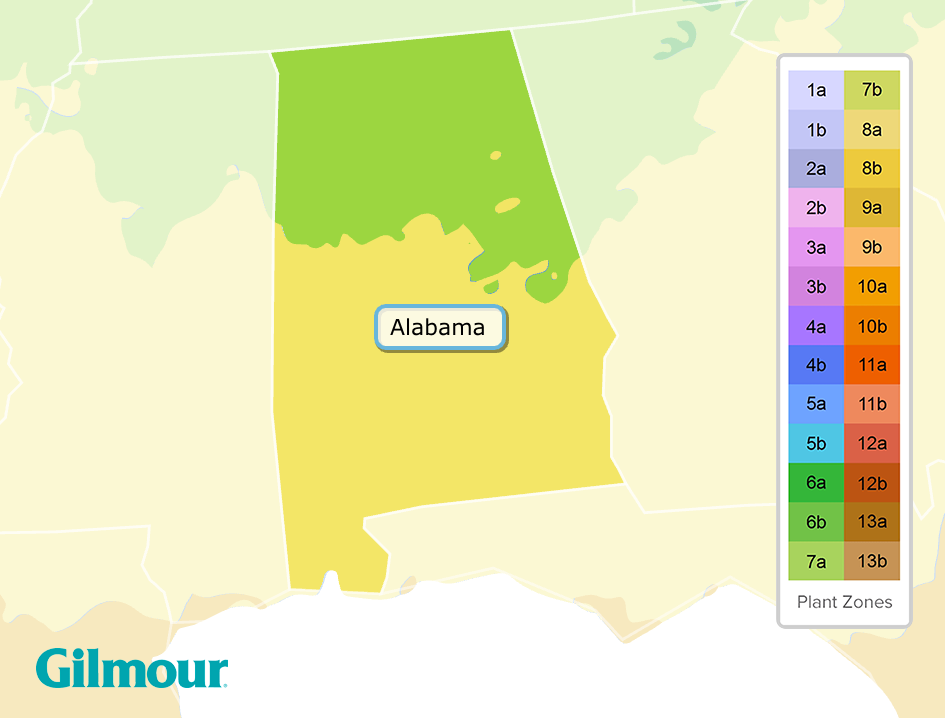
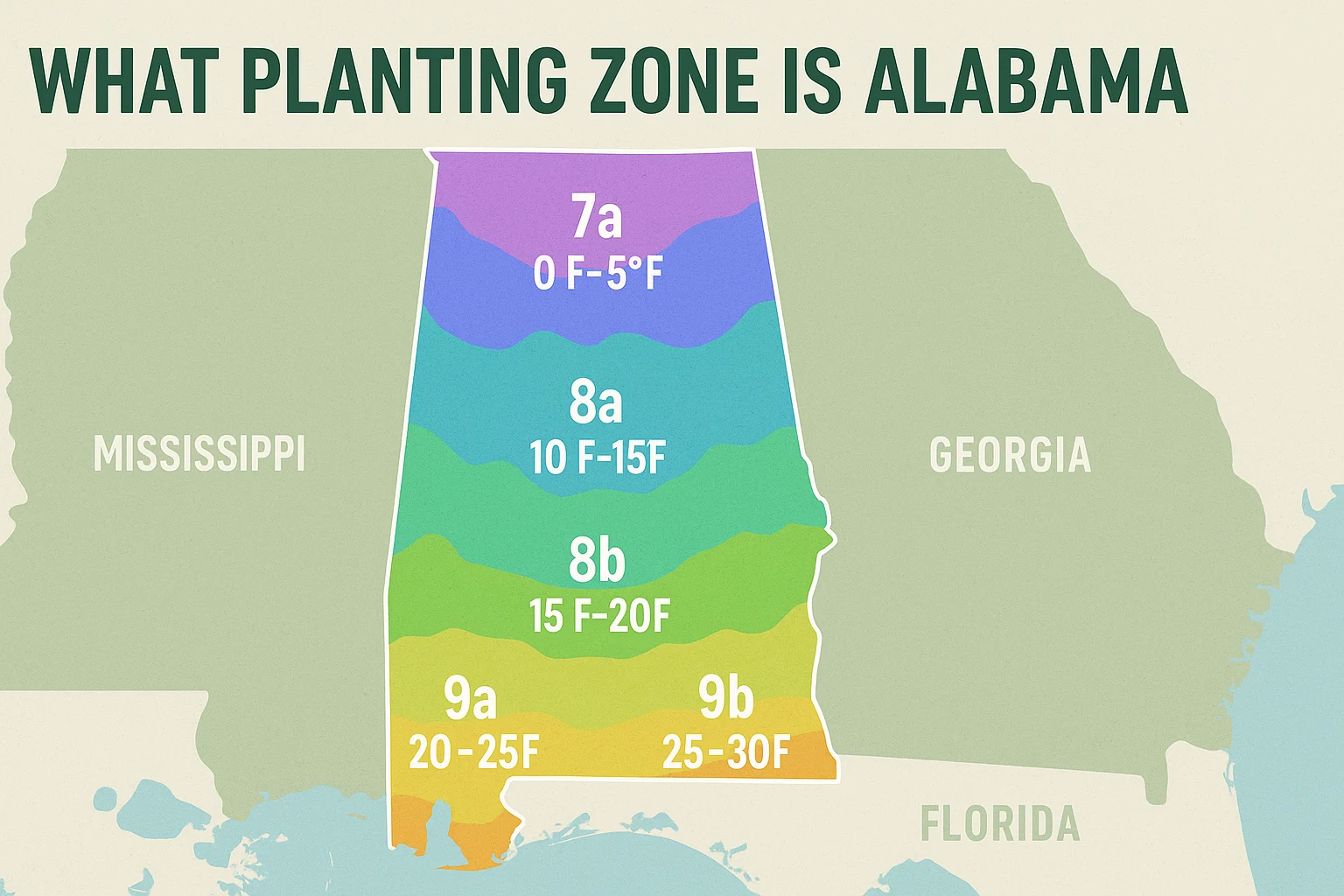
Alabama’s geography blesses it with a range of USDA Hardiness Zones, primarily spanning Zone 7b to Zone 9a. This wide range underscores the significant climatic shifts one experiences traveling across the state.
In Northern Alabama, particularly in the mountainous and foothill regions near cities like Huntsville, you’ll typically find Zone 7b. This zone experiences average annual extreme minimum temperatures between 5°F and 10°F. Here, winters are cooler, and a greater variety of temperate-zone plants can thrive, often requiring a chilling period that isn’t always available further south. The landscapes here are characterized by rolling hills, dense forests, and cooler temperatures, which influences the types of outdoor Activities available, from hiking the Appalachian trails to exploring serene state parks.
As one moves south towards the central part of the state, including metropolitan areas like Birmingham and Tuscaloosa, the climate transitions into Zone 8a (10°F to 15°F) and Zone 8b (15°F to 20°F). These zones represent a milder winter, allowing for a broader palette of plants that might struggle in the colder northern reaches. This central belt is often characterized by a mix of urban development, agricultural lands, and significant historical sites, where well-maintained gardens and public parks showcase a vibrant blend of temperate and subtropical flora.
The southernmost part of Alabama, especially along the Gulf Coast including cities like Mobile, Gulf Shores, and Orange Beach, falls predominantly into Zone 9a (20°F to 25°F). This is Alabama’s warmest zone, experiencing very mild winters where frost is less common and seldom severe. This subtropical climate supports a host of plants that are typically associated with tropical or semi-tropical regions, creating lush, verdant landscapes year-round. The coastal environment, with its abundant sunshine and proximity to the Gulf of Mexico, defines a unique Lifestyle centered around beach activities, fresh seafood, and vibrant cultural Experiences.
Cultivating Beauty: What Thrives Where
The varying hardiness zones directly influence the gardening culture and the natural beauty visitors can expect in different parts of Alabama.
In Zone 7b, you’ll find plants common to much of the Mid-Atlantic and Upper South. Deciduous trees like maples, oaks, and dogwoods provide spectacular fall foliage, drawing leaf-peepers as part of their Travel plans. Perennials such as hostas, coneflowers, and many varieties of azaleas and rhododendrons flourish. This region also supports a robust agricultural sector for crops requiring cooler temperatures.
Moving into Zone 8a/8b, the plant diversity expands significantly. Gardeners can successfully grow many of the Zone 7b plants while also introducing more heat-tolerant and milder-winter-loving species. Here, you’ll see a prevalence of camellias, gardenias, magnolias (the state flower), and many citrus varieties that can tolerate a light freeze. The vibrant spring blooms across this zone are a major draw, attracting Tourism to historic homes and gardens in cities like Montgomery and Auburn.
Zone 9a, the Gulf Coast region, boasts a truly subtropical paradise. Palm trees, hibiscus, bougainvillea, and various types of banana plants thrive, giving coastal towns like Dauphin Island a distinctly tropical feel. The mild climate also extends the growing season dramatically, allowing for multiple harvests of certain crops and year-round outdoor Activities. This lush environment is a cornerstone of the coastal Lifestyle and a major draw for vacationers seeking sun and natural beauty. Mobile Botanical Gardens is a prime example of Zone 9a’s capabilities, showcasing a breathtaking array of diverse plant collections.
Beyond the Garden: Alabama as a Premier Travel Destination
While the concept of planting zones might initially seem niche, its influence permeates the broader appeal of Alabama as a travel destination. The diversity of its climate directly translates into a diversity of natural environments, cultural Experiences, and distinct regional flavors, all contributing to a rich tapestry for travelers.
Exploring Alabama’s Diverse Landscapes and Attractions
Alabama’s varied climate creates a stunning array of natural Attractions. In the cooler northern zones, outdoor enthusiasts can explore the rugged beauty of places like Cheaha State Park, Alabama’s highest point, offering panoramic views, hiking trails, and picturesque waterfalls. The Little River Canyon National Preserve showcases impressive gorges and waterfalls, a testament to the temperate climate’s ability to sustain lush forest ecosystems. These areas are ideal for fall Travel when the leaves put on a spectacular show.
Central Alabama offers a blend of natural beauty and historical significance. The state capital, Montgomery, is steeped in Civil Rights history, with Landmarks like the Civil Rights Memorial Center and the Rosa Parks Museum. Birmingham, the state’s largest city, is a hub of culture, cuisine, and history, home to the Birmingham Civil Rights Institute and Vulcan Park and Museum, offering incredible city views. These urban centers provide a contrast to the natural parks, showcasing how history and urban Lifestyle flourish within the state’s mild climate zones.
Further south, the Alabama Gulf Coast is a sun-seeker’s paradise. The white sands of Gulf Shores and Orange Beach draw millions annually for beach Vacations, water sports, and fresh seafood. The historic city of Mobile, with its stunning antebellum architecture and vibrant Mardi Gras celebrations, provides a distinct cultural flair, its lush gardens a direct result of its Zone 9a climate. The USS Alabama Battleship Memorial Park is another major draw, showcasing naval history amidst the coastal greenery. Each region, influenced by its climate zone, offers unique Destinations and Attractions for every type of traveler.
Accommodation and Lifestyle: Tailoring Your Stay
Alabama’s diverse planting zones and travel offerings are complemented by a wide array of Accommodation options, ensuring every traveler finds a suitable base for their adventures. From luxurious Resorts to cozy Boutique Hotels and practical apartments, the state caters to various Lifestyles and budgets.
For those seeking Luxury Travel and unparalleled Amenities, the Gulf Coast is home to exquisite resorts like The Grand Hotel Golf Resort & Spa in Point Clear, known for its sprawling grounds, championship golf courses part of the Robert Trent Jones Golf Trail, and stunning bayside views, all enhanced by the lush Zone 9a landscaping. Similarly, upscale Hotels like the Renaissance Montgomery Hotel & Spa offer a refined experience in the heart of the state capital. Many of these properties integrate the local flora into their design, providing beautiful gardens and outdoor spaces that reflect their specific hardiness zone.
Urban centers like Birmingham and Huntsville offer a mix of international hotel chains and charming Boutique Hotels. In Birmingham’s Five Points South or Downtown Mobile’s historic district, visitors can find unique lodging that provides a taste of local culture and history, often within walking distance of renowned dining and entertainment. These areas are perfect for those who enjoy city breaks and want to immerse themselves in Alabama’s vibrant urban Lifestyle.
For Family Trips or longer stays, Vacation Rentals and apartments are widely available, especially in popular coastal areas or near major Attractions like the U.S. Space & Rocket Center in Huntsville. These options provide flexibility and amenities like full kitchens, appealing to those seeking a home-away-from-home Experience or Budget Travel solutions. Even mid-range Hotels like SpringHill Suites provide comfortable stays across the state. The variety ensures that whether you’re looking for an opulent retreat or a practical base for exploration, Alabama has an Accommodation solution tailored to your needs.
A Culinary and Cultural Journey Shaped by Climate
The climate and corresponding planting zones don’t just shape Alabama’s natural appearance; they profoundly influence its culinary landscape and cultural traditions. The rich soil and diverse growing conditions allow for a bounty of fresh produce, forming the backbone of the state’s renowned Southern cuisine.
From Farm to Table: Alabama’s Flavor Profile
Alabama’s planting zones are directly responsible for the variety of agricultural products that thrive here, underpinning the state’s vibrant Food scene. From sweet potatoes and pecans to peaches and peanuts, the state’s produce forms the foundation of classic Southern dishes. In the warmer Zone 8 and 9 areas, the extended growing season allows for multiple harvests, contributing to the abundance seen in local farmers’ markets and farm-to-table restaurants.
The Gulf Coast (Zone 9a) is famous for its fresh seafood – shrimp, oysters, and various fish species are caught daily, becoming central to the coastal Lifestyle and Tourism appeal. Pairing these local catches with locally grown vegetables creates a truly authentic Alabama dining Experience. Across the state, iconic Alabama barbecue, often featuring slow-smoked meats with unique regional sauces, complements the seasonal produce beautifully. Many restaurants in cities like Birmingham and Mobile pride themselves on sourcing ingredients locally, offering visitors a true taste of the state’s agricultural richness.
Festivals throughout the year celebrate these local harvests. From peach festivals in summer to pecan festivals in fall, these events highlight local culture and attract Tourists eager to sample the freshest produce directly from the source. This connection between the land and its culinary output is a vital part of Alabama’s identity.
Planning Your Visit: Embracing Alabama’s Seasons
Understanding Alabama’s planting zones also provides valuable Travel Tips for planning your visit. The distinct seasons, shaped by these climatic variations, offer different Experiences:
- Spring (March-May): This is arguably the most beautiful time to visit across all zones. The milder temperatures are perfect for exploring historical Landmarks, hiking in northern state parks, and enjoying the vibrant blooms in gardens statewide. It’s also peak season for many Cultural Activities and outdoor festivals.
- Summer (June-August): The Gulf Coast truly shines during summer, with warm waters perfect for swimming and beach Activities. Inland areas can be hot and humid, but cities offer indoor Attractions like museums and aquariums. Vacation Rentals near the beach are particularly popular for families during this time.
- Fall (September-November): Northern Alabama transforms with stunning fall foliage, ideal for scenic drives and hiking. The central and southern regions experience pleasant, milder weather perfect for golf (the Robert Trent Jones Golf Trail courses are spectacular in fall) and exploring urban centers without the peak summer heat.
- Winter (December-February): While northern Alabama can experience some cold snaps, the southern regions, especially Zone 9a, offer a wonderfully mild escape from harsher winters elsewhere. This is a great time to visit Mobile for its historic charm and early Mardi Gras events, or to enjoy quiet beach strolls on the Gulf Coast.
Ultimately, whether you’re a passionate gardener seeking to understand the local flora or a curious traveler eager to explore new Destinations, Alabama’s diverse planting zones are a fundamental aspect of what makes this state so captivating. They influence not just the plants that grow, but the very essence of its landscapes, its local culture, and the unforgettable Experiences it offers. From finding the perfect Hotels or Accommodation to savoring the local Food and visiting Landmarks, Alabama invites you to discover its unique charm, deeply rooted in its climatic and horticultural richness.