
Venturing into the vibrant heart of the Midwest, Chicago is renowned for its towering architecture, world-class museums, and a bustling urban landscape that captivates millions of travelers annually. Yet, beneath the steel and glass, a verdant secret thrives: a dynamic ecosystem of parks, gardens, and green initiatives that paint the city with seasonal splendor. For the avid gardener, the curious traveler, or anyone seeking to understand the unique natural rhythm of the Windy City, a crucial question emerges: What gardening zone is Chicago?
Understanding Chicago’s plant hardiness zone is more than just a technical detail for local green thumbs; it offers a fascinating lens through which to appreciate the city’s climate, its public green spaces, and even its culinary scene. It’s a key piece of information that influences everything from the resilience of the grand trees lining Grant Park to the viability of a rooftop garden atop a Magnificent Mile hotel. This guide delves into Chicago’s specific gardening zone, exploring its implications for both local horticulture and the wider travel experience, offering insights into how this urban oasis cultivates its impressive natural beauty.
Understanding USDA Plant Hardiness Zones: A Traveler’s Perspective
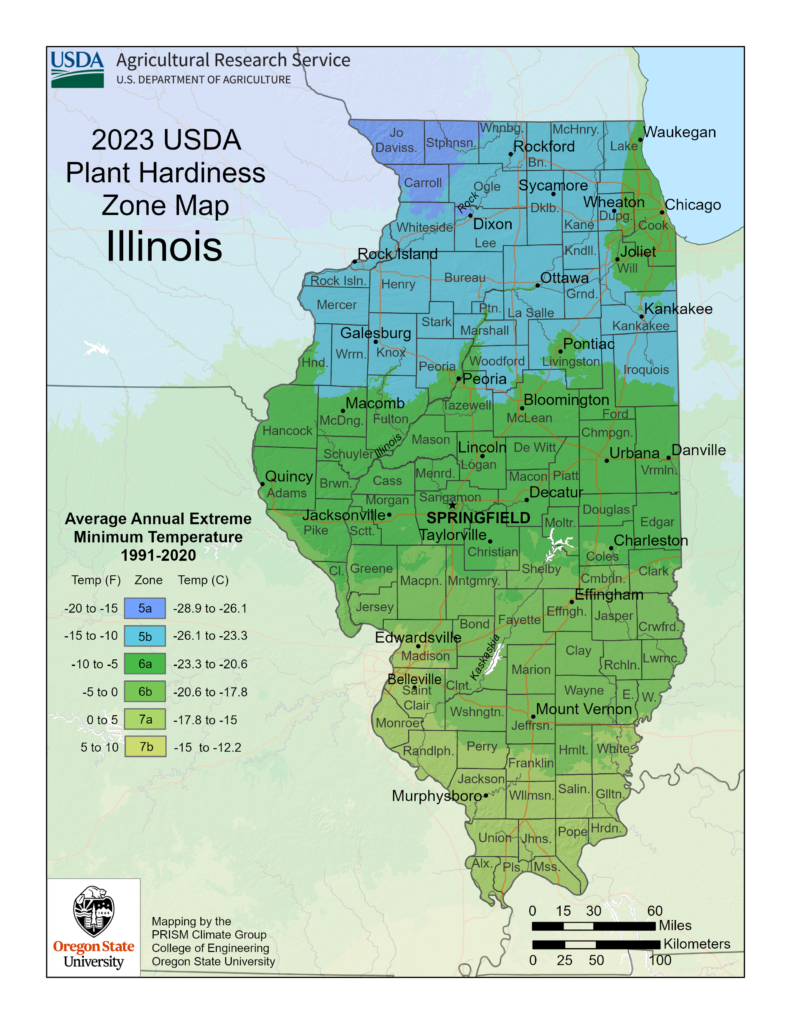
The concept of plant hardiness zones, developed by the United States Department of Agriculture (USDA), serves as a standardized guide for gardeners to determine which plants are most likely to survive the winter in a particular location. These zones are based on the average annual extreme minimum winter temperature, divided into 10-degree Fahrenheit zones, which are further subdivided into ‘a’ and ‘b’ 5-degree increments. While primarily a tool for planting, these zones also reveal much about a region’s climate, informing travelers about what kind of flora they can expect to encounter and at what times of the year, enhancing their understanding of a destination’s natural characteristics.
For a metropolis like Chicago, situated in the northern reaches of Illinois and hugging the shores of Lake Michigan, its hardiness zone is a defining feature of its environmental identity. The city’s location dictates a distinct four-season climate, with cold winters that significantly impact perennial plant survival. Grasping this helps travelers appreciate the deliberate planning and innovative spirit behind Chicago’s numerous green spaces, where resilient species are carefully selected to thrive against the elements. It’s not just about aesthetics; it’s about endurance, strategy, and a deep understanding of local climatic conditions.
Decoding the Zones: What Do They Mean for Chicago?
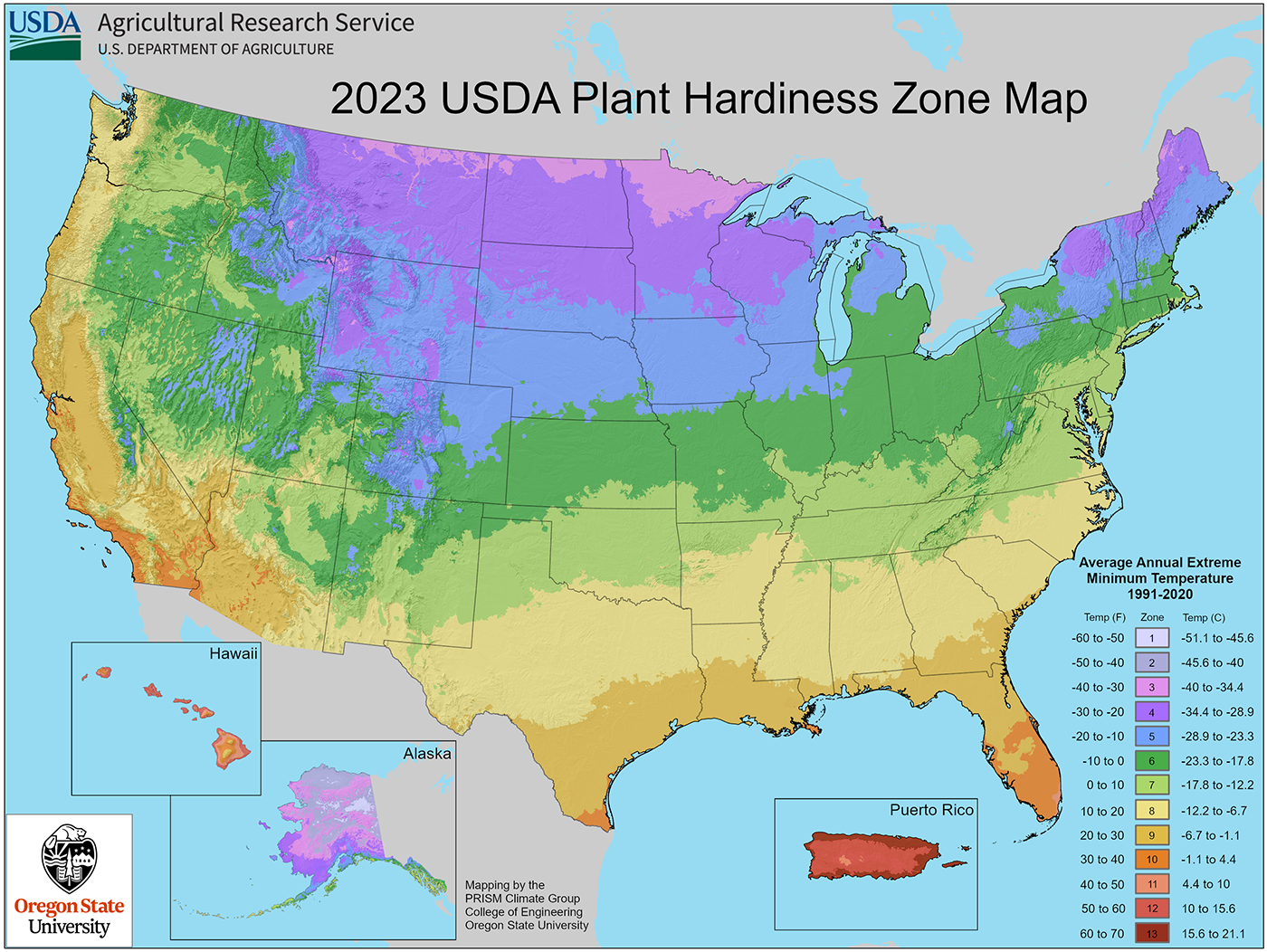
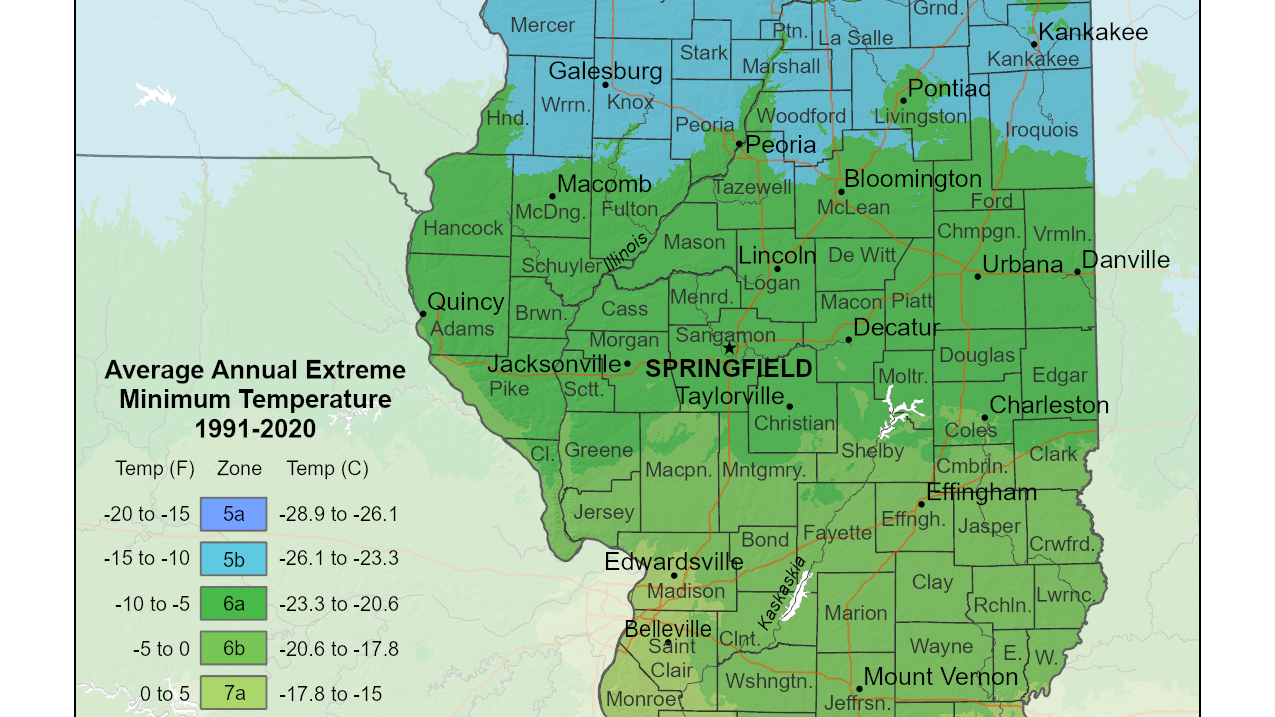
Historically, Chicago has been classified primarily within USDA Plant Hardiness Zone 5b. This designation means that the average annual extreme minimum winter temperature falls between -15 and -10 degrees Fahrenheit (-26.1 to -23.3 degrees Celsius). However, as climate patterns evolve and urban areas generate their own microclimates (known as the urban heat island effect), parts of metropolitan Chicago have begun to exhibit characteristics of Zone 6a, with average minimum temperatures ranging from -10 to -5 degrees Fahrenheit (-23.3 to -20.6 degrees Celsius). This shift, while subtle, has significant implications for local horticulture and offers opportunities for a broader palette of plants to survive the winter outdoors.
For visitors, understanding Chicago’s Zone 5b/6a reality means recognizing that the city experiences genuinely cold winters. This isn’t a region where tropical plants flourish outdoors year-round. Instead, the focus is on hardy perennials, deciduous trees, and shrubs that can withstand freezing temperatures, heavy snowfall, and the biting winds off Lake Michigan. Common plants thriving here include hostas, daylilies, hydrangeas, coneflowers, and a diverse range of oak, maple, and elm trees. Annuals, of course, can be grown with greater freedom, adorning window boxes and seasonal displays throughout the warmer months, only to be replaced the following spring.
This hardiness zone information provides a framework for appreciating the seasonal transformations of Chicago’s landscapes. In spring, the city bursts into life with crocuses, daffodils, and tulips. Summer brings lush foliage and a riot of colorful annuals. Fall transforms the tree-lined streets and parks into a breathtaking display of reds, oranges, and golds. Even in winter, the structural beauty of dormant plants and evergreens offers a serene, stark charm that is uniquely Midwest. Knowing the zone allows a deeper understanding of this resilient cycle, inviting travelers to observe the city’s flora with an informed eye.
The Microclimates of an Urban Oasis
While USDA zones provide a broad classification, large cities like Chicago are complex tapestries of localized microclimates. The urban heat island effect, where densely built areas are significantly warmer than surrounding rural areas, plays a crucial role. Buildings absorb and re-radiate heat, concrete and asphalt retain warmth, and human activity (transportation, heating, cooling) generates heat. This phenomenon can effectively push certain urban pockets into a warmer sub-zone, allowing slightly less hardy plants to survive where they might not in a more exposed, rural Zone 5b area.
For example, a sheltered courtyard within a downtown high-rise might experience milder winter lows than an open field on the outskirts of Chicagoland. Areas immediately adjacent to large bodies of water, such as Lake Michigan, can also experience moderated temperatures, with the lake acting as a heat sink in winter and a cooling force in summer. This makes the lakefront parks and areas particularly interesting from a horticultural perspective.
These microclimates are a testament to Chicago’s dynamic environment. They influence the success of community gardens tucked between buildings, the ambitious green roofs adorning modern structures, and the diverse plantings seen in public spaces. For the traveler, recognizing these subtle variations adds another layer of appreciation to the city’s green efforts. It highlights the ingenuity of urban planners and landscape architects who leverage these conditions to create verdant retreats amidst the urban sprawl, contributing significantly to the city’s appeal as a travel destination that seamlessly blends nature with architecture.
Chicago’s Green Heart: Parks, Gardens, and Urban Oases
Chicago’s commitment to green spaces is evident in its vast network of parks and gardens, many of which are world-renowned attractions. These meticulously maintained areas are not just beautiful backdrops; they are living laboratories demonstrating how to cultivate thriving landscapes within the city’s Zone 5b/6a parameters. For tourists, these green havens offer respite, recreation, and a deep dive into the city’s environmental ethos, showcasing sustainable practices and the sheer beauty that dedicated urban gardening can achieve.
From the monumental scale of its lakefront parks to the intimate charm of neighborhood green spaces, Chicago presents a masterclass in urban horticulture. Exploring these areas provides tangible examples of plants that flourish in the local climate, while simultaneously offering world-class leisure and cultural experiences. They serve as outdoor museums, botanical showcases, and vital lungs for the city, attracting millions of visitors who come to stroll, picnic, play, or simply soak in the natural beauty. This integration of nature into the urban fabric is a significant part of Chicago’s lifestyle and tourist appeal.
Iconic Green Spaces: Beyond the Concrete Jungle
Chicago boasts an impressive array of iconic green spaces, each offering a unique experience shaped by the city’s climate zone. These parks are not merely patches of grass; they are carefully designed landscapes that showcase the resilience and beauty of Zone 5b/6a flora.
Perhaps the most famous is Millennium Park, a stunning example of modern urban parkland. While known for Cloud Gate (The Bean) and its architectural marvels, the park’s Lurie Garden is a horticultural gem. Designed by Piet Oudolf, it features a “shoulder hedge” of hardy plants protecting a “dark plate” of perennial gardens. These plantings are specifically chosen for their ability to thrive in Chicago’s climate, offering year-round interest through their structure, texture, and seasonal changes. It’s a prime example of how artistic design meets practical hardiness zone considerations.
Adjacent to Millennium Park lies Grant Park, often referred to as “Chicago’s front yard.” This expansive park is home to Buckingham Fountain, the Art Institute of Chicago, and vast stretches of lawn, tree-lined promenades, and meticulously maintained flower beds. The sheer scale of planting here, from majestic oaks to vibrant annual displays in summer, requires an intimate knowledge of the hardiness zone to ensure consistent beauty. The trees provide crucial shade and habitat, while the seasonal flower beds burst with color, cycling through varieties that can tolerate the spring frosts, summer heat, and crisp autumn air typical of Zone 5b/6a.
Further north, Lincoln Park stretches for miles along Lake Michigan’s shoreline, encompassing beaches, the Lincoln Park Zoo, and the serene Lincoln Park Conservatory. While the conservatory houses exotic plants in controlled environments, the outdoor gardens of Lincoln Park are a testament to hardy native and adapted species. The formal gardens, rose gardens, and extensive tree canopy demonstrate what thrives naturally in the Chicago climate.
A true horticultural marvel deserving of special mention is the Garfield Park Conservatory. One of the largest and most impressive conservatories in the United States, it offers a year-round tropical escape, completely independent of Chicago’s outdoor hardiness zone. This allows visitors to experience lush rainforests, arid deserts, and fern rooms, showcasing plants that would never survive Chicago’s winters naturally. It highlights the city’s innovative approach to bringing diverse botanical experiences to its residents and visitors, bridging the gap between its temperate climate and the desire for exotic flora.
Beyond the city limits, but still part of the Chicagoland experience, is the Morton Arboretum. This 1,700-acre botanical research center and public garden is dedicated to trees and woody plants from around the world that can thrive in a temperate climate. It serves as an invaluable resource for understanding what plants perform best in Zone 5b/6a, featuring extensive collections, walking trails, and educational programs. For those interested in the broader botanical landscape of the region, it’s an essential visit. Similarly, the Chicago Botanic Garden, located just north of the city, offers 385 acres of gardens and natural areas on nine islands, meticulously designed to showcase a vast array of plants suited to the local zone and beyond. These institutions are critical in demonstrating the full potential and diversity of planting within Chicago’s climatic constraints.
Community and Rooftop Gardens: A Local Lifestyle
Beyond the grand public parks, Chicago’s green heart beats strongly in its myriad community and rooftop gardens. These smaller-scale initiatives reflect a deeply ingrained local lifestyle that values sustainability, urban renewal, and community engagement. They are direct manifestations of residents navigating the Zone 5b/6a challenge with creativity and dedication, often transforming neglected urban spaces into productive and beautiful oases.
Community gardens, found in almost every neighborhood, are vibrant hubs where locals cultivate vegetables, herbs, and flowers. These plots not only provide fresh produce but also foster social connections and environmental stewardship. For travelers interested in local culture and authentic experiences, a stroll through a Chicago neighborhood often reveals these charming pockets of greenery, offering a glimpse into the everyday lives of residents committed to nurturing their urban environment. The types of produce grown here – tomatoes, peppers, beans, leafy greens – are carefully selected to flourish within the city’s defined growing season, influenced directly by the hardiness zone.
Rooftop gardens and green roofs are another impressive response to Chicago’s climate and urban density. From small residential balconies to expansive commercial building tops, these elevated gardens are not just aesthetically pleasing; they offer significant environmental benefits, including mitigating the urban heat island effect, improving air quality, and managing stormwater runoff. Many modern Chicago buildings incorporate green roofs into their design, showcasing resilient sedums, grasses, and other hardy perennials that can withstand extreme rooftop conditions – intense sun, wind, and fluctuating temperatures – within the 5b/6a framework. Some hotels and restaurants even cultivate their own rooftop herb gardens, providing fresh ingredients for their menus, an exciting fusion of accommodation, tourism, and sustainable practices.
These smaller, more intimate green spaces highlight the ingenuity and dedication of Chicago’s residents in embracing the city’s hardiness zone. They underscore a lifestyle choice that values connection to nature, even in a bustling metropolitan area, contributing to the city’s unique charm and offering a different perspective on its green identity. For visitors, these gardens are not just sights to see but stories of resilience and community to discover.
Seasonal Beauty and Culinary Delights: Experiencing Chicago’s Flora
The distinct four seasons governed by Chicago’s Zone 5b/6a classification dictate not only what can be grown but also when the city’s natural beauty truly shines. This seasonal rhythm profoundly impacts the traveler’s experience, from the vibrant floral displays that punctuate the spring and summer to the local produce that graces farmers’ markets and restaurant tables. Understanding these cycles allows visitors to plan their trips around specific botanical spectacles or to delve into the local culinary scene, which is inextricably linked to the region’s agricultural capabilities.
A trip to Chicago can be tailored to witness the city’s flora at its peak, offering diverse visual and gastronomic experiences throughout the year. Whether it’s the explosion of tulips in May or the bounty of fall vegetables, the hardiness zone subtly orchestrates these natural wonders, making each visit unique.
Best Times to Visit for Floral Spectacles
The USDA Zone 5b/6a designation largely dictates Chicago’s growing season and, consequently, the best times for visitors to witness its most spectacular floral displays.
Spring (April-May): This is when Chicago truly awakens from its winter slumber. As temperatures rise above freezing, the city’s parks and gardens burst forth with early spring bulbs. Tulips, daffodils, crocuses, and hyacinths create vibrant carpets of color in Millennium Park, Grant Park, and along the Lake Michigan shoreline. The trees also begin to bud, with cherry blossoms and magnolias adding delicate beauty. This period is ideal for gentle strolls through rejuvenated landscapes and enjoying the fresh, crisp air before the summer heat arrives. The Chicago Botanic Garden and Morton Arboretum are particularly breathtaking during this time.
Summer (June-August): Full summer brings an explosion of lush greenery and an endless array of annuals and hardy perennials. Chicago’s flower beds in all major parks are meticulously planted with petunias, marigolds, impatiens, and many other heat-loving varieties, creating dazzling displays that last until the first frost. The perennial gardens, like those in the Lurie Garden, reach their peak, showcasing a rich tapestry of textures and colors. This is the time for enjoying outdoor festivals, picnics in the park, and boat tours along the Chicago River, with the city’s green infrastructure providing a beautiful backdrop. Many community gardens are also at their most productive, teeming with life and activity.
Autumn (September-October): As temperatures begin to cool, Chicago transforms into a kaleidoscope of autumnal hues. The deciduous trees, carefully chosen for their fall color within Zone 5b/6a, put on a spectacular show of reds, oranges, and yellows. Oaks, maples, and ginkgoes line the streets and fill the parks, making this a prime time for scenic walks and photography. While the summer annuals fade, many hardy perennials continue to bloom into early fall, extending the season of color. Visiting the Morton Arboretum during autumn is an unforgettable experience, offering expansive views of diverse tree collections in their full fall glory.
Winter (November-March): While much of the city’s flora is dormant, winter in Chicago still offers its own stark beauty. Evergreens provide year-round color, and the skeletal structures of deciduous trees take on an elegant, sculptural quality, especially when dusted with snow. The indoor warmth and lushness of the Garfield Park Conservatory become an even more appreciated escape, providing a tropical antidote to the chilly outdoors. Even in winter, a stroll through a park can reveal the resilience of the local ecosystem, a testament to the plants chosen for their hardiness.
Farm-to-Table and Local Produce: A Taste of Chicago’s Landscape
The plant hardiness zone and growing season in Chicago directly influence the availability of local produce, which in turn shapes the city’s culinary landscape. For food-loving travelers, understanding this connection adds a delicious dimension to their exploration of Chicago’s vibrant food scene.
Chicago is blessed with a thriving network of farmers’ markets that spring to life from late spring through early fall, thanks to the temperate Zone 5b/6a climate. These markets, scattered throughout neighborhoods, offer an abundance of locally grown fruits, vegetables, herbs, and flowers. Visitors can savor seasonal specialties like sweet corn and juicy tomatoes in summer, crisp apples and root vegetables in autumn, and fresh greens throughout the milder months. These markets are not just places to shop; they are community gathering spots that celebrate the bounty of the Midwest and offer a direct link to the region’s agricultural heritage.
The “farm-to-table” movement has found a strong foothold in Chicago, with many restaurants proudly sourcing ingredients from local Illinois farms and even their own urban gardens. Chefs creatively incorporate seasonal produce into their menus, offering dishes that reflect the freshest flavors of the moment. This means that a summer visit might feature menus bursting with berries, zucchini, and heirloom tomatoes, while a fall trip could highlight squash, pumpkins, and hearty root vegetables. Even the craft cocktail scene often draws inspiration from seasonal herbs and fruits cultivated locally, demonstrating the deep intertwining of the city’s climate zone with its gastronomic offerings.
For travelers, engaging with Chicago’s local food scene provides an authentic taste of its environment. It’s an opportunity to experience the freshness and quality of produce grown within the constraints and opportunities of Zone 5b/6a. From high-end dining experiences that champion local sourcing to casual bites at a bustling farmers’ market, the hardiness zone subtly influences every culinary adventure, making Chicago a destination where the natural landscape truly feeds the soul and the stomach.
Planning Your Chicago Trip: Green Experiences and Sustainable Stays
For travelers seeking to immerse themselves in Chicago’s green side, integrating knowledge of its Zone 5b/6a gardening classification can greatly enrich the trip planning process. This understanding allows for more intentional itinerary building, focusing on specific seasonal attractions and even influencing choices in accommodation. By embracing the city’s botanical character, visitors can experience Chicago not just as a bustling urban center, but as a destination that cherishes and cultivates its natural environment.
From exploring landmark parks to choosing hotels with sustainable practices, green travel in Chicago offers a rewarding experience that aligns with a broader lifestyle trend of eco-consciousness and appreciation for local ecosystems.
Incorporating Greenery into Your Itinerary
When designing a Chicago itinerary, make sure to carve out time for its spectacular green spaces, keeping the seasonal changes influenced by the hardiness zone in mind.
- Spring Blooms: If visiting in April or May, prioritize walks through Millennium Park’s Lurie Garden, Grant Park’s formal beds, and the expansive grounds of the Chicago Botanic Garden or Morton Arboretum to witness the explosion of bulbs and budding trees.
- Summer Lushness: From June to August, Chicago is at its most verdant. Enjoy picnics in Lincoln Park, explore community gardens, or take an architectural boat tour along the Chicago River to see the urban green spaces from a unique perspective. Don’t forget to visit a local farmers’ market for fresh produce.
- Autumn Colors: A September or October trip is perfect for leaf-peeping. Focus on the tree-lined streets of residential neighborhoods, the vast expanses of Grant Park, and especially the Morton Arboretum for stunning displays of fall foliage.
- Winter Escapes: Even in the colder months, Chicago offers botanical retreats. The Garfield Park Conservatory is a must-visit for its tropical warmth and diverse plant collections, providing a vivid contrast to the outdoor chill. Consider ice skating in Millennium Park against the backdrop of dormant but beautiful urban trees.
Beyond specific attractions, simply strolling through Chicago’s neighborhoods reveals countless examples of successful urban gardening – from meticulously maintained private gardens to innovative parklets and tree-lined boulevards. These casual observations enhance the appreciation for how the city lives with its Zone 5b/6a climate.
Consider guided tours focused on Chicago’s green spaces, urban farming initiatives, or even a local food tour that highlights seasonal, locally sourced ingredients. These experiences provide deeper context and behind-the-scenes insights into the city’s relationship with its environment.
Hotels with a View: Green Spaces and Urban Retreats
When selecting accommodation in Chicago, travelers can enhance their green experience by choosing hotels that either offer views of the city’s parks or embrace sustainable practices. Many Chicago hotels, from luxury resorts to boutique hotels, are consciously integrating green elements into their design and operations, aligning with the city’s broader environmental goals.
- Proximity to Parks: Opt for hotels located near Millennium Park, Grant Park, or Lincoln Park. Waking up to a view of a lush green expanse or having immediate access to walking trails and gardens can transform a city stay into a refreshing urban retreat. The Museum Campus area, home to the Shedd Aquarium, Field Museum, and Adler Planetarium, also offers excellent access to waterfront green spaces along Lake Michigan.
- Green Roofs and Vertical Gardens: Seek out hotels that feature their own green roofs, vertical gardens, or other innovative green architecture. These features not only contribute to the building’s sustainability but also provide unique aesthetic experiences. Some establishments even grow herbs and produce on-site for their restaurants, offering a direct farm-to-table experience within the accommodation itself.
- Eco-Friendly Hotels: Many Chicago hotels are actively pursuing green certifications and implementing eco-friendly practices, such as water conservation, energy efficiency, and waste reduction. Choosing such an accommodation aligns with a sustainable travel philosophy, demonstrating a commitment to responsible tourism.
- Hotels with Outdoor Spaces: Even if a full green roof isn’t present, many hotels offer charming outdoor patios, courtyards, or balconies with thoughtfully planted container gardens. These spaces provide a peaceful outdoor respite, showcasing plants that thrive in Chicago’s Zone 5b/6a climate.
By consciously selecting accommodation that resonates with Chicago’s green identity, travelers can deepen their connection to the city’s environment. This approach not only provides a more pleasant stay but also supports the local efforts to maintain and enhance Chicago’s status as a leading green city, proving that even in a bustling urban landscape, nature’s rhythm can be both beautiful and integral to the travel experience.