
In the vibrant tapestry of global cuisine, few dishes have captured the imagination quite like the California Roll. Far more than just a simple sushi creation, this iconic roll represents a fascinating intersection of culinary innovation, cultural adaptation, and the ever-evolving landscape of global tourism. For the modern traveler, understanding “what’s in a California Roll?” isn’t merely about its ingredients; it’s about uncovering a story that intertwines with travel experiences, lifestyle choices, and the very essence of exploration. This humble, yet universally beloved, dish has carved out its own niche, becoming a staple in virtually every corner of the world, from bustling city centers to tranquil resort destinations. It embodies the spirit of discovery, tempting palates and bridging cultural gaps, much like a well-planned itinerary opens doors to new experiences.
The California Roll’s journey from a niche delicacy to a global phenomenon offers insights into how food influences travel decisions, shapes local cultures, and even dictates the amenities sought in accommodations. Whether you’re a food enthusiast planning a gastronomic adventure or a casual traveler looking for familiar comforts abroad, the story of the California Roll reflects a broader narrative of how a single dish can become a powerful symbol in the world of travel and lifestyle.

The Anatomy of an Icon: Deconstructing the California Roll
At its core, the California Roll is a masterpiece of balance and accessibility, traits that have significantly contributed to its widespread appeal and integration into diverse travel contexts. Its primary components are simple, yet carefully chosen to create a harmonious flavor profile and a texture that appeals to a wide audience, including those new to Japanese cuisine.
Essential Ingredients and Their Significance
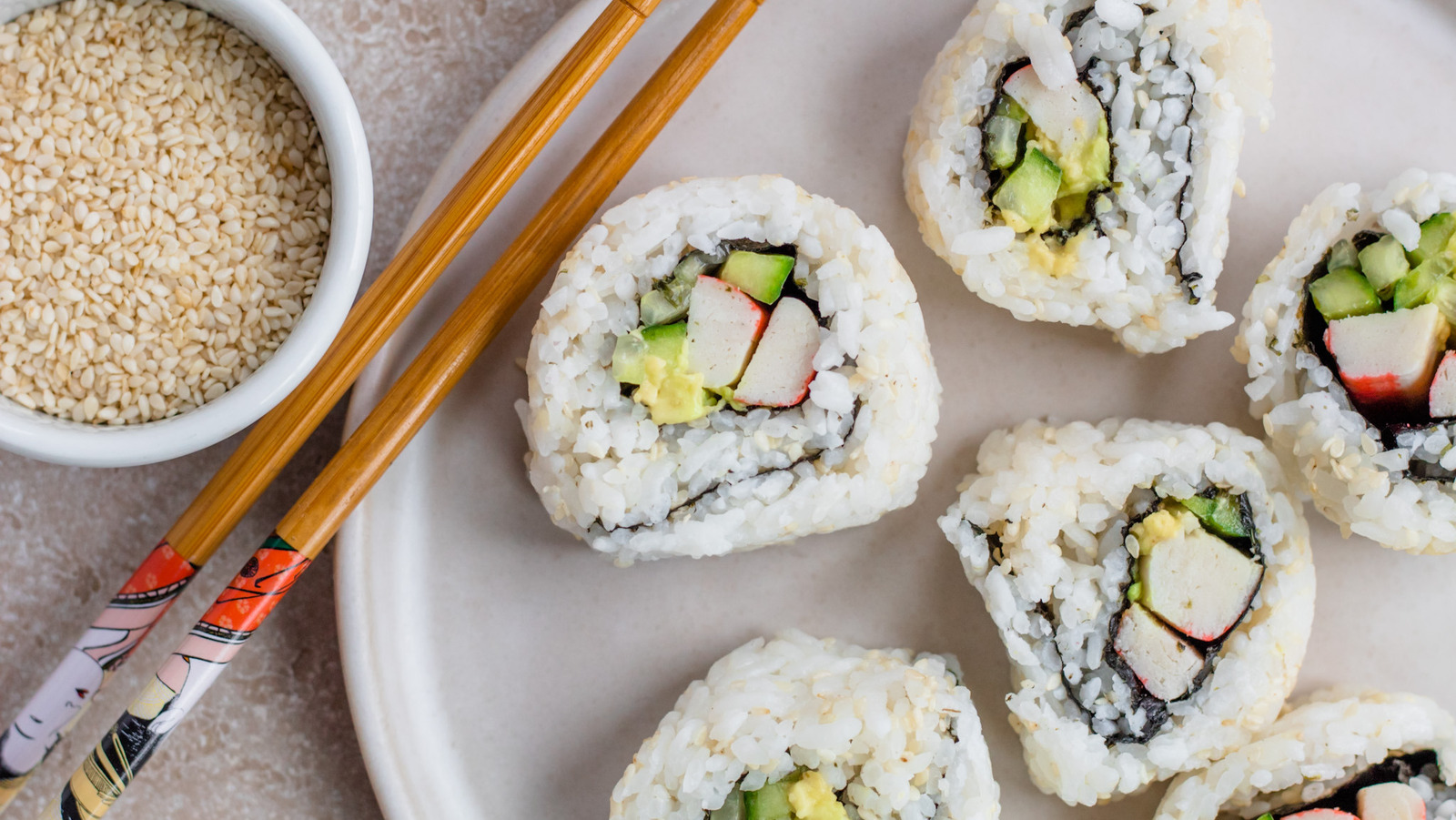
The classic California Roll typically features a quartet of ingredients that work in concert: imitation crab (surimi), ripe avocado, crisp cucumber, and vinegared sushi rice, often encased in a sheet of nori (seaweed) on the inside, with the rice on the outside. This “inside-out” construction is a hallmark of the roll and a key factor in its popularity.
- Imitation Crab (Surimi): The choice of imitation crab was perhaps the most crucial element in the roll’s early success. It offered a familiar, mild flavor and a soft texture, making it less intimidating than raw fish for Western palates. This ingredient democratized sushi, making it approachable for those who might have shied away from more traditional nigiri or sashimi. For travelers exploring new destinations, the mildness of surimi provides a reassuring taste, a culinary bridge in an unfamiliar land.
- Avocado: The creamy, buttery texture and subtle flavor of avocado are quintessentially Californian, making it a perfect fit for a roll bearing the state’s name. Rich in healthy fats, avocado adds a delightful mouthfeel and a touch of luxury. Its presence immediately signals a certain freshness and West Coast influence, often sought after by health-conscious travelers.
- Cucumber: Providing a refreshing crunch and a subtle, clean taste, cucumber offers a vital textural contrast to the soft rice, creamy avocado, and tender crab. It acts as a palate cleanser, ensuring each bite remains invigorating. This element speaks to the desire for fresh, vibrant ingredients often prioritized in modern lifestyle and wellness travel.
- Sushi Rice: The foundation of any sushi roll, perfectly seasoned sushi rice provides a slightly sweet and tangy base, holding all the ingredients together. Its sticky texture is both functional and flavorful. The quality of the rice can often be a discerning factor for culinary tourists evaluating the authenticity and skill of a sushi establishment, whether it’s a street vendor or a Michelin-starred restaurant within a luxury hotel.
- Nori (Seaweed): While sometimes hidden, nori provides a subtle umami depth and holds the roll together. The decision to place it on the inside (uramaki style) was revolutionary, addressing initial Western aversion to the visible dark seaweed. This seemingly small innovation had profound implications for how sushi was perceived and consumed outside of Japan, reflecting a broader trend of cultural adaptation often seen in global tourism and hospitality.
The balance of these components — the soft, creamy, crunchy, and refreshing — creates an experience that is both satisfying and delightfully palatable. This thoughtful construction has allowed the California Roll to transcend its culinary origins, becoming a globally recognized dish that caters to a diverse range of tastes and travel preferences.
The Inside-Out Innovation: A Game-Changer
The defining characteristic of the California Roll is its uramaki or “inside-out” style, where the rice is on the exterior, and the nori sheet wraps the fillings within. This ingenious reversal is attributed to chefs looking to make sushi more appealing to non-Japanese diners. In traditional Japanese sushi, the nori is always on the outside. However, some early Western customers found the dark, slightly chewy seaweed off-putting. By placing the rice on the outside, often sprinkled with sesame seeds or tobiko (flying fish roe) for visual appeal and an extra pop of flavor, the roll became instantly more inviting.
This innovation was not just a culinary trick; it was a stroke of marketing genius that propelled sushi into the mainstream, particularly in the United States. It demonstrates how adaptability and an understanding of local preferences can transform a product, making it accessible to a broader market, much like how hotels adapt their services and amenities to cater to diverse international travelers. The uramaki style paved the way for countless other fusion rolls, turning sushi into a versatile canvas for culinary creativity across global destinations.

A Culinary Journey: The Genesis and Global Spread
The story of the California Roll’s origin is as debated and fascinating as its global impact. Like many widely adopted cultural phenomena, its precise birthplace is shrouded in a touch of gastronomic folklore, with two cities often vying for the title.
Birth in Los Angeles or Vancouver?
The primary contenders for the roll’s invention are Los Angeles, California, and Vancouver, Canada. Both cities were early hubs for Japanese immigrants and thus, early incubators for sushi’s introduction to North America.
- Los Angeles, California: Many credit Ichiro Mashita, a chef at the Kawafuku Restaurant in Little Tokyo, Los Angeles, with inventing the roll in the late 1960s or early 1970s. Faced with a scarcity of fresh tuna during certain seasons, Mashita allegedly substituted avocado for tuna, pairing it with cooked crab meat and cucumber. He experimented with the inside-out method to conceal the nori, which many American customers at the time found unappealing. This adaptation quickly gained traction, especially among Hollywood celebrities and a growing health-conscious clientele in California, which was already a trendsetter for lifestyle and dietary innovations. Today, Los Angeles remains a prime destination for culinary tourism, with its diverse food scene celebrated globally. Travelers seeking the roots of this iconic roll often visit Little Tokyo as a key landmark in their gastronomic exploration.
- Vancouver, Canada: Another strong claim comes from chef Tojo Hidekazu of Tojo’s Restaurant in Vancouver. Chef Tojo asserts that he created the “Tojo Roll” (which he now claims is the original California Roll) in the early 1970s, using Dungeness crab, avocado, and sesame seeds, specifically developing the inside-out technique to make sushi more palatable to his non-Japanese customers. His version was an immediate hit. Vancouver, known for its stunning natural beauty and vibrant multiculturalism, offers a rich culinary landscape that often attracts foodies and adventure travelers alike. The city’s claim highlights the spirit of innovation present in North American cities, often fueled by the diverse populations that make them unique travel destinations.
Regardless of its exact genesis, both narratives underscore a key theme: the California Roll was born out of a desire for adaptation and accessibility, driven by chefs who understood the importance of appealing to local tastes. This spirit of innovation mirrors the hospitality industry’s constant efforts to tailor services, accommodations, and experiences to the evolving demands of global tourists.
From California to the World: A Global Sensation
From its North American roots, the California Roll embarked on an incredible journey, becoming an unofficial ambassador for sushi around the globe. Its mild flavor, familiar ingredients, and lack of raw fish made it the perfect gateway for millions to discover Japanese cuisine.
By the 1980s, the California Roll had become a sensation across the United States and began its expansion into Europe, Asia, South America, and Australia. It appeared on menus in casual eateries, upscale restaurants within luxury hotels, and even at airport food courts. Its presence became a benchmark for a city’s culinary cosmopolitanism. In cities like New York City, London, Paris, Dubai, and Sydney, the California Roll symbolized the rise of fusion cuisine and the increasing globalization of food trends. It opened doors for travelers to explore Japanese flavors without the initial apprehension often associated with unfamiliar food cultures.
The roll’s success profoundly influenced the global perception and consumption of sushi. It demonstrated that sushi could be adapted, localized, and still maintain its appeal. This phenomenon is critical for tourism, as travelers often seek a blend of authentic local experiences and comforting familiar options. The California Roll perfectly bridges this gap, offering a taste of the exotic that is simultaneously reassuringly familiar. It can be found in a five-star hotel’s dining room in Honolulu or a vibrant street food market in Mexico City, showcasing its incredible versatility and universal appeal.
The California Roll and the Modern Traveler: A Lifestyle Statement
Beyond its ingredients and origins, the California Roll has evolved into a symbol of a particular travel and lifestyle ethos. It represents convenience, cultural openness, and a certain global sophistication, making it deeply relevant to how people plan their journeys and experience destinations.
Culinary Tourism and Local Experiences
For many travelers, food is no longer just sustenance; it is an integral part of the travel experience itself. Culinary tourism has boomed, with individuals actively seeking out unique local flavors, food tours, and dining adventures. While the California Roll might not be considered “local” in every sense, its pervasive presence and story make it a fascinating subject for culinary exploration, particularly in its places of origin.
Visiting Los Angeles or Vancouver and seeking out where the roll first gained fame offers a unique historical and gastronomic experience. In Japan, while not traditional, the California Roll is still found, often as a curiosity or a nod to Western influence, particularly in tourist-heavy areas like Tokyo’s Shibuya or at establishments like the historic Tokyo Kaikan. This reverse cultural journey highlights how food can connect seemingly disparate destinations and provide new angles for cultural immersion. Travelers can delve into the evolution of fusion cuisine, visiting modern sushi bars that push boundaries, or exploring traditional Japanese eateries that offer a stark contrast. This broadens the definition of “local experience” to include contemporary culinary narratives that define a destination as much as its ancient landmarks.
Dining Amidst Luxury and Landmarks
The accessibility and appeal of the California Roll mean it can be enjoyed in a myriad of settings, from a quick bite at a casual cafe to a refined dish in an opulent environment. This versatility makes it a perfect fit for diverse travel styles, from luxury travel to more budget-conscious adventures.
Imagine savoring a meticulously crafted California Roll on the terrace of The Ritz-Carlton Residences, Waikiki Beach in Hawaii, overlooking the Pacific Ocean. Or perhaps at a high-end sushi bar in Beverly Hills, adjacent to The Beverly Wilshire, A Four Seasons Hotel, where celebrity sightings are common. In these contexts, the roll becomes part of a broader luxury lifestyle experience, complementing premium accommodation and exclusive travel experiences. Even in coastal towns like Santa Monica, travelers staying at elegant properties like The Fairmont Miramar Hotel & Bungalows can enjoy the roll as part of a relaxed, yet sophisticated, beachside dining experience.
Its ubiquitous presence also means it’s often found in proximity to major landmarks. Grabbing a California Roll in San Francisco after a walk across the Golden Gate Bridge, or near the Hollywood Sign in Los Angeles, enhances the sense of being in an iconic location. In global hubs, one might find a sushi restaurant offering it near New York City’s Times Square, Paris’ Eiffel Tower, Dubai’s Burj Khalifa, or London’s The Shard. This integration into the tourist landscape highlights how food provides comfort and continuity, even amidst the grandeur of the world’s most famous sites. For travelers booking hotels, the availability of diverse dining options, including sushi, often influences their accommodation choices, particularly if seeking a blend of comfort and convenience. A St. Regis San Francisco guest, for instance, might appreciate the proximity to a top-tier sushi establishment after exploring the city’s architectural wonders.
Budget-Friendly Bites to Lavish Feasts
The California Roll truly shines in its ability to cater to all segments of the lifestyle spectrum, from the frugal backpacker to the affluent connoisseur. For those on a budget, it offers an affordable, healthy, and satisfying meal option, readily available in supermarkets, food stalls, and casual eateries worldwide. This accessibility makes it a reliable choice for long-term stays or for travelers exploring multiple destinations where cost-effective dining is key.
Conversely, upscale restaurants and resorts elevate the California Roll into a gourmet experience. Chefs might use premium, fresh crab meat instead of imitation, incorporate artisanal avocado, or present it with exquisite garnishes and dipping sauces. This transformation demonstrates how a seemingly simple dish can be refined to meet the expectations of luxury travel, where every detail, including dining, contributes to an exclusive experience. Whether it’s enjoyed at a beachfront villa in Miami’s South Beach or a lavish suite at the Fontainebleau Miami Beach, the California Roll adapts, providing a versatile culinary delight for any travel budget or occasion. This adaptability underscores its role as a chameleon of cuisine, seamlessly fitting into diverse accommodation types and travel itineraries.
Beyond the Plate: The Cultural Impact and Future of Fusion
The California Roll is more than just food; it’s a cultural phenomenon that profoundly impacted how different cuisines interact and how travel experiences are shaped by culinary exploration.
A Symbol of Adaptation and Cultural Exchange
The journey of the California Roll from a local adaptation to a global staple is a powerful metaphor for cultural exchange. It exemplifies how food can act as a bridge between cultures, demonstrating that embracing local preferences while preserving the essence of a dish can lead to widespread acceptance and innovation. This spirit of openness and adaptation is crucial for tourism, encouraging travelers to engage with local customs and tastes, and inspiring destinations to offer diverse experiences.
Its success also paved the way for countless other fusion dishes, influencing restaurant menus and culinary trends worldwide. From Korean BBQ tacos in Los Angeles to sushi burritos in New York City, the California Roll demonstrated the immense potential of blending culinary traditions. This trend continues to shape the gastronomic landscape of popular travel destinations like Shanghai, Rio de Janeiro, and Cape Town, where chefs constantly experiment with local ingredients and global techniques, offering unique dining experiences for adventurous travelers.
Planning Your Food-Focused Adventure
For travelers inspired by the story of the California Roll, incorporating food into their travel planning becomes an enriching endeavor. When choosing destinations, consider cities renowned for their culinary innovation or historical significance in food trends. Look for accommodations that offer exceptional dining experiences or are located near vibrant food districts. Many hotels now pride themselves on their in-house restaurants, often collaborating with celebrity chefs or focusing on farm-to-table concepts that celebrate local ingredients. Resorts frequently offer diverse dining options, catering to international tastes and providing a seamless blend of comfort and culinary adventure.
When booking, reviews often highlight a hotel’s dining amenities, which can be a deciding factor for food-focused tourists. Comparing options not just on room size or location near landmarks like the Sydney Opera House or Louvre Museum, but also on their gastronomic offerings, becomes paramount. A destination’s food scene, whether it’s exploring traditional ramen stalls in Kyoto or sampling modern fusion in London, greatly enhances the overall travel experience.
In conclusion, the California Roll is much more than just a menu item; it’s a testament to creativity, cultural blending, and the universal appeal of good food. Its journey from a West Coast adaptation to a global icon mirrors the evolution of travel itself – a constant quest for new experiences, a blending of the familiar with the exotic, and an enduring desire to connect with the world through its diverse flavors. So, the next time you ask “What’s in a California Roll?”, remember that you’re unraveling a story of innovation, global lifestyle, and a journey that has influenced how we eat, travel, and explore the world. It’s a dish that continues to invite millions to discover the wonders of fusion cuisine and the endless possibilities of culinary tourism, much like ancient landmarks invite us to delve into history and culture.