
Stepping into the vast expanse of Alaska is to enter a world unlike any other. Often dubbed “The Last Frontier,” living in Alaska is not merely about residing in a place; it’s an immersive experience that redefines one’s relationship with nature, community, and the very rhythms of life. For those accustomed to the hustle and bustle of urban centers or the predictable routines of lower 48 states, Alaska presents a unique blend of breathtaking beauty, rugged independence, and surprising modern comforts. It’s a land where adventure isn’t just a weekend pursuit but an integral part of daily existence, a place where the grandeur of nature serves as a constant backdrop to life’s ordinary moments. Whether you’re considering a long-term stay, a seasonal relocation, or simply dreaming of a more adventurous lifestyle, understanding the nuances of Alaskan living is key to appreciating its profound allure.
Embracing the Alaskan Lifestyle: More Than Just Scenery
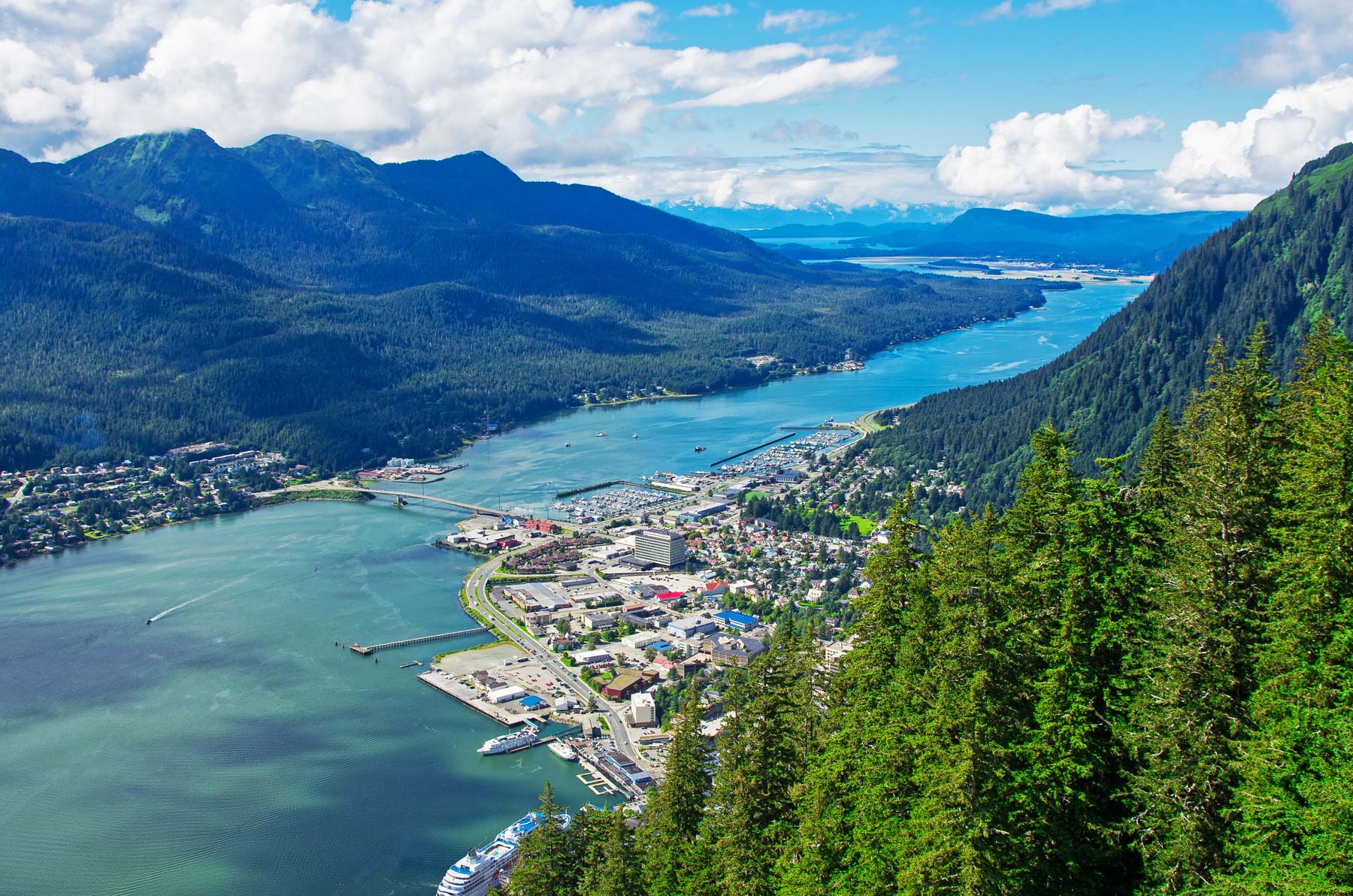
Life in Alaska is intrinsically tied to its environment. The majesty of mountains, the pristine wilderness, and the sheer scale of the landscape don’t just exist outside your window; they shape how you live, work, and play. Residents here develop a deep reverence for the natural world and a resilience forged by its challenges. This unique lifestyle extends beyond the visual spectacle, influencing everything from social interactions to personal pursuits.
The Rhythms of Life: Seasons and Daylight
Perhaps the most defining characteristic of living in Alaska is its dramatic seasonal shifts, particularly the extreme variations in daylight. Winter brings short, dark days, often with only a few hours of twilight around noon in the northern regions like Fairbanks. This period, while challenging for some, is also a time of profound beauty, marked by snow-covered landscapes, the quietude of frozen wilderness, and the awe-inspiring dance of the Aurora Borealis. Many Alaskans embrace winter with vigor, engaging in activities like cross-country skiing, ice fishing, snowmobiling, and dog mushing. The Iditarod Trail Sled Dog Race, for instance, is not just a world-renowned event but a deep-seated cultural tradition, embodying the spirit of resilience and connection to the land.
Conversely, summer ushers in the phenomenon of the “midnight sun,” where daylight extends for 18-24 hours. This endless light infuses the state with an incredible energy. Gardens flourish, outdoor festivals abound, and residents make the most of every extra hour for hiking, fishing, kayaking, and exploring. The long daylight hours allow for extended excursions into areas like Denali National Park and Preserve, where wildlife viewing opportunities are unparalleled. Adapting to these light cycles is a significant part of the Alaskan experience, with many finding creative ways to manage sleep during the bright summers and boost spirits during the dark winters. The shift between these extremes truly dictates the rhythm of life, demanding flexibility and a healthy dose of optimism.

Community and Connection in the Last Frontier
Despite its vastness, Alaska fosters incredibly strong, tight-knit communities. In cities like Anchorage or the capital city of Juneau, you’ll find a blend of urban amenities and a distinctly frontier spirit. People often rely on each other, especially in more remote towns, creating bonds that transcend typical neighborly interactions. There’s a shared understanding among Alaskans of the unique challenges and rewards of living in this environment. This communal spirit is often evident in local events, volunteer efforts, and the willingness to lend a hand. Newcomers often find it surprisingly easy to integrate, particularly if they embrace outdoor activities and local traditions. The sense of shared adventure and mutual respect for the land creates a pervasive sense of camaraderie that is unique to the Last Frontier. This extends to the rich heritage of Alaska Native cultures, which are vibrantly celebrated throughout the state, offering newcomers a chance to learn about ancient traditions and contemporary life at places like the Alaska Native Heritage Center.
Navigating the Landscape: Travel and Tourism in Your Backyard
For Alaskans, the entire state is an accessible playground, transforming potential tourist destinations into local favorites. The very fabric of everyday life often involves traversing incredible landscapes, whether for work or leisure. Understanding this unique blend of travel and daily living is essential to grasping the Alaskan experience.
Iconic Destinations and Natural Wonders
Living in Alaska means having some of the world’s most stunning natural landmarks virtually on your doorstep. Residents frequently embark on weekend trips to places that international tourists save for once-in-a-lifetime journeys. For instance, a drive south from Anchorage along the Seward Highway, consistently rated one of America’s most scenic roads, can lead to the coastal charm of Seward, the gateway to Kenai Fjords National Park. Here, residents can easily charter boats to witness calving glaciers and abundant marine wildlife, an experience many tourists pay a premium for. Similarly, the vast wilderness of Chugach National Forest offers endless trails for hiking and camping, a common recreational outlet for locals.
Further afield, a resident might take a flight-seeing tour over Denali National Park and Preserve to truly grasp the scale of North America’s highest peak, Denali. Or perhaps a ferry ride through the renowned Inside Passage connecting coastal communities like Ketchikan, Sitka, and Juneau, treating the journey itself as a scenic commute or a leisurely exploration of unique island cultures. These “tourist traps” become familiar stomping grounds, offering endless opportunities for spontaneous adventures and a constant connection to the wild heart of Alaska. Even a visit to the Alaska Wildlife Conservation Center on the Turnagain Arm becomes a regular outing to observe bears, moose, and other Alaskan fauna in a natural setting.
Exploring Alaska’s Cities and Towns
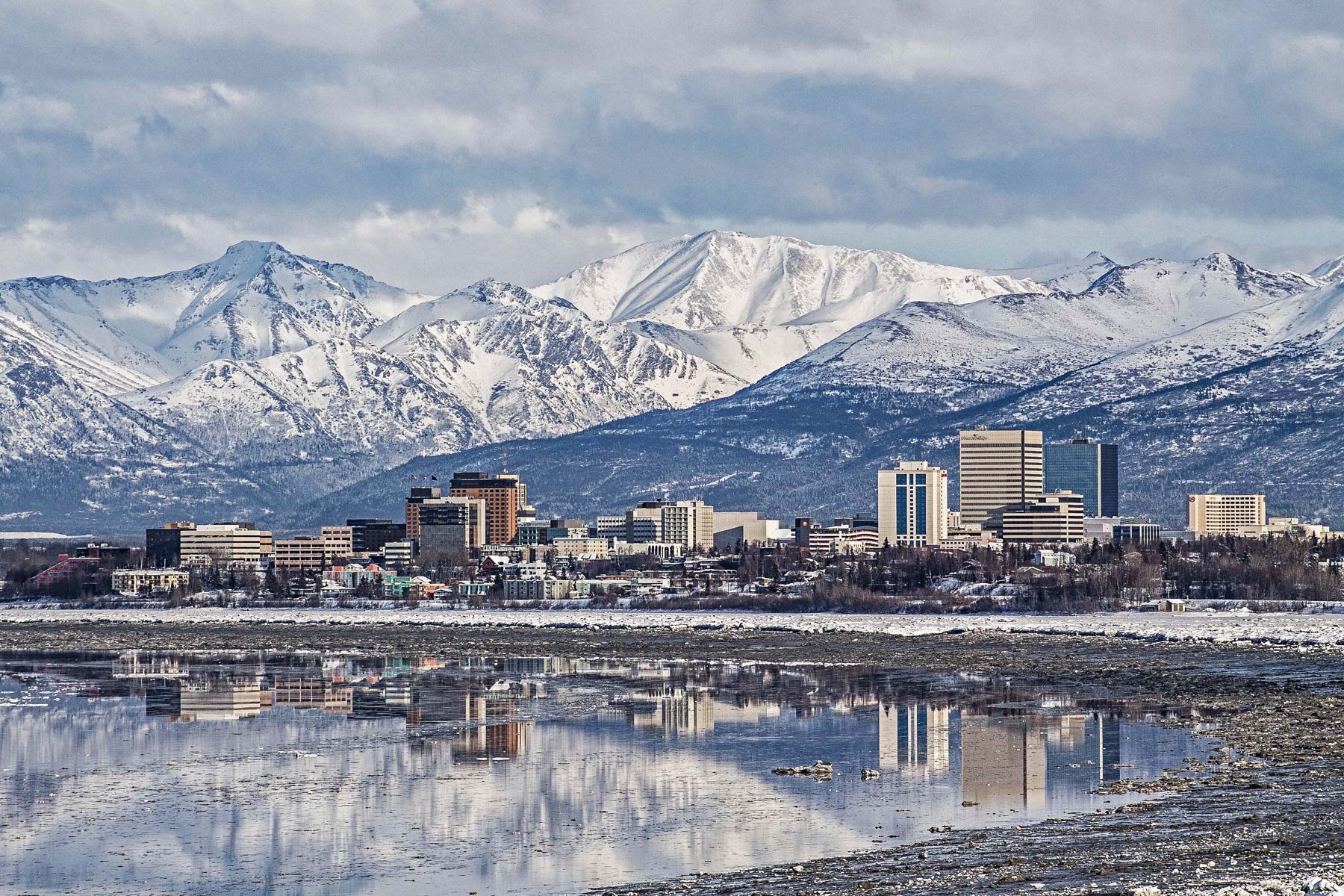
While the wilderness defines much of Alaska, its cities and towns offer unique pockets of civilization, each with its own character. Anchorage, the largest city, serves as the economic and cultural hub, boasting a surprising array of restaurants, museums, and events. It’s a place where you can find world-class accommodations like the Hotel Captain Cook or The Lakefront Anchorage, even while a moose might be grazing in your backyard. Fairbanks, to the north, is the best place to chase the Aurora Borealis and experience a true subarctic climate, with vibrant ice sculpting festivals and a deep connection to gold rush history.
Juneau, the state capital, is only accessible by air or sea, giving it an island-like feel nestled between mountains and water. Its proximity to the stunning Mendenhall Glacier offers a spectacular urban-wilderness interface. Quaint towns like Homer on the Kenai Peninsula are known for their vibrant arts scene and world-class halibut fishing, embodying a relaxed, coastal lifestyle. Talkeetna, a small town popular with mountaineers heading to Denali, retains a quirky, independent spirit. Each of these urban centers, while serving as bases for exploration, also offers a distinct sense of community and local flavor that residents grow to cherish.
Finding Your Home: Accommodation and Living Spaces
When considering a move to Alaska, accommodation is a significant aspect. From traditional homes to unique wilderness cabins, the housing market reflects the diverse landscapes and lifestyles found across the state. The type of dwelling often dictates the level of immersion into the Alaskan way of life.
From Cozy Cabins to Modern Comforts
In cities like Anchorage and Fairbanks, you’ll find a range of housing options, from modern apartments and suburban family homes to historic cabins. Many homes are designed to withstand the harsh winters, featuring robust insulation, heating systems, and sometimes even backup generators. The architectural style often blends functionality with a rustic aesthetic, incorporating natural wood and large windows to capture the dramatic views. While property prices in major cities can be comparable to other desirable regions in the US, the remote locations or areas with unique features (like direct access to trails or water) can command a premium. For those seeking resort-style living with access to amenities, destinations like Alyeska Resort near Girdwood offer condominiums and lodges that blend luxury with wilderness access.
Outside the main population centers, housing options become more varied and often more adventurous. Remote cabins, sometimes accessible only by floatplane or snowmobile, offer unparalleled solitude and a true off-grid experience. These types of homes require a particular mindset and a readiness for self-sufficiency. Even within towns, many residents opt for homes with ample outdoor space for storing recreational gear – ATVs, snowmobiles, boats, and fishing equipment are considered essential for the Alaskan lifestyle.
Long-Term Stays and Unique Living
For individuals or families looking for long-term accommodation, especially when first moving to Alaska, exploring apartments or rental homes is a common first step. Online platforms and local real estate agencies are useful resources, though flexibility and an understanding of seasonal demand are beneficial. Many employers in more remote industries (like mining or fishing) may offer housing as part of compensation, or facilitate arrangements for employee accommodation.
Beyond conventional housing, Alaska also offers unique living arrangements. Some choose to live in yurts or even small, custom-built homes known as “tiny homes” to minimize their footprint and maximize their connection to nature. Others might live on boats, particularly in coastal towns, embracing a maritime lifestyle. The concept of “dry cabins,” which lack running water but offer an authentic, back-to-basics living experience, is also prevalent, particularly in areas like Fairbanks where permafrost can complicate plumbing. These diverse options highlight the adaptability and pioneering spirit inherent in Alaskan living, offering solutions for every preference and budget, all designed to facilitate a life lived close to the land.
Practicalities of Alaskan Living: Tips and Considerations
While the romantic image of the Last Frontier is powerful, practical considerations are paramount for a successful and enjoyable life in Alaska. Understanding these elements, from daily provisions to cultural nuances, helps bridge the gap between visiting and truly living there.
Food, Culture, and Everyday Adventures
The food scene in Alaska is a delightful blend of fresh, local ingredients and diverse culinary influences. Wild-caught Alaska salmon, halibut, crab, and other seafood are staples, often caught directly by residents or purchased fresh from local markets. Wild game, such as moose and caribou, is also a common part of the diet for many who hunt. Alongside these natural provisions, cities offer a growing variety of international cuisines, farm-to-table restaurants, and microbreweries. However, due to shipping costs, groceries can be more expensive than in the lower 48, especially for fresh produce and imported goods. Many Alaskans mitigate this by cultivating their own gardens during the intense summer growing season, foraging for berries, and preserving foods for winter.
Culturally, Alaska is a mosaic of influences. Its history as a Russian colony, its gold rush era, and the enduring presence of Alaska Native peoples have all shaped its unique character. This is reflected in its art, music, and festivals. The annual Anchorage Fur Rendezvous is a testament to its frontier past, while contemporary art galleries showcase both local talent and indigenous craftsmanship. Education and healthcare infrastructure vary, with major cities offering comprehensive services, while remote areas rely on smaller clinics or air transport for specialized care. For outdoor enthusiasts, simply stepping outside often constitutes an “everyday adventure,” whether it’s a walk in a local park where you might spot a bear, or a spontaneous drive to witness the stunning bore tide on the Turnagain Arm.
Preparing for the Alaskan Experience
Moving to Alaska requires careful preparation and an open mind. Practicalities like transportation are vital; a reliable vehicle, often a four-wheel drive, is almost a necessity outside of downtown [Anchorage](https://lifeoutofthebox.com/anchorage] or Juneau, especially for navigating winter roads. Learning to dress in layers, investing in quality outdoor gear, and understanding basic survival skills are all part of the acclimatization process. Mentally, embracing the extremes of light and dark, and understanding the potential for isolation in some areas, are crucial. Patience with travel logistics, as weather can frequently cause delays, is also beneficial.
Economically, Alaska has diverse industries, including oil and gas, fishing, tourism, and military. Many residents are drawn by job opportunities in these sectors or by the state’s Permanent Fund Dividend, an annual payment to residents derived from oil revenues. Living here is a commitment, but one that offers unparalleled rewards: a profound connection to nature, a supportive community, and a life rich with adventure and wonder. It’s a place where you can truly discover what it means to live life out of the box, forging an existence shaped by the raw beauty and indomitable spirit of the Last Frontier.
LifeOutOfTheBox is a participant in the Amazon Services LLC Associates Program, an affiliate advertising program designed to provide a means for sites to earn advertising fees by advertising and linking to Amazon.com. Amazon, the Amazon logo, AmazonSupply, and the AmazonSupply logo are trademarks of Amazon.com, Inc. or its affiliates. As an Amazon Associate we earn affiliate commissions from qualifying purchases.