
Exploring a new destination, whether for leisure, business, or even a prospective move, involves understanding more than just its iconic landmarks or the best local eateries. For many, a deeper dive into the economic fabric of a region offers invaluable insights. This is particularly true for travelers considering an extended stay, digital nomads evaluating a temporary base, or anyone interested in the broader lifestyle implications of a location. When it comes to the heart of the Deep South, one common question that often arises, especially for those in the service industry or planning a work-cation, is: “What’s minimum wage in Alabama?”
While it might seem like a purely economic inquiry, the minimum wage environment in Alabama significantly impacts various aspects of travel, tourism, and accommodation. From the cost structure of hotels and resorts to the overall economic vitality that shapes local culture and experiences, understanding this fundamental labor standard provides a crucial lens through which to view the Yellowhammer State. For businesses within the travel and hospitality sectors, it dictates operational costs and influences pricing strategies. For service professionals, it defines their baseline earning potential, which, in turn, affects their disposable income and local spending power. And for visitors, while not directly impacting their wallet at the point of sale in the same way, it indirectly contributes to the general cost of services and the economic atmosphere they encounter.
This article delves into the specifics of Alabama’s minimum wage, examining how it aligns with federal standards and what this means for employees, employers, and visitors alike. We’ll explore the nuances of its application, its implications for the thriving tourism and hospitality sectors, and how it factors into the broader lifestyle and economic considerations of this diverse state, from the pristine beaches of Gulf Shores and Orange Beach to the bustling urban centers of Birmingham and Huntsville.
Understanding Alabama’s Minimum Wage Landscape
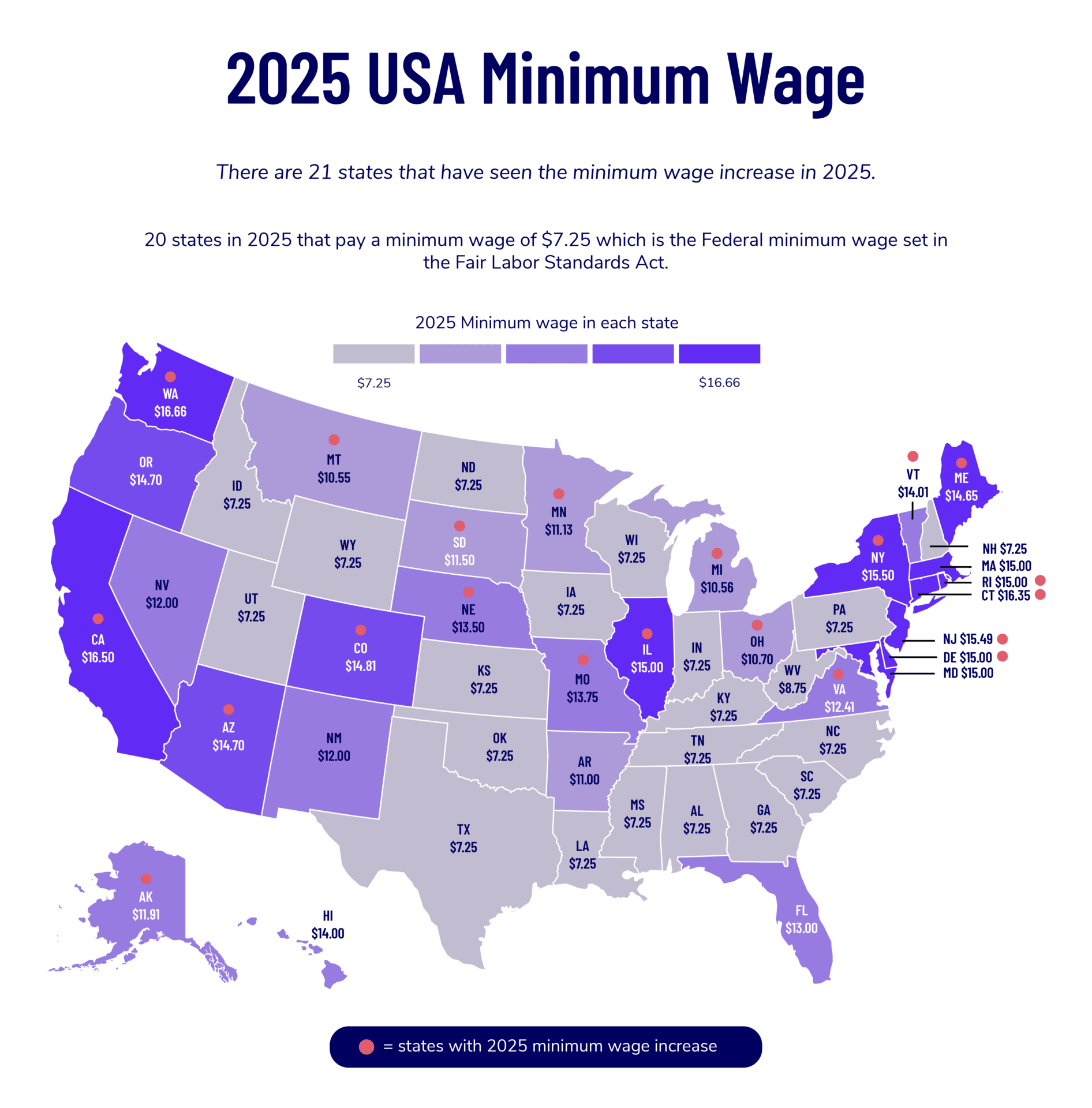
Unlike many other states in the United States, Alabama does not have its own specific state minimum wage law. This crucial distinction means that the state defaults to the federal minimum wage standard established by the Fair Labor Standards Act (FLSA). This has profound implications for workers and businesses across the state, particularly those within the service and tourism industries, which are often characterized by hourly wage employment.
The Federal Standard: The Baseline for Alabama
The current federal minimum wage, which serves as the legal floor for most workers in Alabama, stands at $7.25 per hour. This rate has been in effect since July 24, 2009. For over a decade, this consistent federal standard has shaped the economic landscape of Alabama. It’s the benchmark that employers, from small local businesses to large hotel chains and entertainment venues, must adhere to when compensating their non-exempt employees.
This adherence to the federal standard means that employees in a hotel in downtown Montgomery, a restaurant in historic Mobile, or an attraction near Tuscaloosa are generally guaranteed this $7.25 per hour wage, unless specific exemptions apply. Understanding this federal foundation is the first step in comprehending the wage environment across the state.
Alabama’s Position: No State-Specific Minimum Wage
The absence of a state-specific minimum wage law in Alabama is a significant policy choice that differentiates it from numerous other states that have enacted higher minimum wages to reflect local economic conditions or living costs. This legislative stance means that even if the cost of living varies significantly between major cities like Birmingham or Huntsville and more rural areas, the base minimum wage remains the same across the entire state.
For travelers and those interested in the lifestyle aspects of Alabama, this consistency provides a predictable, albeit federally determined, wage floor. However, it also means that the purchasing power of the minimum wage worker can vary greatly depending on their specific location within the state, impacting their ability to afford accommodation, local experiences, or even basic necessities. This unique situation underscores why it’s vital to look beyond just the number and consider its real-world implications.
Economic Implications and Lifestyle in the Heart of the South
The minimum wage environment in Alabama has ripple effects that extend far beyond individual paychecks, influencing the broader economy, the hospitality sector, and the overall lifestyle experienced by both residents and visitors. When considering travel, tourism, and accommodation in Alabama, understanding these indirect impacts is just as important as knowing the direct wage figure.
Impact on the Hospitality and Tourism Sector
Alabama’s tourism industry is a vibrant and growing sector, encompassing everything from the sandy beaches of the Gulf Coast to the historical sites of Selma and the aerospace innovations in Huntsville, often dubbed the “Rocket City“. This sector relies heavily on a workforce that includes hotel staff, restaurant servers, tour guides, attraction attendants, and many other service-oriented roles.
For employers in this sector, operating under the federal minimum wage of $7.25 per hour presents a relatively lower labor cost compared to states with higher minimums. This can potentially translate to more competitive pricing for hotel stays, dining experiences, and attractions, making Alabama an attractive destination for budget-conscious travelers. For example, a stay at a charming boutique hotel in Auburn or a family resort in Orange Beach might offer more value compared to similar accommodations in regions with significantly higher labor costs.
However, for employees within the hospitality sector, this wage level can present challenges. Earning the federal minimum wage might necessitate a greater reliance on tips (for tipped positions) or supplemental income to meet living expenses, especially in areas with higher costs of living. This can influence staff morale, turnover rates, and ultimately, the quality of service, although Alabamians are renowned for their hospitality and warmth.
Cost of Living and Traveler’s Budget
The overall cost of living in Alabama tends to be lower than the national average, a factor often influenced by the state’s wage structure. This general affordability can be a boon for travelers. When planning a trip, visitors might find that their travel budget stretches further in Alabama, allowing for more experiences, longer stays, or upgrades to accommodation. From dining at local establishments to purchasing souvenirs from artisans, the overall economic environment supports a more accessible travel experience.
For individuals considering a long-term stay or even relocation for work, understanding the interplay between wages and cost of living is paramount. While the minimum wage might be $7.25, the cost of housing, utilities, and daily expenses in cities like Birmingham or Huntsville needs to be weighed against that income. This balance directly impacts the quality of life and the feasibility of a sustainable lifestyle in the state.
The Disposable Income Factor for Residents
The minimum wage level directly impacts the disposable income of a significant portion of Alabama’s workforce. Lower wages generally mean less disposable income, which can affect local economic activity. For residents, this can influence their ability to engage in local tourism, frequent local businesses, or invest in leisure activities within their own state. A strong local economy, fueled by resident spending, often translates into a more vibrant and diverse set of attractions and services for visitors.
Conversely, some argue that lower wages help businesses thrive, potentially leading to more job creation and a wider array of services and accommodations available to the public. It’s a complex balance, but one that subtly shapes the character of Alabama’s towns and cities, from the burgeoning art scene in Birmingham to the historic charm of Mobile.

Navigating Employment and Travel in Alabama
For anyone considering working in Alabama’s robust tourism industry or simply planning a budget-friendly vacation, specific considerations regarding the minimum wage environment can prove beneficial. Whether you’re a student looking for a summer job at a Gulf Coast resort or a traveler mapping out expenses for a road trip through the Tennessee Valley, these insights can help inform your decisions.
Tips for Prospective Employees in Alabama
For those looking to gain employment in Alabama, particularly in sectors like hospitality, retail, or food service, understanding the minimum wage is just the starting point. Given the state’s reliance on the federal minimum wage of $7.25 per hour, it’s often advisable to:
- Research average wages for specific roles: While the minimum wage is the floor, many employers, especially those seeking skilled labor or in high-demand positions, offer wages above this base. Websites like Glassdoor or Indeed can provide insights into typical pay rates for various positions in Alabama’s major cities like Montgomery or Huntsville.
- Consider positions with tipping potential: For roles in restaurants, bars, and certain service industries (e.g., hotel bellhops, valets), tips can significantly augment hourly earnings, often surpassing the standard minimum wage.
- Explore benefits beyond hourly pay: Some employers, particularly in larger hotel chains or resorts, might offer benefits such as health insurance, paid time off, or discounts on accommodation and services, which add value beyond the hourly rate.
- Understand local market dynamics: In competitive job markets within popular tourist destinations like Gulf Shores, employers might offer slightly higher wages to attract and retain talent, especially during peak seasons.
Considerations for Budget Travelers
For travelers seeking to experience Alabama without breaking the bank, the general economic environment influenced by the minimum wage can work in their favor.
- Accommodation Value: The relatively lower labor costs can contribute to more affordable hotel rates, particularly outside of peak season or major events. Exploring options from cozy bed and breakfasts to well-appointed suite hotels in various cities might reveal excellent value.
- Dining Costs: Casual dining and local eateries often offer more budget-friendly options compared to states with higher operating expenses. This allows travelers to indulge in Alabama’s famous Southern cuisine without overspending.
- Activities and Attractions: Many of Alabama’s natural attractions, such as state parks in the Appalachian Mountains or the public beaches, offer free or low-cost entry. Historical sites, while sometimes having an entrance fee, generally remain accessible.
- Local Spending: By opting to support local businesses and artisans, budget travelers can not only save money but also contribute directly to the local economy, enriching their cultural experience.
Beyond the Basic Wage: Other Financial Considerations
While the federal minimum wage sets the baseline, several other factors come into play when discussing earnings and the cost of living in Alabama. These considerations are vital for understanding the full financial picture, especially for those involved in or observing the tourism and hospitality sectors.
The Role of Tipping in Alabama’s Service Industry
In Alabama, as in many parts of the United States, tipping plays a significant role in the service industry. The federal minimum wage for tipped employees is $2.13 per hour. This lower direct cash wage is permissible under federal law, provided that the employee’s tips, when combined with the direct wage, average out to at least the standard federal minimum wage of $7.25 per hour. If an employee’s tips do not bring them up to this threshold, the employer is legally obligated to make up the difference.
For travelers, understanding this system is crucial for appropriate etiquette and supporting service workers. In restaurants, bars, and other hospitality settings, tips are not merely a bonus but a fundamental part of a server’s income. A typical tip ranges from 15% to 20% of the bill, depending on the quality of service. For those working in positions like hotel staff, valet, or tour guides, a gratuity can significantly impact their take-home pay, particularly in destinations like Gulf Shores or Orange Beach where tourism thrives.
Understanding the Living Wage vs. Minimum Wage
A critical distinction exists between the minimum wage and the concept of a “living wage.” While the minimum wage is a legally mandated floor, a living wage is defined as the theoretical income an individual or family needs to afford basic necessities like housing, food, healthcare, and transportation in a specific geographic area. In many parts of the United States, including some areas of Alabama, the federal minimum wage of $7.25 per hour falls short of what’s considered a living wage for a single adult, let alone a family.
Organizations like MIT have developed living wage calculators that illustrate this disparity. For example, the estimated living wage for a single adult with no children in Birmingham, Alabama, is significantly higher than $7.25 per hour. This gap highlights the economic challenges faced by minimum wage earners and often necessitates multiple jobs, reliance on public assistance, or strong community support. For those considering a long-term stay or working in the state, this context offers a realistic picture of the financial landscape and the importance of securing employment above the minimum.
Local Initiatives: The Birmingham Case
Despite Alabama not having a state-level minimum wage, there have been attempts by local municipalities to enact their own higher minimum wage ordinances. The most notable example occurred in Birmingham in 2016. The Birmingham City Council passed an ordinance to raise the city’s minimum wage to $10.10 per hour, aiming to address the perceived inadequacy of the federal standard for its residents.
However, this local initiative was short-lived. The Alabama State Legislature quickly passed a law, known as the “Local Minimum Wage Act” (or the “Dillon’s Rule” expansion for wages), that explicitly prohibits any city, county, or other local governmental entity from establishing a minimum wage that differs from the federal minimum wage. This preemption effectively nullified Birmingham’s ordinance and cemented the state’s stance on maintaining a unified federal minimum wage across all its jurisdictions. This incident underscores the legislative environment in Alabama and indicates that, for the foreseeable future, the federal minimum wage will remain the standard throughout the state.

Conclusion
The question “What’s minimum wage in Alabama?” leads to a straightforward answer: it adheres to the federal minimum wage of $7.25 per hour. However, the implications of this simple fact are far-reaching, touching upon the very essence of travel, tourism, accommodation, and lifestyle within the Yellowhammer State.
For visitors, Alabama’s wage structure contributes to a generally lower cost of living and potentially more affordable travel experiences, allowing budgets to stretch further when exploring its diverse destinations, from the serene beaches to the vibrant cities and historic landmarks. This makes Alabama an attractive option for those seeking value without compromising on rich cultural experiences, outdoor adventures, or comfortable accommodations.
For those considering employment or an extended stay, understanding the federal minimum wage and its relationship to the cost of living and the local economy is crucial. It highlights the importance of securing roles that offer wages above the federal minimum, especially in the thriving hospitality and tourism sectors, where tips can significantly augment income.
Ultimately, Alabama’s minimum wage policy is a foundational element of its economic landscape, shaping everything from the pricing of a hotel room in Mobile to the local spending power in Tuscaloosa. By understanding this aspect, travelers, prospective residents, and those interested in the state’s unique lifestyle can gain a more comprehensive appreciation for what makes Alabama a distinctive and dynamic part of the American South.