
California, a land of unparalleled natural beauty, vibrant cities, and diverse cultures, beckons millions of travelers each year. From the sun-kissed beaches of San Diego to the majestic redwoods of the north, the iconic landmarks of Los Angeles and San Francisco to the serene vineyards of Napa Valley and the stunning wilderness of Yosemite National Park, the Golden State offers an endless array of experiences. For those planning a luxurious escape, a budget-friendly adventure, a family vacation, or even a business stay, understanding the local economic landscape is crucial. At the heart of this landscape, influencing everything from the cost of your accommodation to the price of your dinner, lies the minimum wage.
The concept of minimum wage might seem tangential to a travel itinerary, but its ripple effects are profound, shaping the very fabric of the hospitality and tourism industries that cater to visitors. It affects the paychecks of the hotel staff who prepare your suites, the tour guides who lead you through historic districts, the chefs who craft exquisite meals, and the service staff who make your travel experience seamless. For those contemplating an extended stay, perhaps even considering working in California‘s thriving tourism sector, grasping these economic realities becomes even more essential. This comprehensive guide will delve into California’s minimum wage structure, exploring how it impacts your travel budget, lifestyle choices, and the broader tourism ecosystem, helping you plan your perfect Golden State adventure or an informed decision about your future in this dynamic state.

Understanding California’s Minimum Wage Landscape
California has long been at the forefront of progressive labor policies, and its approach to minimum wage is a prime example. Unlike many states with a uniform wage, California’s system is a multi-layered one, featuring a statewide minimum wage alongside numerous local ordinances that often mandate higher pay. This complex structure reflects the state’s diverse economic conditions and high cost of living, particularly in its major metropolitan areas. For travelers and potential residents alike, navigating this landscape is key to understanding the true cost of experiencing or living in the state.
The Statewide Minimum Wage
As of January 1, 2024, the statewide minimum wage in California is $16.00 per hour for all employers, regardless of the number of employees. This figure represents a significant increase over past years, driven by legislation designed to provide a living wage in a state known for its high expenses. The uniform rate for all employers simplifies the calculation for businesses and employees, ensuring that even small boutique hotels or independent tour operators adhere to this baseline. This statewide standard sets a floor that ensures a certain level of income for those working in various sectors, including the extensive hospitality industry. From the housekeepers ensuring your hotel rooms are pristine to the front desk staff assisting with your check-in, many rely on these wages.
Local Ordinances and Their Impact
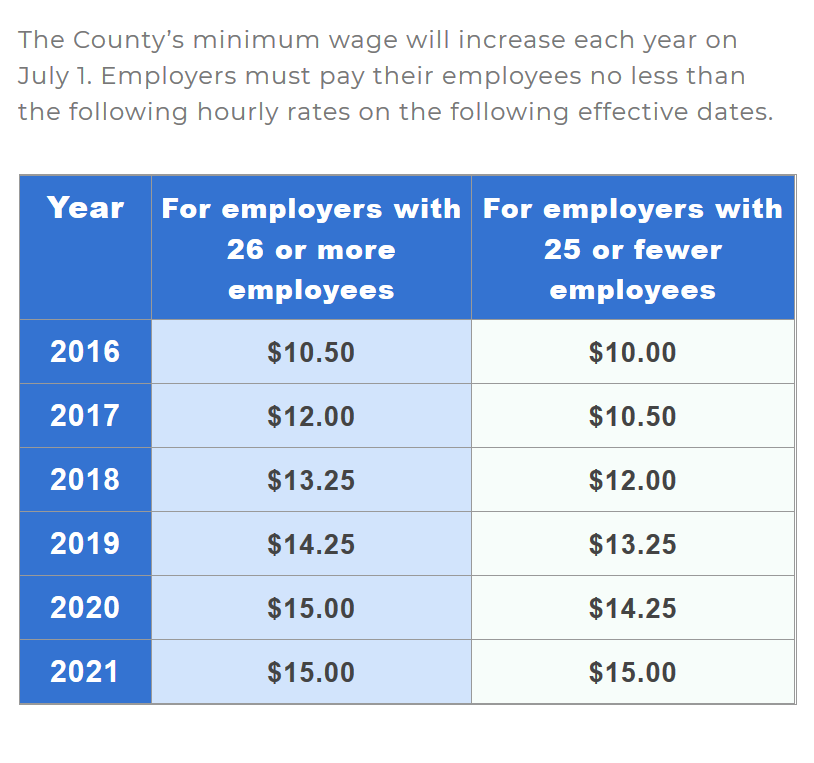
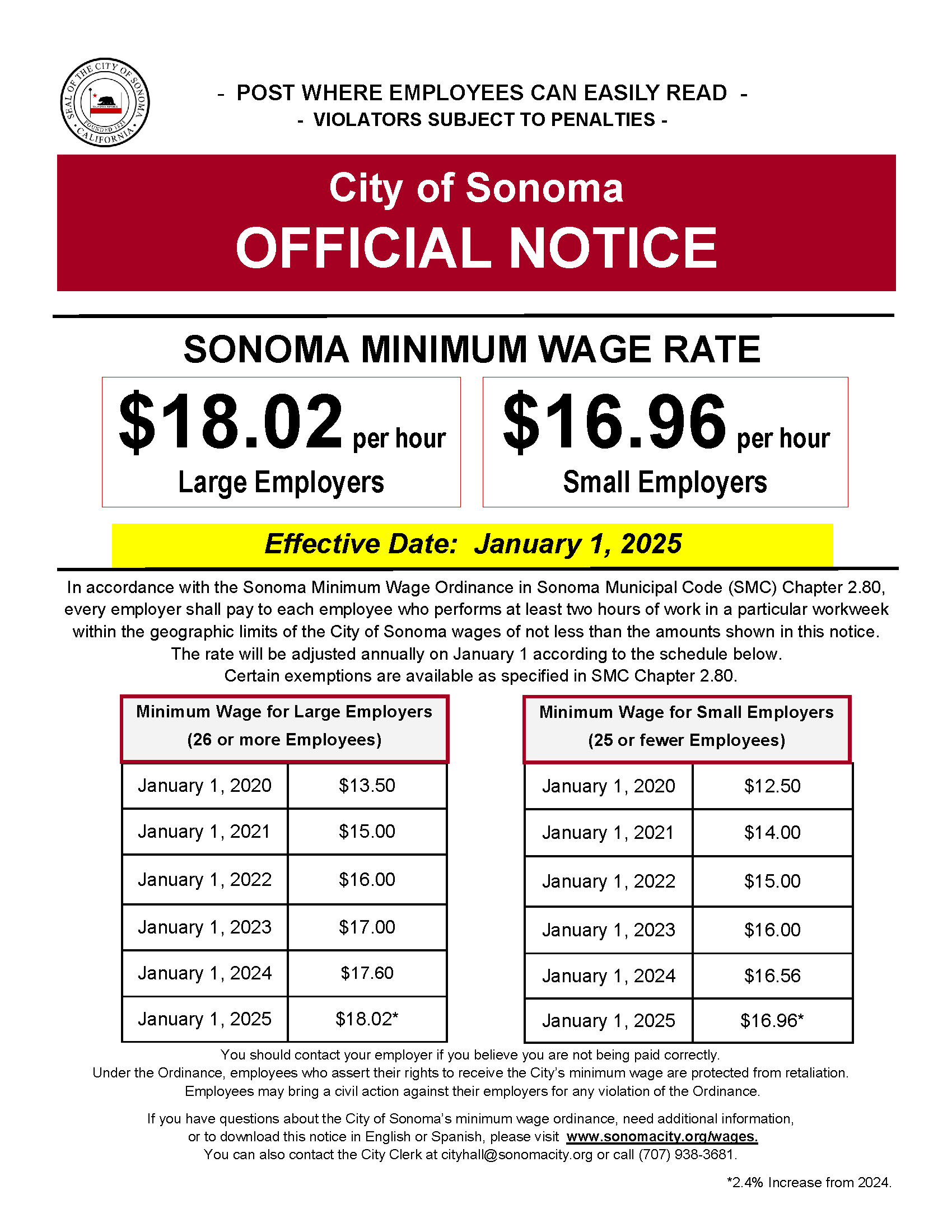
While the statewide minimum wage provides a crucial foundation, many cities and counties across California have enacted their own local minimum wage ordinances that surpass the state’s rate. These local laws are often a response to even higher costs of living in specific urban centers, where housing, transportation, and daily expenses far exceed the state average.
For instance, major hubs like San Francisco consistently lead with some of the highest minimum wages in the nation, often several dollars higher than the state’s mandate. Other significant cities such as Los Angeles, Oakland, San Jose, Santa Monica, and Berkeley also have their own higher minimum wage rates, which are typically adjusted annually based on inflation. These local differences are not just statistical curiosities; they have tangible effects on the pricing of goods and services in these areas. A meal at a restaurant in San Francisco might inherently cost more due to higher labor costs, just as a stay at a hotel in Los Angeles might reflect the local wage environment. For travelers, this means budgeting strategically, as the cost of a comparable experience can vary significantly from one city to another within the state. For those considering employment in the tourism sector, knowing the specific minimum wage for a particular locale is vital for understanding potential earnings.
Industry-Specific Wages and Future Changes
Beyond the general statewide and local minimum wages, California has also begun implementing industry-specific minimum wages for certain sectors. A notable example is the fast-food industry, where, as of April 1, 2024, a minimum wage of $20.00 per hour applies to employees of large national fast-food chains. Similarly, legislation has been enacted to raise the minimum wage for healthcare workers, with staggered increases set to reach $25.00 per hour by 2028 for most healthcare facilities. These targeted increases reflect an ongoing effort to ensure fair compensation in industries that are often labor-intensive and critical to the state’s economy and social well-being.
These specific mandates have significant implications for the travel experience. A quick bite at a fast-food restaurant near Disneyland or Universal Studios Hollywood will reflect these higher labor costs in its pricing, just as the cost of healthcare services, should a medical need arise during your trip, will be influenced. Looking ahead, California’s minimum wage policies are dynamic, often subject to annual adjustments and new legislative initiatives. Staying informed about these changes is crucial for anyone planning to visit or reside in the state, ensuring a more accurate understanding of the financial landscape.
Minimum Wage and the California Travel Experience
The minimum wage, while a fundamental labor standard, weaves its way into nearly every aspect of the travel experience in California. From the moment you book your accommodation to the last souvenir you purchase, the wages paid to the people providing those services subtly influence the prices you encounter. Understanding this connection is vital for effective budgeting, especially in a state known for its diverse offerings that range from ultra-luxury to incredibly budget-friendly.
Budgeting for Your California Getaway
California offers an unparalleled spectrum of travel experiences, but it’s no secret that the Golden State can be an expensive destination. The relatively high minimum wage, particularly in tourist hotspots, contributes to the overall cost of goods and services. For the budget traveler, this means being more strategic about choices. Eating out, for instance, particularly at full-service restaurants where staff are paid at or above minimum wage (plus tips), will likely be pricier than in states with lower labor costs. Opting for self-catering accommodations like apartments or villas, or utilizing grocery stores for some meals, can help manage food expenses. Similarly, while many major attractions like the Golden Gate Bridge or the beaches of Santa Monica are free to visit, ticketed attractions such as theme parks or museums, which employ many staff, will reflect these labor costs in their admission prices.
Conversely, for those indulging in luxury travel, the higher minimum wage contributes to the assurance of high-quality service. The attentive staff at a five-star resort in Beverly Hills or a boutique hotel in Palm Springs are likely compensated well, fostering a professional and dedicated workforce that enhances the premium experience. This economic reality underpins the expectation of excellence that defines luxury stays in California.
The Cost of Accommodation: Hotels, Resorts, and Beyond
Accommodation is often the largest single expense for travelers, and here, the impact of California’s minimum wage is particularly evident. Hotels, resorts, apartments, and villas all rely heavily on a labor force encompassing housekeepers, front desk agents, concierges, maintenance staff, and more. When the cost of labor increases, these operational costs naturally rise, and a portion of this is passed on to the consumer through room rates.
For instance, a stay in a full-service hotel or resort, especially in a city with a high local minimum wage like San Francisco or Los Angeles, might be noticeably more expensive than a comparable property in a state with lower labor costs. This doesn’t necessarily mean a diminished value; rather, it reflects the economic environment. The higher wages can contribute to lower staff turnover, better service quality, and a more stable, experienced workforce, ultimately enhancing the guest experience. However, for those seeking budget accommodation, this means exploring alternatives like hostels, economy hotels, or looking for deals during off-peak seasons. When comparing booking options, reviews, and amenities, understanding this underlying cost structure can help set realistic expectations for pricing in different regions of the state.
Dining and Entertainment: What to Expect
Dining in California is an experience in itself, from Michelin-starred restaurants to casual beachside cafes and bustling food trucks. The minimum wage directly influences the pricing of meals and beverages. Restaurants and cafes, especially those with a large staff, factor labor costs into their menu prices. This is particularly true in cities with higher local minimum wages or in specific sectors like fast food, which now has its own elevated wage floor.
For travelers, this means allocating a more substantial portion of their budget to dining, particularly if they plan to enjoy full-service restaurants regularly. Tipping culture in the United States also plays a role; while minimum wage provides a baseline, tips are often an essential part of service workers’ income. Many establishments, particularly in tourist-heavy areas, also impose service charges to offset increased labor costs, which should be factored into your total expense.
When it comes to entertainment, the same principles apply. From the actors and stagehands at a Hollywood theater to the ride operators at amusement parks, the wages paid contribute to the ticket prices. This economic reality ensures that the vibrant entertainment scene in California can sustain its workforce, providing memorable experiences for visitors while striving for fair compensation for those delivering them.
Supporting Local Tourism and the Workforce
From the perspective of responsible tourism, understanding California’s minimum wage policies offers a valuable insight into the local economy and its people. When you pay for a hotel room, a meal, or an attraction, a portion of that money goes directly to supporting the livelihoods of the state’s residents. By choosing to patronize businesses that pay their employees fairly, and perhaps even by adding a generous tip, travelers directly contribute to the economic well-being of the communities they visit. This support helps ensure that local cultures and unique activities can thrive, as the people working to preserve and present them are adequately compensated. Whether it’s a small family-run diner in Sacramento or a large resort in Lake Tahoe, every purchase helps sustain the local workforce and, by extension, the authentic experiences that make California such a captivating destination.
Lifestyle and Economic Considerations for Visitors and Residents
Beyond its direct impact on travel expenses, California’s minimum wage is inextricably linked to the broader lifestyle and economic realities of the state. For those considering a temporary stay or even a permanent relocation, these factors become even more pertinent, influencing everything from daily budgeting to career prospects in the tourism and hospitality sectors.
The High Cost of Living in California
It’s widely acknowledged that California boasts some of the highest costs of living in the United States. Housing, in particular, in major metropolitan areas like the Bay Area or Orange County, can be astronomically expensive. Utilities, transportation, and groceries also tend to be higher than the national average. The state’s elevated minimum wage is, in part, a response to this economic reality, designed to help workers meet these substantial expenses.
For visitors, this translates into a need for careful financial planning. Even if your trip is purely for pleasure, understanding that a significant portion of the prices you pay reflects this high cost of living can contextualize your expenses. It also highlights the economic challenges faced by many of the very people who contribute to your travel experience. For those contemplating a move, whether for work or extended living, the minimum wage becomes a baseline against which to measure the feasibility of living in various parts of California. Earning minimum wage in Silicon Valley, for example, presents a far different financial reality than earning it in a more rural or inland part of the state.
Opportunities in the Tourism and Hospitality Sector
California’s robust tourism and hospitality industry is a massive employer, offering countless opportunities in hotels, resorts, theme parks, restaurants, tour companies, and attractions. For individuals looking to work in a dynamic and service-oriented environment, this sector provides a significant pathway to employment. The state’s higher minimum wage can make these jobs more attractive and sustainable, especially compared to similar roles in states with lower wages.
Entry-level positions often start at or near the minimum wage, providing a starting point for careers in hotels, from front desk operations at a Marriott property to housekeeping at a boutique inn. With experience and dedication, there are clear pathways for advancement into supervisory and management roles. Moreover, the sheer volume of tourists and business travelers throughout the year, from the peak summer season to the vibrant holiday months, often ensures consistent demand for skilled and dedicated staff. This makes California an appealing prospect for those seeking employment in travel and tourism, blending a desirable lifestyle with accessible career opportunities.
Navigating California on a Budget: Tips for Travelers
Despite the higher costs driven by factors including minimum wage, experiencing California on a budget is entirely possible. Smart planning is key. Consider traveling during the shoulder seasons (spring or fall) when crowds are thinner and accommodation prices can be lower. Look for deals on flights and hotels well in advance. Instead of dining out for every meal, explore local farmers’ markets for fresh produce and picnic options, especially when exploring scenic routes like the Pacific Coast Highway or enjoying state parks. Many of California’s most stunning attractions, like its beaches, hiking trails, and the views from the Golden Gate Bridge, are free or require only a modest parking fee.
Opting for public transportation in major cities like San Francisco or Los Angeles can save on car rental and parking fees, while also offering a local’s perspective. For accommodation, explore options like vacation rentals, guesthouses, or even camping in one of the state’s magnificent national or state parks. These budget-friendly choices allow travelers to stretch their dollars further, ensuring that the dream of a California adventure remains accessible, regardless of economic considerations. By making informed choices, visitors can enjoy the rich tapestry of experiences the state has to offer without breaking the bank.
In conclusion, California’s minimum wage policies are more than just labor laws; they are a fundamental component of the state’s economic identity, shaping everything from daily living costs to the overall travel experience. For visitors, understanding these dynamics allows for more informed budgeting and a deeper appreciation for the dedicated workforce that makes their journeys memorable. For those considering making California their temporary or permanent home, particularly within the bustling tourism and hospitality sectors, comprehending the wage structure is essential for navigating the state’s unique lifestyle and economic opportunities. Whether you’re planning a luxurious escape or a budget-conscious adventure, being aware of “What’s minimum wage in California?” provides a crucial lens through which to view and engage with this remarkable state.
LifeOutOfTheBox is a participant in the Amazon Services LLC Associates Program, an affiliate advertising program designed to provide a means for sites to earn advertising fees by advertising and linking to Amazon.com. Amazon, the Amazon logo, AmazonSupply, and the AmazonSupply logo are trademarks of Amazon.com, Inc. or its affiliates. As an Amazon Associate we earn affiliate commissions from qualifying purchases.