
Understanding the minimum wage in a state is crucial for both employees and employers, impacting everything from individual earning potential to business operating costs. For travelers visiting or locals residing in Louisiana, knowing the current minimum wage provides valuable context for daily life and economic considerations. While Louisiana’s minimum wage is directly tied to the federal standard, several nuances and related factors can affect the take-home pay of many workers across the state. This article delves into the specifics of Louisiana’s minimum wage, its federal connection, and the broader economic landscape that influences it, all within the framework of the vibrant lifestyle and tourism that defines the state.
The Federal Floor: Louisiana’s Minimum Wage Standard
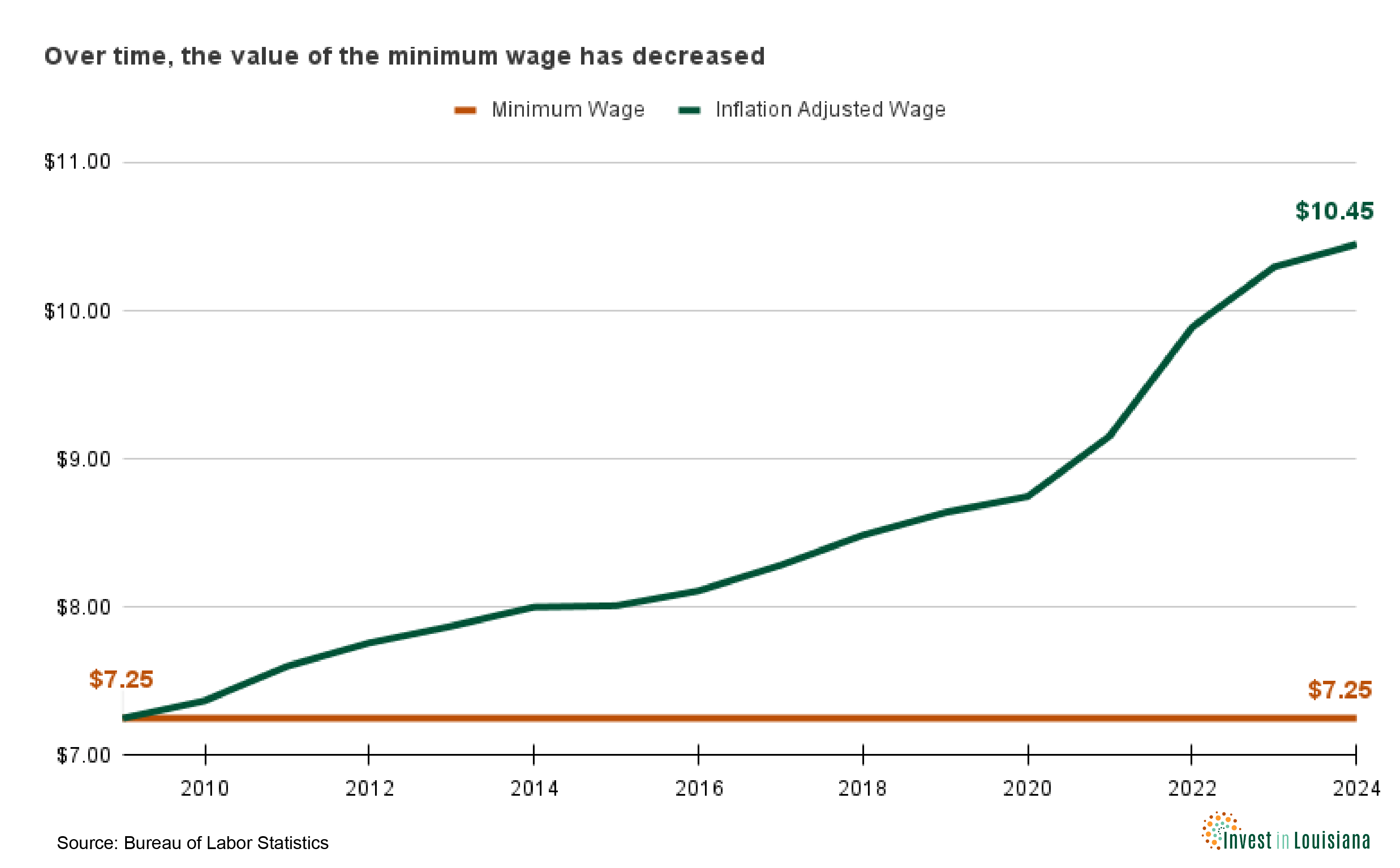
Louisiana, like many states, has not enacted its own state-specific minimum wage. This means that the prevailing minimum wage in Louisiana is the federal minimum wage established by the U.S. Department of Labor. As of the latest federal adjustments, this rate stands at $7.25 per hour. This figure serves as the baseline for most hourly employees working within the state.
Who is Covered by the Federal Minimum Wage?
The federal Fair Labor Standards Act (FLSA) outlines the coverage of minimum wage provisions. Generally, employees of businesses that have an annual gross volume of sales made or business done of at least $500,000 are covered. Employees of smaller businesses, federal, state, and local government agencies are also covered. There are specific exemptions and rules for certain types of employment, such as those in agriculture, domestic service, and some seasonal operations, but for the vast majority of workers in Louisiana, $7.25 per hour is the legally mandated minimum they can earn.
Tipped Employees: A Different Calculation
A significant portion of the workforce in Louisiana, particularly those in the hospitality sector which is vital to the state’s tourism industry, consists of tipped employees. For these workers, the FLSA allows employers to pay a lower cash wage, provided that the tips received, when added to the cash wage, equal at least the federal minimum wage.
The federal minimum cash wage for tipped employees is $2.13 per hour. However, this is only permissible if the employee customarily and regularly receives more than $30 per month in tips. If an employee’s tips, combined with the cash wage, do not reach the $7.25 per hour federal minimum wage, the employer is legally obligated to make up the difference. This is often referred to as a “tip credit.” It is essential for both employers and employees in roles like servers, bartenders, and hotel staff to understand this distinction, as it directly impacts their earnings.
Subminimum Wage for Learners and Youth
The FLSA also makes provisions for subminimum wages under specific circumstances, such as for learners, apprentices, and individuals with disabilities.
- Learners: For the first 90 days of employment, employers may be able to pay a minimum wage of $4.25 per hour to learners, provided they are employed under a certificate issued by the Department of Labor. This program aims to help individuals gain skills and experience without unduly burdening employers with the full minimum wage during the initial training period.
- Youth Workers: There is also a provision for a youth minimum wage, allowing employers to pay workers under 20 years of age $4.25 per hour for the first 90 days of their employment. This aims to encourage employment opportunities for young people. However, once a youth worker has been employed for 90 days, they must be paid at least the standard federal minimum wage of $7.25 per hour.
These subminimum wage provisions are designed to create entry-level opportunities but are subject to strict regulations and are not applicable to the general workforce.
The Economic Landscape and Minimum Wage Discussions
While Louisiana adheres to the federal minimum wage, the discussion around raising it is a recurring theme in many states, and Louisiana is no exception. The current federal rate of $7.25 per hour has remained unchanged since 2009, leading to debates about its adequacy in covering the cost of living.
Cost of Living in Louisiana
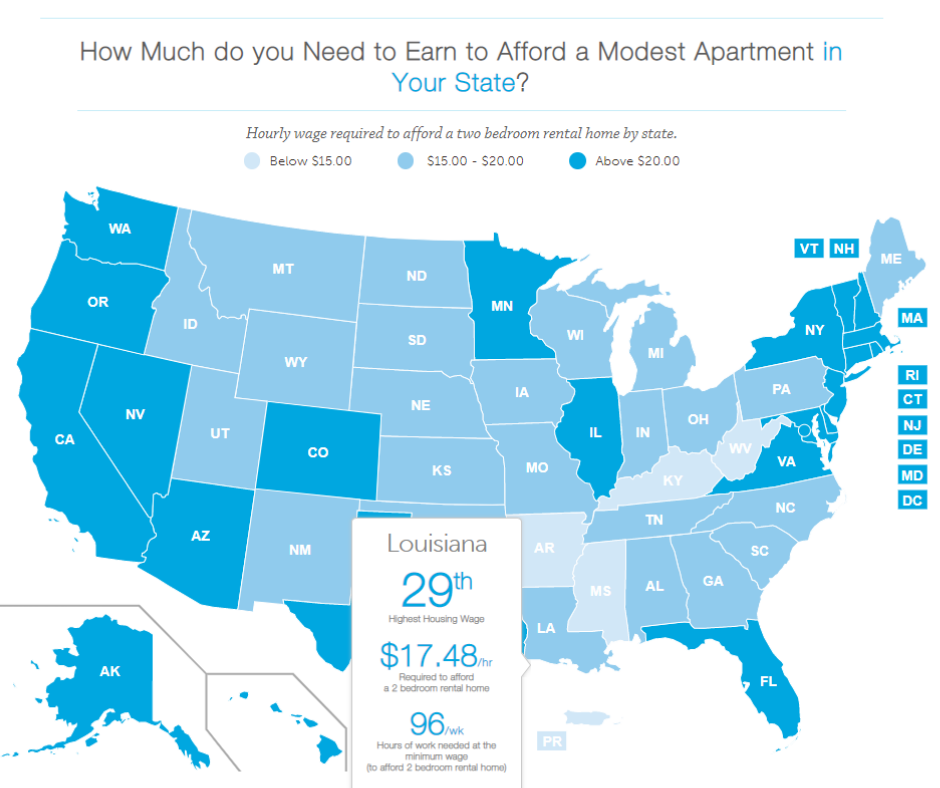
The purchasing power of the minimum wage is heavily influenced by the cost of living in a particular area. Louisiana, with its diverse cities like New Orleans, Baton Rouge, and Shreveport, presents varying economic landscapes. While some areas might have a lower cost of living compared to national averages, the stagnant minimum wage can still pose challenges for low-wage workers, especially in larger metropolitan areas where expenses like housing, transportation, and groceries can be higher.
For instance, a minimum wage worker in New Orleans, a popular tourist destination renowned for its vibrant culture, music, and culinary scene, might find it increasingly difficult to manage expenses on $7.25 per hour, especially when considering the costs associated with enjoying the city’s attractions or finding affordable accommodation. The affordability of staying at a luxury resort or a budget-friendly apartment can differ significantly across regions, impacting the financial feasibility for those on the lowest end of the wage scale.
Debates and Potential Changes
Advocates for a higher minimum wage argue that an increase would boost the economy by putting more money into the hands of consumers, thereby increasing demand for goods and services. This could, in turn, benefit businesses, including hotels, restaurants, and attractions that rely on consumer spending. They also emphasize the moral imperative of ensuring that full-time workers can earn a living wage that allows them to meet their basic needs without relying on public assistance.
Conversely, opponents of raising the minimum wage often cite concerns about potential job losses, as businesses might respond to increased labor costs by reducing staff, slowing hiring, or cutting employee hours. Small businesses, in particular, might struggle to absorb higher wage expenses. The argument is also made that a mandated wage increase could lead to inflation, as businesses pass on higher labor costs to consumers through increased prices.
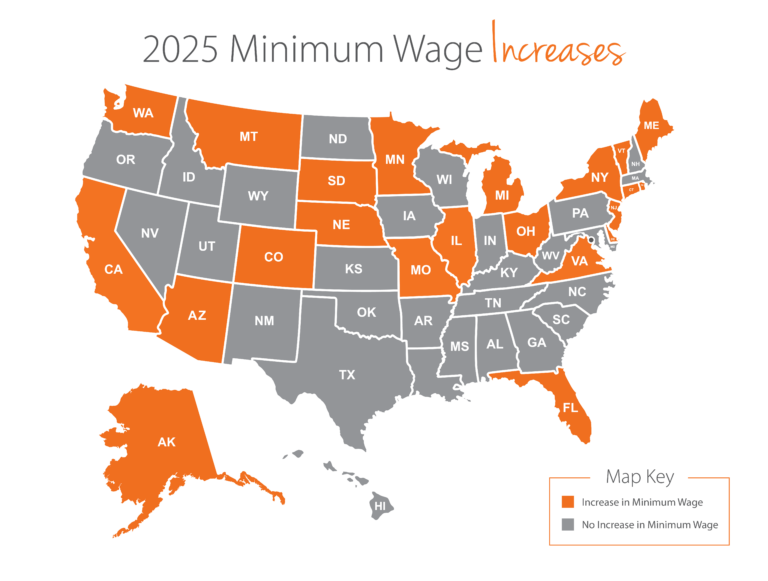
Despite the ongoing national conversation and legislative efforts in other states to increase their minimum wages, Louisiana has not seen any state-level action to supersede the federal rate. This means employers in Louisiana must continue to comply with the $7.25 per hour federal standard, unless a specific federal or state law mandates a higher rate for particular industries or circumstances.
Impact on Travel and Tourism in Louisiana
The minimum wage, even at the federal level, plays an indirect yet significant role in the travel and tourism industry of Louisiana. This sector, a cornerstone of the state’s economy, relies heavily on a workforce that often includes many minimum wage earners.
The Hospitality Workforce
From bustling hotels in the French Quarter of New Orleans to charming bed and breakfasts in historic towns, the hospitality sector employs countless individuals. Many front-line positions, such as housekeepers, bussers, hosts, and some entry-level kitchen staff, are often paid at or near the minimum wage. The ability of these workers to earn a livable wage directly affects their own lifestyles and their capacity to participate in the local economy, including potentially enjoying some of the very attractions and culinary experiences they help to provide for visitors.
For example, a tourist staying at a grand establishment like the Windsor Court Hotel or seeking budget-friendly accommodation in a cozy apartment, might not directly see the impact of minimum wage on their bill. However, the overall economic health of the communities they visit is influenced by the earning power of local residents. A higher minimum wage could theoretically lead to increased disposable income for a segment of the population, potentially boosting local spending on leisure activities, dining out, and shopping, which benefits businesses across the tourism spectrum.
Employer Considerations and Business Operations
For businesses operating in Louisiana’s vibrant tourism landscape, from tour operators in Acadiana to resort managers in areas near Lake Pontchartrain, understanding wage regulations is paramount. The $7.25 federal minimum wage provides a predictable baseline. However, in competitive markets, especially in tourist hubs, employers may offer wages above the minimum to attract and retain skilled staff.
The absence of a state-specific minimum wage also means that Louisiana businesses operate under a single set of wage laws that align with national standards. This can simplify compliance for larger chains with operations in multiple states. However, it also means that Louisiana does not have the flexibility to set a higher minimum wage that might be considered more appropriate for its specific economic conditions or to address cost-of-living variations within the state.
The Nuance of Tipped Wages
The specific rules regarding tipped employees are particularly relevant to Louisiana’s renowned culinary and hospitality scene. Restaurants, bars, and cafes in cities like New Orleans rely heavily on servers and bartenders who earn a portion of their income through tips. The $2.13 federal cash wage for tipped employees, coupled with the tip credit, is a critical component of the operational costs for many establishments. While this model has long been a part of the industry, it also generates discussions about income stability for tipped workers, especially during slower periods or when customer generosity varies. Ensuring that tipped employees consistently earn at least the full federal minimum wage is a legal requirement that underpins the fairness of this system.
In conclusion, while the minimum wage in Louisiana is set at the federal rate of $7.25 per hour, its implications are far-reaching. It impacts the daily lives of workers, influences business operations, and subtly shapes the economic environment that supports the state’s rich travel and tourism industries. As the cost of living evolves and economic discussions continue, the question of whether the federal minimum wage adequately serves the needs of Louisiana’s workforce and economy remains a pertinent topic.