
New York City – a metropolis renowned globally for its vibrant culture, iconic landmarks, unparalleled travel experiences, and a bustling economy that draws millions of visitors and ambitious workers alike. From the glittering lights of Times Square to the tranquil paths of Central Park, every corner of this concrete jungle offers a unique slice of the American dream. But beneath the surface of glamour and aspiration lies a crucial economic factor that impacts everyone, from the local resident serving your coffee to the hotel staff ensuring your comfortable accommodation: the minimum wage.
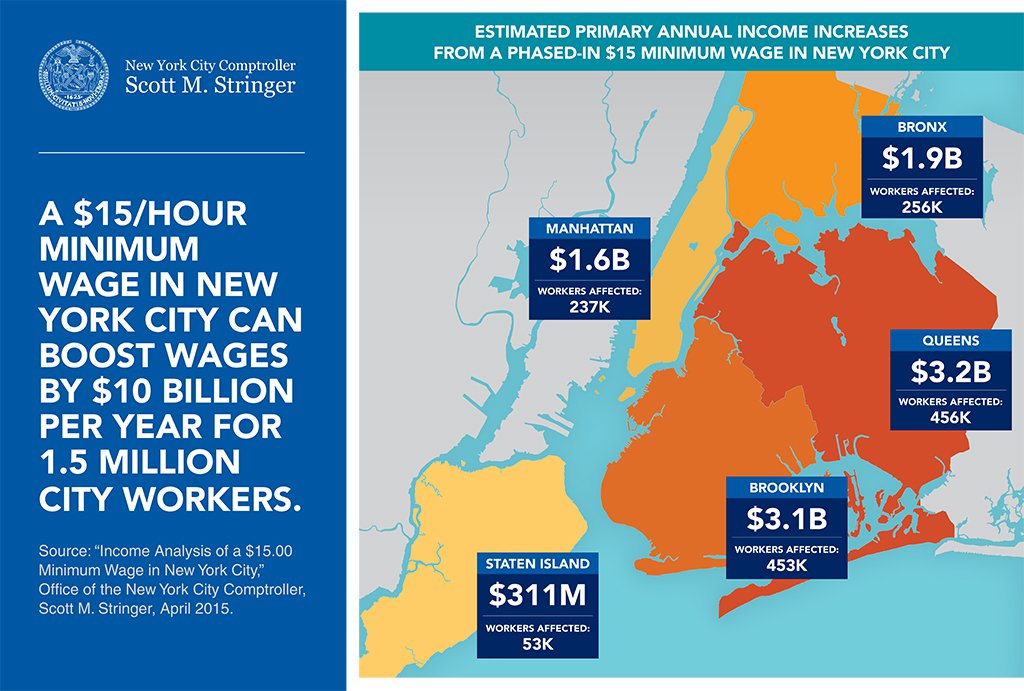
Understanding the minimum wage in New York City is not just a matter for economists or local workers; it’s a vital piece of information for anyone planning a visit, considering a long-term stay, or simply curious about the economic pulse of this global hub. For travelers, it indirectly influences everything from the price of a Broadway show ticket to the cost of a gourmet meal. For those working in the city’s vast tourism and hospitality sectors, it defines their standard of living and the quality of service they can provide. This article will delve into the current minimum wage in New York City, exploring its nuances, its significant impact on the city’s robust tourism and hospitality industry, and how it shapes the overall lifestyle and budgeting considerations for visitors.
Understanding New York City’s Minimum Wage Landscape
New York City has long been at the forefront of the national conversation regarding minimum wage, recognizing the extraordinarily high cost of living within its five boroughs. The city’s economic policies are often shaped by the need to ensure that its workers can afford to live and thrive in one of the world’s most expensive urban environments.
The Current Standard in the Five Boroughs
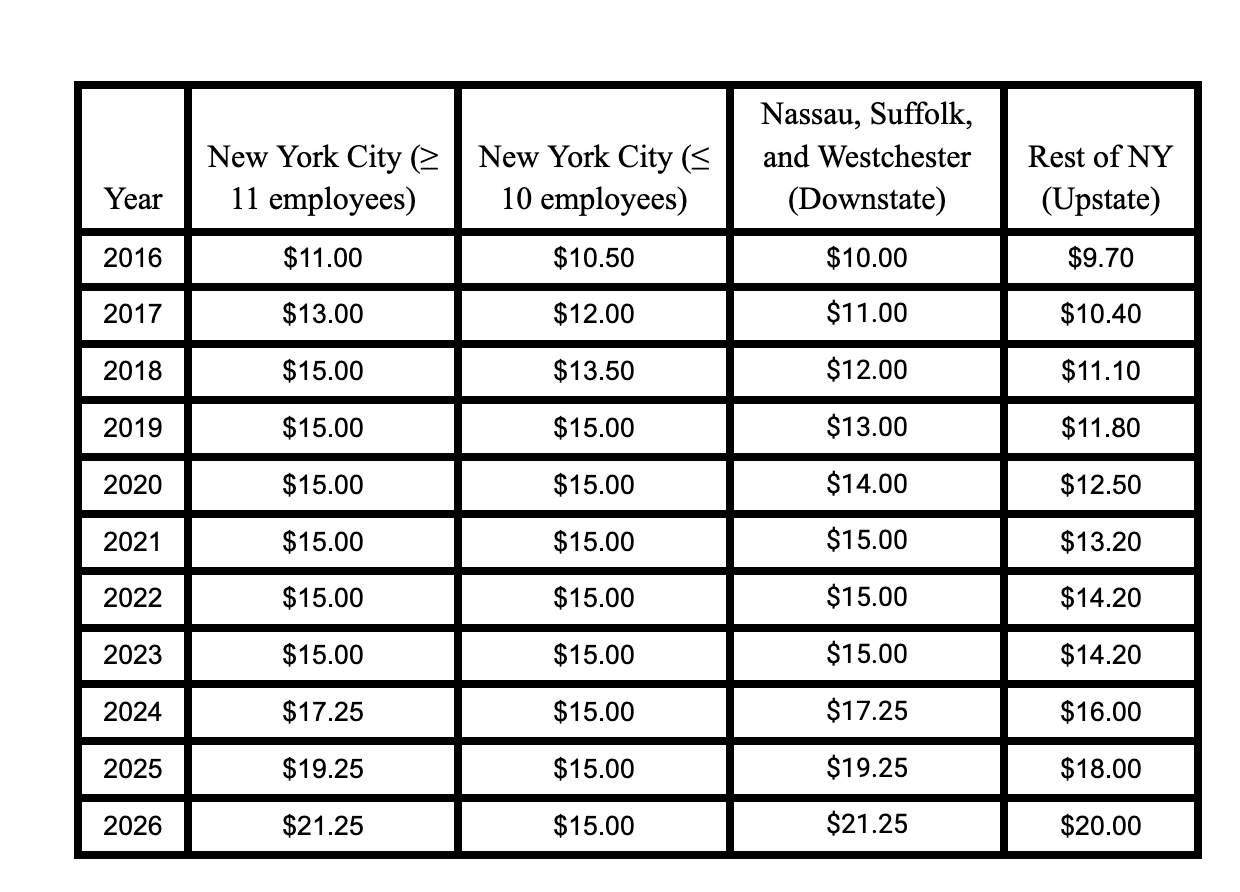
As of January 1, 2024, the minimum wage in New York City stands at $16.00 per hour. This rate applies universally across all five boroughs: Manhattan, Brooklyn, Queens, The Bronx, and Staten Island. This is a significant increase from previous years and reflects a deliberate effort by New York State to establish a more livable wage for its urban workforce.
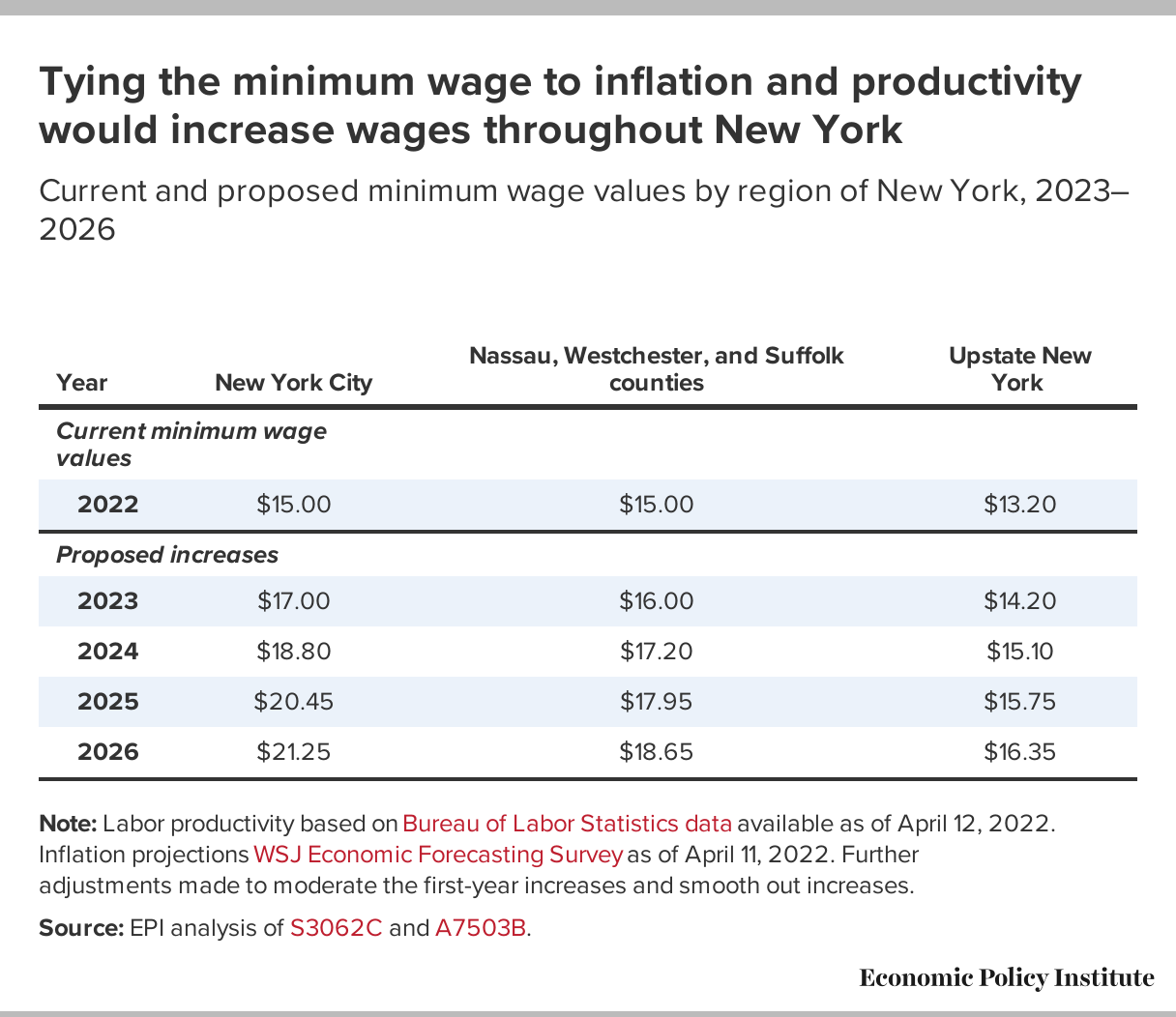
It’s important to note that this $16.00 rate is specific to New York City and certain surrounding counties, including Nassau, Suffolk, and Westchester. For the remainder of New York State, the minimum wage is set at $15.00 per hour. This regional differentiation highlights the stark economic disparities even within the same state, primarily driven by the colossal difference in the cost of rent, goods, and services that characterize life in the nation’s largest metropolitan area. The journey to this $16.00 threshold has been incremental, with regular increases implemented over several years, demonstrating a sustained commitment to improving economic conditions for low-wage workers.
Industry-Specific Variations and Tipped Workers
While the $16.00 per hour figure provides a general baseline, specific industries and employment types within New York City have their own nuances regarding minimum wage. The most notable variation applies to tipped employees, such as restaurant servers, bartenders, and certain service staff who regularly receive gratuities.
For these workers, New York State law allows employers to pay a lower “cash wage,” provided that the employee’s tips, when combined with this cash wage, at least meet the standard minimum wage. This concept is known as a “tip credit.” In New York City, the minimum cash wage for tipped workers has also been adjusted to ensure that the combined wage reaches the $16.00 per hour standard. Employers are required to track tips and ensure that any shortfall is covered. This system aims to balance the reliance on customer gratuities with the guarantee of a decent minimum income.
Another category that previously had specific wage schedules was fast food workers, who saw their minimum wage reach $15.00 per hour earlier than many other sectors. While now generally falling under the overarching $16.00 rate, these historical distinctions underscore the targeted efforts to address wage disparities in industries employing a significant number of low-wage workers. For travelers dining out, understanding the tip credit system can inform their tipping practices, ensuring that those serving them are adequately compensated.
The Impact on New York City’s Tourism and Hospitality Sector
The tourism and hospitality sector is the lifeblood of New York City’s economy, employing hundreds of thousands of individuals across hotels, restaurants, attractions, and various service roles. The minimum wage plays a pivotal role in shaping both the experiences of visitors and the quality of life for the dedicated workforce that fuels this vibrant industry.
Supporting the Frontline Workforce
A higher minimum wage directly translates to a better quality of life for the countless individuals who are the face of New York City’s tourism industry. Imagine the staff at the iconic Plaza Hotel or the cheerful greeters at the Museum of Modern Art (MoMA); these individuals work tirelessly to make every visitor’s journey memorable. A $16.00 per hour wage provides them with a more stable income, allowing them to better afford the city’s high cost of living, from rent to groceries and transportation.
This economic stability can lead to several positive outcomes for the hospitality sector. Firstly, it can reduce employee turnover, as workers are more likely to stay in jobs that offer fair compensation. Lower turnover means more experienced staff, which often translates into higher quality service. A seasoned concierge at a Manhattan hotel, a knowledgeable tour guide leading a group through Greenwich Village, or a dedicated attendant at Grand Central Terminal can significantly enhance a visitor’s experience.
Secondly, a livable wage can boost employee morale and motivation. When workers feel valued and adequately compensated, they are more engaged and provide better service. This contributes to New York City’s reputation for world-class service, which is a crucial draw for global travelers. From a perspective of responsible tourism, supporting local workers through fair wages aligns with ethical travel practices, ensuring that the benefits of tourism are shared broadly within the community.
Navigating Costs for Travelers and Businesses
While beneficial for workers, a higher minimum wage undeniably contributes to the overall operational costs for New York City businesses, particularly those in the labor-intensive tourism and hospitality industries. Hotels pay more for housekeeping and front-desk staff, restaurants face increased labor expenses for kitchen and waitstaff, and attractions must account for higher wages for ticket sellers and security personnel.
These increased costs are often, though not always entirely, passed on to consumers. This means travelers may encounter slightly higher prices for accommodation, dining experiences, and various services compared to cities with lower minimum wages. For instance, a night at a reputable hotel like The St. Regis New York or a meal in a fine dining establishment will reflect these elevated operational expenses.
However, for a city like New York, known for its premium experiences and exclusivity, many visitors already anticipate higher prices. The perceived value often lies in the unparalleled quality and unique offerings the city provides. Businesses in New York City are skilled at balancing competitive pricing with the need to cover labor costs, often through efficiency improvements, innovative service models, or by reinforcing the premium nature of their products. For budget travelers, it simply means an even greater emphasis on smart planning and seeking out cost-effective alternatives, which the city still offers in abundance.
Lifestyle and Budgeting for a New York City Visit
New York City is famous for being expensive, and the minimum wage, while essential for residents, contributes to the baseline cost of visiting. However, the city’s diverse offerings mean that incredible experiences are available for every budget, provided you plan strategically.
For the Budget-Conscious Traveler
Visiting New York City on a budget requires savvy planning, but it’s entirely achievable. The city is a treasure trove of free or low-cost activities that allow you to soak in its essence without breaking the bank. For accommodation, consider alternatives to luxury Manhattan hotels. Exploring neighborhoods like Long Island City in Queens or Bushwick in Brooklyn can yield more affordable boutique hotels, hostels, or vacation rental apartments, often just a short ride on the efficient MTA subway system away from the major attractions.
Dining is another area where smart choices can save a significant amount. While Michelin-starred restaurants abound, New York City is also home to an incredible array of inexpensive eateries. Explore vibrant street food scenes, sample diverse cuisines from countless delis and food trucks, or take advantage of happy hour specials. Visiting local markets in areas like the Lower East Side or Chelsea Market offers opportunities for affordable and delicious meals.
Free attractions are abundant: walk across the magnificent Brooklyn Bridge, wander through the sprawling expanse of Central Park, stroll along The High Line for elevated views, or take the Staten Island Ferry for iconic views of the Statue of Liberty and the Manhattan skyline. Many museums, like the American Museum of Natural History and The Metropolitan Museum of Art, offer “pay-what-you-wish” admission for New York State residents and suggested donations for others, making world-class art and history accessible. The sheer walkability of many neighborhoods, like Fifth Avenue for window shopping or Wall Street for financial history, also provides endless free entertainment. Even with a higher minimum wage influencing general prices, New York City remains a city where diverse experiences can be curated to fit nearly any budget, emphasizing its reputation as a democratic urban landscape.
For Luxury and Mid-Range Experiences
For those seeking a more luxurious or mid-range travel experience, the impact of New York City’s minimum wage on overall costs is often less of a concern. In this segment, the focus shifts to the quality and exclusivity of the experience. The higher wages for service professionals contribute to the premium service standards expected in high-end establishments. When you check into a prestigious hotel like the Four Seasons Hotel New York Downtown or enjoy a sophisticated dinner near Rockefeller Center, the impeccable service, attention to detail, and seamless operations are often a direct result of a well-compensated, highly professional staff.
This means that while the base costs might be higher, the value proposition for luxury travelers is enhanced by the caliber of service. Whether it’s a personalized shopping experience on Fifth Avenue, front-row seats to a Broadway show, or a private guided tour of the Empire State Building, the investment in quality labor ensures that these experiences meet the highest global standards. Mid-range travelers can also benefit, finding well-maintained hotels with friendly staff, and restaurants offering excellent food and service that provide good value for money, even with the city’s overall higher price points. The higher minimum wage ensures that a certain standard of living is maintained for these valuable workers, which in turn elevates the overall quality and ambiance of the city’s extensive tourism infrastructure.
In essence, whether you’re splurging on a stay at The Peninsula New York or exploring the vibrant street art of Bushwick, the minimum wage in New York City is an underlying economic factor that shapes the urban landscape. It’s a testament to the city’s commitment to its residents and a reflection of its unique economic environment, ultimately contributing to the dynamic and unforgettable character that defines the world’s greatest city.
The minimum wage in New York City is more than just a number; it’s a critical component of the city’s economic fabric, influencing both the daily lives of its dedicated workforce and the experiences of millions of visitors. At $16.00 per hour, it reflects the city’s unique cost of living and its commitment to ensuring a more equitable wage for its residents. For the tourism and hospitality sector, this translates into a more stable and motivated workforce, which in turn contributes to the high-quality service and memorable experiences that New York City is famous for.
While it contributes to the city’s generally higher price points for accommodation, dining, and attractions, New York City remains an accessible destination for all types of travelers. Whether you’re planning a luxurious escape or an adventure on a shoestring budget, understanding this economic baseline allows for better planning and appreciation of the intricate balance that keeps this vibrant metropolis thriving. Ultimately, the investment in its people strengthens the city’s ability to offer unparalleled experiences, ensuring that New York City continues to be a top global destination, where every visit leaves an indelible mark.
LifeOutOfTheBox is a participant in the Amazon Services LLC Associates Program, an affiliate advertising program designed to provide a means for sites to earn advertising fees by advertising and linking to Amazon.com. Amazon, the Amazon logo, AmazonSupply, and the AmazonSupply logo are trademarks of Amazon.com, Inc. or its affiliates. As an Amazon Associate we earn affiliate commissions from qualifying purchases.