
New York City, often hailed as the “Capital of the World,” is more than just a collection of iconic landmarks and bustling streets; it’s a living, breathing testament to human diversity and ambition. At the heart of its unparalleled dynamism lies its population – a staggering, ever-shifting mosaic of cultures, dreams, and narratives. Understanding New York City’s population isn’t merely about quoting a statistic; it’s about grasping the very essence of what makes this metropolis an epicenter for travel, tourism, and a truly unique lifestyle.
The population of New York City is one of the largest and most diverse in the United States. According to the most recent estimates from the U.S. Census Bureau, the city proper, encompassing all five boroughs, consistently hovers around 8.5 to 8.8 million residents. This figure makes New York City the most populous city in the United States, significantly dwarfing other major urban centers. When we expand our view to the greater metropolitan area, which includes surrounding counties in New York State, New Jersey, and Connecticut, the number swells to over 20 million people, forming one of the world’s largest megacities. This incredible density and diversity are not just footnotes; they are the fundamental drivers behind New York’s vibrant culture, its booming tourism industry, its challenging yet rewarding accommodation landscape, and the distinct lifestyle it offers both residents and visitors.

The Vibrant Heartbeat: Understanding New York City’s Population Dynamics
The sheer volume of people packed into New York City’s relatively small geographic footprint is astounding. But it’s not just the quantity; it’s the quality and constant flux of this population that truly defines the city. This bustling metropolis is a constant ebb and flow of permanent residents, temporary workers, students, and, of course, millions of tourists who come to experience its magic. The demographics are a testament to global connectivity, with virtually every nation on Earth represented within its borders.
A Snapshot of New York’s Demographics
New York City is divided into five distinct boroughs: Manhattan, Brooklyn, Queens, The Bronx, and Staten Island. Each borough possesses its own unique character, contributing to the city’s overall diverse demographic tapestry. Brooklyn, for instance, has seen remarkable growth and gentrification, becoming a hub for artists, young professionals, and families, while retaining its historic neighborhoods. Queens is arguably the most ethnically diverse urban area in the world, where over 130 languages are spoken, making it a microcosm of global cultures. Manhattan, the iconic island at the city’s core, is a magnet for business, luxury, and high-end living, attracting a transient population of affluent professionals and international visitors. The Bronx, rich in history and cultural heritage, is a vibrant borough undergoing significant revitalization, while Staten Island offers a more suburban feel with strong community ties.
The city’s population is a rich blend of ancestries. Significant populations of Hispanic/Latino, Black/African American, and Asian individuals contribute to the city’s dynamic cultural landscape, alongside a substantial white population. This diversity isn’t just a statistic; it translates into daily life through the incredible variety of food, music, art, and traditions found in every neighborhood. From the bustling streets of Chinatown and Little Italy in Manhattan to the vibrant communities of Jackson Heights in Queens or Washington Heights in Manhattan, the influence of different cultures is palpable and celebrated, offering visitors an endless array of authentic experiences.
Population Growth and Urban Expansion
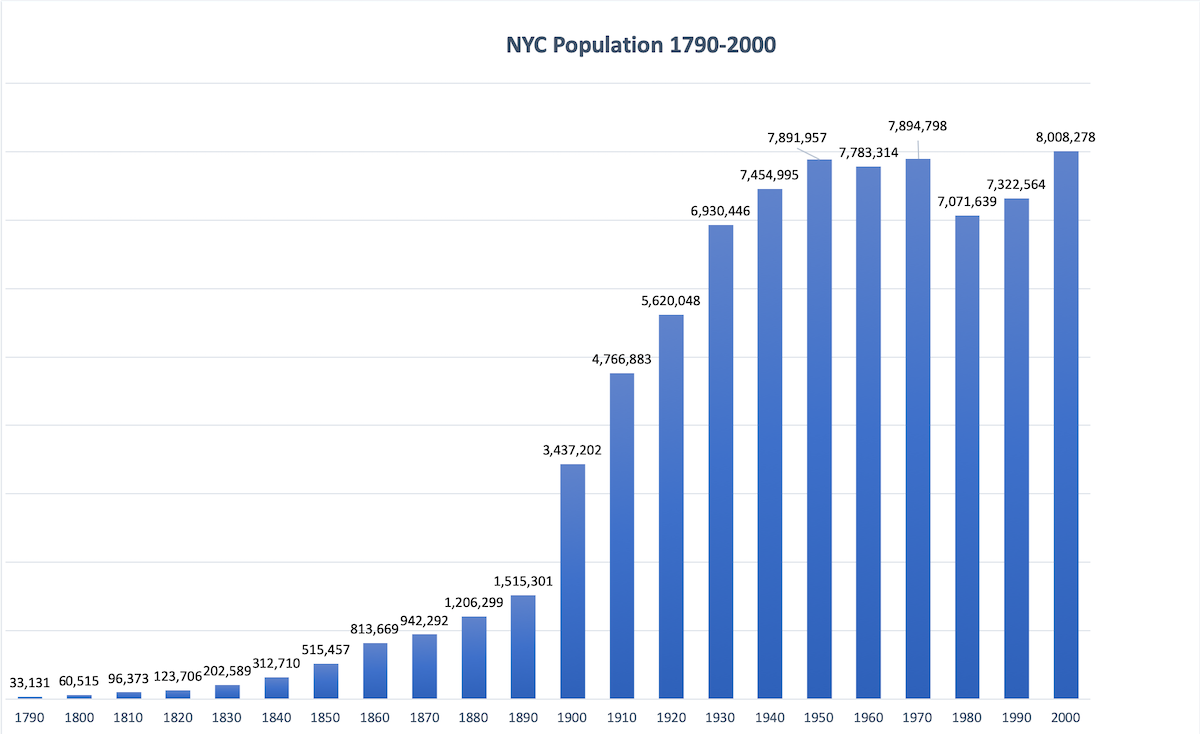
New York City’s population has consistently grown over the decades, reflecting its enduring appeal as a global center for opportunity, innovation, and culture. This growth puts immense pressure on infrastructure, housing, and public services, yet the city continuously adapts and reinvents itself. Urban expansion is visible in the construction of new skyscrapers, residential developments, and revitalized districts. Areas like Long Island City in Queens have transformed from industrial zones into thriving residential and commercial hubs, driven by the demand for living space from the burgeoning population.
The city’s magnetic pull attracts people from all corners of the United States and the world, contributing to its ever-evolving demographic profile. This constant influx ensures a perpetual flow of new ideas, entrepreneurial spirit, and cultural infusions, making New York an unparalleled hub for creativity and commerce. The vitality stemming from its vast and diverse population is what allows New York City to remain at the forefront of global trends, be it in finance, fashion, food, or the arts.
The Magnet Effect: How Population Fuels Tourism and Lifestyle
The sheer number of people living in and visiting New York City is not just a demographic fact; it’s the engine that drives its economy and shapes its unique identity as a tourist destination and a lifestyle mecca. The density of population creates a critical mass for everything from world-class attractions to niche cultural experiences, ensuring there’s always something new to discover.
Unrivaled Attractions and Experiences
With millions of residents and an equally impressive number of annual tourists (pre-pandemic numbers often exceeded 60 million visitors), New York City has cultivated an unparalleled array of attractions and experiences. Landmarks such as the Statue of Liberty, the Empire State Building, and Times Square draw crowds from around the globe, eager to witness these icons firsthand. The concentration of people supports a thriving cultural scene, including dozens of Broadway theaters, world-renowned museums like the Metropolitan Museum of Art, the Museum of Modern Art (MoMA), and the American Museum of Natural History.
Parks like Central Park serve as vital green lungs for the urban population, offering respite and recreation amidst the concrete jungle. From free concerts and Shakespeare in the Park to ice skating and boating, these spaces are activated by the city’s dense population, fostering a sense of community and providing accessible entertainment. The constant flow of people ensures that there’s always demand for new attractions, pop-up events, and innovative experiences, keeping the city’s entertainment landscape fresh and exciting. Whether it’s exploring the High Line in Chelsea, walking across the Brooklyn Bridge, or visiting the 9/11 Memorial & Museum, the sheer volume of people ensures that these sites are always vibrant and full of life.

A Culinary and Cultural Mosaic
The diverse population is perhaps most evident and celebrated in New York City’s food scene. With residents hailing from every corner of the globe, the city boasts an astounding array of authentic international cuisines. You can savor Michelin-starred French delicacies in Midtown Manhattan, explore vibrant Indian eateries in Curry Hill, feast on tantalizing Chinese dishes in Flushing, or enjoy traditional Italian fare in Little Italy or Arthur Avenue in The Bronx. The sheer number of restaurants, delis, food trucks, and markets cater to every taste and budget, making eating out an adventure in itself. This culinary diversity is a direct result of the city’s melting pot population, with each community bringing its flavors and traditions.
Beyond food, the cultural mosaic is equally rich. Festivals celebrating different ethnicities, parades for various national holidays, and a vibrant arts scene spanning music, dance, and theater are commonplace. Neighborhoods like Harlem offer deep dives into African American history and culture, while Greenwich Village remains a bohemian haven for artists and musicians. The presence of international institutions like the United Nations Headquarters further underscores New York’s global role and its ability to attract diverse talent and perspectives. This constant cultural exchange enriches the daily lives of residents and provides tourists with endless opportunities for discovery. Whether you’re interested in luxury travel experiences like exclusive fashion shows or seeking budget travel adventures exploring local markets, the city caters to every preference.
The Rhythms of New York Lifestyle
The lifestyle in New York City is as varied as its population. For many, it’s a fast-paced, 24/7 existence driven by ambition and opportunity. For others, particularly in residential neighborhoods, life moves at a more manageable pace, offering tight-knit communities, local parks, and family-friendly activities. The city accommodates a spectrum of lifestyles, from the high-flying corporate executive in the Financial District to the bohemian artist in Bushwick, the academic in Morningside Heights, or the suburban commuter from Staten Island.
New York is a city where every interest can be pursued, from obscure hobbies to mainstream passions. The constant competition and dense population also foster innovation and a relentless pursuit of excellence in every field. This creates a vibrant energy that is infectious, compelling visitors to return and encouraging residents to stay and contribute to its ongoing narrative. For those planning family trips, the city offers a wealth of educational and entertaining options. For business stays, its robust infrastructure and global connectivity are unmatched.
Navigating the Urban Landscape: Accommodation and Infrastructure
The immense population density of New York City creates both challenges and opportunities, especially when it comes to accommodation and infrastructure. Balancing the needs of millions of residents and visitors requires constant innovation and strategic planning.
Hotels and Housing in a Densely Populated Metropolis
Finding suitable accommodation in New York City is a key consideration for both residents and visitors, directly impacted by the city’s population figures. For tourists, the city offers an astonishing range of hotels, from ultra-luxury resorts in Midtown and SoHo to boutique hotels in Greenwich Village and more budget-friendly options further afield. The demand driven by millions of visitors ensures a competitive market, yet also fuels continuous development of new properties and amenities. Travelers can compare options from iconic establishments like The Plaza Hotel overlooking Central Park to modern apartments available for short-term stays through various platforms.
For residents, housing is a perpetual topic of discussion. The high demand from a dense and growing population contributes to some of the highest real estate prices in the world. This has led to the development of incredibly vertical living, with towering apartment buildings becoming the norm. The city is constantly grappling with providing affordable housing options, expanding residential zones, and ensuring diverse communities can thrive. The concept of long-term stay apartments, co-living spaces, and creatively designed micro-apartments are all responses to the unique pressures of housing a massive urban population. Reviews and comparison websites are indispensable tools for navigating this complex market, whether one is looking for a weekend getaway or a permanent residence.
Transporting Millions: A Daily Challenge
Moving over 8 million people around the city every day, along with countless commuters from the greater metropolitan area, is a logistical marvel. New York City’s public transportation system, notably the MTA subway, is one of the most extensive in the world, serving billions of riders annually. It is the lifeblood of the city, enabling residents to access jobs, education, and leisure across all five boroughs. Buses, commuter rail lines (like the Long Island Rail Road and Metro-North Railroad), and iconic yellow taxis further augment this network. Even the Staten Island Ferry, which offers free passage with stunning views of the Manhattan skyline and the Statue of Liberty, is a crucial part of the daily commute for thousands.
However, the sheer volume of users also means that the system is under constant strain, leading to ongoing efforts in modernization and expansion. For tourists, navigating this system can be an adventure in itself, offering a glimpse into the daily lives of New Yorkers and an efficient way to explore different neighborhoods and attractions. The density of people also necessitates strict traffic management, extensive pedestrian zones, and the continuous development of bike lanes to encourage alternative modes of transport. This relentless movement and energy contribute to the city’s reputation as a place that never sleeps.
Beyond the Numbers: The Enduring Appeal of New York
Ultimately, New York City’s population is far more than a statistic; it’s a testament to human resilience, creativity, and the enduring allure of urban life. It is this vast collection of individuals, with their diverse backgrounds and shared aspirations, that continually redefines what it means to be a global city. From the grand scale of its famous places and historical architecture to the intimate details of its local culture and hidden gems, every aspect of New York is shaped by its people.
For anyone planning to travel to New York City, understanding its population helps contextualize the experience. It explains why the energy is so palpable, why the food is so diverse, why attractions are so plentiful, and why finding the perfect accommodation requires careful planning. It is the collective spirit of these millions that imbues the city with its legendary “buzz” – a symphony of ambition, culture, and endless possibility that draws people from every corner of the globe, year after year. The population of New York City is its greatest asset, its defining characteristic, and the very reason it remains one of the world’s most compelling destinations.
LifeOutOfTheBox is a participant in the Amazon Services LLC Associates Program, an affiliate advertising program designed to provide a means for sites to earn advertising fees by advertising and linking to Amazon.com. Amazon, the Amazon logo, AmazonSupply, and the AmazonSupply logo are trademarks of Amazon.com, Inc. or its affiliates. As an Amazon Associate we earn affiliate commissions from qualifying purchases.