
Planning a trip to the Golden State or perhaps dreaming of an extended stay to soak up its unique lifestyle? Understanding the economic landscape, particularly the minimum wage, is more relevant than you might think for any traveler or prospective resident. California is renowned for its breathtaking destinations, luxurious accommodations, vibrant culture, and unparalleled experiences, but it also carries a reputation for a higher cost of living. The minimum wage plays a crucial role in shaping everything from the price of your hotel room and a gourmet meal to the cost of a guided tour or even the salary of the dedicated hospitality staff who make your stay memorable. This guide delves into the specifics of California’s minimum wage, examining its impact on your travel budget, lifestyle aspirations, and overall experience in one of the world’s most desired destinations.
Understanding California’s Evolving Minimum Wage Landscape
California has consistently been at the forefront of setting higher minimum wage standards in the United States, a policy decision that reflects the state’s economic philosophy and its commitment to workers’ rights. For travelers, this translates into a unique economic environment that influences pricing across the board, from booking a suite at a five-star resort to grabbing a quick bite at a local eatery.
The Statewide Mandate and Local Variations
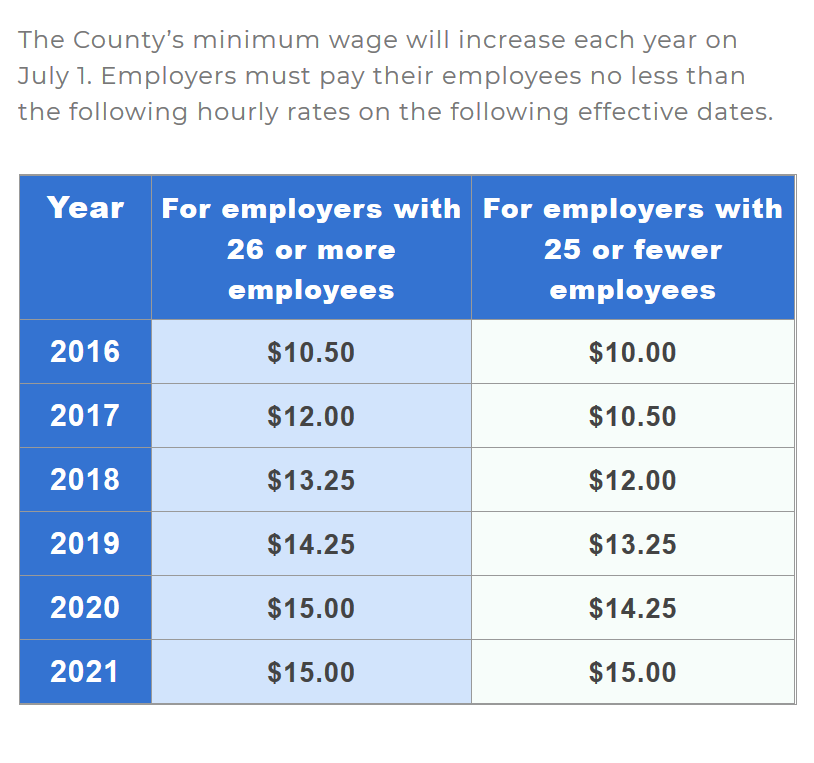
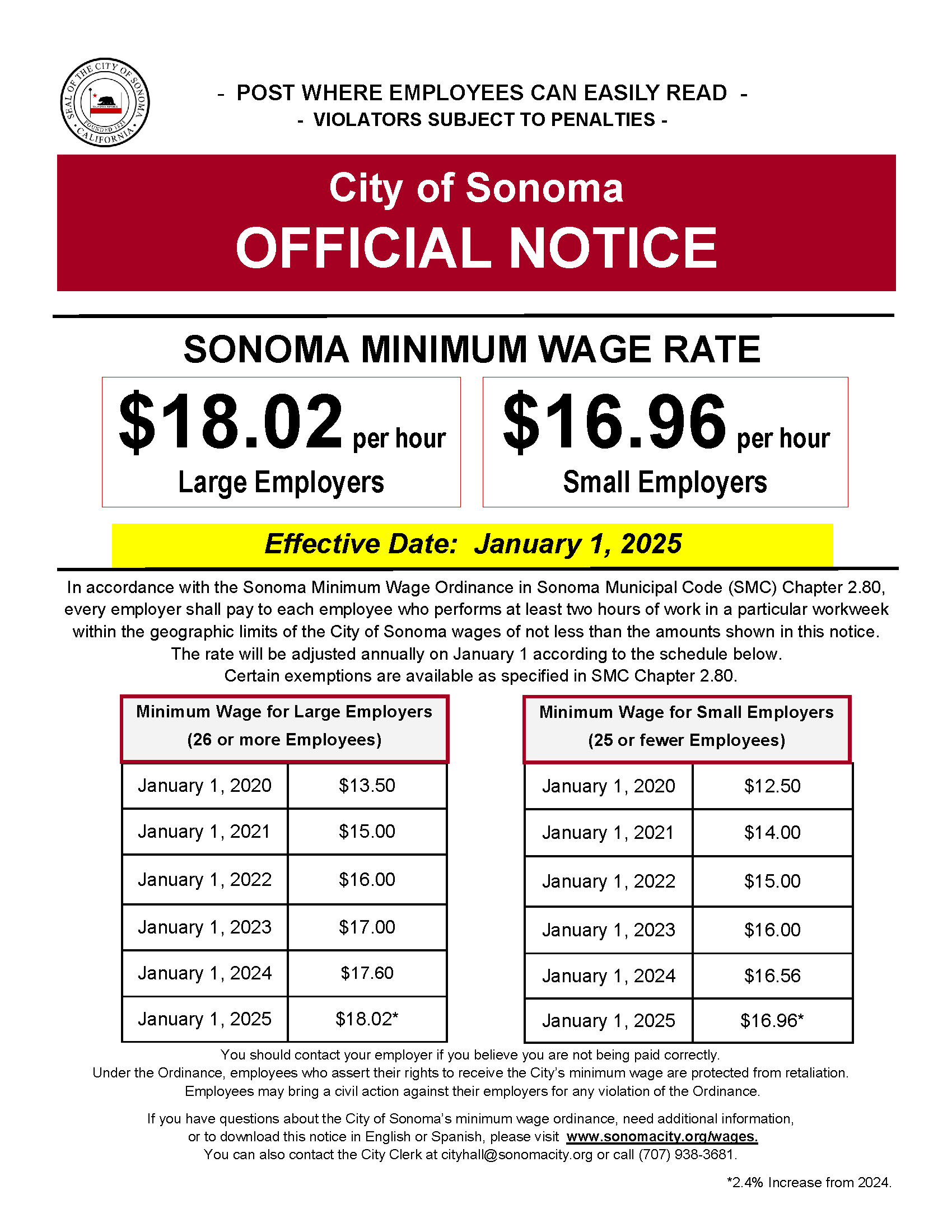
As of January 1, 2024, the statewide minimum wage in California is $16.00 per hour for all employers, regardless of the number of employees. This universal rate simplifies the initial understanding, but the actual landscape is far more nuanced. Many cities and counties across the state have implemented their own local ordinances, mandating minimum wages that are significantly higher than the state minimum.
For instance, major metropolitan hubs that are popular with tourists and business travelers often lead the charge. In a city like San Francisco, often celebrated for its iconic Golden Gate Bridge and vibrant neighborhoods, the minimum wage for workers has climbed past $18.00 per hour, impacting everything from the cost of a cable car ride to a meal in its famous culinary districts. Similarly, Los Angeles, home to Hollywood Walk of Fame and Universal Studios Hollywood, also enforces a higher municipal minimum wage, reflecting the higher cost of living in one of the world’s entertainment capitals. Other prominent cities like San Jose in Silicon Valley, Oakland, and San Diego also maintain local minimum wage rates that surpass the state requirement.
These local variations are crucial for travelers to acknowledge. A visit to a charming boutique hotel in Napa Valley will likely involve different labor costs than a stay at a resort near Disneyland in Orange County, even if the statewide minimum is consistent. This patchwork of regulations means that while the general benchmark is $16.00, the specific economic realities can differ significantly depending on your chosen destination within California.

Industry-Specific Wage Adjustments and the Hospitality Sector
Beyond the standard statewide and local rates, California has also begun to implement industry-specific minimum wages. This targeted approach is particularly relevant to the travel and tourism industry. For example, a landmark bill passed in late 2023 established a $20 per hour minimum wage for fast-food workers across the state, effective April 1, 2024. While this directly impacts quick-service dining options, it also sets a precedent that could influence wages in other service sectors.
The hospitality sector – encompassing hotels, restaurants, attractions, and tour operators – is fundamentally tied to labor costs. Higher minimum wages mean that businesses face increased operational expenses. While some of these costs may be absorbed, a portion is often passed on to consumers through higher prices for accommodation, dining, and activities. This dynamic is a key consideration for anyone planning a California itinerary.
However, it’s not simply about increased costs. Higher wages in the hospitality sector can also lead to improved service quality, greater employee retention, and a more motivated workforce. The staff at your hotel, the guides on your city tour, or the servers at your favorite restaurant are often more experienced and dedicated when compensated fairly, enhancing the overall experience for visitors. For a state like California, which prides itself on delivering world-class service and luxury experiences, these investments in its workforce contribute to maintaining its high standards.
The California Minimum Wage: A Key Factor in Your Travel Budget
Understanding California’s minimum wage is crucial for effectively budgeting your trip, whether you’re planning a luxurious escape or a more budget-conscious adventure. The cost of labor directly influences the price of nearly every service and product you’ll encounter as a traveler.
Navigating Accommodation Costs Across the Golden State
Accommodation is typically one of the most significant expenses for any traveler, and in California, labor costs play a substantial role in shaping hotel rates. From the opulent suites overlooking the Pacific Ocean in Malibu to a cozy guesthouse in the scenic mountains near Yosemite National Park, the wages paid to housekeeping staff, front desk agents, concierges, and maintenance teams are built into the room rates.
Luxury resorts and boutique hotels, which often boast a higher staff-to-guest ratio and provide personalized services, will inherently reflect these elevated labor costs in their pricing. For example, a stay at a world-renowned resort in Beverly Hills or a charming inn in Carmel-by-the-Sea means you are, in part, contributing to the fair wages of the dedicated professionals who ensure your comfort. Conversely, budget-friendly motels or hostels, while still subject to the state’s minimum wage laws, may operate with leaner staff and fewer amenities, allowing them to offer more competitive prices.
For those planning longer stays, exploring options like serviced apartments or vacation rentals might offer a different cost structure, though cleaning and maintenance fees will still factor in the prevailing wage rates. When comparing prices, remember that the value often lies not just in the physical space but also in the quality of service, which is directly linked to how well employees are compensated. Booking in advance, visiting during off-peak seasons, or considering destinations slightly off the main tourist circuit, such as Sacramento instead of San Francisco for a city break, can help manage accommodation expenses while still experiencing the beauty of California.
Dining Experiences: From Michelin Stars to Food Trucks
California is a culinary paradise, offering everything from Michelin-starred dining in Los Angeles and San Francisco to vibrant food truck scenes in Santa Monica and farm-to-table restaurants in San Diego. The minimum wage impacts the cost of your meals in several ways. Labor is a significant component of restaurant operational costs, covering chefs, cooks, servers, dishwashers, and other staff.
Higher minimum wages can lead to slightly higher menu prices as restaurants adjust to increased payroll expenses. This is particularly noticeable in establishments that do not traditionally rely on high-volume sales. Additionally, California’s strong tipping culture means that in full-service restaurants, a gratuity of 15-20% is customary and expected, further adding to the overall cost of dining out. Some restaurants have also adopted service charges or eliminated tipping altogether, incorporating higher wages directly into menu prices to ensure predictable income for their staff.
For budget-conscious travelers, exploring farmers’ markets for fresh produce, enjoying picnics in Griffith Park near the Griffith Observatory, or utilizing the abundant and diverse food truck scene can offer delicious and more affordable alternatives. Even within the fast-food sector, while prices may see slight increases due to the new $20 minimum wage for these workers, they generally remain a more economical option compared to full-service restaurants. Embracing California’s diverse culinary landscape means you can find incredible food at various price points, all while supporting a system that strives for fair worker compensation.
Attractions, Experiences, and the Cost of Fun
Beyond food and shelter, the cost of attractions and experiences also feels the ripple effect of California’s minimum wage. Whether you’re planning a thrilling day at Disneyland, exploring the historic depths of Alcatraz Island, or taking a guided tour through the vineyards of Napa Valley, the ticket prices and fees reflect the wages of the staff who operate these sites, maintain the facilities, and provide the services.
Theme parks, museums, zoos, and historical sites employ thousands of individuals, from ticket sellers and ride operators to custodians and educational guides. As labor costs rise, so too do the operational expenses of these attractions, which can translate into higher admission fees. This is a crucial consideration when budgeting for family trips or extended sightseeing itineraries.
However, California also offers an abundance of free or low-cost activities that allow visitors to experience its splendor without breaking the bank. Walking across the Golden Gate Bridge, exploring the beaches of Santa Monica Pier, hiking in numerous state parks, or simply enjoying the vibrant street art in various cities are wonderful ways to immerse yourself in the local culture. Many museums offer free admission days, and exploring neighborhoods on foot provides invaluable insights into local life. Planning a mix of paid attractions and free experiences is key to managing your budget while maximizing your enjoyment of California’s diverse offerings.
Lifestyle and Economic Realities for Extended Stays in California
For those contemplating an extended stay, considering a move, or even working remotely from California, understanding the minimum wage and its broader economic implications moves beyond a simple budget line item. It becomes a critical factor in assessing the feasibility and quality of life.
For Digital Nomads and Temporary Residents
California is a magnet for digital nomads and individuals seeking temporary residency, drawn by its innovation hubs, diverse landscapes, and vibrant cultural scene. While working remotely for a company outside California might mean your income isn’t directly tied to the state’s minimum wage, the cost of living certainly is. High wages often correlate with high expenses, and California is a prime example.
Even if you’re earning a competitive salary elsewhere, housing costs, groceries, transportation, and everyday services will significantly impact your discretionary income. A temporary resident working a local job at minimum wage would face substantial financial challenges, especially in major cities. This highlights the importance of thorough financial planning for anyone considering a longer-term immersion in the Golden State, emphasizing the need to align potential local earnings with the high cost of daily living. Researching specific regions and their local cost of living — which can vary dramatically from coastal cities to more inland or northern areas — is paramount for making an informed decision about an extended stay.
Beyond the Tourist Trail: Rent, Groceries, and Daily Expenses
Beyond the allure of tourist attractions, the minimum wage directly impacts the daily economic realities for residents. The higher minimum wage is intended to provide a living wage, yet in many parts of California, particularly in metropolitan areas, the cost of living has outpaced even these increased earnings. Rent, for example, in cities like San Francisco, Los Angeles, and San Jose, can consume a significant portion of a minimum wage earner’s income, often necessitating multiple jobs or shared living arrangements.
Grocery prices, utility costs, and even the price of a cup of coffee or a local bus fare are influenced by the labor costs involved in their production and distribution. For someone earning the state minimum wage, budgeting for these essentials requires careful planning and often sacrifices. This economic reality underscores a broader socio-economic aspect of California: while the state offers immense opportunities and an attractive lifestyle, it demands a higher financial commitment to truly thrive within its borders.
Smart Strategies for Experiencing California on Any Budget
Despite the higher cost of living and the impact of the minimum wage on prices, California remains an incredibly accessible and rewarding destination for travelers of all budgets. Smart planning and a strategic approach can unlock the best of the Golden State without excessive financial strain.
Maximizing Value Without Compromising Experience
Experiencing the essence of California doesn’t always require a hefty budget. Many of the state’s most iconic experiences are free or very low cost. Taking a scenic drive along Highway 1, hiking in the stunning landscapes of Yosemite National Park (with only an entrance fee), or enjoying the vibrant atmosphere of San Francisco’s Fisherman’s Wharf are prime examples.
- Accommodation: Consider staying in less tourist-dense areas adjacent to major attractions, utilizing vacation rentals for group savings, or exploring glamping and camping options for a unique outdoor experience. Off-peak travel significantly reduces hotel rates.
- Dining: Embrace California’s incredible diversity. Explore food trucks, ethnic eateries, and local markets for delicious and authentic meals at a fraction of the cost of fine dining. Pack picnics for sightseeing days.
- Attractions: Prioritize free attractions like beaches, parks, and scenic viewpoints. Look for city passes that bundle multiple attractions at a discounted rate, or take advantage of free museum days. Utilize public transportation in cities like San Francisco or Los Angeles to save on parking and ride-sharing costs.
- Flexibility: Being flexible with your travel dates and itinerary can yield significant savings, allowing you to allocate more of your budget to unique experiences.
By combining paid experiences with free ones and making informed choices about where and how you spend your money, you can craft a rich and memorable California adventure that respects your budget without compromising on the depth of your experience.
Understanding California’s Unique Economic Ecosystem
Ultimately, the minimum wage in California is more than just a number; it’s a reflection of a larger economic ecosystem that values its workforce and strives for a higher standard of living. For travelers and those considering longer stays, understanding this context allows for a more informed and appreciative experience. While it translates to higher costs in certain areas, it also contributes to the exceptional quality of service, the vibrant local economies, and the overall polished experience that California is known for.
Appreciating that the prices you pay for a hotel room, a meal, or an attraction ticket contribute to a higher wage for the people providing those services can shift your perspective. It fosters a sense of supporting local communities and ethical labor practices, enhancing the meaning of your travel. California’s allure lies not just in its stunning landscapes and iconic landmarks but also in its progressive values, which are deeply embedded in its economic policies.
In conclusion, the California minimum wage, while potentially impacting your travel budget, is an integral part of what makes the state unique. By being informed and planning strategically, you can navigate the costs effectively and fully immerse yourself in the unparalleled beauty, culture, and experiences that the Golden State offers, whether for a fleeting visit or a more permanent lifestyle change. California awaits, promising adventures as diverse and dynamic as its economic landscape.