
When embarking on a journey, whether it’s a lavish escape to a five-star resort in Bali or a charming bed and breakfast nestled in the French Alps, the comfort of your accommodation plays a pivotal role in the overall experience. Among the many considerations for a restful stay, the size of the bed often ranks high on the list. For those accustomed to standard bed dimensions, the terms “King” and “California King” can spark confusion. While both are considered oversized, offering ample space for couples or individuals who enjoy stretching out, they differ significantly in their dimensions and suitability for different sleeping preferences and room layouts. Understanding these distinctions is crucial for making informed booking decisions, ensuring your nights are as rejuvenating as your days exploring new destinations.
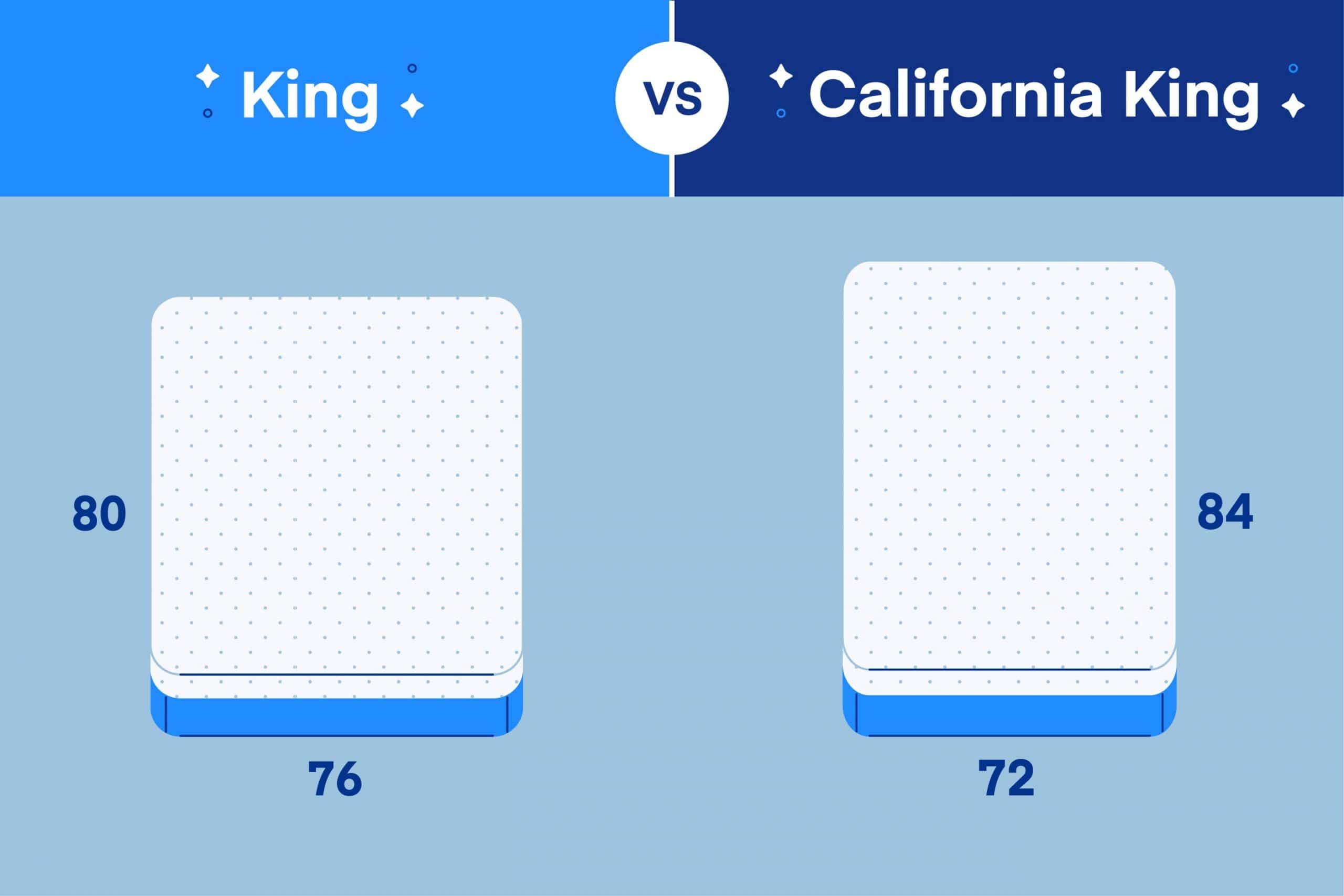
This article delves into the specifics of the California King and the standard King bed, clarifying their measurements, exploring their respective advantages, and offering guidance on which might be the better choice for your next lodging adventure. Whether you’re a solo traveler seeking ultimate sprawling comfort, a couple looking for shared spaciousness, or a family preparing for a multi-generational trip, the right bed size can elevate your sleep quality and, by extension, your entire travel experience. We’ll explore these nuances with a focus on how they relate to your accommodation choices, from grand hotels to cozy villas.
Understanding the Dimensions: A Tale of Length vs. Width
The primary divergence between a California King and a standard King bed lies in their precise measurements. While both are wider than a Queen bed, their focus shifts to either length or width, catering to different spatial needs. This subtle yet important difference can impact how well the bed fits into a room and how comfortably you can sleep.
The Standard King Bed: The Wider Embrace
Often referred to simply as a “King” or sometimes an “Eastern King,” this bed size prioritizes width. It offers a generous expanse, making it ideal for couples who like to have plenty of personal space in bed or for families co-sleeping with younger children.
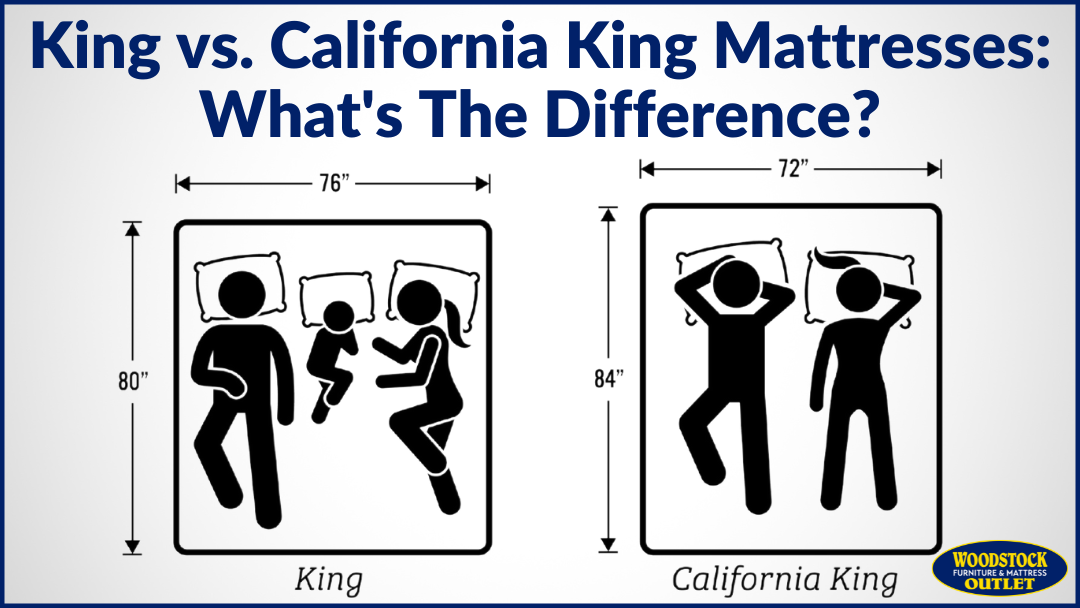
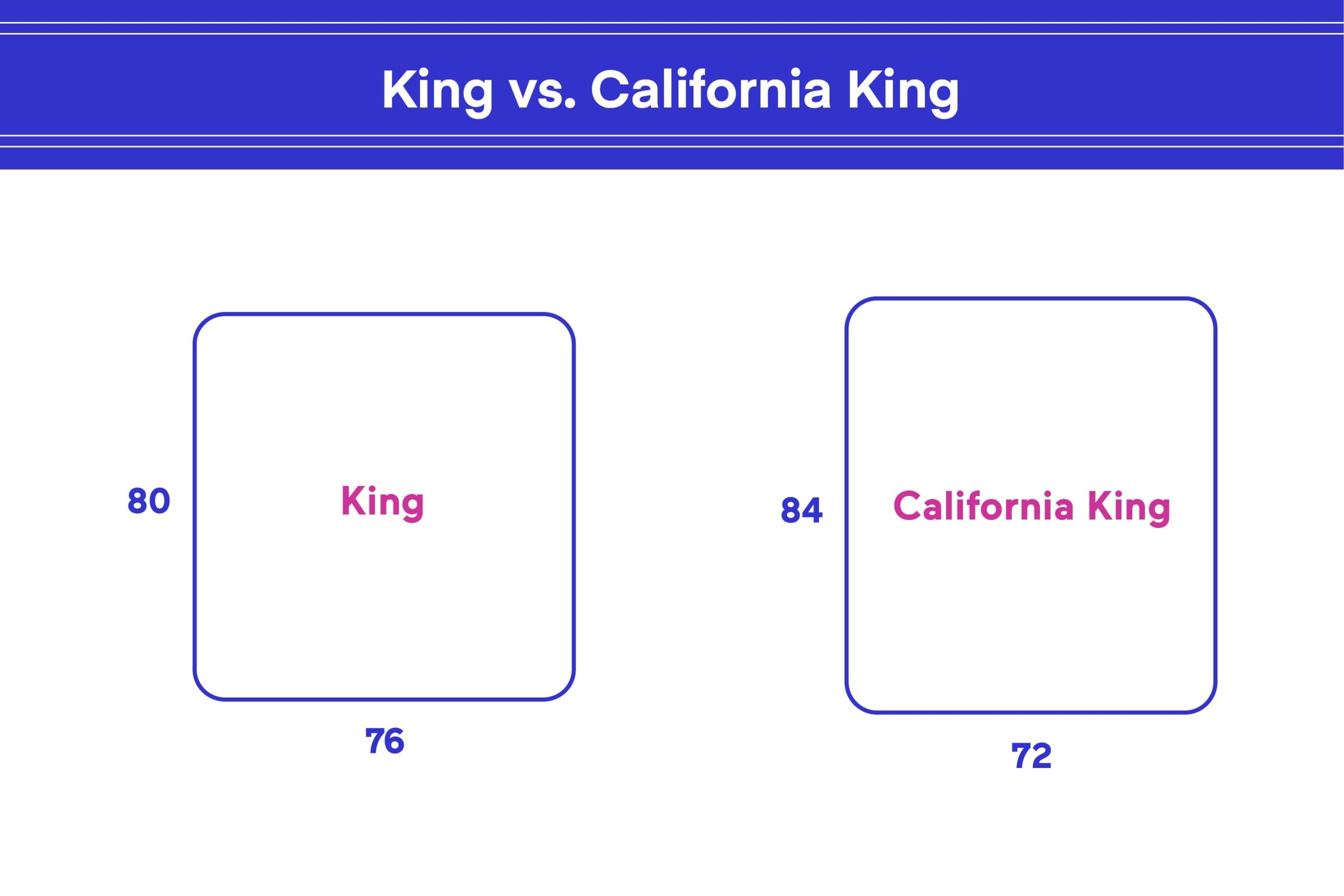
- Dimensions: A standard King bed measures approximately 76 inches wide by 80 inches long.
- Key Feature: Its 76-inch width provides an expansive sleeping surface, making it feel more like two twin beds side-by-side in terms of width.
- Best Suited For: Couples who share a bed and value ample elbow room, or those who frequently have children or pets joining them in bed. It’s also a great choice for taller individuals if their primary concern is width rather than extreme length.
When you’re looking at suites in luxurious hotels like the Ritz-Carlton or spacious apartments for rent in New York City, a standard King bed often signifies a premium offering, promising a wide and comfortable slumber.
The California King Bed: The Longer Stretch
In contrast, the California King, sometimes called a “Western King,” prioritizes length. It is narrower than a standard King but longer, making it a superior choice for individuals or couples who are exceptionally tall.
- Dimensions: A California King bed measures approximately 72 inches wide by 84 inches long.
- Key Feature: Its 84-inch length provides an extra four inches of headroom, perfect for those who find standard beds a bit too short.
- Best Suited For: Taller individuals (typically over 6’2″) who often find their feet hanging off the end of standard beds. Couples where one or both partners are tall will also appreciate the added length.
Imagine booking a secluded villa in Tuscany or a modern hotel in Los Angeles that caters to a diverse range of guests; a California King might be offered to specifically accommodate taller travelers seeking that extra bit of legroom.
Navigating Room Layout and Bed Placement
Beyond the direct sleeping surface, the dimensions of each bed type have practical implications for the room it occupies. The shape and size of your accommodation, whether it’s a chic hotel room in Paris or a family suite at a Disney Resort, will influence which bed size is a better fit.
Fitting the King: Space Considerations
-
Standard King: Due to its greater width, a standard King bed requires a wider room to comfortably accommodate it and allow for sufficient walkway space around the bed. If the room is more square-shaped, a standard King can often be placed against the longest wall, providing a balanced feel. This is a common feature in many larger hotel rooms and suites, offering that classic feeling of spacious luxury.
-
California King: While narrower, its greater length means it can sometimes be a better fit for longer, more rectangular rooms. Placing a California King lengthwise along the longer wall of a rectangular room can help to balance the proportions of the space. This can be particularly advantageous in smaller hotel rooms that aim to maximize sleeping capacity without making the room feel cramped.
When you’re comparing accommodation options on platforms like Booking.com or researching resorts in destinations like Cancun, pay attention to the room layouts and stated bed sizes. A visual representation or floor plan can be invaluable in determining if a particular bed type will feel right in the context of the room.
Choosing Your Ultimate Sleep Sanctuary: Practical Advice
Selecting the right bed size is ultimately a personal preference, influenced by your height, sleeping habits, and the overall size of the accommodation you book. Here’s a breakdown to help you decide.
Personal Preferences and Practicalities
-
For Taller Travelers: If you are over 6 feet tall, the California King is almost certainly the superior choice for maximizing comfort. The extra four inches of length can make a significant difference in preventing your feet from dangling over the edge, leading to a more restful sleep. This is particularly relevant when booking accommodations for extended stays or business trips where sleep quality is paramount.
-
For Couples Prioritizing Width: If you and your partner enjoy a lot of personal space in bed, or if you frequently share your bed with children or pets, the standard King offers more lateral room. Its 76-inch width can make sharing a bed feel less like an intrusion and more like a shared expanse of comfort, ideal for relaxed mornings or cozy evenings.
-
Room Aesthetics and Flow: Consider the shape and size of the room. A wider room might better accommodate the expansive presence of a standard King, while a longer, narrower room might feel more balanced with a California King placed lengthwise. When browsing properties, look for high-quality images and, if available, virtual tours to get a sense of the room’s dimensions and how the bed would fit within it. Websites like Tripadvisor often feature guest photos that can offer a real-world perspective.
-
Specific Hotel Offerings: Some hotels, particularly those with a focus on luxury travel or catering to a diverse clientele, might offer both types of King beds in different room categories or suites. For example, a boutique hotel in Rome might offer standard Kings in their deluxe rooms and California Kings in their penthouse suites. Always check the specific room details when booking to ensure you’re getting the bed size that best suits your needs.
Ultimately, whether you choose a standard King for its breadth or a California King for its length, both offer a significant upgrade in sleeping space compared to a Queen bed. The key is to understand the subtle differences and how they align with your personal comfort and the practicalities of your chosen accommodation. This attention to detail can transform a good stay into an exceptional one, ensuring you wake up refreshed and ready to explore the wonders of your travel destination, from the bustling markets of Marrakech to the serene landscapes of the Canadian Rockies.
LifeOutOfTheBox is a participant in the Amazon Services LLC Associates Program, an affiliate advertising program designed to provide a means for sites to earn advertising fees by advertising and linking to Amazon.com. Amazon, the Amazon logo, AmazonSupply, and the AmazonSupply logo are trademarks of Amazon.com, Inc. or its affiliates. As an Amazon Associate we earn affiliate commissions from qualifying purchases.