
The world of travel accommodation offers a myriad of choices, from sprawling luxury resorts to cozy bed and breakfasts, and everything in between. Among the most common options are hotels and motels, terms often used interchangeably, yet they represent distinct categories of lodging with unique characteristics, services, and target audiences. Understanding the fundamental differences between them is crucial for any traveler looking to make an informed decision, ensuring their stay perfectly aligns with their trip’s purpose, budget, and desired experience. This article delves deep into these distinctions, exploring their origins, architectural designs, amenities, typical clientele, and how the lines between them have blurred in the modern era.
The Core Distinctions: Location, Layout, and Design
The primary differentiators between a hotel and a motel often begin with their physical attributes: where they are located, how they are built, and their fundamental architectural philosophy. These elements stem from their historical roots and the types of travelers they were originally designed to serve.
Where You’ll Find Them (Location)
The location of an accommodation often dictates its very nature. Hotels and motels evolved to cater to vastly different travel patterns, and their placement reflects this.
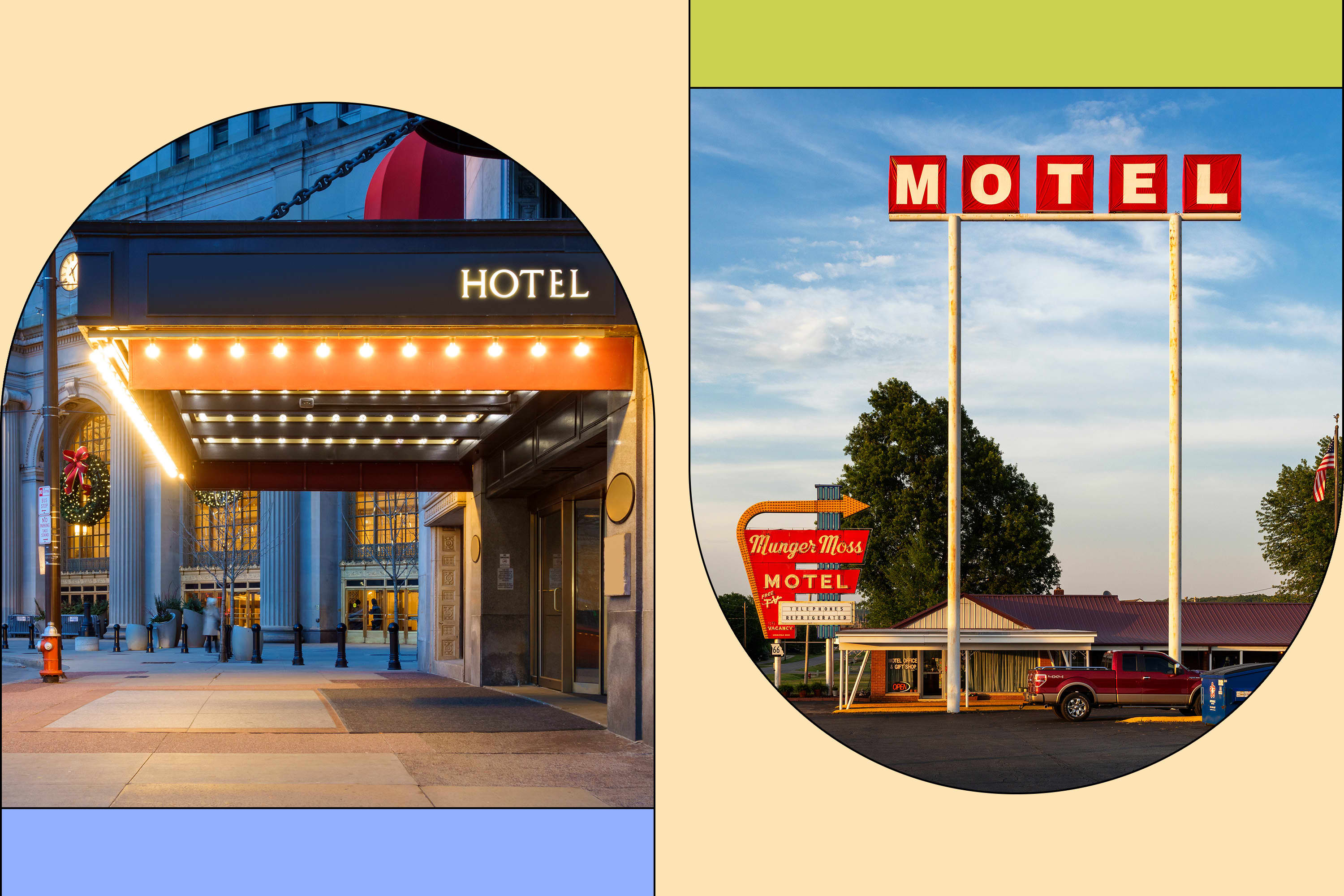
Hotels are typically found in urban centers or bustling major cities like New York City, London, or Paris. They strategically position themselves within business districts, near prominent tourist destinations such as the Eiffel Tower or Times Square, or close to convention centers and airports. Their primary guests are often business travelers attending meetings or conferences, international tourists exploring city attractions, or families on extended vacations. The expectation for a hotel stay is usually longer, involving multiple days as guests immerse themselves in the local culture, food, and activities. Hotels are built to be destinations in themselves or serve as a comfortable base for exploring complex environments. You’ll find a wide spectrum, from historic boutique hotels in Rome to towering glass structures in Dubai, all designed to integrate seamlessly into a city’s fabric.
Motels, on the other hand, derive their name from “motor hotels,” perfectly encapsulating their origin and purpose. They emerged with the rise of automobile travel in the early 20th century, catering specifically to motorists needing a convenient place to rest during long journeys. Consequently, motels are predominantly located along roadsides, interstates, and major highways like the iconic Route 66, or on the outskirts of smaller towns. Their strategic placement allows for easy access from the road, minimal detours, and quick check-in and check-out processes. The target demographic for motels includes road trippers, truckers, and budget-conscious travelers seeking an overnight stop rather than a destination. They offer a no-frills, functional place to sleep, often before continuing a journey the next day. Think of them as pit stops, designed for transient stays where efficiency and accessibility are paramount.
Architectural Blueprint (Layout and Design)
The physical structure and layout are perhaps the most visually apparent distinctions, directly influencing the guest experience and the range of services offered.
Hotels are characterized by their multi-story construction, often soaring high above the street level. Their design typically features an enclosed lobby, which serves as a central hub for guest services, check-in, concierge, and sometimes dining options. Guests access their rooms via interior corridors, providing a sense of privacy, security, and insulation from external noise and weather. Elevators are a standard feature, transporting guests to various floors. The layout encourages a more communal experience within the building, with shared common areas like lounges, restaurants, and business centers. Iconic hotel chains such as Hilton and Marriott exemplify this grand, often vertically oriented, architectural style, designed for comprehensive service and a secure, private guest journey from lobby to room.
Motels adhere to a more horizontal, spread-out design, usually consisting of one or two stories. The defining architectural feature of a motel is that rooms typically have direct, external access. Guests can park their vehicles directly outside their room door or very close by, making it incredibly convenient for loading and unloading luggage. This design often takes a U-shaped or linear configuration, surrounding a central parking lot. While there’s usually a small, separate office for check-in, there isn’t a grand lobby in the same sense as a hotel. The exterior corridors or walkways provide direct access from the parking area to the room. This layout prioritizes ease of access and quick transitions, aligning perfectly with the needs of a motorist on a tight schedule. Brands like Super 8 or Motel 6 are classic examples of this practical, car-centric design.

Amenities, Services, and the Overall Experience
Beyond the physical structure, the range of amenities and services provided significantly shapes the traveler’s experience and distinguishes hotels from motels. These offerings reflect the different expectations and purposes of stay for their respective target audiences.
What You Can Expect (Amenities)
The extent of amenities is often the most direct indicator of whether you’re staying in a hotel or a motel, and it directly correlates with the price point and the overall lifestyle experience offered.
Hotels are generally designed to offer a comprehensive array of amenities, aiming to provide a complete experience that can range from luxurious indulgence to practical convenience. Standard hotel amenities often include in-house restaurants and bars, swimming pools (which might be indoor, outdoor, or both), fully equipped fitness centers, and often dedicated spas offering various treatments. For business travelers, conference rooms, meeting facilities, and business centers with printing and internet access are common. Many hotels also boast concierge services to assist with bookings and local recommendations, room service for dining in, laundry services, and sometimes even child care. High-end chains like Four Seasons or Ritz-Carlton elevate these offerings to an art form, providing personalized services and lavish facilities that make the hotel itself a significant part of the travel experience. Even mid-range hotels offer a substantial list of comforts, ensuring guests have everything they need without leaving the premises.
Motels, by contrast, typically provide a more basic and functional set of amenities. Their focus is on offering a clean, safe, and comfortable place to sleep and freshen up, without the extensive bells and whistles of a hotel. Common motel amenities often include complimentary continental breakfast, ice machines, vending machines, and basic cable television. Some might offer a small outdoor swimming pool, particularly in warmer climates, but elaborate fitness centers or full-service restaurants are rare. The emphasis is on convenience and cost-effectiveness. The primary service is providing a secure room with a comfortable bed, a bathroom, and perhaps a small work desk. While perfectly adequate for an overnight stop, they are not designed for extended stays or as primary vacation destinations.

The Traveler’s Perspective (Experience)
The type of accommodation significantly influences the overall travel experience, shaping perceptions of comfort, convenience, and the purpose of the stay.
Hotels strive to offer a holistic and often immersive experience. For many guests, particularly in luxury hotels or resorts (which are essentially larger, amenity-rich hotels, often in scenic locations like a beach resort in Hawaii), the hotel itself is a key part of the vacation or business trip. They focus on comfort, luxury, hospitality, and creating a memorable environment. Whether it’s the elegance of the lobby, the quality of the dining, the efficiency of business facilities, or the leisure options, hotels aim to cater to a diverse range of needs. Guests often spend significant time within the hotel, utilizing its various services and enjoying its ambiance. The experience is typically more curated and service-oriented, designed to make guests feel pampered and well-cared for, contributing to a sense of destination and relaxation.
Motels, conversely, are primarily designed for functionality and convenience. The experience is often characterized by its efficiency: quick check-in, easy parking access to the room, and a swift departure. They cater to travelers who are passing through and whose main priority is a place to rest their head for the night before continuing their journey. The focus is less on the ambiance or extensive services and more on practical necessities. While modern motels have certainly upped their game in terms of cleanliness and basic comforts, the underlying philosophy remains the same: a reliable, no-frills stopover. The motel experience is about practicality, ease, and providing a good night’s sleep without excessive cost or elaborate services, making it ideal for road trippers or those on a strict budget.
Pricing, Target Audience, and Evolution
The financial aspect, the intended clientele, and the dynamic nature of the hospitality industry further delineate the differences between hotels and motels, highlighting how they adapt to changing travel trends.
Cost Considerations (Pricing)
Price is often a decisive factor for travelers, and here, hotels and motels typically occupy different ends of the spectrum, though this isn’t always absolute.
Motels are almost universally more budget-friendly. Their lower operating costs – fewer staff, simpler amenities, and less complex infrastructure – allow them to offer significantly more competitive rates. They are designed for travelers who prioritize cost savings and efficiency over extensive services or luxurious surroundings. This makes them an attractive option for backpackers, families on long road trips looking to stretch their budget, or business travelers seeking an economical overnight stay without the need for additional facilities. The value proposition of a motel lies in providing a clean, safe, and affordable room for the night.
Hotels, in contrast, exhibit a much wider range of pricing. Their rates vary dramatically based on factors like location (a hotel in Los Angeles‘s downtown will be pricier than one on its outskirts), brand reputation, star rating, the extent of amenities offered, and the time of year. While there are budget hotels that compete with motel prices, especially those belonging to large chains or located outside prime areas, the potential for high-end luxury means hotel prices can escalate significantly. A stay in a grand hotel in Sydney or an exclusive property near Walt Disney World Resort in Florida will command a premium due to its comprehensive services, superior facilities, and prime location. Hotels cater to various budgets, from mid-range options for family vacations to ultra-luxury experiences for discerning travelers.
Who Stays Where (Target Audience)
The evolution of hotels and motels has shaped their respective target audiences, reflecting differing travel motivations and expectations.
Motels primarily serve transient travelers. This includes the classic road trippers traversing long distances, commercial drivers, individuals relocating, or anyone needing a quick, convenient stop for a single night or two. They appeal to budget travelers and those who value easy access and a straightforward lodging experience. The focus is on the journey, with the motel serving as a practical necessity rather than a destination in itself. They are functional places designed for people on the move, offering a respite before continuing the adventure.
Hotels cater to a broader and more diverse clientele. This includes tourists exploring a city’s attractions, business travelers attending conferences or meetings, families on leisure trips, or couples seeking a romantic getaway. Hotels are designed for longer stays, often becoming integral to the overall travel experience. They offer facilities that support various activities, from relaxing by the pool to holding corporate events. For example, visitors to a landmark like the Grand Canyon or Yellowstone National Park might choose a hotel in a nearby town for a multi-day exploration, taking advantage of the additional services and comforts. The hotel experience is typically integrated into the itinerary, offering more than just a place to sleep.
The Blurring Lines (Evolution and Hybrid Models)
In the contemporary hospitality landscape, the rigid distinctions between hotels and motels have begun to soften, leading to the emergence of hybrid models and a blurring of traditional definitions.
The competition for travelers’ dollars, coupled with evolving consumer expectations, has prompted both categories to adapt. Some motels have undergone significant renovations, upgrading their interiors, offering enhanced amenities like improved Wi-Fi, better breakfast options, and more appealing common areas, sometimes even featuring a modern design aesthetic reminiscent of a boutique hotel. These establishments might brand themselves as “motor lodges” with a renewed focus on comfort and style while retaining the direct-access layout. Think of some trendy boutique motels in destinations like Palm Springs, which blend mid-century charm with modern amenities.
Conversely, some hotels have introduced more streamlined, budget-friendly brands that emphasize efficiency and cost-effectiveness, stripping away some of the traditionally expected amenities to offer more competitive prices. These might have smaller lobbies, self-check-in kiosks, and fewer on-site dining options, resembling the functional aspect of a motel more closely. The rise of “extended stay” hotels also showcases this fluidity, offering apartment-style units with kitchenettes that cater to long-term stays, a segment traditionally less associated with either standard hotels or motels. Essentially, the market has fragmented, offering travelers a continuum of choices that cater to extremely specific needs and preferences, making the traditional labels sometimes less definitive than they once were.
In conclusion, while the terms “hotel” and “motel” once represented clear-cut categories defined by location, layout, and amenities, the modern hospitality industry has seen a dynamic evolution. Historically, hotels were multi-story, interior-corridor establishments in urban areas catering to longer stays, offering extensive services. Motels were single-story, exterior-access properties along highways, designed for quick, convenient overnight stops for motorists with basic needs. Today, while these core distinctions largely hold, the lines have blurred. Many establishments now blend features from both, creating a diverse spectrum of accommodation options. Ultimately, the best choice for a traveler depends on their specific needs, budget travel considerations, the purpose of their trip, and the kind of experience they are seeking, whether it’s the full-service luxury of a resort or the efficient practicality of a roadside stop. Both play indispensable roles in facilitating travel and providing a place to rest on life’s many journeys.