
California, often referred to as the Golden State, conjures images of sun-drenched beaches, towering redwoods, vibrant cities like Los Angeles and San Francisco, and endless opportunities for adventure and luxury. From the glittering allure of Hollywood to the serene vineyards of Napa Valley and the majestic peaks of Yosemite National Park, it’s a dream destination for travelers and a coveted home for many. However, for anyone planning a visit, considering a long-term stay, or even contemplating a move to this iconic state, understanding the financial landscape, particularly its income tax system, is as crucial as picking the perfect hotel or planning a route through its breathtaking landmarks.
While California’s charm is undeniable, its reputation for having one of the highest state income tax rates in the United States often precedes it. This article aims to demystify California’s income tax, contextualizing it within the broader experience of travel, tourism, accommodation, and lifestyle choices within the state. Whether you’re a digital nomad considering a temporary relocation, an investor eyeing a property in Beverly Hills, a family planning an extended trip to Disneyland, or a business professional exploring opportunities in Silicon Valley, understanding these financial facets is key to fully enjoying all that the Golden State has to offer without any unwelcome surprises. We’ll delve into the specifics of the state’s tax structure, explore its implications for various types of visitors and residents, and offer insights to help you navigate your financial journey in this spectacular part of the world.
Understanding California’s Income Tax System
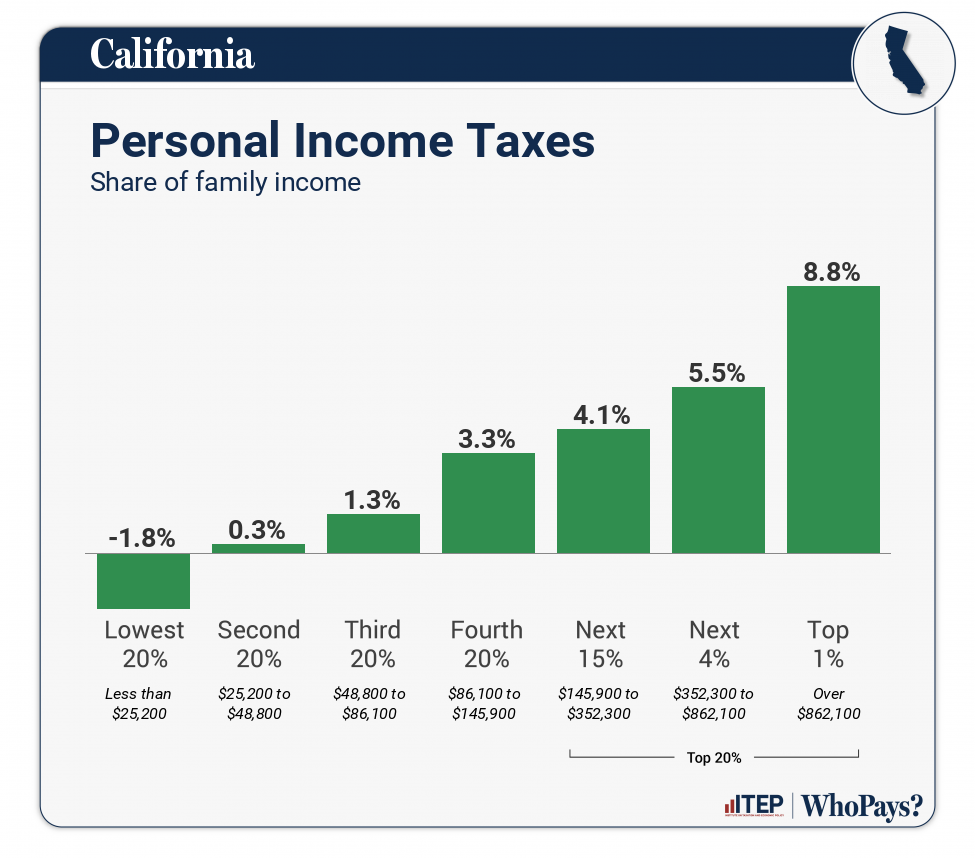
California’s approach to income tax is designed to be progressive, meaning that individuals with higher incomes pay a larger percentage of their earnings in state taxes. This system is a cornerstone of the state’s fiscal policy and significantly impacts everything from daily living expenses to the feasibility of long-term investments. For travelers and those considering extended stays, recognizing this structure is fundamental to budgeting and financial planning.
Progressive Tax Brackets in the Golden State
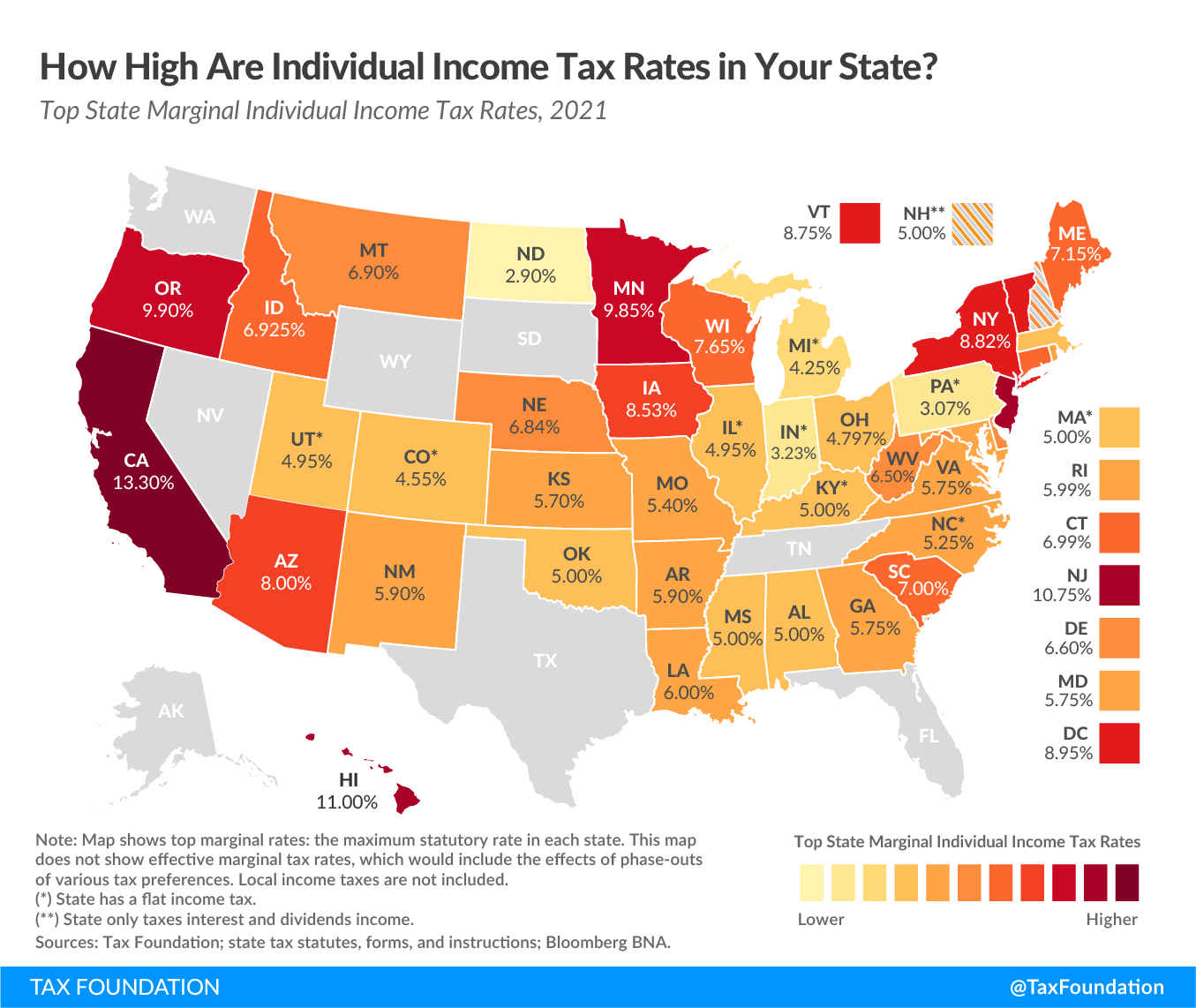
The state income tax in California features multiple tax brackets, with rates ranging from a modest 1% for the lowest earners up to 13.3% for the highest-income individuals and couples. These brackets are adjusted annually for inflation, but the progressive nature remains consistent. It’s important to note that this 13.3% rate includes a 1% surcharge on incomes over $1 million, specifically designed to fund mental health services under Proposition 63. This means that a significant portion of an individual’s income could be subject to state taxation, in addition to federal taxes.
For instance, a single individual earning $50,000 might fall into a mid-range bracket, while someone earning $500,000 would see a substantial portion of their income taxed at a higher rate. This structure directly affects the disposable income available for travel expenses, luxury accommodations, gourmet dining experiences, or even the down payment on a dream home. When planning a trip to a high-cost area like San Francisco or Santa Monica, where hotel suites and exclusive attractions can command premium prices, having a clear understanding of your net income after state taxes becomes paramount. It influences everything from how much you can allocate for a stay at a resort in Palm Springs to your budget for exploring local culture and unique activities.
State vs. Federal Taxes: A Dual Burden
It’s crucial to remember that California state income tax is separate from, and in addition to, federal income tax imposed by the United States government. All U.S. citizens and residents, and often non-residents earning income within the U.S., are subject to federal income tax, regardless of which state they reside in or visit. This means that individuals earning income in California face a dual tax obligation.
The interplay between federal and state taxes can significantly reduce one’s overall take-home pay. For example, a high earner might face a top federal marginal rate of 37%, combined with California’s 13.3%, pushing the total marginal tax rate well over 50%. This combined burden makes meticulous financial planning essential for anyone considering relocating to the state, investing in California real estate, or even for long-term visitors who might derive income from sources within the state during their stay. It directly impacts the feasibility of maintaining a desired lifestyle, from purchasing high-end goods to indulging in exclusive experiences offered across the state.
Beyond Income Tax: Other State Taxes to Consider
While income tax is a primary concern, California imposes other taxes that can influence the cost of living and travel. The statewide sales tax rate is currently 7.25%, but local district taxes can push the combined rate much higher, sometimes exceeding 10% in certain cities and counties. This affects the cost of everything from souvenirs and restaurant meals to rental cars and even some services, impacting the overall budget for tourism and daily expenses.
Property taxes, while not directly impacting most short-term tourists, are a significant consideration for anyone looking into long-term accommodation or real estate investment. California’s property tax system, governed by Proposition 13, limits the annual increase in assessed value but can still result in substantial tax bills, especially for high-value properties in sought-after locations like Malibu or Laguna Beach. Understanding these various tax components paints a more complete picture of the financial landscape in the Golden State and helps individuals make informed decisions about their travel, residency, and investment plans.
Tax Implications for Different Lifestyle and Travel Scenarios
The impact of California’s income tax isn’t uniform; it varies significantly depending on an individual’s residency status, the nature of their income, and the duration of their stay. For a website dedicated to travel, hotels, and lifestyle, understanding these nuances is critical for our audience, who might be short-term explorers, digital nomads, or individuals contemplating a permanent move.
Short-Term Visitors and Tourism: Is Your Vacation Taxed?
For most short-term tourists visiting California on vacation, the direct impact of state income tax is minimal to non-existent. If your income is derived entirely from outside California and you’re simply spending pre-taxed money on hotels, attractions, food, and shopping, you won’t owe California income tax on those funds. Your primary financial considerations will be the higher costs of goods and services due to sales tax, and potentially hotel occupancy taxes, which can add a significant percentage to your accommodation bill, especially in popular destinations like San Diego or Sacramento.
However, if a short-term visitor earns income while physically present in California—perhaps through a freelance gig, a temporary contract, or performance fees—that income could be subject to California income tax, regardless of their official residency. It’s crucial for visitors engaged in any form of income-generating activity to be aware of these potential obligations. This might include artists performing in Los Angeles, consultants working on a project in San Francisco, or even influencers monetizing their California travel content while within the state. Navigating these rules often requires careful attention to the source of income and duration of activity.
Remote Workers and Digital Nomads: The Residency Dilemma
The rise of remote work has introduced a new layer of complexity. Digital nomads and remote workers who spend extended periods in California could inadvertently trigger residency for tax purposes, even if their permanent home is elsewhere. California has very broad definitions of residency. Generally, if you are “present in California for other than a temporary or transitory purpose,” you are considered a resident. This is a facts-and-circumstances test, considering factors like where your bank accounts are, where your family lives, where you hold a driver’s license, and critically, how much time you spend in the state. Spending more than nine months in California in a year is often a strong indicator of residency.
If deemed a California resident, you would be taxed on all your income, regardless of where it was earned. This can be a significant financial impact for individuals who might be earning a substantial salary from a company headquartered in a state with no income tax. Conversely, if a remote worker maintains non-resident status but performs work while physically in California, they would generally be taxed on the portion of their income attributable to work performed within the state. This “source income” rule means even a temporary stay at a vacation rental or long-term apartment in Lake Tahoe could have tax implications if you’re working remotely from there. Planning for the lifestyle of a digital nomad in California demands careful attention to these residency rules to avoid unexpected tax liabilities.
Relocating to California: Long-Term Stay and Accommodation
For those considering a permanent or long-term relocation to California, the state’s income tax becomes a central component of their financial planning. Becoming a California resident means your worldwide income is subject to California state income tax, in addition to federal taxes. This includes income from wages, investments, pensions, and any other sources. The high progressive tax rates will undoubtedly affect your net disposable income, influencing your budget for housing, lifestyle choices, and savings.
The cost of living, particularly accommodation, is already notoriously high in many California metropolitan areas. Factoring in state income tax further emphasizes the importance of a robust financial plan. Whether you’re looking to rent a long-term villa in Hollywood, purchase a family home in Orange County, or secure a cozy apartment in San Jose, your take-home pay after taxes will dictate what is financially viable. Understanding your effective tax rate is essential for budgeting for housing, utilities, transportation, and even the cost of enjoying the state’s many attractions and experiences.
Investing in California: Property, Business, and Returns
Investors, whether in real estate or businesses, also need to factor in California’s tax environment. Rental income from properties in California, capital gains from selling real estate or stocks, and profits from businesses operating within the state are generally subject to California income tax. For non-residents, only income sourced within California is taxed, while residents are taxed on all income, regardless of source.
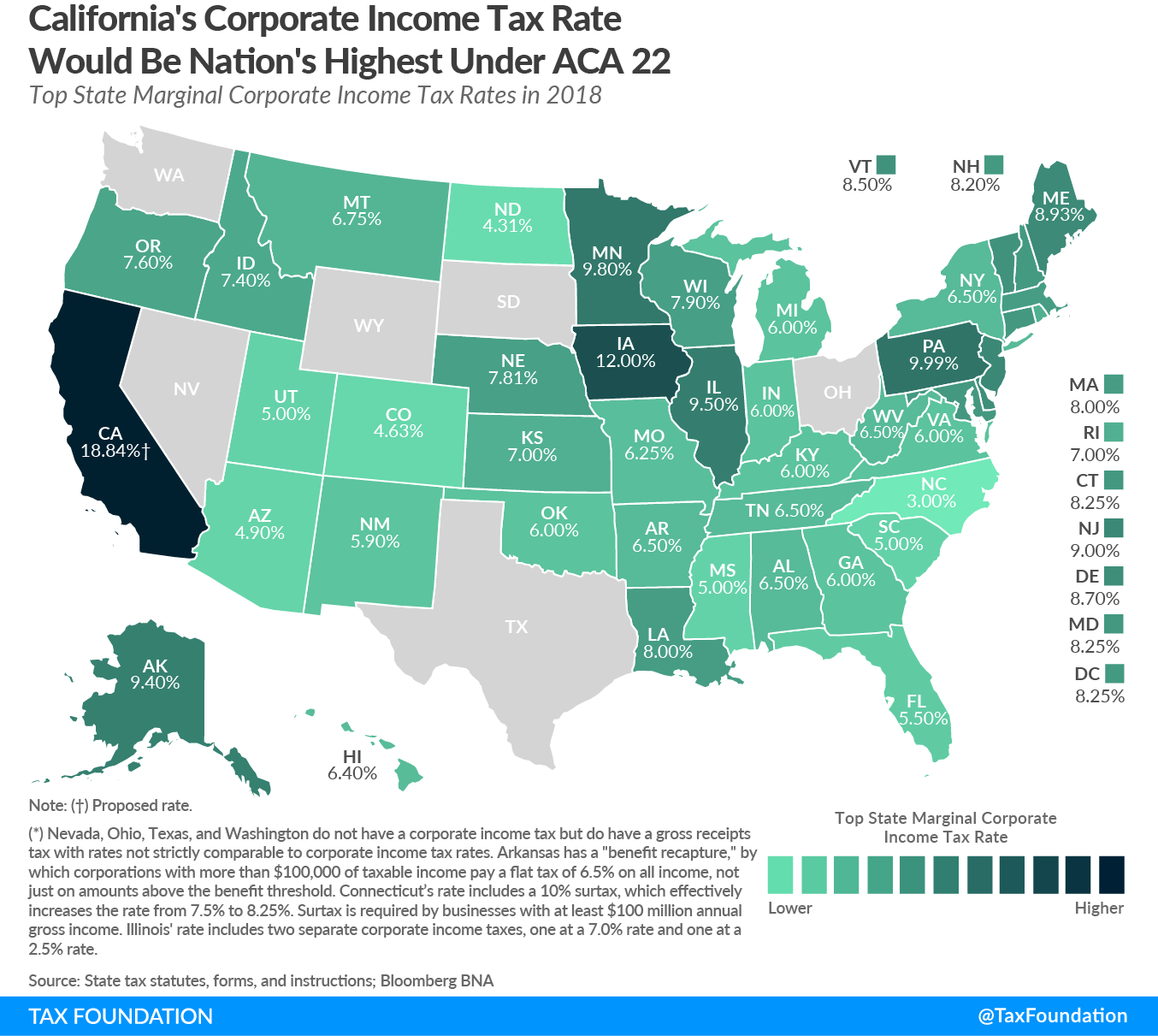
The high capital gains tax in California (which is taxed at ordinary income rates) can significantly impact the net return on investment properties or other capital assets. This makes due diligence regarding potential tax liabilities critical before making any major investment decisions. For entrepreneurs looking to establish a business, understanding the corporate tax structure and individual income tax implications for owners is paramount. The financial landscape requires careful consideration, especially given the already competitive nature of California’s real estate and business markets.
Maximizing Your California Experience: Financial Planning Tips
Navigating the financial intricacies of California doesn’t have to be daunting. With proper planning and informed decisions, you can ensure that your travels, lifestyle choices, or relocation to the Golden State are as financially seamless as they are memorable. The goal is to fully embrace the California dream without unexpected financial burdens.
Budgeting for Your California Trip or Stay
Whether planning a short travel itinerary or a long-term relocation, creating a comprehensive budget that accounts for California’s unique tax environment is essential. For tourists, remember to factor in the higher sales tax on purchases and potentially significant hotel occupancy taxes. These can add 10-15% or more to your bill in popular areas, directly impacting the cost of your chosen accommodation, whether it’s a luxury suite overlooking Marina del Rey or a cozy boutique hotel in San Luis Obispo. Don’t forget the costs of activities, food, and transportation, all of which are subject to varying tax rates.
For long-term residents or remote workers, your budget should meticulously account for state income tax deductions from your gross earnings. Understand your likely tax bracket and calculate your estimated net income. This will inform your budget for housing—whether renting an apartment in Oakland or buying a home in Palo Alto—as well as daily living expenses, savings, and discretionary spending on lifestyle upgrades. Consider how the higher cost of living in many California cities, coupled with taxes, might impact your overall financial picture. Websites and apps dedicated to budgeting can be invaluable tools in this process, ensuring you can enjoy the vibrant California scene without financial stress.
Seeking Professional Advice
Given the complexity of California’s tax laws, especially concerning residency and income sourcing, consulting with a qualified tax professional is highly recommended for anyone with significant financial ties to the state. This is particularly true for:
- Digital Nomads: To determine your residency status and the tax implications of working remotely from California.
- Individuals Relocating: To understand the full scope of your tax obligations as a new California resident and optimize your financial transition.
- Investors: To navigate capital gains, rental income, and property tax implications.
- Business Owners: To ensure compliance with state business and income tax regulations.
A knowledgeable accountant or financial advisor specializing in California tax law can provide personalized guidance, help you identify potential deductions or credits, and ensure you comply with all state and federal requirements. This expert advice can save you significant money and stress in the long run, allowing you to focus on enjoying the unparalleled experiences that California offers, from exploring the Golden Gate Bridge to indulging in world-class cuisine.
Beyond Taxes: The California Dream
While the discussions around income tax in California can seem formidable, it’s vital to remember that the state offers an extraordinary quality of life and unparalleled opportunities that often outweigh the financial considerations for many. The allure of its diverse landscapes—from the majestic forests of Redwood National Park to the arid beauty of Death Valley—and its vibrant cultural tapestry is undeniable.
California is a hub of innovation, a culinary paradise, and a haven for outdoor enthusiasts. Whether your passion lies in surfing the waves of Malibu, skiing in Lake Tahoe, exploring the historical missions along the coast, or immersing yourself in the arts scene of Los Angeles, there’s an endless array of experiences to be had. The state is also a leader in sustainable tourism and offers a diverse range of accommodation options, from eco-friendly cabins to opulent resorts.
Ultimately, understanding the income tax structure in California isn’t about being deterred by it, but rather about being prepared. It’s about empowering yourself with knowledge to make informed decisions that align with your travel aspirations, lifestyle goals, and financial well-being. With careful planning, whether you’re visiting for a fleeting vacation or settling down for the long haul, the Golden State promises a richness of life that, for many, is truly priceless. So, pack your bags, do your homework, and get ready to experience the magic of California.
LifeOutOfTheBox is a participant in the Amazon Services LLC Associates Program, an affiliate advertising program designed to provide a means for sites to earn advertising fees by advertising and linking to Amazon.com. Amazon, the Amazon logo, AmazonSupply, and the AmazonSupply logo are trademarks of Amazon.com, Inc. or its affiliates. As an Amazon Associate we earn affiliate commissions from qualifying purchases.