
Nevada’s economy, heavily reliant on tourism and hospitality, experiences a dynamic interplay between its vibrant travel and accommodation sectors and the crucial economic factor of its minimum wage. For travelers planning a trip, those considering a longer stay, or individuals working within the Silver State’s bustling industries, understanding the minimum wage is paramount. This guide delves into the current minimum wage in Nevada, its historical context, the factors influencing it, and its broader implications for the state’s flourishing tourism and lifestyle landscape.
The Current Minimum Wage Landscape in Nevada
The minimum wage in Nevada is a topic that sees regular updates and nuances, particularly due to a distinction in pay rates based on whether employees are offered qualifying health benefits. This differentiation significantly impacts various sectors, from the service staff at luxury resorts on the Las Vegas Strip to the housekeeping teams in hotels across Reno.
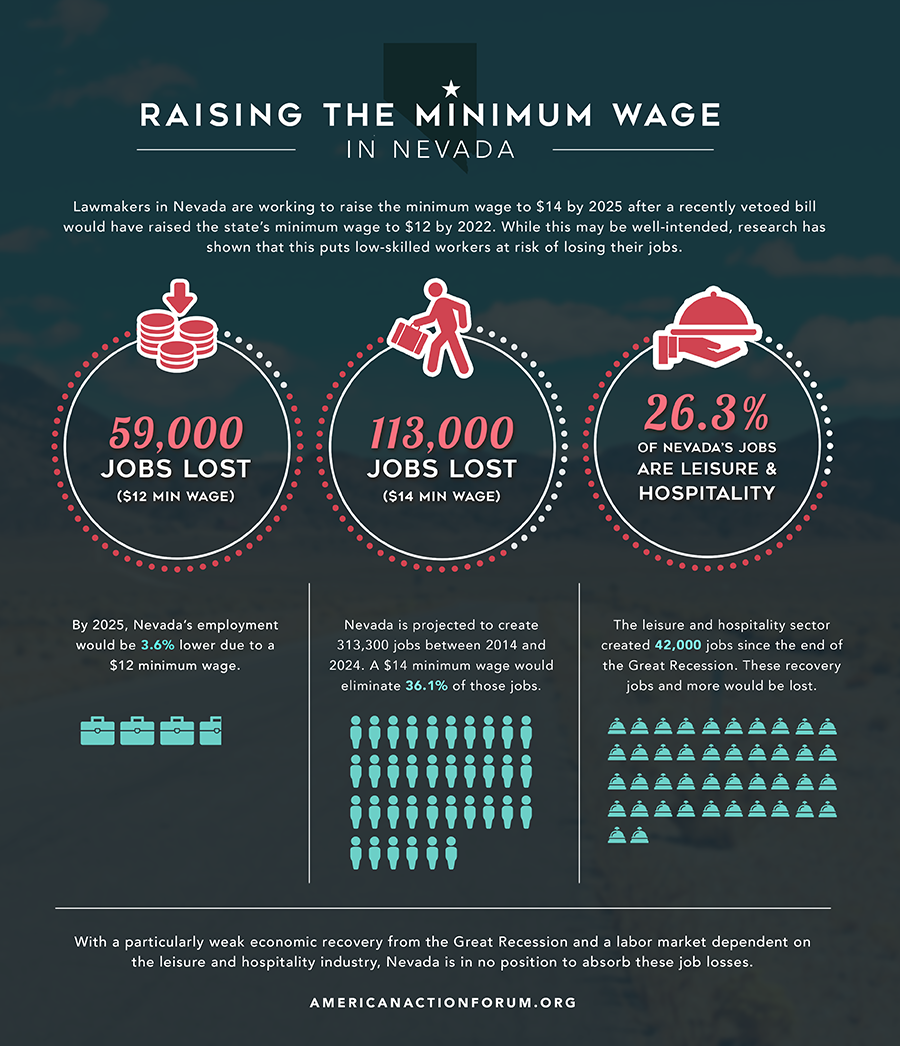
As of January 1, 2024, Nevada’s minimum wage for employees not provided with qualifying health benefits stands at $12.00 per hour. This rate applies broadly across industries and is the most commonly cited figure.
For employees who are offered qualifying health benefits by their employer, the minimum wage is slightly lower, set at $11.00 per hour. This benefit provision is a key differentiator, encouraging employers to offer health insurance as a means of complying with state labor laws while potentially managing their overall labor costs.
It’s important to note that these figures are set by state law and are subject to periodic adjustments. The Nevada Department of Labor sets these rates, and while the core structure has remained, the specific dollar amounts can change. Understanding this distinction is crucial for both employees seeking fair compensation and employers navigating their legal obligations.
Factors Influencing Nevada’s Minimum Wage
The establishment and adjustment of Nevada’s minimum wage are influenced by a confluence of economic, social, and political factors. These elements work in tandem to shape the wage floor, impacting the cost of living, business operational expenses, and the overall economic well-being of the state’s residents.
Economic Indicators and Cost of Living
A primary driver behind minimum wage adjustments is the prevailing economic climate and the cost of living within Nevada. As inflation rises and the prices of essential goods and services – such as housing, food, and transportation – increase, there’s a growing pressure to ensure that the minimum wage keeps pace. This is particularly relevant in tourist-heavy areas like Las Vegas and Henderson, where the demand for services can influence local economies and living expenses. The Nevada Legislature and state agencies monitor key economic indicators to inform decisions on minimum wage adjustments. The goal is to strike a balance that supports a livable wage for workers without unduly burdening businesses, especially those in sectors with historically lower profit margins.
The Tourism and Hospitality Nexus
Given that tourism is the lifeblood of the Nevada economy, the minimum wage has a direct and significant impact on its core industries. A substantial portion of Nevada’s workforce is employed in hospitality, with roles ranging from hotel staff at properties like the Bellagio and The Venetian Resort to service personnel in restaurants and entertainment venues. Higher minimum wages can lead to increased disposable income for these workers, potentially boosting local spending and further stimulating the tourism sector. Conversely, businesses operating on tight margins may face challenges in absorbing increased labor costs, which could, in turn, affect pricing for accommodations and experiences. This delicate balance is a constant consideration for policymakers. The state’s efforts to attract both domestic and international visitors are intertwined with the affordability and perceived value of the services offered, which are indirectly influenced by labor costs.
Legislative and Political Considerations
The minimum wage in Nevada is ultimately determined by state legislation. Proposals to raise the minimum wage are often debated within the Nevada Legislature, reflecting different perspectives on economic policy. Advocacy groups, labor unions, and business organizations frequently engage in these discussions, presenting arguments for or against changes. The political climate and the priorities of elected officials play a crucial role in shaping the direction of minimum wage policy. Voters in Nevada have also, at times, had direct influence through ballot initiatives, underscoring the public’s interest in this economic lever. The process involves careful consideration of economic impact studies, public testimony, and the potential effects on employment levels and business growth.
Implications for Travelers and Residents
Understanding the minimum wage in Nevada offers valuable insights for various stakeholders, from the transient traveler seeking budget-friendly experiences to residents navigating their daily lives and career opportunities. The wage structure has ripple effects across the state’s vibrant tourism, accommodation, and lifestyle sectors.
Impact on Travel Budgets and Accommodation Choices
For travelers planning a trip to destinations like Las Vegas, the minimum wage directly influences the cost of services they will encounter. Higher wages for hotel staff, restaurant servers, and customer service representatives can contribute to the overall pricing of accommodations, dining, and entertainment. While Nevada strives to maintain competitive pricing to attract tourists, an increased minimum wage can lead to a gradual upward adjustment in the cost of experiencing its attractions, from shows on the Las Vegas Strip to guided tours of natural landmarks like Red Rock Canyon National Conservation Area.
However, the minimum wage also empowers a significant portion of the local population, potentially increasing their disposable income. This can lead to a more robust local economy, which in turn supports a wider array of businesses and services catering to both tourists and residents. For budget-conscious travelers, this might translate into more affordable local eateries or unique experiences offered by small businesses that benefit from increased local patronage. The accommodation sector, from budget motels to luxury resorts like The Cosmopolitan of Las Vegas, must balance labor costs with market demand, influencing pricing strategies and the availability of deals.
Opportunities and Considerations for Employment
The minimum wage in Nevada is a critical factor for anyone seeking employment within the state, particularly in entry-level positions within the tourism and hospitality industries. The distinction between wages with and without health benefits offers a clear incentive for employers to provide health insurance, which can be a significant benefit for employees. For individuals looking to work in areas like Carson City or Mesquite, understanding these wage tiers is essential when evaluating job offers.
Furthermore, the minimum wage sets a baseline that can influence the entire wage scale. As the minimum wage rises, employers may also adjust wages for positions above the minimum to maintain internal pay structures and attract and retain talent. This can contribute to overall wage growth within the state. For those considering a lifestyle change or seeking new career paths in Nevada, researching the minimum wage and the industries that offer employment opportunities is a foundational step. The state’s robust job market, especially in areas surrounding Lake Tahoe and its diverse resort towns, provides numerous avenues for employment across various skill levels.
The Broader Economic and Lifestyle Picture
The minimum wage in Nevada is not just a number; it’s an integral part of the state’s economic fabric and significantly influences the lifestyle experienced by its residents and visitors. A higher minimum wage can contribute to a stronger middle class, fostering greater economic stability and potentially leading to increased consumer spending on local attractions, restaurants, and services. This, in turn, can support a more diverse and vibrant cultural scene, from the arts districts in Downtown Las Vegas to the historical sites in Virginia City.
Conversely, concerns about the impact of wage increases on business viability and potential job losses are also part of the ongoing discussion. Policymakers often grapple with finding a sustainable equilibrium that promotes economic growth while ensuring a decent standard of living for all. The state’s commitment to attracting both business investment and new residents is closely linked to its economic policies, including its minimum wage standards. For those drawn to Nevada for its unique blend of natural beauty, entertainment, and a relatively lower cost of living compared to some other states, the minimum wage is a key indicator of the economic health and opportunities available. It plays a role in the affordability of everything from everyday living to experiencing the luxury travel options synonymous with destinations like Ritz-Carlton, Lake Tahoe.
Future Outlook and Trends
As Nevada continues to evolve as a premier travel destination and a dynamic place to live, its minimum wage policy is likely to remain a subject of discussion and potential adjustment. Several trends and factors will shape its future trajectory.
Potential for Future Adjustments
The established practice in Nevada has been to periodically review and adjust the minimum wage based on economic conditions and legislative action. Future adjustments will likely be influenced by ongoing inflation rates, the cost of living indices, and the state’s economic performance, particularly within its dominant tourism sector. Advocates for a higher minimum wage will likely continue to push for increases that reflect the rising costs of essential goods and services. Business groups, on the other hand, may argue for more modest increases or a slower implementation to mitigate potential impacts on their operational expenses. The interplay between these perspectives will continue to shape the legislative agenda.
The Role of Technology and Automation
The increasing presence of technology and automation in various industries, including hospitality and retail, could also influence future minimum wage discussions. As certain tasks become automated, the demand for human labor in some sectors might shift, potentially impacting wage negotiations and policy considerations. Employers may face decisions about investing in automation versus increasing labor costs. Conversely, new job roles might emerge that require different skill sets, potentially commanding higher wages. The economic landscape is constantly adapting, and the minimum wage will need to be considered within this broader context of technological advancement and its impact on the workforce.

Nevada’s Economic Resilience and Growth
Nevada’s economic resilience, demonstrated through its recovery and growth following economic downturns, will play a role in its ability to absorb potential minimum wage increases. The state’s ongoing diversification efforts, moving beyond traditional tourism and gaming to embrace sectors like technology and manufacturing, could also create a more robust and varied job market. This diversification may lead to a broader base of employers with varying wage structures, potentially influencing the overall impact of minimum wage policies. The long-term vision for Nevada as a state that offers both economic opportunity and a high quality of life will undoubtedly involve careful consideration of its minimum wage to ensure it supports a thriving and equitable economy for all its residents.
LifeOutOfTheBox is a participant in the Amazon Services LLC Associates Program, an affiliate advertising program designed to provide a means for sites to earn advertising fees by advertising and linking to Amazon.com. Amazon, the Amazon logo, AmazonSupply, and the AmazonSupply logo are trademarks of Amazon.com, Inc. or its affiliates. As an Amazon Associate we earn affiliate commissions from qualifying purchases.