
New York, a vibrant tapestry of cultures, opportunities, and unparalleled experiences, stands as a beacon for travelers and aspiring residents alike. From the glittering skyscrapers of Manhattan to the serene landscapes of the Adirondacks, the Empire State offers a diversity that few other places can match. However, beneath the allure of its famous landmarks and world-class attractions lies a fundamental economic reality that impacts everyone: the minimum wage. Understanding New York’s minimum wage is not just a matter for economists or job seekers; it’s a crucial piece of information for tourists planning their budgets, hospitality workers considering their next career move, and even luxury travelers curious about the local economic landscape that shapes their premium experiences.
For visitors, the minimum wage indirectly influences the cost of a hotel room, the price of a meal at a charming Greenwich Village bistro, or the cost of a Broadway show ticket, as these costs reflect the wages paid to the staff who make these experiences possible. For those contemplating an extended stay, perhaps working in the state’s robust tourism sector, understanding the minimum wage is directly tied to their potential earnings and the feasibility of maintaining a comfortable lifestyle. This article delves into the intricacies of New York’s minimum wage, exploring its variations, its impact on the cost of living and travel, and its role in shaping the state’s dynamic lifestyle and tourism industry.
Understanding New York’s Minimum Wage Landscape
The state of New York is unique in its approach to minimum wage, recognizing the stark differences in the cost of living between its bustling metropolitan areas and its more rural regions. This tiered system is a critical aspect for anyone looking to understand the financial implications of living, working, or even just visiting different parts of the state.
The Current Minimum Wage in New York City and Beyond
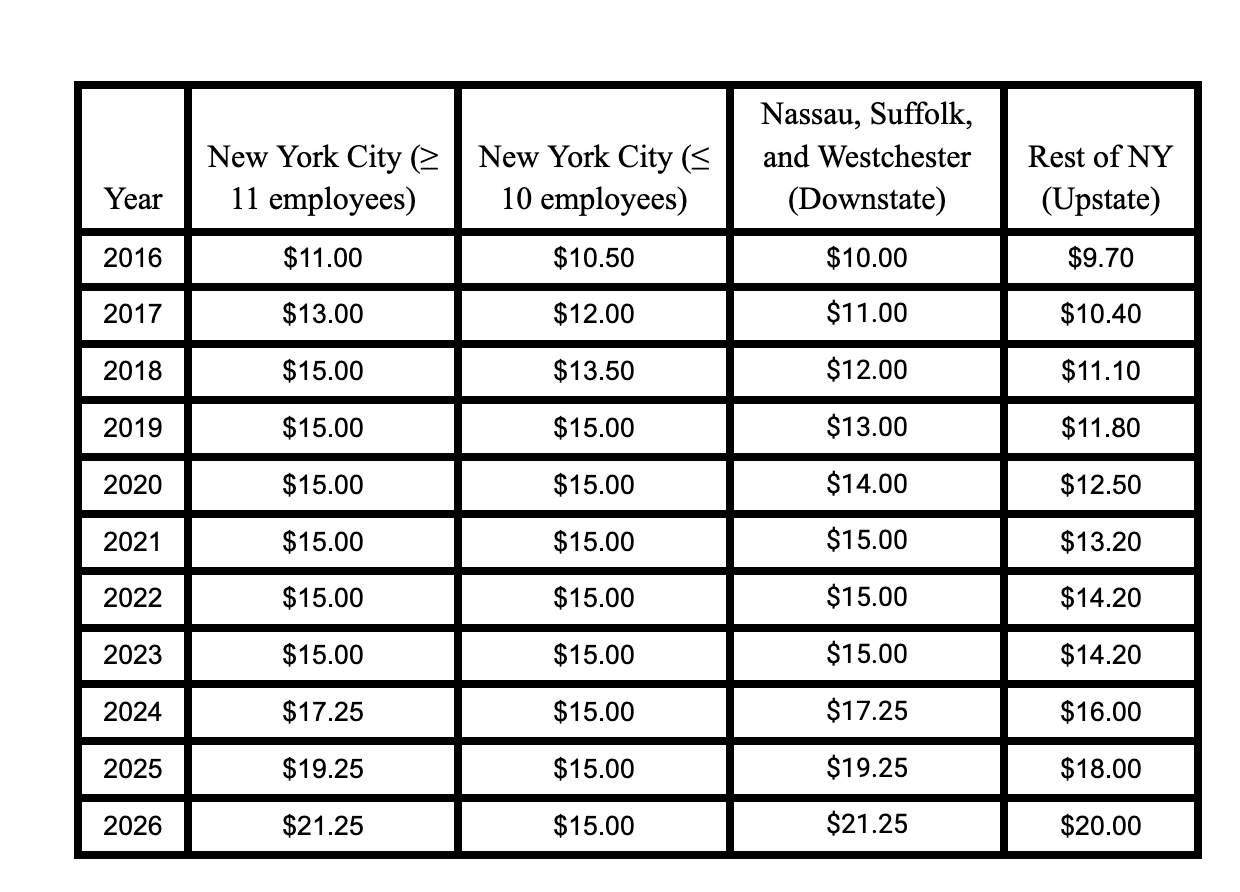
As of January 1, 2024, the minimum wage in New York State saw a significant adjustment, following a schedule designed to gradually increase wages across the state. The most prominent distinction is between New York City, Long Island, and Westchester County versus the rest of the state.
- For New York City, Long Island, and Westchester County: The minimum wage increased to $16.00 per hour. This higher rate reflects the exceptionally high cost of living in these densely populated and economically vibrant areas. A significant portion of New York’s tourism and hospitality industries are concentrated here, meaning many hotel staff, restaurant servers, retail associates, and attraction guides benefit from this higher wage.
- For the Remainder of New York State: The minimum wage rose to $15.00 per hour. While still robust, this rate acknowledges the comparatively lower, though still substantial, cost of living outside the immediate metropolitan core. This applies to cities like Albany, Buffalo, Rochester, Syracuse, and popular tourist destinations such as Niagara Falls or the Finger Lakes region.
These increases are part of a broader plan to reach $17.00 per hour in New York City, Long Island, and Westchester County by 2026, and $16.00 per hour for the rest of the state by the same year, with subsequent annual adjustments tied to inflation. This progressive approach aims to ensure that wages keep pace with economic realities and provide a living wage for workers.
Tipped Workers and the Minimum Wage
The hospitality sector, a cornerstone of New York’s tourism, heavily relies on tipped employees. For these workers – primarily restaurant staff, bartenders, hotel bellhops, and some tour guides – the minimum wage structure includes specific provisions. New York State mandates a minimum cash wage that employers must pay to tipped employees, which can be lower than the standard minimum wage, provided that the tips received bring the employee’s total earnings up to at least the full minimum wage rate.
For instance, in New York City, Long Island, and Westchester County, the minimum cash wage for tipped food service workers (who receive significant tips) is generally lower, with the expectation that tips will cover the difference up to $16.00 an hour. If tips do not make up the difference, the employer is legally obligated to compensate the worker to meet the full minimum wage. This system underscores the cultural importance of tipping in the United States, particularly in high-service industries. Tourists should be aware of this system and factor generous tips into their budget, as they directly contribute to the livelihood of the people enhancing their travel experiences.
Why the Discrepancy? Cost of Living in New York
The primary driver behind the tiered minimum wage structure is the vast disparity in the cost of living across New York State. New York City consistently ranks among the most expensive cities in the world, largely due to exorbitant housing costs. Rent for even a modest apartment in Manhattan, Brooklyn, or even parts of Queens can consume a significant portion of an individual’s income. Transportation, groceries, and services also tend to be more expensive in the metropolitan area.
For travelers, this translates directly into higher costs for accommodation, dining, and daily expenses when visiting New York City. A luxury hotel in Midtown Manhattan or a boutique stay in SoHo will reflect these underlying economic realities in its pricing. Conversely, exploring destinations like the Finger Lakes wine region or a resort in the Catskills might offer a more budget-friendly experience, not only due to lower accommodation costs but also because the general cost of services and goods is less impacted by a sky-high minimum wage, even if the difference is only a dollar or two per hour. Understanding this economic geography is essential for both budget travelers and those seeking luxury experiences, allowing for more informed planning and expenditure.
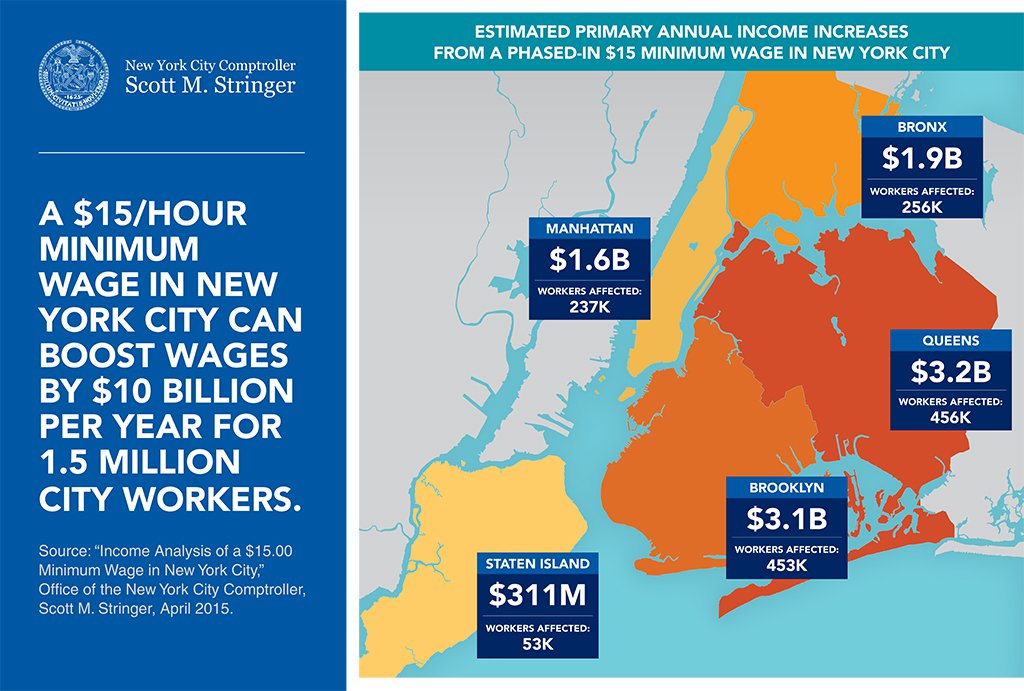
Navigating New York on a Minimum Wage Budget: Tips for Travelers and Locals
Whether you’re visiting New York on a tight budget or considering working in the state, understanding how to stretch your dollars is paramount. The minimum wage, while increasing, still necessitates smart financial planning to fully enjoy the state’s offerings.
Accommodation Strategies
Accommodation is often the largest expense for travelers and residents alike, especially in New York City.
- Budget Travel & Hostels: For budget-conscious travelers, hostels in neighborhoods like Williamsburg or the Lower East Side offer significantly cheaper rates than traditional hotels. Many provide shared dormitory-style rooms, but also private rooms at a fraction of hotel costs, making them excellent choices for backpackers or solo adventurers.
- Long-Term Stays & Apartment Rentals: For those planning an extended stay or looking to work in New York, short-term apartment rentals or extended-stay hotels outside prime tourist zones can be more economical. Exploring areas in outer Brooklyn or Queens with good public transport links can yield more affordable options. Booking in advance and during off-peak seasons can also lead to substantial savings.
- Outside NYC: When traveling outside of New York City, hotel rates tend to be more manageable. Exploring charming bed and breakfasts in the Hudson Valley or booking a cozy cabin near the Adirondacks can provide a unique experience without the metropolitan price tag. Comparison websites and direct bookings can help find the best deals.
Eating Out and Saving on Food
Dining in New York can range from Michelin-starred experiences to delicious street food. For those on a budget:
- Street Food & Markets: New York City is famous for its diverse and affordable street food, from hot dog stands to halal carts. Exploring local markets like Chelsea Market or visiting ethnic neighborhoods in Flushing, Queens, or Jackson Heights offers authentic and inexpensive culinary delights.
- Happy Hours & Lunch Specials: Many restaurants, particularly in areas like the Financial District or Times Square, offer enticing happy hour deals on drinks and appetizers, as well as affordable lunch specials that are much cheaper than dinner prices.
- Cook Your Own Meals: For long-term stays or those in accommodations with kitchenettes, grocery shopping at local supermarkets and preparing some meals can significantly cut down on food expenses.
Exploring Attractions and Entertainment
New York is replete with world-class attractions, many of which can be enjoyed on a budget.
- Free Landmarks and Parks: Iconic sites like Central Park, the Brooklyn Bridge, and Times Square are free to explore. Walking through vibrant neighborhoods like Greenwich Village or Harlem offers a rich cultural experience at no cost. Many museums, such as the Metropolitan Museum of Art or the Museum of Modern Art, offer “pay-what-you-wish” days or specific free hours.
- Discount Passes: For those planning to visit multiple paid attractions like the Empire State Building or the Statue of Liberty, investing in city passes (e.g., New York Pass, CityPASS) can result in significant savings compared to buying individual tickets.
- Public Transportation: Utilize New York City’s extensive subway and bus system. It’s the most cost-effective way to get around and offers a genuine local experience. Outside New York City, regional buses and trains connect major cities and tourist spots, often at reasonable prices.
The Impact on Service Industry Jobs and Tipping Culture
The minimum wage directly impacts the millions of individuals who fuel New York’s tourism and hospitality engines. Hotel housekeepers, restaurant servers, concierge staff, tour guides, and retail associates all rely on these wages.
A higher minimum wage theoretically means these workers have more disposable income, which can stimulate local economies and improve their quality of life. For travelers, this translates into potentially better service, as a more fairly compensated workforce is often a more motivated one. However, it also means that businesses face higher labor costs, which can sometimes be passed on to consumers through slightly higher prices for services, accommodation, and food.
Understanding the tipping culture is vital. While the minimum wage provides a baseline, tips are often an essential part of the total income for many service professionals. Especially in high-end establishments or for exceptional service, a tip of 15-20% is customary and highly appreciated, reflecting the hard work and dedication of the staff who strive to make every guest’s experience memorable. For those planning a luxury trip, recognizing that a significant portion of the cost contributes to ensuring fair wages for the talented individuals delivering premium services can enhance the overall appreciation of the experience.
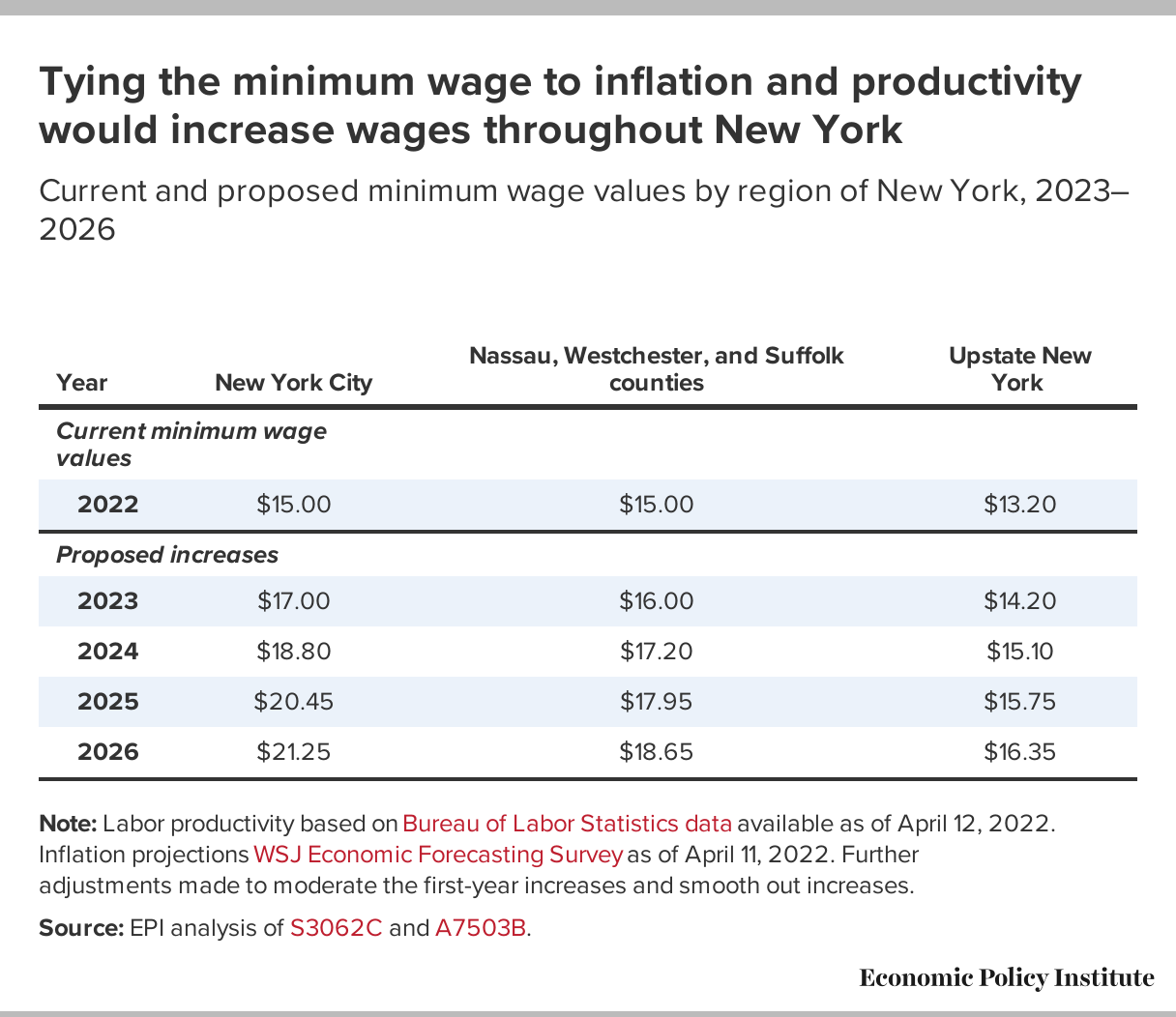
The Broader Economic Impact on Tourism and Lifestyle
The minimum wage in New York is more than just a number; it’s a policy with far-reaching implications for the state’s economy, its vital tourism industry, and the overall lifestyle of its residents and visitors.
Attracting and Retaining Talent in the Hospitality Sector
New York’s tourism and hospitality industry is fiercely competitive, with a constant demand for skilled and dedicated professionals. From world-class chefs in Manhattan to resort staff in the Catskills, attracting and retaining talent is crucial for maintaining the state’s reputation as a premier destination. A robust minimum wage, especially in a high-cost area like New York City, plays a significant role in this.
It helps to ensure that jobs in hotels, restaurants, and attractions are viable career paths, not just temporary gigs. This stability can lead to a more experienced and professional workforce, ultimately benefiting tourists through improved service quality and memorable interactions. For example, a well-paid hotel team is more likely to provide exceptional service, enhancing a guest’s overall accommodation experience, whether they are on a business stay or a family trip.
Balancing Affordability for Tourists and Fair Wages for Workers
One of the ongoing challenges in a major tourist destination like New York is striking a balance between ensuring fair wages for workers and maintaining affordability for visitors. Higher minimum wages mean increased operating costs for businesses, which can translate into higher prices for hotel rooms, meals, and entertainment. This might, in turn, affect the decisions of budget travelers or those considering longer stays.
However, many argue that the benefits of a living wage outweigh these potential drawbacks. A well-compensated workforce contributes to a more stable and equitable society, which can enhance the overall visitor experience. It also means that the “local culture” aspect of tourism is preserved, as residents can afford to live and work in the areas that make New York so appealing. For example, vibrant neighborhoods like The Bronx or Staten Island offer unique cultural insights that might be diluted if locals were priced out due to insufficient wages.
Long-Term Trends and Future Outlook
The trajectory of New York’s minimum wage indicates a continued commitment to increasing worker pay, with annual adjustments often tied to inflation or a predefined schedule. This forward-looking approach suggests that the state will continue to be a leader in progressive wage policies. For the tourism industry, this means an ongoing need for businesses to adapt their pricing and operational strategies to absorb these costs while remaining competitive.
For travelers, it implies that the cost of experiencing New York is likely to continue its upward trend, albeit gradually. Therefore, planning ahead, leveraging budget-friendly options, and being mindful of economic realities will remain key for maximizing a New York adventure. Whether it’s a luxury escape to a high-end resort or an exploration of New York’s diverse cities and natural wonders, understanding the minimum wage provides a valuable lens through which to view the state’s dynamic economy and unparalleled lifestyle.
In conclusion, the minimum wage in New York is a multifaceted issue that touches upon everything from the daily lives of its workers to the overall experience of its visitors. By understanding its nuances, travelers can better plan their budget trips or luxury getaways, and individuals considering work in the state can make informed decisions about their career paths. New York’s commitment to a living wage reflects its values and shapes the very fabric of its vibrant tourism landscape, ensuring that the magic of the Empire State is built on a foundation of fairness and opportunity.