
New York City, often called the “Big Apple,” stands as a beacon of culture, commerce, and innovation on the global stage. It’s a place where dreams are pursued, iconic landmarks pierce the sky, and an unparalleled energy hums through every street. For anyone planning to visit, reside, or simply curious about this magnificent metropolis, understanding its population is fundamental. It’s not just a number; it’s the heartbeat of the city, influencing everything from the availability of accommodation to the diversity of its culinary scene and the constant buzz of its Broadway theaters.
So, what exactly is the population of New York City? According to recent estimates, the city proper, encompassing its five boroughs, is home to approximately 8.8 million people. This makes it the most populous city in the United States and one of the largest megacities in the world. When considering the broader New York-Newark-Jersey City metropolitan statistical area, that figure swells to over 20 million residents, making it one of the most densely populated urban agglomerations in North America. This immense concentration of people is a driving force behind the city’s unique character, its vibrant lifestyle, and its position as a premier travel destination.
The Dynamic Demographics of the Big Apple
The population of New York City is not static; it’s a living, breathing entity that constantly evolves, shaped by global migration, economic shifts, and social trends. This dynamism is what gives the city its unmatched cultural richness and endless possibilities.
A Mosaic of Cultures: Diversity in Numbers
One cannot discuss New York City’s population without immediately highlighting its extraordinary diversity. It is arguably the most multicultural city in the world, a veritable melting pot where over 800 languages are spoken, and people from virtually every nation on Earth call it home. This incredible mix creates a vibrant cultural tapestry that permeates every aspect of city life.
From the bustling streets of Chinatown and Little Italy in Manhattan to the diverse enclaves of Jackson Heights in Queens, the city is a living showcase of global cultures. For travelers, this means an unparalleled array of authentic international cuisine, festivals celebrating traditions from around the world, and a chance to experience a microcosm of humanity in a single urban setting. This diversity is not just a demographic fact; it’s a core component of the New York City experience, offering unique attractions and a rich local culture that enriches every visit.

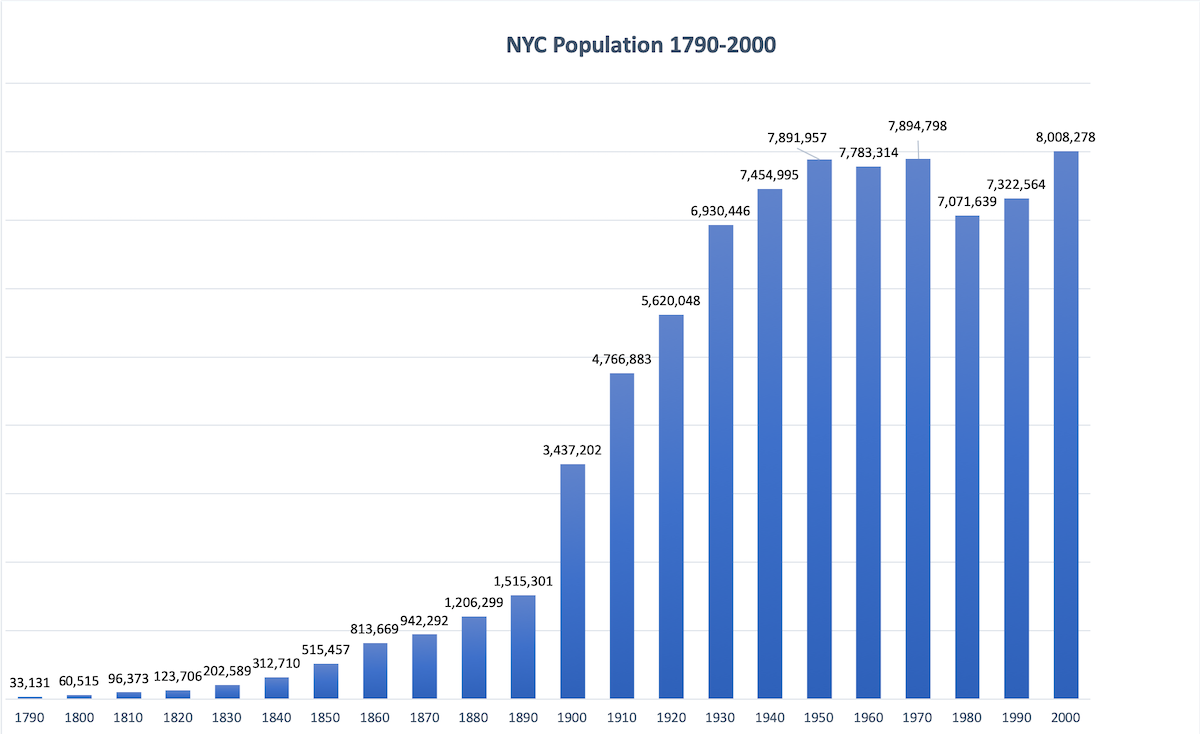
Population Trends and Growth
Historically, New York City has seen continuous growth, fueled largely by waves of immigration. From the early 20th century, when millions arrived through Ellis Island, to more recent migrations from Asia, Latin America, and Africa, the city has always been a magnet for those seeking opportunity and a new beginning. While growth rates have fluctuated, the population has generally trended upwards, presenting both opportunities and challenges for urban planners and residents alike.
Recent trends suggest a continued, albeit sometimes slower, increase, reflecting the city’s enduring appeal as a global hub for finance, technology, arts, and education. Factors contributing to its growth include a robust job market in various sectors, world-class universities, and its undeniable cultural allure. However, urban living challenges such as the cost of living and housing availability also play a role in migration patterns, with some residents choosing to relocate to less expensive areas outside the five boroughs.
Impact of Population on Urban Life
The sheer density of 8.8 million people coexisting in a relatively confined space fundamentally shapes daily life in New York City. This high density contributes to the city’s legendary fast pace and relentless energy. Public transportation, primarily the extensive subway system operated by the MTA, is essential, carrying millions of passengers daily and forming the backbone of urban mobility. Sidewalks are bustling, restaurants are packed, and cultural venues are perpetually alive with activity.
While density fosters incredible vibrancy and a feeling of being at the center of the world, it also presents challenges. Competition for housing is intense, leading to some of the highest real estate prices globally. Resources, from public parks to educational institutions, are heavily utilized. Yet, it’s this very density that fosters innovation, connection, and the serendipitous encounters that are so characteristic of the New York City experience. It creates a robust consumer base for everything from high-end boutiques on Fifth Avenue to independent eateries in Brooklyn, driving a diverse and thriving economy.

Population’s Influence on Travel and Tourism
For a destination like New York City, its population is inextricably linked to its magnetism as a travel and tourism hotspot. The millions who live here directly contribute to the city’s appeal, shaping the infrastructure, services, and experiences available to visitors.
Demand for Accommodation and Services
A massive resident population, coupled with tens of millions of annual tourists, creates an enormous demand for accommodation. This drives the robust hotel industry in New York City, ranging from ultra-luxury resorts like The Plaza Hotel and St. Regis New York to budget-friendly hotels and long-term stay apartments. Visitors can find everything from opulent suites overlooking Central Park at the Ritz-Carlton New York, Central Park to trendy boutique hotels in areas like SoHo or Chelsea, or even serviced apartments suitable for extended business stays or family trips.
This demand also fuels a massive service industry, from world-class dining establishments catering to every palate and budget, to extensive retail options at department stores like Macy’s Herald Square and Saks Fifth Avenue, and countless entertainment venues. The sheer number of people living in and visiting the city means there’s a constant need for diverse and high-quality services, ensuring that travelers have a myriad of choices for their lodging, dining, and leisure needs.
Attractions and Experiences for Millions
The vibrant population is precisely why New York City can sustain such an astonishing array of attractions and experiences. Imagine a city where thousands of restaurants thrive, hundreds of Broadway and off-Broadway shows run simultaneously, and a plethora of museums, from the Metropolitan Museum of Art and Museum of Modern Art to the Guggenheim Museum, draw millions of visitors annually. Iconic landmarks like the Statue of Liberty, the Empire State Building, Times Square, and Rockefeller Center are not just tourist magnets; they are integral parts of the daily landscape for millions of New Yorkers.
The population provides the critical mass necessary to support such a rich cultural ecosystem. It ensures a constant audience for live music venues, art galleries, sports events at Yankee Stadium, and countless festivals that celebrate the city’s diverse heritage. Without millions of residents and regular visitors, the scale and variety of these offerings would simply not be sustainable.
Navigating the Crowds: Tips for Visitors
While the bustling atmosphere is part of New York City’s charm, navigating crowds is a reality for visitors. Smart planning can significantly enhance the travel experience.
- Public Transportation: Utilize the MTA subway system, which is efficient and covers most major attractions. Avoid rush hours (7-9 AM and 5-7 PM) if possible, especially on popular lines.
- Off-Peak Visits: For popular landmarks like the Empire State Building or the National September 11 Memorial & Museum, consider visiting early in the morning or later in the evening to avoid peak crowds.
- Book Ahead: Secure tickets for Broadway shows, popular restaurants, and major attractions well in advance, especially during peak tourist seasons.
- Explore Beyond Manhattan: Venture into other boroughs. Brooklyn, Queens, and The Bronx offer incredible attractions, unique neighborhoods, and often fewer crowds than the most central Manhattan spots.
The Five Boroughs: Microcosms of the Metropolis
New York City’s population of 8.8 million is not uniformly distributed but spread across its five distinct boroughs, each with its own character, demographics, and contribution to the city’s overall identity. Understanding these divisions is key to appreciating the full scope of New York City.
- Manhattan: The densest and most famous borough, Manhattan is the economic and cultural heart of the city. Home to approximately 1.6 million residents, it houses iconic landmarks, the Financial District (Wall Street), world-class museums (Museum Mile), and vibrant neighborhoods like Greenwich Village and Harlem. Its vertical landscape of skyscrapers reflects its concentrated population.
- Brooklyn: The most populous borough, with roughly 2.6 million residents, Brooklyn is a dynamic hub of culture, arts, and diverse communities. Neighborhoods like Williamsburg, Dumbo, and Bushwick are known for their trendy boutiques, vibrant nightlife, and culinary innovation. It offers a more residential feel than Manhattan but with its own distinct urban energy.
- Queens: The largest borough geographically and the most ethnically diverse, Queens is home to around 2.3 million people. Its population represents an incredible array of cultures, reflected in its diverse food scene and numerous ethnic enclaves. Key attractions include Flushing Meadows-Corona Park, home to the US Open tennis tournament, and Long Island City’s burgeoning arts scene and waterfront parks with stunning Manhattan views.
- The Bronx: With approximately 1.4 million residents, The Bronx is the only borough primarily located on the United States mainland. It’s renowned for Yankee Stadium, the historic Bronx Zoo, and the tranquil New York Botanical Garden. The Bronx offers a rich cultural heritage, strong community ties, and a significant amount of green space.
- Staten Island: The least populated borough, with about 480,000 residents, Staten Island offers a quieter, more suburban atmosphere. It’s famously accessible by the free Staten Island Ferry, which provides spectacular views of the Statue of Liberty and the Manhattan skyline. Attractions include the Snug Harbor Cultural Center & Botanical Garden and beautiful parks.
Each borough contributes uniquely to the overall population and provides different living experiences and attractions, making New York City a multifaceted destination.
Lifestyle and Infrastructure: Supporting a Megacity
Supporting a population of 8.8 million people, plus millions of visitors, requires an immense and complex infrastructure, alongside shaping a distinct lifestyle.
The Cost of Living and Lifestyle Choices
The high population density and global demand for life in New York City inevitably lead to a high cost of living, particularly regarding housing. This reality drives many lifestyle choices. While luxury travel and upscale living are certainly prominent, evident in high-end hotels and exclusive dining experiences, there’s also a vibrant budget travel and living scene. Many residents opt for smaller apartments, utilize public transportation extensively, and find affordable culinary delights in the city’s diverse neighborhoods.
The sheer size of the population also means a broad spectrum of career opportunities, drawing professionals from every industry. This competitive environment fuels ambition and innovation, contributing to New York City’s status as a global leader in finance, fashion, media, and technology. For travelers, this translates into a city that caters to every budget and preference, from lavish experiences to authentic, local adventures.
Infrastructure Challenges and Solutions
The existing infrastructure in New York City is a testament to engineering prowess, featuring a vast network of subways, bridges (Brooklyn Bridge), tunnels, and airports (JFK Airport, LaGuardia Airport, and nearby Newark Liberty International Airport). However, maintaining and expanding this infrastructure to serve a growing population presents continuous challenges. Congestion on roads and public transport, aging systems, and the need for sustainable solutions are constant priorities for city planners.
Ongoing projects focus on modernizing the subway, improving connectivity between boroughs, and developing new public spaces like the High Line or Governors Island. These efforts not only aim to improve the quality of life for residents but also enhance the visitor experience by making the city more accessible and enjoyable. Sustainability initiatives, from expanded recycling programs to green building codes, are also crucial in managing the environmental impact of such a large urban population.
The population of New York City is far more than a mere statistic. At approximately 8.8 million, this immense and incredibly diverse populace is the very essence of the city’s identity. It creates the vibrant energy, the unparalleled cultural mosaic, the economic powerhouse, and the endless opportunities that define the Big Apple. For travelers, understanding this demographic reality deepens the appreciation for the city’s dynamic character, its myriad attractions, and the unique challenges and triumphs of urban life on a grand scale. New York City continues to evolve, but its massive, diverse population will always remain its most invaluable asset, making it an extraordinary place to visit, explore, and call home.