
California, often referred to as the Golden State, stands as a titan among the states of the United States not only for its economic prowess and cultural influence but also for its sheer population size. It is, by a significant margin, the most populous state in the nation, a dynamic fact that profoundly shapes every facet of life within its borders – from its bustling metropolises and serene natural landscapes to its diverse travel offerings and a myriad of accommodation options. Understanding the demographics of California is key to appreciating its unique appeal as a destination for travelers, a hub for businesses, and a home for millions seeking a particular lifestyle. This immense population creates an intricate web of demand and supply, fueling a vibrant tourism industry, fostering diverse communities, and continually evolving the state’s identity.
The Golden State’s Demographic Tapestry
The story of California is, at its heart, a story of people. Millions have been drawn to its promise, from the gold rushes of the 19th century to the tech booms of the 21st, each wave contributing to the rich human landscape that defines the state today. This continuous influx has resulted in a population that is not just large but also incredibly complex and varied, a true microcosm of global society.
A Snapshot of California’s Population
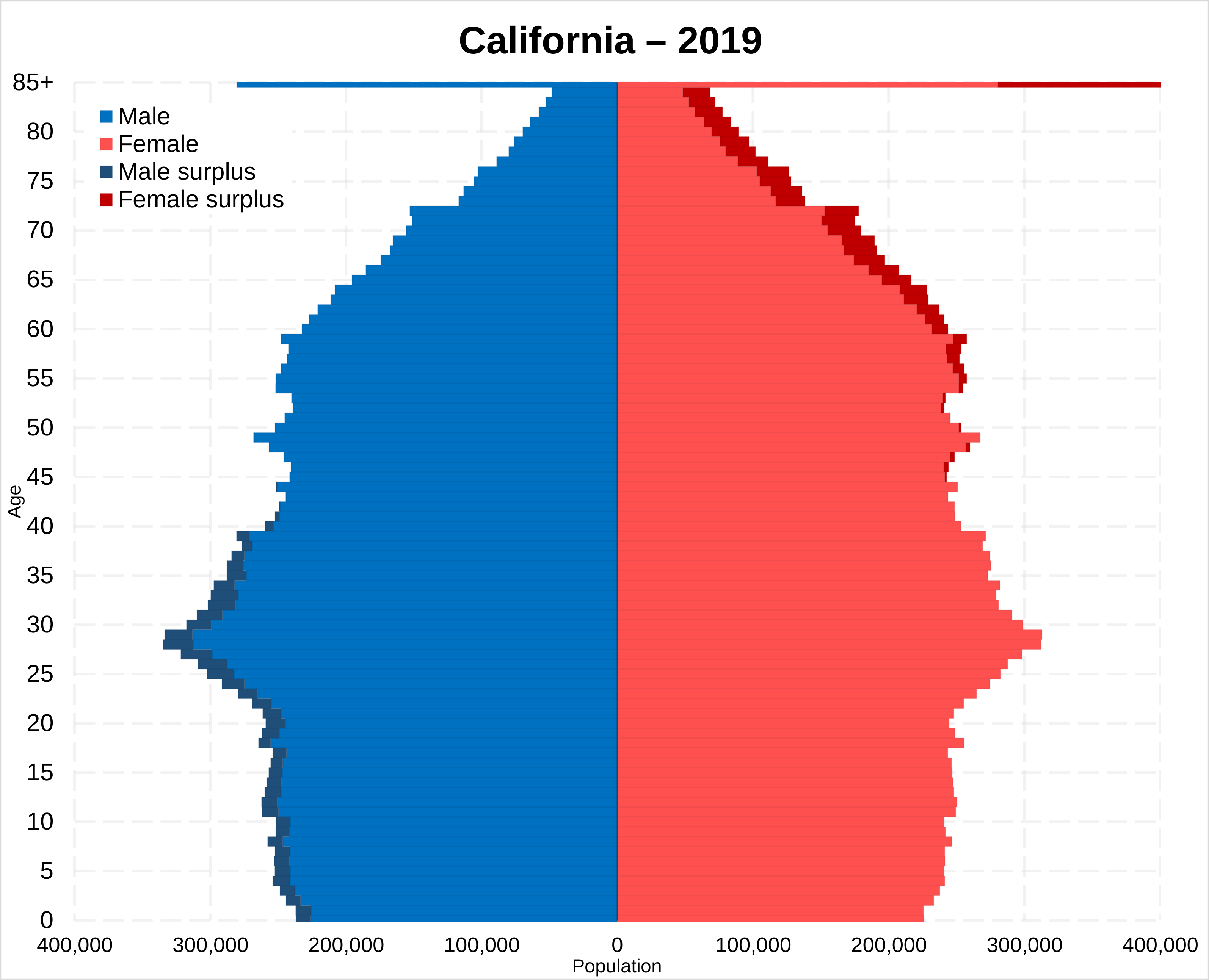
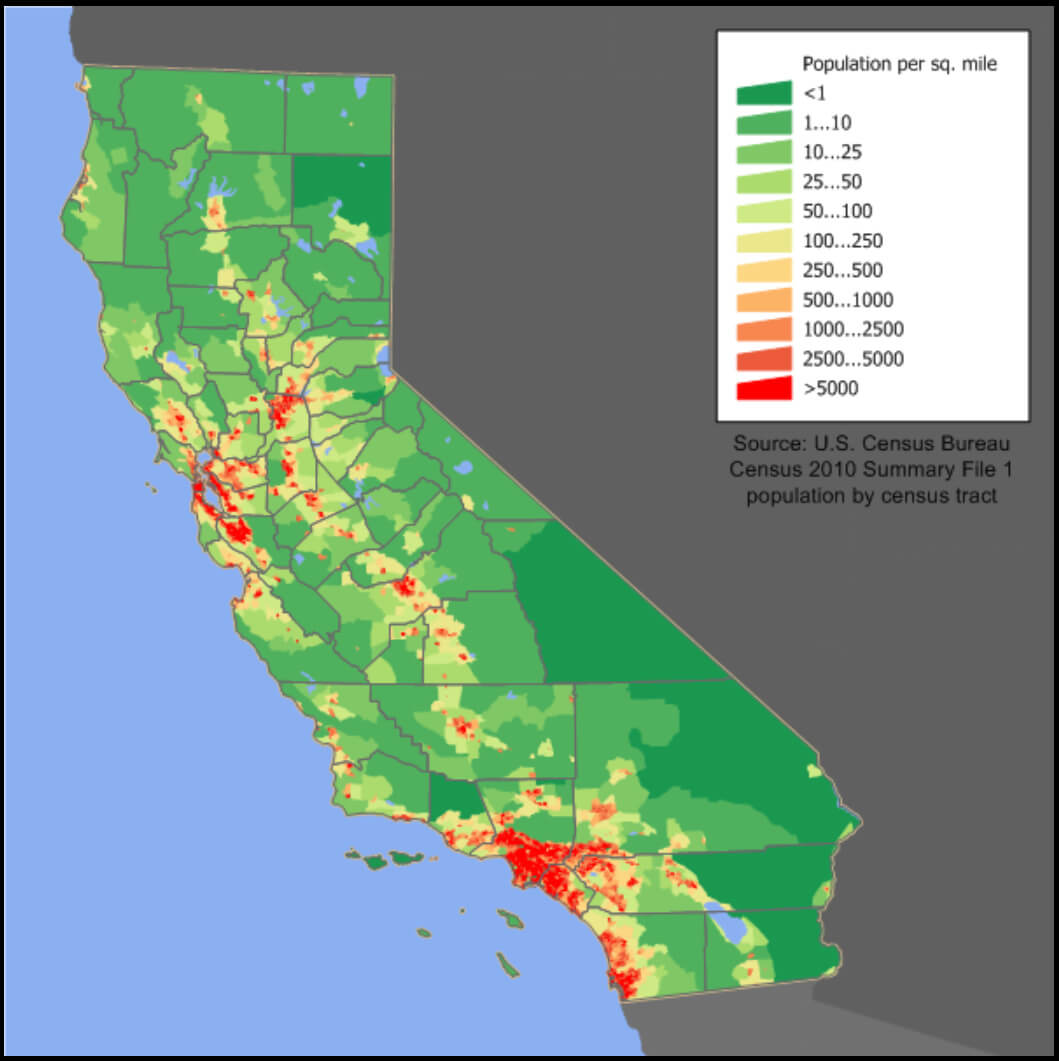
With a population hovering around 39 million residents, California far outstrips any other U.S. state. To put this into perspective, its population alone would rank among the top 35 most populous countries in the world, surpassing nations like Canada or Australia. This vast number is largely concentrated in several major urban centers that act as economic, cultural, and travel magnets. Los Angeles County alone is home to over 10 million people, making it the most populous county in the United States. Other significant population hubs include the San Francisco Bay Area, encompassing San Francisco, Oakland, and San Jose; and San Diego in the south.
While growth has slowed in recent years, reflecting national trends and challenges such as affordability, California remains a destination for both internal and international migration. The demographic shifts within the state are constantly analyzed, as they have profound implications for everything from infrastructure development and public services to the demand for diverse consumer goods and, crucially, for the travel and hospitality sectors. The sheer density of people, particularly in the coastal regions, creates a dynamic environment that contrasts sharply with the vast, sparsely populated areas of the state’s interior, like the Mojave Desert or parts of the Sierra Nevada mountain range. This geographical distribution of its population plays a significant role in defining regional identities and shaping the travel experiences available across the state.
The Rich Mosaic of Diversity
Perhaps even more remarkable than its size is the incredible diversity of California’s population. No single ethnic group constitutes a majority, making it one of the most multicultural states in the United States. Latinos comprise the largest ethnic group, a testament to the state’s historical ties with Mexico and ongoing immigration from Latin America. A substantial Asian population, drawing roots from countries across Asia like China, the Philippines, Vietnam, and India, contributes to vibrant communities in cities like San Francisco, Los Angeles, and San Jose. African American and White populations, alongside indigenous communities and people from Europe and other parts of the world, further enrich this demographic tapestry.
This remarkable diversity is not merely a statistical fact; it is a living, breathing aspect of California’s identity. It manifests in the incredible array of languages spoken, the culinary landscape that boasts authentic flavors from every corner of the globe, and the countless cultural festivals and traditions celebrated throughout the year. For travelers, this means an unparalleled opportunity to experience a world of cultures without leaving the state. From the vibrant Chinatown in San Francisco and the historic Olvera Street in Los Angeles to the thriving Vietnamese communities in Orange County or the diverse neighborhoods of Oakland, California’s cities are cultural melting pots that offer truly authentic global experiences. This diversity also shapes the types of travel experiences people seek, influencing preferences for food, activities, and destinations, making California a destination that can truly cater to every taste and background.
Population Dynamics and Their Impact on Travel & Tourism
The sheer scale and diversity of California’s population are not just internal characteristics; they are foundational pillars supporting its colossal travel and tourism industry. The interplay between residents and visitors creates a dynamic ecosystem that constantly evolves, driven by both local demand and global interest.
Fueling a Vibrant Tourism Economy
A massive local population naturally generates significant internal tourism. Californians themselves are avid travelers within their own state, driving demand for everything from weekend getaways to family vacations. This robust domestic travel market provides a stable base for resorts, hotels, attractions, and local businesses, especially during off-peak seasons for international visitors. From spontaneous road trips along the Pacific Coast Highway to ski trips in the Sierra Nevada or wine tasting excursions in Napa Valley and Sonoma Valley, residents are continuously exploring their backyard. This resident engagement fosters a vibrant local culture around travel and leisure, which then enhances the experience for external tourists.
Beyond its residents, California’s population size and global prominence attract millions of international and out-of-state visitors each year. These tourists are drawn by the state’s iconic landmarks, world-renowned theme parks like Disneyland Park and Universal Studios Hollywood, pristine national parks such as Yosemite National Park and Joshua Tree National Park, and its unique cultural offerings. The demand generated by this combined domestic and international interest sustains a vast network of travel-related businesses. Tour operators, rental car companies, airlines, and local service providers all thrive on the constant movement of people through the state. This economic activity, in turn, supports countless jobs and contributes significantly to California’s overall economic output, making tourism a critical industry.

Diverse Lifestyles, Diverse Travel Needs
The diverse demographic makeup of California translates directly into a wide spectrum of travel preferences and demands. Lifestyle choices, often influenced by cultural background, economic status, and personal interests, dictate how and where Californians and visitors choose to travel. For instance, the state caters to:
- Luxury Travelers: Areas like Beverly Hills, Napa Valley, and La Jolla offer high-end resorts, gourmet dining, and exclusive experiences, attracting those with a penchant for indulgence.
- Budget Travelers: From hostels in coastal cities to camping in state parks, California also provides numerous affordable options, making it accessible to students, backpackers, and families looking for value.
- Family Trips: The abundance of theme parks (Disneyland Resort, Knott’s Berry Farm, Legoland California, SeaWorld San Diego), beaches (like those in Santa Monica or Huntington Beach), and educational attractions (Monterey Bay Aquarium, California Academy of Sciences) makes it a prime destination for family vacations.
- Adventure Seekers: The diverse geography, from the towering peaks of the Sierra Nevada to the deserts of Death Valley and the waves of the Pacific Ocean, offers unparalleled opportunities for hiking, skiing, surfing, rock climbing, and more.
- Business Stays: Major metropolitan areas like Los Angeles, San Francisco, and Silicon Valley are global centers for technology, entertainment, and finance, leading to a constant demand for business-oriented accommodations and services.
- Cultural Enthusiasts: The state’s rich history and multicultural communities offer immersive experiences, from exploring historic missions to participating in vibrant ethnic festivals and visiting world-class museums like the Getty Center or the San Francisco Museum of Modern Art.
This broad appeal ensures that California’s tourism sector is robust and adaptable, capable of catering to an ever-evolving market. The infrastructure, from transportation networks to specialized tour operators, has developed to meet these varied demands, making travel within the state seamless and accessible.
Accommodation and Infrastructure: Catering to Millions
Serving a population of nearly 40 million, alongside millions of annual visitors, necessitates a vast and varied infrastructure, particularly in the realm of accommodation. California’s lodging landscape is as diverse as its population, designed to meet every possible need and preference.
The Lodging Landscape
From bustling city centers to secluded natural retreats, California offers an unparalleled array of accommodation options. In major cities like Los Angeles, San Francisco, and San Diego, travelers can find everything from opulent five-star resorts and boutique hotels to extended-stay apartments and budget-friendly hostels. High-rise hotels dot the downtown skylines, offering amenities tailored for business travelers, while charming guesthouses and bed-and-breakfasts cater to those seeking a more personal touch.
The suburban areas and popular tourist destinations, such as Anaheim (home to Disneyland Resort), Santa Monica, Hollywood, and Palm Springs, boast an abundance of chain hotels and resorts, often equipped with pools, family-friendly activities, and easy access to attractions. For those exploring California’s natural beauty, a different set of options emerges: rustic cabins near Lake Tahoe, lodges within Yosemite National Park, glamping sites in the desert, and charming inns along the Big Sur coastline.
The continuous movement of people, whether relocating for work in Silicon Valley or pursuing an extended vacation, also fuels a strong market for long-term accommodations. Serviced apartments, vacation rentals, and furnished corporate housing are readily available, catering to individuals and families who require more than just a short-term hotel stay. Online booking platforms have made comparison and review-reading an integral part of the planning process, allowing visitors to find the perfect fit for their journey, ensuring that the diverse population and visitor base always has suitable lodging.
Iconic Landmarks and Natural Wonders: Managed for the Masses
California’s immense population interacts daily with its iconic landmarks and natural wonders. Managing these sites for both preservation and public access is a continuous challenge. Cities like San Francisco feature man-made marvels such as the Golden Gate Bridge, Alcatraz Island, and Fisherman’s Wharf, all of which draw millions of visitors annually. In Los Angeles, sites like the Hollywood Walk of Fame, the Santa Monica Pier, and the Hollywood Sign are constantly abuzz with activity. The state also preserves historical sites like Hearst Castle, offering a glimpse into its past.
Crucially, California’s numerous national parks, state parks, and protected natural areas — from the ancient trees of Redwood National Park and Sequoia National Park to the desert landscapes of Anza-Borrego Desert State Park — see significant visitation from both residents and tourists. Managing the impact of so many people on these delicate ecosystems requires careful planning, robust infrastructure, and continuous conservation efforts. Reservations systems for popular trails or camping sites, educational programs, and sustainable tourism initiatives are all part of the strategy to balance access with environmental protection. This ongoing effort highlights California’s’s commitment to ensuring that its natural and historical treasures remain accessible and pristine for future generations, even in the face of immense popularity.
Navigating California: A Guide for Every Visitor
For anyone contemplating a trip to California, understanding its population dynamics provides invaluable context. It helps to explain the vibrant energy of its cities, the rich tapestry of its culture, and the sheer breadth of experiences available. Navigating the Golden State is an adventure in itself, promising something for every kind of traveler.
From Bustling Metropolises to Serene Escapes
The population distribution in California largely dictates its major travel corridors and destinations. The coastal megalopolis stretching from San Diego through Los Angeles to the San Francisco Bay Area is where the majority of the population resides and where many iconic urban attractions are found. Here, you can immerse yourself in diverse local cultures, explore world-class museums, enjoy gourmet dining, and experience vibrant nightlife. Cities like Sacramento, the state capital, and Fresno in the Central Valley offer different urban experiences, often with a more laid-back pace and a focus on agricultural heritage or historical sites.
However, a significant part of the Californian experience lies in its expansive natural beauty, often just a short drive from these populated centers. The mountains of the Sierra Nevada with destinations like Lake Tahoe, Mammoth Lakes, and Yosemite National Park provide year-round outdoor adventures. The serene beaches of Malibu, Laguna Beach, and Coronado Beach offer coastal relaxation, while the dramatic cliffs of Big Sur invite scenic drives. The tranquil wine regions of Napa and Sonoma offer a different kind of escape, focusing on culinary delights and viticulture. For those seeking solitude, the vastness of the Mojave Desert or Death Valley presents stark, breathtaking landscapes. The key to successful travel in California is to embrace this duality, often combining urban exploration with natural retreats, experiencing the full spectrum of what the state has to offer.
Embracing the Californian Experience
To truly embrace the Californian experience, visitors should be prepared for a blend of dynamic energy and laid-back charm. The state’s diverse population translates into an exceptionally rich culinary scene, ranging from Michelin-starred restaurants in San Francisco and Los Angeles to authentic street food from countless cultures. Food tourism is a major draw, offering everything from fresh farm-to-table cuisine in Marin County to innovative fusion dishes in Oakland.
Local culture is vibrant and varies significantly from region to region. In Southern California, the entertainment industry and beach culture often take center stage, while Northern California boasts a more bohemian, tech-driven, and environmentally conscious vibe. Throughout the state, art, music, and performance thrive, supported by a population that values creativity and expression. For travelers, this means a myriad of activities to engage with: catching a show at the Walt Disney Concert Hall, exploring the street art of Venice Beach, or enjoying a concert at the Hollywood Bowl.
Tips for visitors often include planning ahead, especially for popular attractions and accommodations during peak seasons. While public transportation is available in major cities, renting a car is often recommended for exploring the state’s vast and varied landscapes. Understanding the local nuances – from the fast-paced energy of Los Angeles to the relaxed atmosphere of a coastal town like Carmel-by-the-Sea – can greatly enhance the travel experience. Ultimately, the Californian experience is about embracing variety, exploring different lifestyles, and enjoying the natural and cultural richness fostered by its millions of inhabitants.
In conclusion, California’s population of nearly 40 million is not just a statistic; it is the heartbeat of the state, shaping its economy, its culture, and its unparalleled appeal as a global travel destination. This vibrant, diverse populace creates a demand for an expansive tourism infrastructure, from luxurious hotels to adventure guides, and fuels a lifestyle that is as varied as its geography. For anyone looking to travel, find accommodation, or simply experience a unique lifestyle, the Golden State offers an endless array of possibilities, all fundamentally influenced by the millions who call it home.
LifeOutOfTheBox is a participant in the Amazon Services LLC Associates Program, an affiliate advertising program designed to provide a means for sites to earn advertising fees by advertising and linking to Amazon.com. Amazon, the Amazon logo, AmazonSupply, and the AmazonSupply logo are trademarks of Amazon.com, Inc. or its affiliates. As an Amazon Associate we earn affiliate commissions from qualifying purchases.