
Chicago, often hailed as the “Windy City” or the “Second City,” stands as a monumental urban center in the United States, a vibrant tapestry of culture, commerce, and innovation. At the heart of understanding its dynamic appeal, especially for those interested in travel, tourism, and accommodation, lies a fundamental question: what is its population? This seemingly simple inquiry unlocks a deeper appreciation for the city’s immense scale, its diverse communities, and the infrastructure that supports millions of residents and countless visitors year-round. As of recent estimates, the population of the city of Chicago hovers around 2.7 million people, making it the third-most populous city in the United States, right behind New York City and Los Angeles. However, this figure only tells part of the story. When considering the broader metropolitan area, known as Chicagoland, the population swells to approximately 9.5 million, encompassing a vast network of suburbs across Illinois, Indiana, and Wisconsin. This significant distinction highlights Chicago’s role as a regional economic engine and a major hub for travel and lifestyle experiences.
Chicago’s Dynamic Population: More Than Just Numbers
The sheer volume of people who call Chicago home or live within its metropolitan orbit is a powerful indicator of the city’s enduring allure. This population isn’t static; it’s a living, breathing entity that constantly shapes the city’s character, its demands, and its offerings. For travelers, understanding this demographic landscape provides context for everything from the availability of accommodation to the richness of local culture and the sheer variety of attractions.
A Snapshot of Urban Vibrancy
The 2.7 million residents within Chicago’s city limits contribute to a vibrant urban density that defines its energetic atmosphere. This concentration of people fosters a lively environment where new ideas, businesses, and cultural expressions continually emerge. From the bustling streets of the Loop during rush hour to the lively neighborhoods like Lincoln Park and Wicker Park on a weekend evening, the presence of millions creates an unmistakable buzz. For those planning a trip, this translates into an abundance of choices: world-class restaurants, diverse entertainment venues, and a plethora of events and festivals happening throughout the year. The large population ensures a constant demand for services and experiences, which in turn leads to high quality and competitive innovation in the tourism sector.

The metropolitan population of 9.5 million further extends Chicago’s influence, creating a comprehensive market for everything from luxury travel to budget-friendly family trips. It signifies robust connectivity, with three major airports (O’Hare International Airport, Midway International Airport, and Gary/Chicago International Airport) serving millions of passengers annually, facilitating easy access for domestic and international visitors. This vast urban sprawl also means that while the city center offers iconic landmarks and high-energy experiences, the surrounding areas provide a different pace, showcasing unique local cultures, nature preserves, and community-specific attractions, enriching the overall Chicago lifestyle experience.
Historical Trajectories and Future Outlook
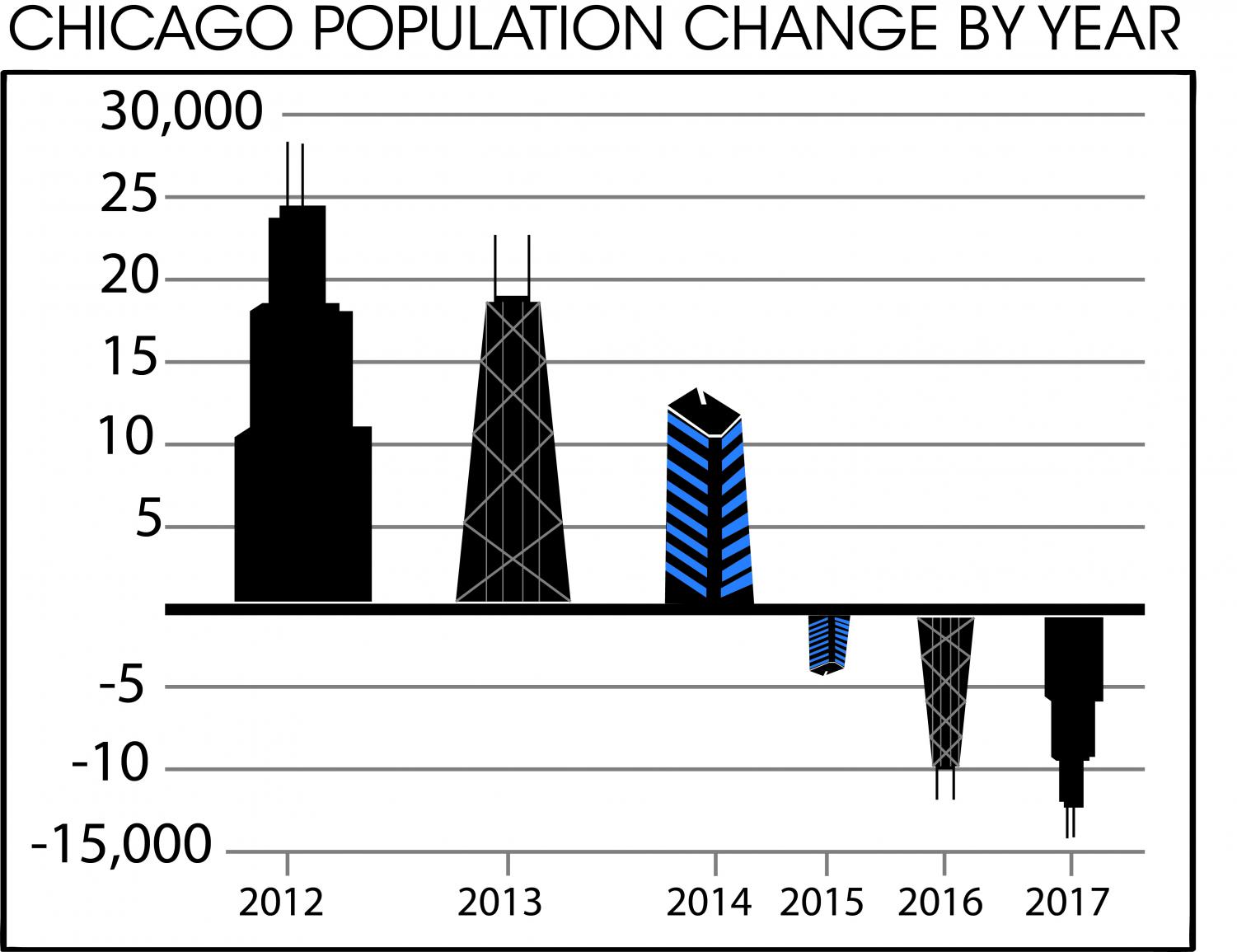
Chicago’s population history is a fascinating narrative of growth, industrialization, and urban transformation. From its humble beginnings as a trading post, it exploded in the 19th century, becoming a national railroad hub and a center for industry and commerce. Waves of immigrants contributed to its rapid expansion, shaping its diverse ethnic fabric that remains a defining characteristic today. While the city experienced some population decline in the mid-to-late 20th century, a trend common in many older industrial American cities, recent years have seen a stabilization and even modest growth, particularly in downtown and redeveloping neighborhoods.
This historical ebb and flow profoundly impact the city’s infrastructure, development, and appeal as a travel destination. Periods of decline often lead to urban renewal efforts, transforming old industrial areas into trendy districts with lofts, boutique hotels, and new culinary hotspots. The growth in recent decades, particularly among young professionals and families seeking urban living, reinforces Chicago’s position as a dynamic city constantly reinventing itself. For travelers, this means a blend of historic charm and cutting-edge modernity, where classic architectural landmarks stand alongside contemporary art installations and innovative dining experiences. The future outlook points to continued adaptation and evolution, ensuring Chicago remains a compelling destination for diverse travel styles and interests.

The Population’s Pulse: Driving Chicago’s Tourism and Travel Appeal
The millions of people who inhabit Chicago are not just a number; they are the lifeblood that fuels its vibrant tourism industry and diverse travel landscape. Their varied backgrounds, preferences, and needs create a rich ecosystem of attractions, services, and experiences designed to cater to a global audience.
A Hub of Diverse Cultures and Culinary Delights
One of the most immediate impacts of Chicago’s large and diverse population is its incredibly rich cultural tapestry. The city is a melting pot of ethnicities and traditions, reflected in its distinct neighborhoods, each offering a unique glimpse into the world. From the historic Polish enclaves to the vibrant Mexican communities of Pilsen and Little Village, the cultural richness is palpable. This diversity directly enhances the tourism experience, allowing visitors to explore a variety of local cultures without ever leaving the city.
Nowhere is this more evident than in Chicago’s legendary food scene. The massive population supports an incredible array of dining options, from Michelin-starred establishments to beloved neighborhood eateries. The city is, of course, famous for its iconic Deep-Dish Pizza and Italian Beef sandwiches, but the culinary landscape extends far beyond these staples. Immigrant communities have brought their authentic flavors, leading to a proliferation of incredible ethnic restaurants that delight foodies. Travelers focused on culinary experiences will find endless opportunities to explore different cuisines, reflecting the city’s global population. This demand, driven by millions of residents and visitors, ensures a thriving, competitive, and constantly evolving gastronomic scene, a major draw for any travel itinerary.
Accommodation for Every Traveler: From Boutique to Grand Resorts
With a population of 2.7 million within the city and 9.5 million in the greater metropolitan area, the demand for accommodation in Chicago is consistently high, leading to an incredibly diverse and sophisticated hotel market. This abundance ensures that every type of traveler, regardless of their budget or preferred lifestyle, can find suitable lodging.
For those seeking luxury travel experiences, Chicago boasts an impressive collection of five-star hotels and resorts. Properties like The Peninsula Chicago, The Langham Chicago, Waldorf Astoria Chicago, and Four Seasons Chicago offer unparalleled service, exquisite amenities, and prime locations, often along the famous Magnificent Mile or in the chic River North district. These establishments cater to business stays, romantic getaways, and discerning tourists looking for an opulent experience.
Mid-range and boutique hotels also thrive, offering stylish yet more accessible options. Brands like Thompson Chicago, Virgin Hotels Chicago, or various properties within the Marriott and Hilton portfolios provide excellent amenities, comfortable stays, and unique character, appealing to a broad spectrum of travelers. For budget-conscious visitors, numerous hostels, economy hotels, and guesthouses are available, especially in neighborhoods slightly removed from the immediate downtown core, proving that a memorable Chicago experience doesn’t have to break the bank.
Furthermore, the large population and robust tourism industry have spurred growth in alternative accommodation options. Serviced apartments and villas are increasingly popular for long-term stays, family trips, or groups seeking more space and home-like conveniences. Websites offering vacation rentals also provide a plethora of choices, allowing visitors to immerse themselves in local neighborhoods and experience a different side of the Chicago lifestyle. The constant influx of residents and visitors drives innovation and competition in the accommodation sector, ensuring high standards and a wide array of choices for booking, reviews, and comparison.
Iconic Landmarks and Lifestyle: Shaped by Millions
The very existence and grandeur of Chicago’s iconic landmarks are intrinsically linked to its population size and the economic power it generates. These architectural marvels, cultural institutions, and green spaces serve the millions who live, work, and visit the city, shaping the distinct Chicago lifestyle.
Architectural Marvels and Green Spaces
Chicago’s skyline is globally recognized, a testament to its pioneering role in modern architecture. The city’s dense population and commercial vibrancy fueled the need for towering structures, leading to the creation of masterpieces like the Willis Tower (formerly Sears Tower), the John Hancock Center, and countless other celebrated buildings. These landmarks are not just aesthetic achievements; they are functional spaces that house businesses, residences, and attract millions of tourists annually. The density of the population means that these structures are constantly utilized, generating the revenue and interest needed for their maintenance and preservation. Architecture tours, a major draw for visitors, are direct beneficiaries of this urban development.
Beyond the steel and glass, Chicago’s large population also demands extensive green spaces for recreation and respite. Millennium Park, home to the famous Cloud Gate sculpture (the “Bean”), and Grant Park (often called “Chicago’s front yard”) are prime examples. These parks are not merely tourist attractions; they are vital urban oases that cater to the lifestyle needs of millions of residents, providing venues for outdoor concerts, art installations, and everyday leisure. Similarly, the Lincoln Park Zoo, one of the oldest zoos in the United States and free to the public, serves both the local community and visitors, demonstrating how population demands drive the creation and sustenance of public amenities.
Furthermore, the city’s array of world-class museums – including the Art Institute of Chicago, the Field Museum, Shedd Aquarium, Adler Planetarium, and the Museum of Science and Industry – thrive due to the large intellectual and cultural appetite of its populace. These institutions provide rich educational and entertainment experiences, attracting millions of visitors annually and solidifying Chicago’s reputation as a cultural powerhouse. The constant flow of residents and tourists ensures these landmarks and attractions remain vibrant, well-funded, and continuously evolving.
The Chicago Lifestyle: A Mosaic of Experiences
The extensive population of Chicago fosters a diverse range of lifestyles, which in turn creates a rich array of experiences for travelers. Whether one seeks the hustle and bustle of city life, the tranquility of lakeside living, or the unique charm of historic neighborhoods, Chicago delivers. The sheer volume of people supports a robust economy that encourages a vibrant arts scene, world-class shopping along the Magnificent Mile, and an unparalleled nightlife.
For those planning family trips, the city offers countless child-friendly activities, from Navy Pier’s attractions to interactive museum exhibits. Business travelers benefit from the city’s status as a global financial and convention hub, with top-tier hotels and meeting facilities catering to their specific needs. Budget travelers find ample opportunities to enjoy Chicago’s free attractions and affordable dining, while luxury travelers can indulge in high-end shopping, gourmet dining, and exclusive experiences. This ability to cater to such a wide spectrum of lifestyles is a direct result of the city’s large and multifaceted population. The various neighborhoods, each with its distinct character, allow residents to choose a lifestyle that suits them, and visitors to sample different facets of Chicago life. From the historic brownstones of Gold Coast to the artistic flair of Wicker Park and the industrial chic of the West Loop, each area reflects a different slice of Chicago’s vibrant urban existence.
In essence, the population of Chicago is more than just a number on a census report; it is the driving force behind its identity as a premier travel destination. The millions of residents create the demand, the diversity, and the economic engine that fuel the city’s world-class hotels, its celebrated culinary scene, its iconic landmarks, and its kaleidoscope of lifestyle offerings. It is this vast human element that transforms a geographical location into a truly unforgettable experience for every traveler.
LifeOutOfTheBox is a participant in the Amazon Services LLC Associates Program, an affiliate advertising program designed to provide a means for sites to earn advertising fees by advertising and linking to Amazon.com. Amazon, the Amazon logo, AmazonSupply, and the AmazonSupply logo are trademarks of Amazon.com, Inc. or its affiliates. As an Amazon Associate we earn affiliate commissions from qualifying purchases.