
Hawaii, a state renowned for its breathtaking natural beauty, vibrant culture, and world-class tourist destinations, consistently draws millions of visitors each year. From the iconic shores of Waikiki Beach to the dramatic cliffs of the Na Pali Coast, the Aloha State offers an unparalleled experience for travelers. But beyond the captivating landscapes and the allure of luxurious resorts like the Four Seasons Resort Maui at Wailea or the Grand Hyatt Kauai Resort & Spa, a fundamental question often arises for those planning a visit or even considering a longer stay: what is the population of Hawaii? Understanding the demographic makeup of these islands provides crucial context for experiencing them, influencing everything from the availability of accommodation to the local atmosphere and the preservation of its unique heritage.
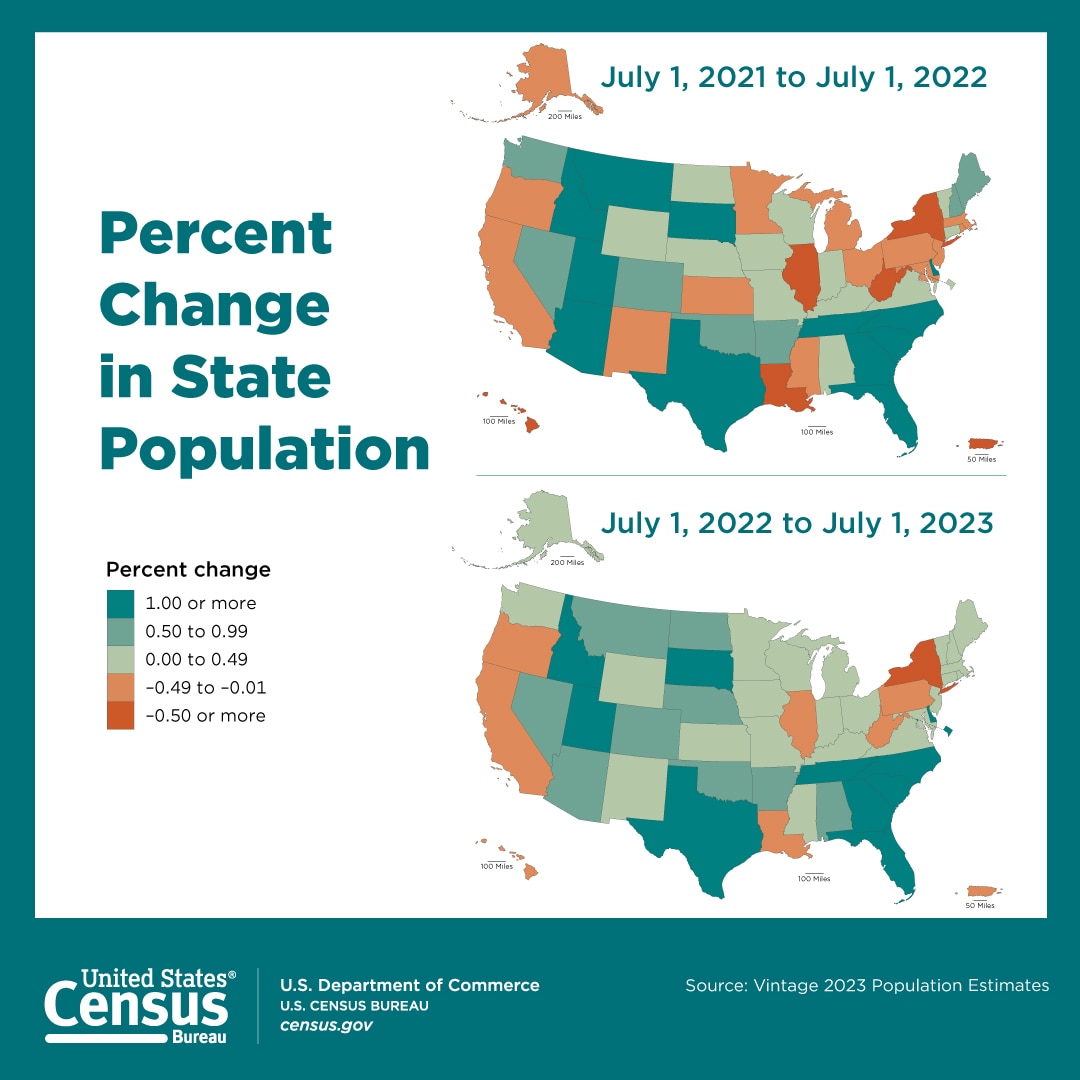
This exploration delves into the population of Hawaii, examining its current numbers, historical trends, and how these figures interrelate with the state’s prominent tourism industry, its diverse lifestyle offerings, and its cherished landmarks. Whether you’re a seasoned traveler planning your next escape or a curious individual drawn to the magic of the Pacific, grasping Hawaii’s population is key to appreciating its intricate tapestry.
The People of Paradise: Understanding Hawaii’s Population
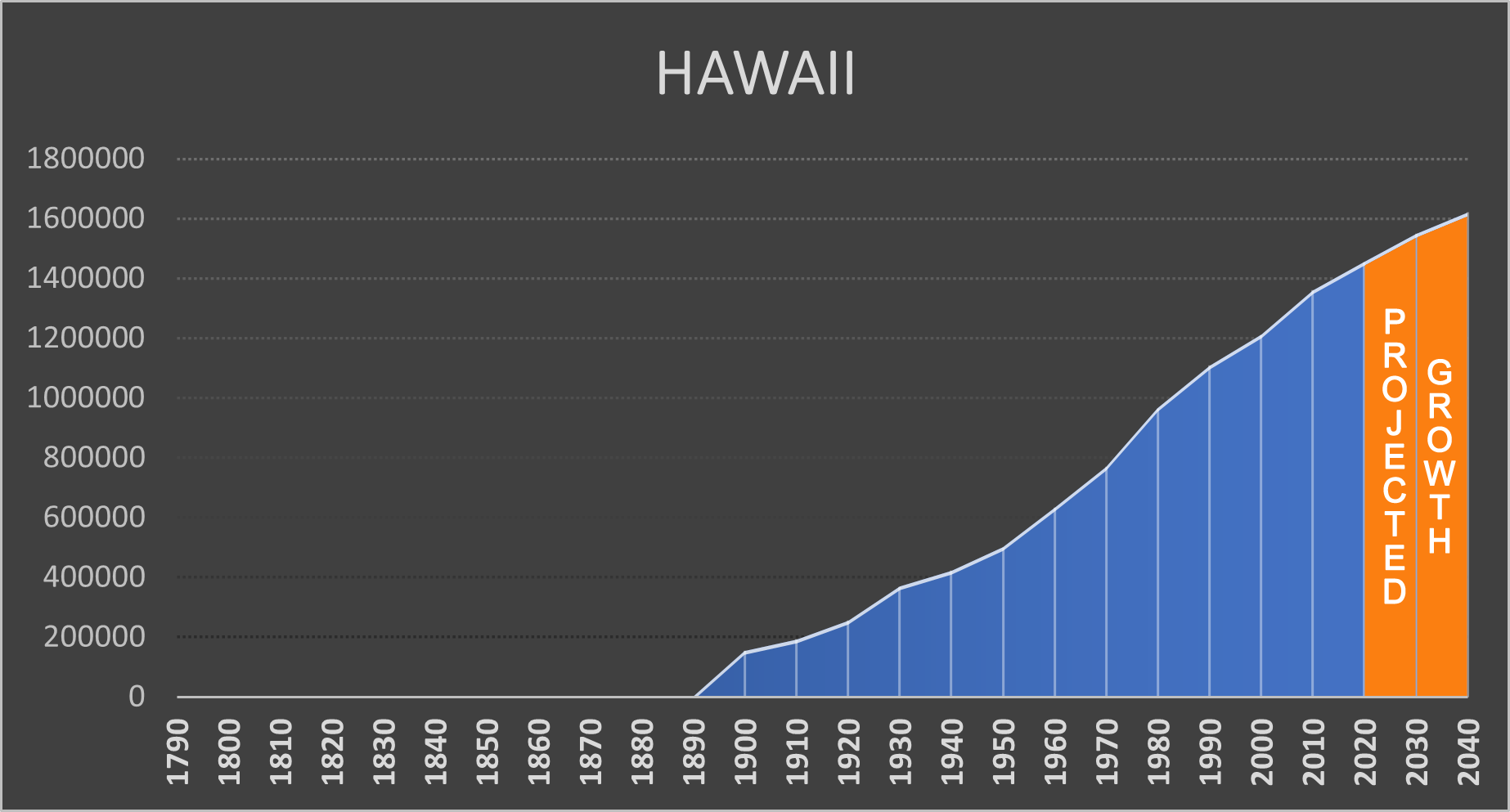
The population of Hawaii is a dynamic entity, shaped by a complex history of migration, indigenous heritage, and continuous influxes of new residents and visitors. As of recent estimates, Hawaii’s population hovers around the 1.4 million mark. This figure, while seemingly modest for a U.S. state, represents a dense concentration of people within a relatively small landmass spread across several islands. The most populous island is Oahu, home to the state capital, Honolulu, and a significant portion of its residents. This concentration on Oahu means that areas like Honolulu and its surrounding districts experience a much higher population density than the other islands, such as Maui, Hawaii Island (the Big Island), Kauai, and the smaller islands of Lanai and Molokai.
Population Distribution Across the Islands
The distribution of Hawaii’s population is far from uniform, with a clear bias towards Oahu. This island, often referred to as “The Gathering Place,” hosts roughly two-thirds of the state’s total population. Honolulu, the bustling capital city, is the urban heart of Hawaii, featuring a diverse mix of residents, businesses, and a significant military presence. Beyond Oahu, Maui is the second most populous island, attracting a substantial number of residents and a massive influx of tourists, contributing to its vibrant economy and developed tourism infrastructure. Hawaii Island, also known as the Big Island, possesses the largest land area but a smaller population compared to Maui, with significant population centers like Kailua-Kona and Hilo. Kauai, the “Garden Isle,” is less populated, offering a more serene and nature-focused lifestyle. The islands of Lanai and Molokai are the least populated, retaining a more traditional and less developed character.
This uneven distribution has a direct impact on the visitor experience. Planning a trip to Kauai will likely involve a different pace and atmosphere than a stay in Waikiki. Accommodation availability, dining options, and the intensity of attractions can all be influenced by the local population density. For instance, booking a suite at the Halekulani Hotel in Waikiki during peak season requires advance planning due to the high demand driven by both resident and tourist populations. Similarly, exploring the natural wonders like Volcanoes National Park on Hawaii Island offers a different crowd dynamic than visiting the Pearl Harbor National Memorial on Oahu.
Historical Population Trends and Influences
The demographic landscape of Hawaii has been shaped by centuries of history, beginning with the original Polynesian settlers and evolving through periods of foreign contact, colonization, and statehood. The indigenous Hawaiian population faced significant decline following the arrival of European explorers due to introduced diseases. However, a resurgence in Hawaiian cultural identity and a growing awareness of its importance have led to a renewed appreciation and focus on preserving the heritage of the Native Hawaiians.
Later, waves of immigration from countries such as China, Japan, the Philippines, and Korea, driven by the demands of the sugar and pineapple plantations, created the multicultural mosaic that defines Hawaii today. This rich heritage is evident in the diverse cuisine, religious practices, and community traditions found across the islands. More recently, Hawaii has experienced a steady increase in population due to its desirability as a place to live and visit, alongside a significant military presence, particularly on Oahu. This blend of ancestral roots and continuous migration makes Hawaii’s population one of the most diverse in the United States.
Tourism: A Double-Edged Sword for Hawaii’s Population
The economic engine of Hawaii is undeniably tourism. Millions of visitors flock to the islands annually, seeking to experience its unique blend of natural beauty, adventure, and relaxation. This constant flow of people significantly impacts the perception and reality of Hawaii’s population. While the official resident population might be around 1.4 million, the presence of tourists, especially during peak seasons, can make certain areas feel considerably more crowded. Destinations like Maui, with its popular resorts such as the Hyatt Regency Maui Resort and Spa, and the vibrant streets of Honolulu, often see their de facto population swell.
The Impact of Tourism on Local Life
The influx of tourists influences various aspects of life in Hawaii, from the cost of living to the availability of resources and the preservation of local culture. While tourism provides much-needed jobs and economic opportunities, it also presents challenges. The demand for accommodation, including hotels, resorts, and vacation rentals, drives up prices for both visitors and residents. This can make long-term stays and property ownership difficult for those who were born and raised in Hawaii.
The sheer volume of visitors also puts a strain on the natural environment, a precious resource that is central to Hawaii’s appeal. Efforts are continuously underway to manage the impact of tourism and promote sustainable practices, encouraging visitors to be mindful of their footprint. This includes respecting local customs, reducing waste, and supporting local businesses. For example, visitors exploring the historic Iolani Palace are often encouraged to learn about Hawaiian history and etiquette, fostering a deeper connection to the place.
Balancing Visitor Experience with Resident Well-being
A key challenge for Hawaii is finding a balance between its thriving tourism industry and the well-being of its resident population. This involves careful planning and policy-making to ensure that the islands remain a sustainable and enjoyable place to live for those who call it home, as well as an enriching destination for visitors. Strategies include managing visitor numbers in sensitive ecological areas, investing in infrastructure to support both residents and tourists, and promoting a deeper understanding of Hawaiian culture among visitors.
For travelers interested in experiencing the authentic Hawaii, seeking out less crowded attractions, engaging with local communities, and opting for accommodations that are integrated within local neighborhoods can offer a more meaningful connection. This could involve staying in a charming apartment in a residential area rather than a large resort, or exploring local markets and eateries away from the main tourist hubs. The aim is to contribute positively to the local economy and culture, rather than solely extracting from it.
Lifestyle and Demographics: Who Lives in Hawaii?
The people who live in Hawaii represent a diverse cross-section of backgrounds, reflecting the islands’ unique history and continued appeal. The lifestyle in Hawaii is often associated with outdoor activities, a strong connection to nature, and a relaxed pace of life, though this can vary significantly between the bustling urban environment of Honolulu and the more tranquil outer islands.
A Melting Pot of Cultures
As previously mentioned, Hawaii’s population is a vibrant tapestry of ethnicities. Native Hawaiians, descendants of Asian immigrants, individuals of European descent, and people with mixed heritage all contribute to the islands’ unique cultural fabric. This diversity is reflected in the arts, music, language, and everyday interactions. The influence of Japanese culture, for instance, is evident in many aspects of daily life, from cuisine to festivals. Similarly, Filipino traditions and food are integral to the community. This multiculturalism is a significant aspect of the Hawaiian lifestyle, offering residents and visitors alike a rich and varied cultural experience.
Housing and Accommodation Trends
The demand for housing in Hawaii is high, driven by its desirability and limited land availability. This impacts accommodation trends for both residents and visitors. While large-scale resorts like the Hyatt Centric Waikiki Beach and luxury villas cater to tourists seeking comfort and amenities, there’s also a growing interest in more immersive experiences. This includes boutique hotels, charming bed and breakfasts, and vacation rentals that allow visitors to experience a neighborhood feel. For those considering longer stays, serviced apartments or properties in quieter towns can offer a more integrated lifestyle. The cost of living, particularly housing, is a significant consideration for anyone planning to reside in Hawaii for an extended period, and this is influenced by the overall demand, including that generated by the robust tourism sector.
Iconic Landmarks and Their Relation to Population Dynamics
Hawaii’s iconic landmarks are not just tourist magnets; they are also deeply intertwined with the islands’ population and cultural heritage. From the historical significance of Pearl Harbor to the natural grandeur of Haleakala National Park, these sites offer insights into the past, present, and future of Hawaii.
Natural Wonders and Their Preservation
The breathtaking natural landscapes of Hawaii, such as the volcanic craters of Hawaii Volcanoes National Park and the lush rainforests of the Waimoku Falls, are central to the state’s identity. The population of Hawaii grapples with the responsibility of preserving these natural treasures for future generations while also managing the impact of millions of visitors. The delicate ecosystems are vulnerable, and conservation efforts are paramount. Visitors are encouraged to tread lightly, respect designated trails, and be mindful of the environmental impact of their presence. Understanding the population density in and around these natural attractions is crucial for appreciating the conservation challenges faced by the state.

Historical Sites and Cultural Heritage
Historical landmarks like the Iolani Palace, the only royal palace in the United States, and the Pu’uhonua o Honaunau National Historical Park, a sacred place of refuge, offer a window into Hawaii’s rich past. These sites are not merely tourist attractions; they are vital centers for preserving and celebrating Hawaiian culture and history. The ongoing efforts to educate both residents and visitors about the significance of these places play a crucial role in fostering respect and understanding. The population dynamics around these sites can influence the visitor experience, with efforts often made to manage crowds during peak times to ensure a more contemplative and respectful engagement with history.
In conclusion, the question of “What’s The Population Of Hawaii?” opens a dialogue that extends far beyond simple numbers. It encompasses the vibrant multicultural fabric of its residents, the profound impact of its thriving tourism industry, and the delicate balance required to preserve its unparalleled natural beauty and rich cultural heritage. Whether you are planning a luxurious resort stay, a budget-friendly adventure, or dreaming of a long-term relocation, understanding these interconnected factors will undoubtedly enrich your appreciation for the Aloha State.