
When one thinks of Florida, a tapestry of vibrant imagery often comes to mind: sun-drenched beaches, the bustling theme parks of Orlando, the historic charm of St. Augustine, and the unique ecosystems of the Everglades. While these iconic attractions draw millions of visitors annually, the Sunshine State’s identity is also subtly, yet profoundly, shaped by its natural inhabitants. Among these, a particular avian resident holds a special place, representing the spirit and beauty of Florida. This article delves into the question of “What’s the State Bird of [Florida]?”, exploring its significance, characteristics, and the reasons behind its designation.

The Majestic Northern Mockingbird: Florida’s Avian Emblem
The official state bird of Florida is the Northern Mockingbird (Mimus polyglottos). This choice is not merely arbitrary; it reflects a bird that is ubiquitous throughout the state, adaptable, and possesses remarkable qualities that resonate with Florida’s diverse landscapes and its welcoming spirit.
Identification and Characteristics
The Northern Mockingbird is a medium-sized songbird, easily recognizable by its slender build, long tail, and gray and white plumage. Adult mockingbirds typically measure around 10 inches in length, with a wingspan of about 13 inches. Their backs are a dusky gray, contrasting with their paler underparts and prominent white outer tail feathers, which are especially noticeable in flight. They possess a slender, black bill and bright, piercing yellow eyes that give them an alert and intelligent appearance.
One of the most captivating features of the Northern Mockingbird is its vocal prowess. As its name suggests, the mockingbird is renowned for its extraordinary ability to mimic the songs of other birds, as well as non-avian sounds such as car alarms, insect chirps, and even human speech. This remarkable talent is not limited to mere imitation; mockingbirds often combine and rearrange these sounds into complex and elaborate sequences, creating a symphony that can be heard throughout Florida’s gardens, parks, and natural areas. Their song is a continuous performance, often delivered from prominent perches like treetops, utility wires, or rooftops, especially during the breeding season. Males are known to sing prolifically, both day and night, to defend their territory and attract mates.
Habitat and Distribution in Florida
The Northern Mockingbird is a year-round resident of Florida, found in a wide variety of habitats. They are highly adaptable and thrive in both urban and rural environments. You can spot them in suburban backyards, city parks, agricultural areas, along roadsides, and in natural scrublands and pine forests. Their presence is a constant fixture across the state, from the panhandle cities like Tallahassee to the southern tip of Miami. This widespread distribution makes them a familiar sight and sound for residents and visitors alike, solidifying their connection to the state’s identity.
Their adaptability to human-altered landscapes is a key factor in their success. Mockingbirds are often seen foraging on the ground for insects and berries, making them a common sight in manicured lawns and gardens. They also readily utilize trees and shrubs for nesting and roosting, further integrating them into the fabric of Florida’s developed areas.
The Process of Designation and Symbolism
The journey of a creature becoming a state symbol is often a reflection of its cultural significance and presence within the state. The Northern Mockingbird’s path to becoming Florida’s state bird is a testament to its enduring appeal.
Legislative Recognition
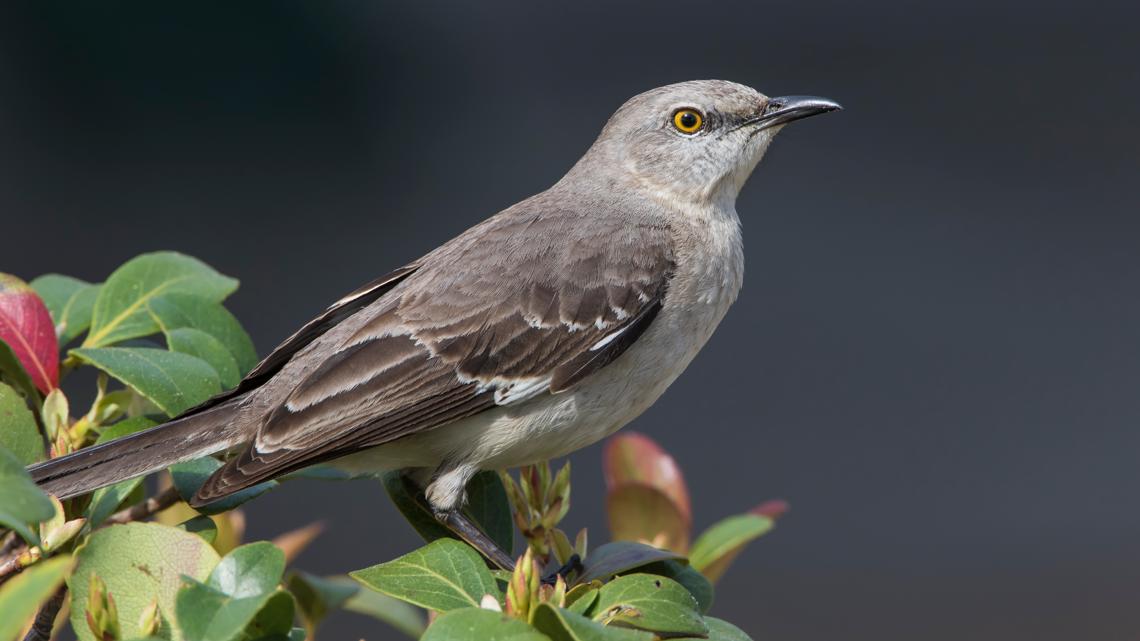
The Northern Mockingbird was officially designated the state bird of Florida on February 9, 1927. This legislative act formally recognized the bird’s prominence and sentimental value to the state’s residents. Prior to this official designation, the bird was already widely regarded as a symbol of Florida due to its commonality and its captivating song. The process likely involved advocacy from citizens, birdwatching groups, and potentially educational institutions that highlighted the bird’s attributes and its place in the state’s natural heritage.
The selection criteria for state birds often include distinctiveness, widespread distribution, and a positive association with the state. The Northern Mockingbird checks all these boxes for Florida, embodying a sense of resilience, adaptability, and vibrant character that aligns with the state’s own spirit.
Symbolism and Cultural Significance
Beyond its biological attributes, the Northern Mockingbird carries symbolic weight for Florida. Its remarkable mimicry can be seen as a metaphor for Florida’s diverse cultural tapestry, a place where influences from various backgrounds blend and create something unique. The bird’s constant song, often heard at dawn and dusk, can represent the enduring spirit and lively atmosphere of the state.
Furthermore, the mockingbird’s intelligence and its ability to learn and adapt speak to the innovative and forward-thinking nature of Florida. It is a symbol of nature’s artistry, reminding us of the beauty that surrounds us even in developed areas. Its presence serves as a constant, melodic reminder of the natural world that forms an integral part of the Florida experience, a backdrop to the adventures one might have in places like Walt Disney World or the serene exploration of Biscayne National Park.
Experiencing the Northern Mockingbird in Florida
For those visiting or residing in Florida, encountering the Northern Mockingbird is a simple yet rewarding experience that adds depth to the understanding of the state’s natural identity.
Birdwatching Opportunities
Birdwatching enthusiasts will find ample opportunities to observe the Northern Mockingbird across Florida. Its presence in various habitats means that you don’t need to venture far into remote wilderness to catch a glimpse. State parks, local city parks, botanical gardens like the Naples Botanical Garden, and even quiet residential streets offer excellent viewing locations.
The best times to observe their active behavior, particularly their singing, are during the early morning and late afternoon hours. Listening for their distinctive, complex songs is often the first clue to their presence. Bringing a pair of binoculars can enhance the experience, allowing for closer observation of their plumage and behavior without disturbing them. For a more immersive natural experience, consider visiting areas like the Corkscrew Swamp Sanctuary or the Ding Darling National Wildlife Refuge, where a rich diversity of avian life, including the Northern Mockingbird, can be found.
Beyond the Bird: Appreciating Florida’s Avifauna
While the Northern Mockingbird is the official state bird, Florida’s skies and waterways teem with an incredible variety of other bird species. Recognizing the Northern Mockingbird can serve as an introduction to the broader avian richness of the state.
From the majestic wading birds like the Great Blue Heron and the flamboyant Roseate Spoonbill found in coastal marshes, to the diverse waterfowl on lakes and rivers, and the myriad of migratory songbirds that pass through during cooler months, Florida is a birdwatcher’s paradise. Exploring the varied ecosystems, from the Florida Keys to the panhandle, reveals a stunning array of feathered inhabitants. Engaging with the Northern Mockingbird, the state’s beloved emblem, encourages a deeper appreciation for all the avian wonders that contribute to Florida’s unique natural character. This connection between its official symbols and its diverse wildlife enriches the understanding and enjoyment of the Sunshine State.