
The vast, diverse landscapes of Texas offer a compelling canvas for both nature lovers and intrepid travelers. From the rugged beauty of the Big Bend National Park to the vibrant culture of Austin and the historical significance of San Antonio, the Lone Star State is a treasure trove of experiences. But beyond the iconic vistas and bustling cities, Texas holds a special place in its heart for a particular feathered resident. When one delves into the unique identity of Texas, exploring its rich history, its abundant natural wonders, and the charm of its local culture, a question naturally arises: what is the state bird of Texas?
This seemingly simple inquiry opens a door to understanding a deeper connection between the state’s identity and its natural heritage. Birds, often overlooked in the grandeur of mountains and the sprawl of metropolises, play a vital role in ecosystems and often serve as powerful symbols of a region’s spirit. The choice of a state bird is rarely arbitrary; it usually reflects characteristics that are admired and representative of the state’s people or its environment. For Texas, this choice is no exception, embodying resilience, beauty, and a certain untamed spirit that resonates deeply with the Texan identity.
The Majestic Northern Mockingbird: A Symbol of Texas
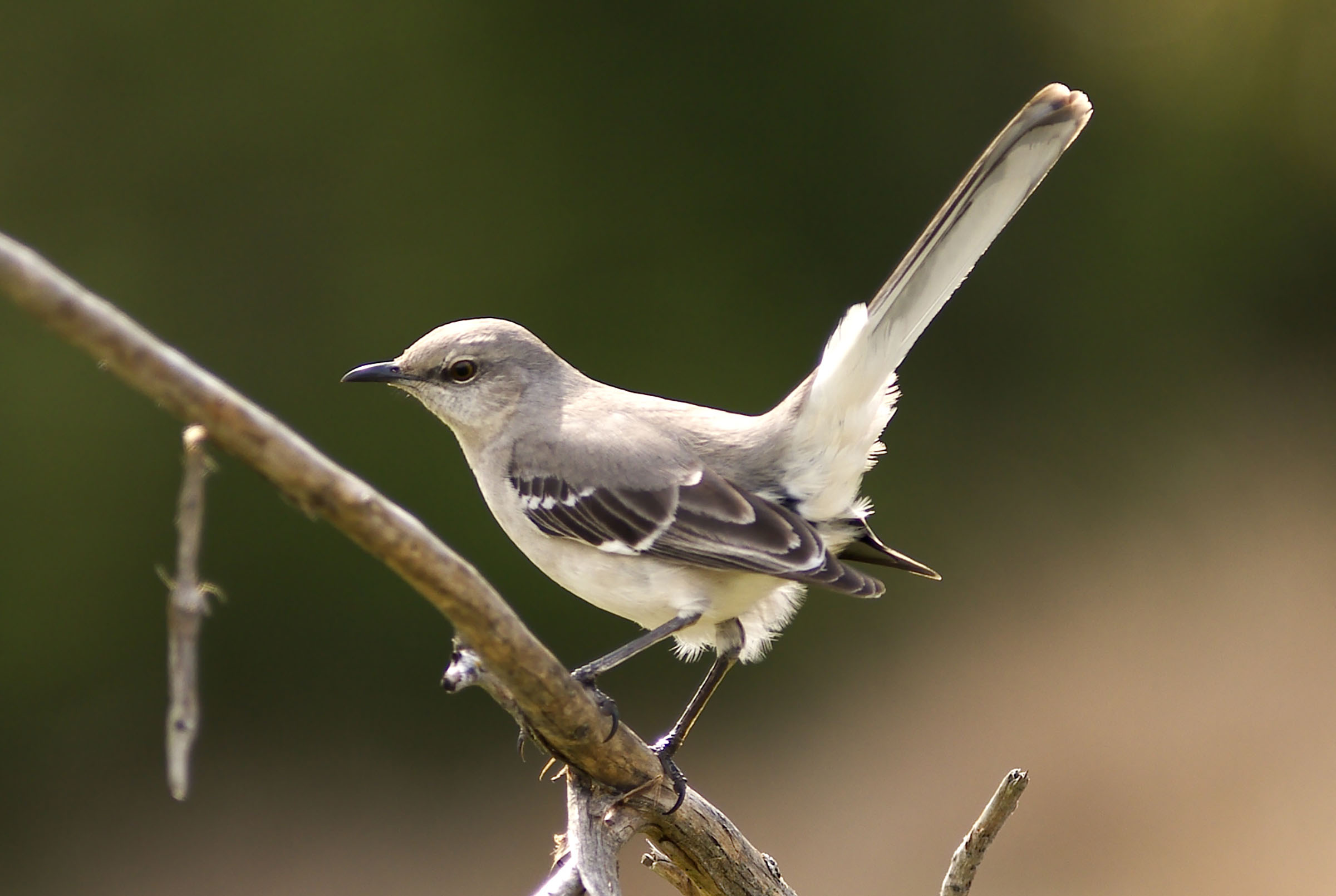
The answer to the question “What’s the state bird of Texas?” is the Northern Mockingbird (Mimus polyglottos). This decision wasn’t made in haste; it was officially designated as the state bird of Texas on March 14, 1927. The Northern Mockingbird was chosen for several compelling reasons, each reflecting qualities that are intrinsically linked to the spirit and natural heritage of Texas.
The Northern Mockingbird is renowned for its exceptional vocal abilities. It is a master mimic, capable of learning and reproducing a vast array of sounds, from the songs of other birds to the chirps of insects, the calls of amphibians, and even the mechanical noises of human environments. This remarkable talent for imitation is not just a curiosity; it symbolizes adaptability and intelligence. In Texas, a state that has historically adapted to diverse challenges and fostered innovation, this characteristic of the Northern Mockingbird holds significant resonance. Its ability to vocally articulate a diverse repertoire can be seen as a parallel to the multifaceted culture and varied landscapes of Texas, where different influences and environments converge.
Appearance and Habitat: A Familiar Sight Across the Lone Star State
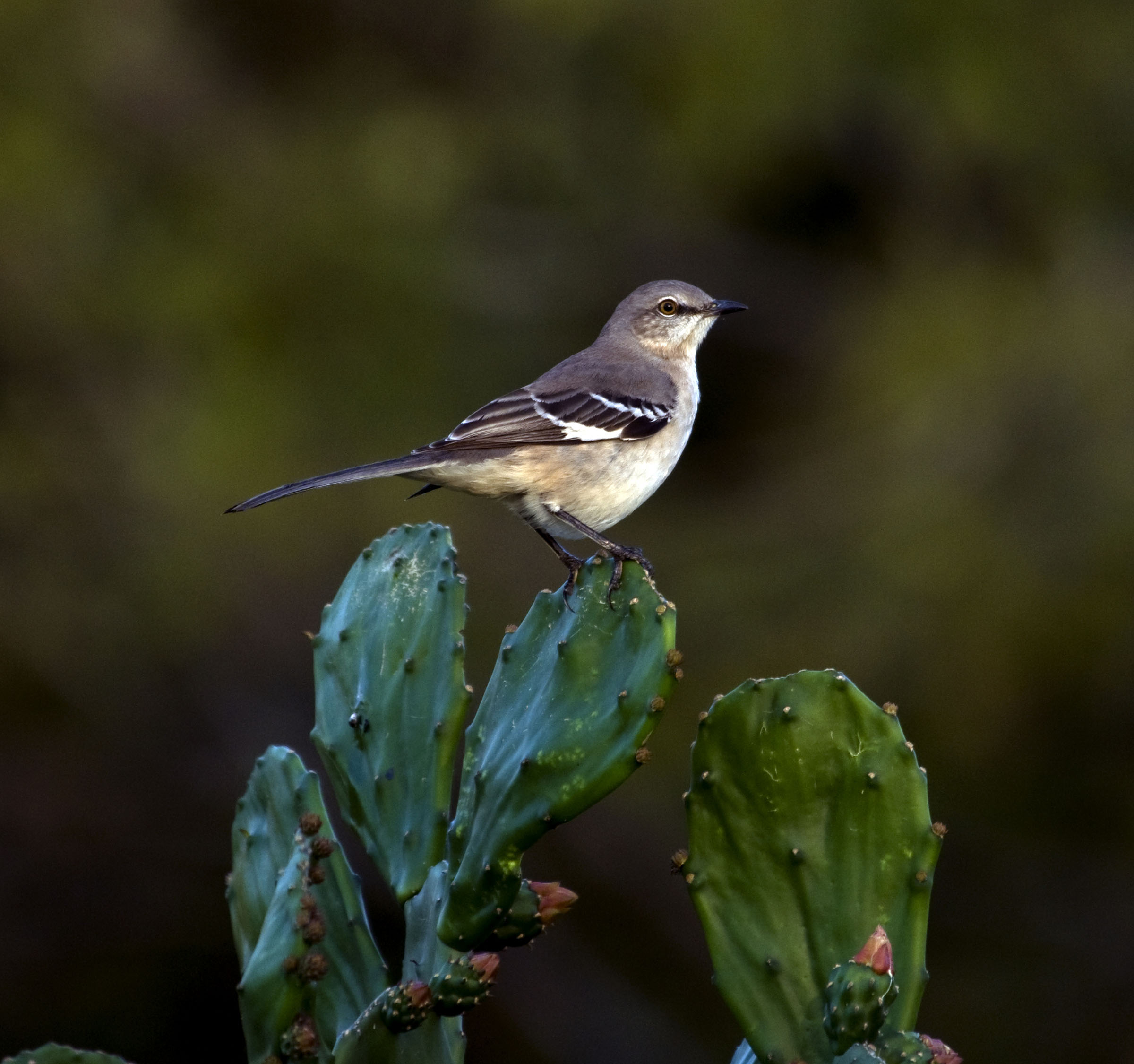
The Northern Mockingbird is a medium-sized songbird, easily recognizable by its slender build, long tail, and distinctive gray plumage. Its underside is lighter, often appearing whitish, and it possesses a striking white eye and a dark beak. During flight, the Northern Mockingbird flashes prominent white patches on its wings and tail, a beautiful display against the Texan sky. This visual characteristic makes them a common and welcome sight across the state, contributing to their familiarity and affection among Texans.
These adaptable birds are not confined to specific remote wilderness areas; they thrive in a variety of habitats, from open woodlands and grasslands to suburban gardens and city parks. This ubiquity across Texas, from the arid West Texas to the piney woods of East Texas, and from the sprawling ranches to the urban centers like Houston and Dallas, makes the Northern Mockingbird a truly representative species. Their presence in both rural and urban settings mirrors the blend of natural beauty and human development that defines Texas. They are often seen perched on fences, trees, or even the eaves of buildings, their characteristic tail-cocking a familiar sight.
Behavior and Significance: More Than Just a Song
The Northern Mockingbird is also known for its bold and territorial nature. During the breeding season, males are particularly vocal and will actively defend their territory, often engaging in impressive aerial displays and vocal challenges to deter rivals. This tenacious spirit, this refusal to back down, is a trait that many Texans admire and associate with their own resilient character. The Northern Mockingbird embodies a spirit of independence and a willingness to stand its ground, qualities deeply ingrained in the Texas ethos.
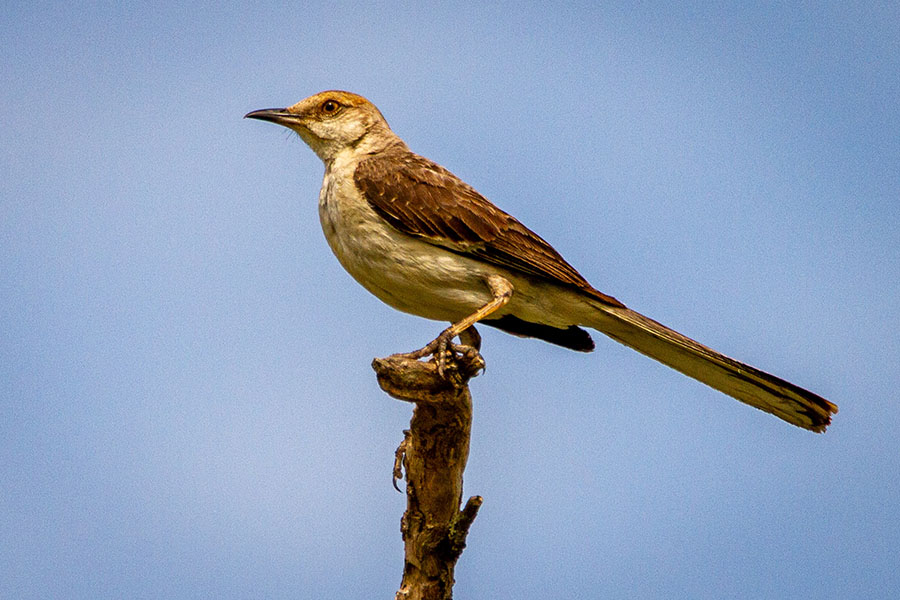
Beyond its mimicry and territorial defense, the Northern Mockingbird plays a crucial role in its ecosystem. As an omnivore, it feeds on insects, berries, and seeds, contributing to pest control and seed dispersal. This ecological function underscores the importance of even the seemingly smallest creatures in maintaining the health and balance of the natural world, a principle that is increasingly recognized as Texas focuses on conservation and environmental stewardship.
The choice of the Northern Mockingbird as the state bird also connects to the cultural landscape of Texas. Birdwatching is a popular pastime for many, offering a way to connect with nature and explore the diverse avian life that inhabits the state. From the migratory routes that pass through Texas, bringing a dazzling array of species, to the year-round residents, the state’s birdlife is a significant draw for nature enthusiasts and tourists alike. The Northern Mockingbird, being such a prominent and vocal resident, naturally captures the attention and admiration of many.
Exploring Texas Through its Avian Wonders
The designation of the Northern Mockingbird as the state bird serves as a delightful entry point into exploring the broader natural and cultural tapestry of Texas. For travelers and residents alike, understanding the state’s official symbols can enrich their experiences and deepen their appreciation for the region. Texas offers an astonishing diversity of landscapes, each supporting its own unique flora and fauna, and the Northern Mockingbird is just one of the many captivating species that call this state home.
Birdwatching Destinations in Texas
For those inspired by the Northern Mockingbird, Texas boasts numerous prime birdwatching locations. The Rio Grande Valley, in the southern part of the state, is a renowned hotspot for bird diversity, attracting both resident and migratory species from North America and Central America. Places like the Santa Ana National Wildlife Refuge and the Bentsen-Rio Grande Valley State Park offer incredible opportunities to spot a wide array of birds, including rare and exotic species.
Further north, the Texas Hill Country presents a different kind of avian landscape. While the Northern Mockingbird can be found here, this region is also a haven for many other songbirds, raptors, and waterfowl, particularly around the numerous rivers and lakes. Lost Maples State Natural Area is a popular destination for its scenic beauty and its diverse birdlife, especially during the fall migration.
For those interested in coastal birding, the Texas Coast, from Galveston to South Padre Island, is a critical flyway and nesting ground for countless migratory birds. High Island, a small community on the upper coast, becomes a focal point during spring migration, drawing birdwatchers from around the world to witness the spectacular arrival of warblers and other songbirds.
Beyond the Bird: Experiencing Texas Culture and Nature
The exploration of Texas‘s avian life can easily intertwine with other facets of the state’s appeal. After a morning of birdwatching, one might choose to explore a nearby historical site, such as the Alamo in San Antonio, to connect with the state’s rich past. Alternatively, a visit to a local Texas barbecue joint to savor the region’s famous cuisine, or a leisurely stroll through the vibrant arts district of Austin, can offer a taste of the state’s dynamic culture.
Many of the natural areas that are excellent for birding also offer fantastic opportunities for hiking, camping, and photography. Big Bend National Park, for instance, while famous for its dramatic desert landscapes, is also home to a surprising diversity of bird species, including several that are unique to the region. Staying in a comfortable lodge or a rustic cabin within or near these natural wonders can enhance the overall travel experience.
From the majestic Northern Mockingbird to the awe-inspiring landscapes of West Texas and the vibrant cultural hubs of East Texas, the Lone Star State offers an unforgettable journey for every kind of traveler. Whether you’re drawn by the state bird’s song, the call of the wild, or the allure of its rich history and modern attractions, Texas promises an experience that is as grand and diverse as its own magnificent territory.