
Planning a trip, whether for leisure, business, or a blend of both, always involves a crucial consideration: the weather. For those setting their sights on Fort Worth, Texas, understanding the local climate isn’t just a matter of curiosity; it’s a strategic move to ensure an enjoyable and comfortable experience. From packing the right attire to booking the ideal accommodation and scheduling activities, the temperature in Fort Worth plays a pivotal role in shaping your travel itinerary. This vibrant city, part of the sprawling Dallas-Fort Worth Metroplex, offers a distinctly Texan charm, blending its rich Western heritage with a thriving arts scene, diverse culinary landscape, and modern urban amenities. But what does the mercury usually read, and how does that impact your visit? Let’s dive into the annual temperature variations and discover how to make the most of your time in the “City of Cowboys and Culture,” no matter the season.

The climate in Fort Worth is classified as humid subtropical, characterized by hot summers and generally mild winters, with pleasant spring and autumn seasons acting as delightful transitions. This means visitors can expect distinct seasonal changes, each offering unique opportunities and considerations for exploration. Whether you’re planning to explore the historic Stockyards National Historic District, immerse yourself in the world-class museums of the Cultural District, or enjoy a stroll through Sundance Square, knowing what to expect from the weather will undoubtedly enhance your journey.
Understanding Fort Worth’s Climate: A Four-Season Overview
Fort Worth experiences a full range of seasons, each with its own average temperatures and atmospheric personality. Understanding these patterns is key to crafting an unforgettable travel experience, from selecting the right resort with the best amenities to choosing activities that align with the forecast.
Spring: Mild Breezes and Blooming Beauty (March – May)
Spring in Fort Worth is often considered one of the most pleasant times to visit. The air is typically crisp, and the landscape comes alive with vibrant blooms, particularly in places like the Fort Worth Botanic Garden.
- Temperatures: Average daily temperatures range from the low 50s°F (10-12°C) in early March, steadily climbing to the high 70s°F (24-26°C) by late May. Nighttime lows can still be cool, especially in March and early April, sometimes dipping into the 40s°F (4-7°C). By May, evenings become comfortably warm, often staying above 60°F (15°C).
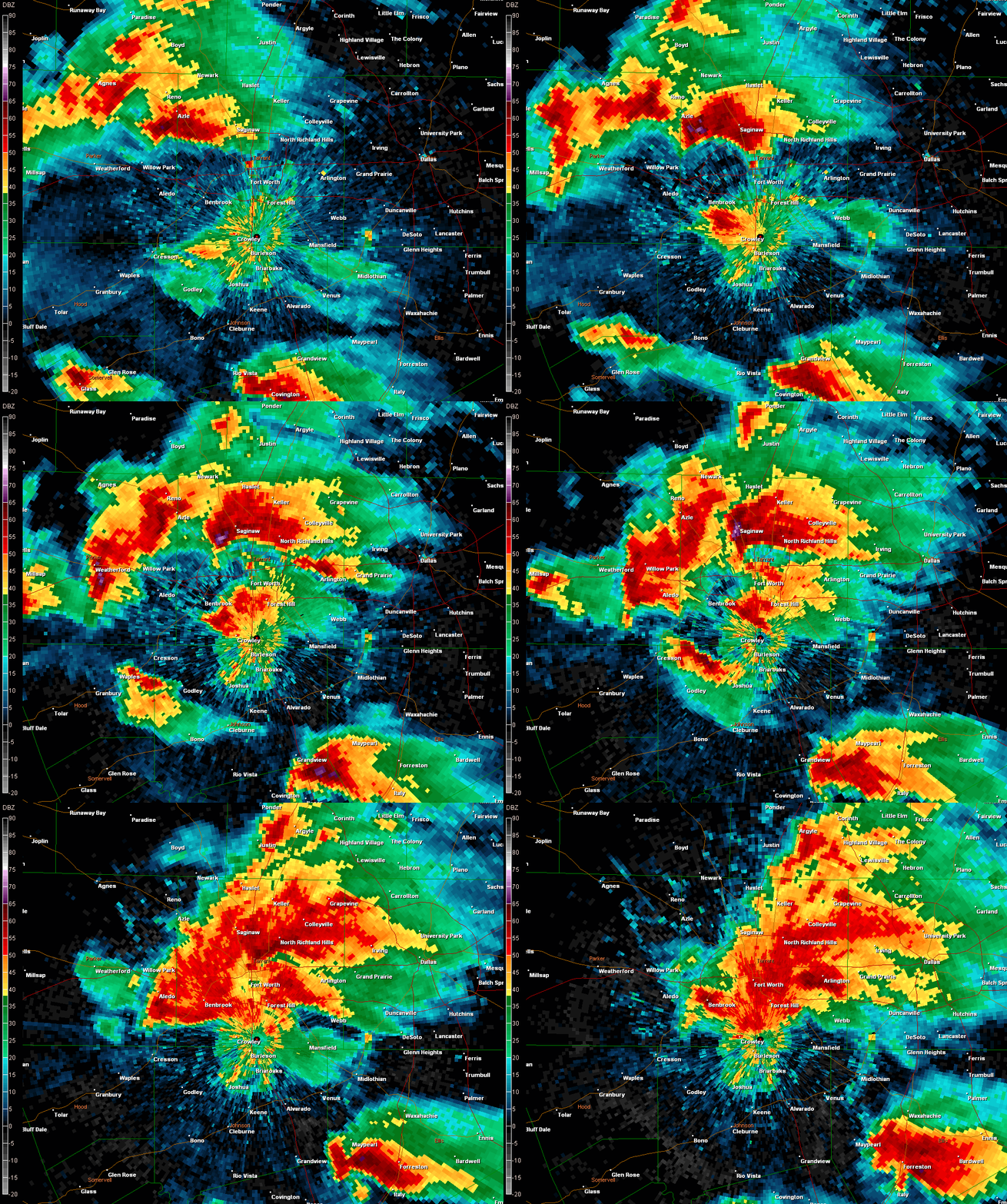
- Weather Characteristics: Expect a mix of sunny days and occasional thunderstorms, which can be quite dramatic but usually brief. Humidity levels are generally moderate, making outdoor activities highly enjoyable. This season also brings a higher chance of severe weather, including hail and tornadoes, though these are relatively rare events.
- Travel and Tourism Impact: This is prime time for outdoor exploration. Stroll along the Trinity Trails, enjoy the morning cattle drive at the Stockyards National Historic District, or spend an afternoon at the Fort Worth Zoo. Festivals and outdoor events begin to dot the city’s calendar, drawing visitors from across the region.
- Accommodation and Lifestyle: Hotels are often busier during spring, especially around holidays like Easter or major events. Booking accommodations in advance is advisable. Many properties, from luxury resorts to boutique hotels like Hotel Drover, offer lovely outdoor patios and dining options that are perfect for the mild weather. For family trips, spring break can be a busy period, so consider dates carefully for budget travel.
Summer: The Heat of the Lone Star State (June – August)
Fort Worth summers are famously hot and humid, characteristic of the Lone Star State. While the heat can be intense, the city offers plenty of ways to cool down and enjoy the season.
- Temperatures: Daily high temperatures consistently soar into the 90s°F (32-37°C), frequently reaching and exceeding 100°F (38°C) in July and August. Overnight lows typically remain in the mid-70s°F (24-26°C), offering little relief from the heat.
- Weather Characteristics: Expect abundant sunshine and high humidity, which can make the “feels like” temperature even higher. Brief afternoon thunderstorms can occur, providing temporary respite, but overall, it’s a season of intense heat.
- Travel and Tourism Impact: Embrace indoor attractions or plan outdoor activities for early mornings or late evenings. Museums like the Kimbell Art Museum, the Amon Carter Museum of American Art, and the Modern Art Museum of Fort Worth become popular havens from the sun. The Fort Worth Water Gardens offer a refreshing visual, and many local eateries provide shaded patios. Water parks and hotel pools become essential amenities.
- Accommodation and Lifestyle: Hotels with excellent air conditioning and expansive pools, such as the Omni Fort Worth Hotel or The Worthington Renaissance Fort Worth Hotel, are highly sought after. Consider booking accommodations that offer indoor entertainment or easy access to shaded areas. Summer can be a popular time for family trips, with many resorts catering to children’s activities. Budget travel might find some deals during the peak heat, especially midweek.
Autumn: Crisp Air and Cultural Delights (September – November)
Autumn brings a welcome change to Fort Worth as temperatures begin to cool, making it another fantastic time to visit. The air takes on a pleasant crispness, and the city’s cultural scene comes alive.
- Temperatures: September still feels quite warm, with highs often in the upper 80s°F (30-32°C), but by October, temperatures usually settle into the 70s°F (21-26°C) during the day. November sees cooler days, typically in the 60s°F (15-20°C), with nighttime lows dipping into the 40s°F (4-10°C) towards the end of the season.
- Weather Characteristics: Humidity decreases, and days are generally sunny and clear. While early autumn can still see residual summer warmth, by mid-October, the weather is often ideal for outdoor pursuits. Rainfall is moderate.
- Travel and Tourism Impact: This is arguably the most perfect season for exploring Fort Worth outdoors. Enjoy leisurely walks through Sundance Square, attend an outdoor concert, or explore the various neighborhoods. Many local festivals and culinary events take place during this time, taking advantage of the comfortable weather.
- Accommodation and Lifestyle: Similar to spring, autumn is a popular travel season. Hotels and resorts are in demand, especially on weekends. It’s an excellent time for luxury travel, enjoying fine dining with outdoor seating, or for business stays where comfortable weather makes commuting pleasant. Many accommodations will have their patios open and fireplaces ready for the cooler evenings.
Winter: Cooler Charm and Festive Cheer (December – February)
Winters in Fort Worth are generally mild, especially compared to more northern climates, but cold fronts can bring sharp drops in temperature.

- Temperatures: Average daytime highs hover in the 50s°F (10-15°C), with nights typically in the 30s°F (0-4°C). However, cold snaps are not uncommon, bringing temperatures down to freezing or below, sometimes for several days. Occasionally, temperatures can even reach the 70s°F (21-24°C) for a brief period, creating surprisingly warm winter days.
- Weather Characteristics: Expect a mix of sunny, cool days and cloudy, colder periods. While snow is rare, ice storms can occasionally occur, disrupting travel. Rainfall is generally light.
- Travel and Tourism Impact: This is a great time to focus on indoor attractions and holiday events. The National Cowgirl Museum and Hall of Fame, the Museum of Science and History, and performances at the Bass Performance Hall are excellent options. The holiday season brings festive lights and decorations to Sundance Square and other parts of the city. The famous Fort Worth Stock Show & Rodeo is a major draw in January.
- Accommodation and Lifestyle: Hotels often offer special packages for the holiday season. While some outdoor amenities like pools might be closed or unheated, many hotels provide cozy indoor spaces, spas, and warm dining experiences. This can be a good time for budget travel as demand can be lower outside of the holiday rush and the Stock Show.
Planning Your Fort Worth Experience: Weather-Wise Tips for Travelers
Understanding Fort Worth’s temperature patterns is just the first step. The next is applying that knowledge to your travel planning, ensuring that your journey is as smooth and enjoyable as possible.
Accommodation Choices Across the Seasons
Your choice of accommodation can significantly impact your comfort, especially with Fort Worth’s varied temperatures.
- Summer: Prioritize hotels and resorts with robust air conditioning, refreshing swimming pools, and perhaps even indoor attractions or easy access to shaded areas. Many luxury hotels offer pool-side service and extensive indoor amenities. For families, a resort with a lazy river or splash pad, perhaps slightly outside the immediate city center like the Gaylord Texan Resort & Convention Center in nearby Grapevine, might be ideal.
- Winter: Look for accommodations with cozy common areas, perhaps a fireplace in the lobby or a comfortable bar area. If you’re sensitive to cold, ensure your chosen hotel has good heating. Booking an apartment or villa for a longer stay can provide a home-away-from-home feel with full heating capabilities.
- Spring/Autumn: These seasons offer the most flexibility. Consider hotels with balconies or outdoor patios where you can enjoy the pleasant weather. Boutique hotels often excel in providing unique outdoor spaces. For those interested in local culture, choosing accommodation within walking distance of attractions or public transport can enhance the experience.
Always check recent reviews regarding climate control to ensure maximum comfort, regardless of the season. Booking in advance is generally recommended, especially for peak travel times like spring break, major festivals, or the Fort Worth Stock Show & Rodeo.
Maximizing Your Itinerary: Activities for Every Forecast
Fort Worth’s diverse attractions mean there’s always something to do, rain or shine, hot or cold.
- Hot Weather (Summer): Focus on air-conditioned indoor experiences. Explore the Cultural District’s acclaimed museums (Kimbell, Amon Carter, Modern Art Museum), or dive into history at the National Cowgirl Museum and Hall of Fame or the Museum of Science and History. Shopping in Sundance Square or enjoying a matinee at the Bass Performance Hall are also great options. Evenings can be spent at an outdoor cinema like Coyote Drive-In once the sun sets.
- Mild Weather (Spring/Autumn): Take full advantage of Fort Worth’s outdoor offerings. Walk or bike along the Trinity Trails, spend a day at the Fort Worth Zoo, wander through the Fort Worth Botanic Garden, or explore the historic charm of the Stockyards National Historic District, including the daily cattle drives and rodeos. Farmers’ markets and outdoor festivals are also abundant.
- Cold Weather (Winter): Continue to enjoy the museums, but also consider cozy culinary experiences. Many restaurants offer special winter menus and comfortable indoor seating. The holiday season brings unique light displays and events. The Fort Worth Stock Show & Rodeo is a major January highlight, largely taking place indoors.
Packing Smart: Your Essential Fort Worth Wardrobe
What you pack directly correlates with the temperature and expected activities.
- Spring: Layers are key. Bring light jackets, cardigans, and long-sleeved shirts for cooler mornings and evenings, alongside short-sleeved tops for warmer afternoons. Comfortable walking shoes are a must for exploring. An umbrella or light rain jacket is advisable.
- Summer: Think light, breathable fabrics like cotton and linen. Shorts, t-shirts, sundresses, and swimsuits are essential. A wide-brimmed hat, sunglasses, and high-SPF sunscreen are non-negotiable for sun protection. Hydration is paramount, so carry a reusable water bottle.
- Autumn: Similar to spring, layering is crucial. Early autumn might still require lighter clothing, but by October and November, you’ll want medium-weight sweaters, light jackets, and perhaps even a warmer coat for evenings. Jeans and comfortable walking shoes are versatile.
- Winter: A warm coat, sweaters, long-sleeved shirts, and long pants are standard. Consider bringing a scarf, gloves, and a hat, especially if a cold front is expected. Waterproof boots might be useful if there’s a chance of freezing rain or light snow.
Regardless of the season, comfortable footwear is always recommended, as Fort Worth offers plenty of opportunities for walking and exploration.
Fort Worth Beyond the Forecast: A City for All Climates
Ultimately, while knowing the temperature in Fort Worth, Texas is crucial for practical planning, it’s the city’s unique blend of Western heritage and modern sophistication that truly makes it a year-round destination. From its world-class museums to the thrilling energy of the Stockyards, and from its vibrant culinary scene to its tranquil green spaces, Fort Worth consistently offers compelling reasons to visit.
Whether you’re seeking the warmth of a Texan summer, the mild beauty of spring, the crisp air of autumn, or the cozy charm of winter, Fort Worth adapts to provide an enriching experience. By simply being mindful of the seasonal temperatures and packing accordingly, you can effortlessly immerse yourself in the local culture, explore its famous landmarks, indulge in delicious food, and enjoy comfortable accommodation. So, check the forecast, pack your bags, and prepare for an unforgettable journey to one of Texas’ most beloved cities. Fort Worth is waiting to welcome you, no matter what the thermometer reads.