
Dallas, Texas, a sprawling metropolis in the heart of the United States, is a city that experiences a distinct range of temperatures throughout the year, significantly influencing everything from your travel plans and wardrobe choices to the types of activities you can enjoy. Understanding the climate of Dallas is crucial for any traveler, whether you’re seeking a vibrant cultural experience, a bustling business trip, or a leisurely family vacation. While the immediate answer to “What’s the temperature in Dallas?” changes daily, a deeper dive into its seasonal averages and weather patterns will empower you to plan the perfect visit. From scorching summers that invite poolside relaxation to mild winters ideal for exploring urban landmarks, Dallas offers a diverse climatic landscape.
Understanding Dallas’s Climate: A Seasonal Overview
Located in the humid subtropical climate zone, Dallas is characterized by hot summers and mild to cool winters. Spring and autumn are generally pleasant, offering a welcome respite from the extremes of summer and winter. This seasonal variation is a defining feature of the city, shaping its outdoor activities, local events, and even the pace of life. Travelers often find that timing their visit according to their preferred climate can vastly enhance their experience, allowing them to fully immerse themselves in what Dallas has to offer.
Summer in Dallas: Embracing the Heat
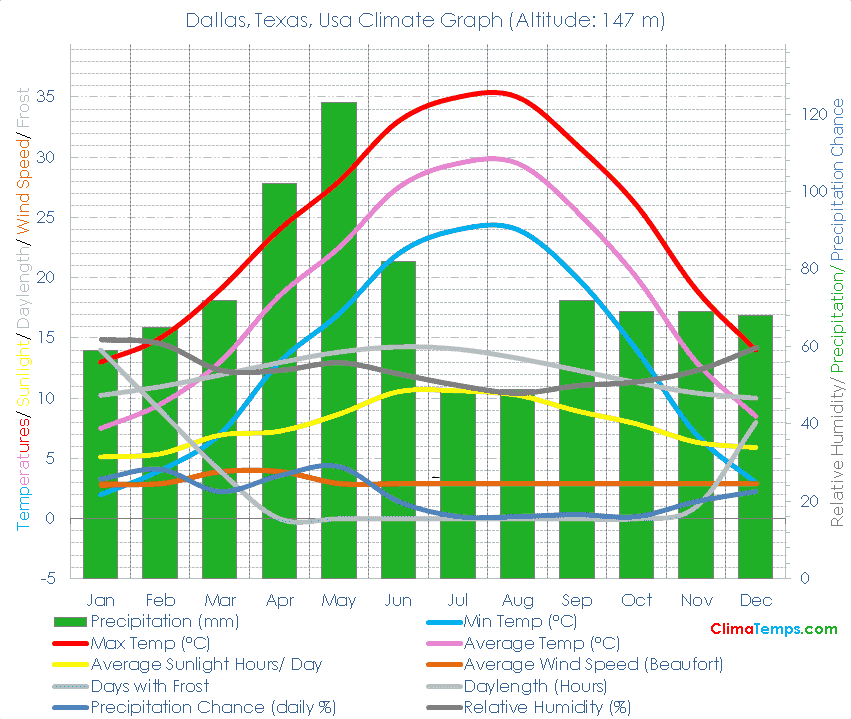
Summer in Dallas, typically from June through August, is synonymous with heat. Average daily temperatures during these months frequently hover in the low to mid-90s Fahrenheit (32-35°C), with many days soaring into the triple digits (38°C and above). The humidity can also be quite high, making the “real feel” temperature even warmer. Nighttime temperatures offer some relief, usually dropping into the mid-70s F (24-26°C).
While the heat is undeniable, it doesn’t deter activity; rather, it shifts the focus. Many attractions are designed with air conditioning in mind, and outdoor activities often start early in the morning or are enjoyed in the late evening. Think refreshing dips in hotel pools, visits to indoor museums, and enjoying vibrant nightlife. Packing light, breathable clothing, a wide-brimmed hat, sunglasses, and plenty of sunscreen is absolutely essential. Hydration is key, and visitors should always carry water, especially when exploring outdoors. This is prime time for water parks like Six Flags Over Texas and its adjacent Hurricane Harbor, or enjoying the cool waters of White Rock Lake early in the morning.
Fall in Dallas: Crisp Air and Festive Vibes
Autumn, from September to November, is widely considered one of the most delightful times to visit Dallas. The scorching summer heat gradually gives way to wonderfully pleasant temperatures. September can still feel quite warm, with averages in the high 80s F (30-32°C), but by October and November, daily highs typically range from the low 70s to low 60s F (21-16°C). Nights become cool and crisp, often dipping into the 50s F (10-15°C).
This season is perfect for outdoor festivals, patio dining, and exploring the city’s green spaces. The State Fair of Texas, a massive annual event, takes full advantage of these agreeable temperatures. Areas like Klyde Warren Park become vibrant hubs of activity, with people enjoying food trucks, free classes, and leisurely strolls. The changing foliage, while not as dramatic as in New England, still adds a touch of autumnal beauty to parks and tree-lined streets. A light jacket or sweater for the evenings is advisable, but daytime attire can still be relatively casual and comfortable.
Winter in Dallas: Mild and Mellow
Winter in Dallas, spanning December through February, is generally mild compared to many other parts of the United States. Average daytime temperatures hover in the 50s F (10-15°C), with nighttime lows usually in the mid-30s to low 40s F (2-7°C). Freezing temperatures and frost are common overnight, but significant snowfall is a rare occurrence. When it does snow, it’s typically light and doesn’t last long, creating a novelty rather than a disruption.
This season offers an excellent opportunity to explore Dallas’s indoor attractions without the summer crowds. Museums such as the Perot Museum of Nature and Science, the Dallas Museum of Art, and The Sixth Floor Museum at Dealey Plaza are popular choices. The Dallas Arts District truly shines in the cooler months, with its numerous theaters and performance venues. While you’ll need warmer clothing like coats, sweaters, and scarves, it’s generally not the extreme winter gear required further north. This makes winter a comfortable time for sightseeing and enjoying the city’s culinary scene.
Spring in Dallas: Blooms and Balmy Weather
Spring, from March to May, is another peak season for visitors, offering wonderfully comfortable temperatures and vibrant natural beauty. Daily highs typically range from the low 70s to low 80s F (21-27°C), with evenings remaining pleasantly cool in the 50s and 60s F (10-20°C). However, spring also brings the highest chance of severe weather, including thunderstorms and occasional tornadoes, particularly in April and May. Travelers should stay informed about weather advisories during this period.
Despite the potential for storms, spring is a breathtaking time to experience Dallas. The city’s parks and gardens burst into bloom, most notably at The Dallas Arboretum and Botanical Garden, which hosts spectacular floral displays and events. Outdoor dining flourishes, and walking tours become an enjoyable way to discover the city’s neighborhoods like the Bishop Arts District or Deep Ellum. Layered clothing is ideal for spring, allowing you to adapt to temperature fluctuations throughout the day and evening. An umbrella or light rain jacket is also a wise addition to your packing list.
How Dallas’s Climate Influences Your Travel Experience
The distinct seasonal temperatures in Dallas play a pivotal role in shaping a traveler’s itinerary, influencing everything from the attractions visited to the choice of accommodation and even local transportation. Understanding these nuances allows for a more prepared and enjoyable trip.
Attractions and Activities for Every Season
Summer: The hot temperatures lend themselves to water-centric activities and indoor escapes. Beyond water parks, consider exploring the Dallas World Aquarium, a fantastic indoor experience. The Dallas Arts District offers multiple air-conditioned venues, including the Winspear Opera House and the Morton H. Meyerson Symphony Center. Evenings are perfect for rooftop bars, outdoor concerts, or catching a Texas Rangers baseball game at Globe Life Field in nearby Arlington, where the stadium’s retractable roof offers climate control.
Fall: The pleasant weather of fall is ideal for extensive outdoor exploration. Take a historical walking tour of Downtown Dallas, wander through the unique boutiques and galleries of the Bishop Arts District, or enjoy an afternoon at Klyde Warren Park. Sporting events, particularly college football and professional football with the Dallas Cowboys at AT&T Stadium in Arlington, become major attractions. Many festivals and outdoor markets thrive in the cooler, drier air.
Winter: While mild, winter encourages indoor activities. Beyond the museums, consider visiting the George W. Bush Presidential Center for a dose of history and politics. Ice skating rinks often pop up around the city for seasonal fun. This is also a fantastic time to indulge in Dallas’s acclaimed culinary scene, from upscale dining to cozy cafes, without the intense heat of summer. Shopping at venues like NorthPark Center or the Galleria Dallas becomes a comfortable full-day activity.

Spring: As nature awakens, spring is perfect for visiting The Dallas Arboretum and Botanical Garden, enjoying a picnic at Reverchon Park, or renting bikes to explore the extensive trail system around White Rock Lake. Outdoor concerts and food truck gatherings are prevalent. It’s also a great time to visit the Dallas Zoo, as the animals are often more active in the comfortable temperatures.
Accommodation Choices: From Cooling Pools to Cozy Retreats
Your choice of accommodation in Dallas can also be influenced by the temperature.
Summer travelers will prioritize hotels with excellent air conditioning and, crucially, a fantastic pool area. Resorts and hotels like the Omni Dallas Hotel or the Hyatt Regency Dallas with their expansive pools and sun decks become particularly appealing. Many luxury accommodations, such as The Ritz-Carlton, Dallas or Rosewood Mansion on Turtle Creek, offer sophisticated indoor amenities and impeccable service to escape the heat.
In fall and spring, the demand for outdoor spaces, such as hotel patios or balconies, increases. Boutique hotels like Hotel ZaZa Dallas or historic gems like The Adolphus Hotel that offer charming courtyards or rooftop lounges are highly sought after. These seasons also offer more flexibility in terms of booking, potentially leading to better rates outside of major event dates.
Winter visitors might seek out hotels with cozy lobbies, excellent in-house dining options, or those located within easy access to covered walkways or public transportation for comfortable indoor exploration. The focus shifts from poolside relaxation to warm, inviting interiors and convenient access to the city’s cultural offerings. Many hotels also offer special holiday packages and events during the colder months, enhancing the festive atmosphere.
Navigating Dallas: Transportation and Packing Tips
Transportation: Dallas is a car-centric city, but its public transport system, DART (Dallas Area Rapid Transit), offers light rail and bus services.
- In summer, air-conditioned cars or DART are crucial for comfortable travel. Walking long distances outdoors is generally not recommended during midday.
- In fall and spring, walking and cycling become much more enjoyable, especially along designated trails or within pedestrian-friendly neighborhoods.
- In winter, DART remains a reliable option, and taxis or ride-shares are good for shorter distances without exposure to the cold.
Packing:
- Summer: Lightweight, breathable fabrics (cotton, linen), shorts, t-shirts, swimsuits, wide-brimmed hats, sunglasses, high SPF sunscreen.
- Fall: Layers are key. T-shirts, long-sleeved shirts, light sweaters, jeans, comfortable walking shoes. A light jacket for evenings.
- Winter: Warmer layers, sweaters, a medium-weight coat or jacket, scarves, gloves (optional, but good for chilly mornings), long pants.
- Spring: Similar to fall with layers, but also an umbrella or light rain jacket due to increased chances of rain. Comfortable shoes are a must for exploring.
Planning Your Perfect Dallas Getaway: Best Times to Visit
Determining the “best” time to visit Dallas largely depends on your personal preferences, budget, and the type of experience you’re seeking. Each season presents its own unique charm and challenges.
For Budget-Conscious Travelers
For those looking to save money, the intense heat of summer (late June to August) can sometimes offer slightly lower accommodation rates, especially for hotels that aren’t focused on family leisure travel or those outside of the major convention districts. However, flight prices might remain steady, and you’ll need to factor in costs for indoor activities and perhaps a hotel with a good pool. Mid-winter (January and February, excluding holiday periods) can also be a good time for budget travelers, as business travel might dip, and there are fewer major tourist events compared to spring and fall. You can often find deals on flights and hotels during these less popular months.
For Families and Outdoor Enthusiasts
Spring (March to May) and fall (late September to November) are undoubtedly the best seasons for families and anyone who loves outdoor activities. The comfortable temperatures are ideal for visiting parks, zoos, botanical gardens, and outdoor festivals without the discomfort of extreme heat or cold. These seasons allow for full days of exploration, from the natural beauty of White Rock Lake to the interactive exhibits at the Perot Museum of Nature and Science. However, be mindful that these are also peak tourist seasons, so attractions can be crowded, and accommodation prices might be higher. Booking well in advance is recommended.
For Business and Luxury Travelers
Dallas is a major hub for business, and conferences occur year-round. However, the most comfortable times for combining business with pleasure, or for luxury travel experiences, are generally fall and spring. The pleasant weather allows for easy navigation between meetings and leisurely evening activities like fine dining or cultural performances. Luxury hotels, like The Ritz-Carlton, Dallas or Rosewood Mansion on Turtle Creek, maintain high standards of service regardless of the season, but the surrounding environment in fall and spring complements the upscale experience with opportunities for patio dining and comfortable outdoor strolls. Business travelers who can schedule their trips during these shoulder seasons will find the city most welcoming for both work and relaxation.
In conclusion, while the daily temperature in Dallas, Texas, fluctuates, its broader seasonal patterns offer distinct experiences. From the vibrant energy of a hot Dallas summer to the mild charm of its winter, and the refreshing beauty of spring and fall, the city’s climate invites travelers to plan strategically and discover its many facets throughout the year.
LifeOutOfTheBox is a participant in the Amazon Services LLC Associates Program, an affiliate advertising program designed to provide a means for sites to earn advertising fees by advertising and linking to Amazon.com. Amazon, the Amazon logo, AmazonSupply, and the AmazonSupply logo are trademarks of Amazon.com, Inc. or its affiliates. As an Amazon Associate we earn affiliate commissions from qualifying purchases.