
Daytona Beach, Florida, a jewel on the Atlantic coast of the United States, beckons travelers with its sun-drenched shores, thrilling attractions, and vibrant atmosphere. While the allure of the Daytona International Speedway and the pristine beaches is undeniable, a crucial element for planning any memorable trip is understanding the local climate. Knowing the temperature in Daytona Beach, Florida, is paramount to packing the right wardrobe, scheduling your activities, and ensuring your overall comfort during your stay. This guide delves into the nuances of Daytona Beach’s weather, offering insights that will help you make the most of your visit, whether you’re seeking a relaxing beach vacation, an adrenaline-fueled experience, or a cultural immersion.
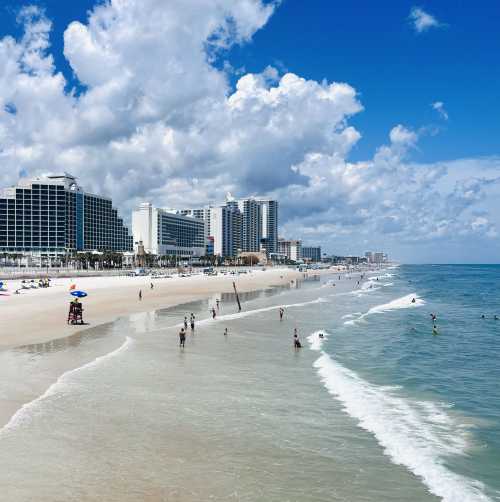
Understanding Daytona Beach’s Climate: A Year-Round Guide
Daytona Beach, Florida, boasts a subtropical climate, characterized by hot, humid summers and mild winters. This means that regardless of when you choose to visit, you’re likely to encounter pleasant conditions suitable for enjoying the multitude of experiences the area offers. However, subtle variations throughout the year significantly influence the ideal time for different types of travel.
Summer: Heat, Humidity, and Sunshine
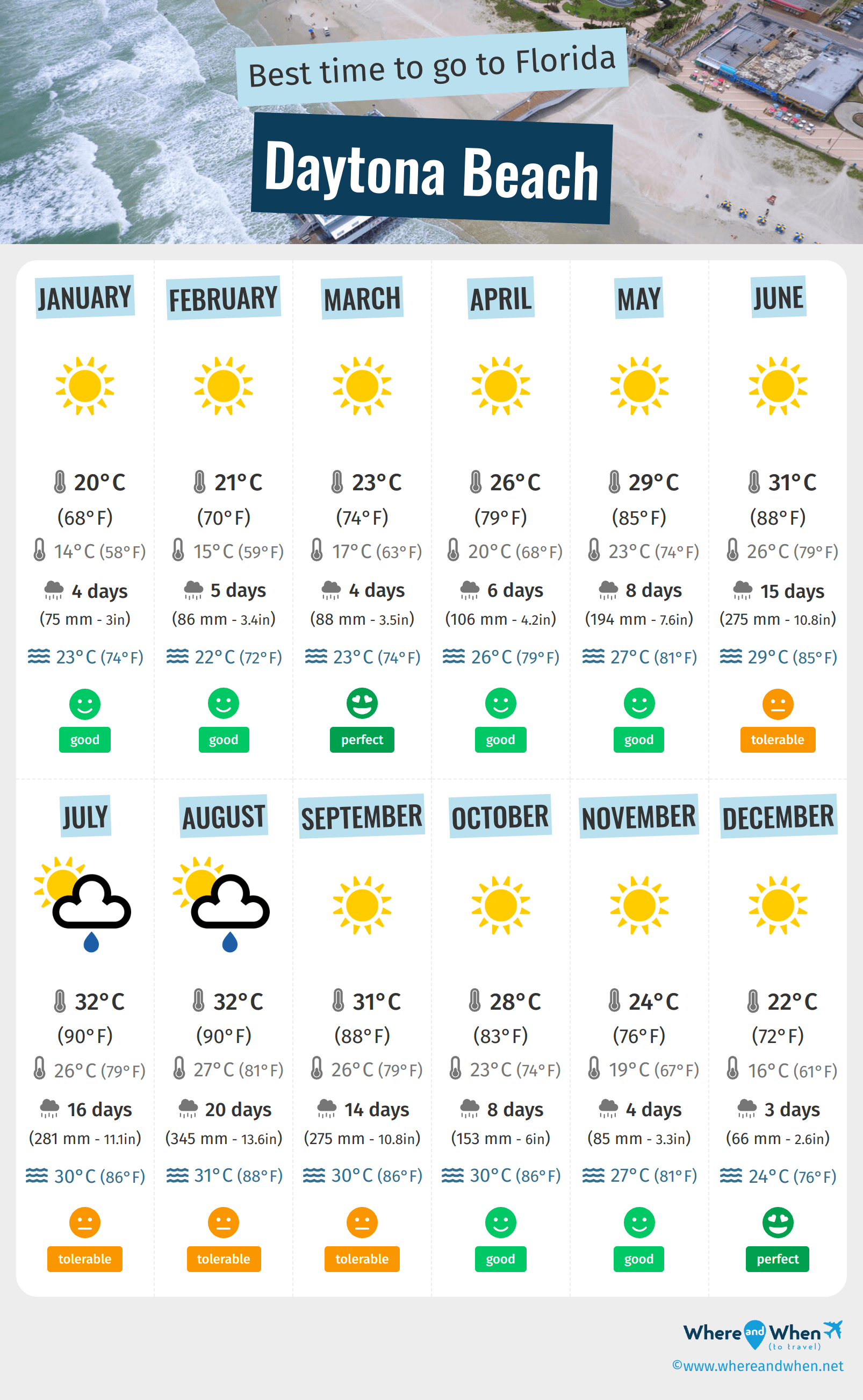
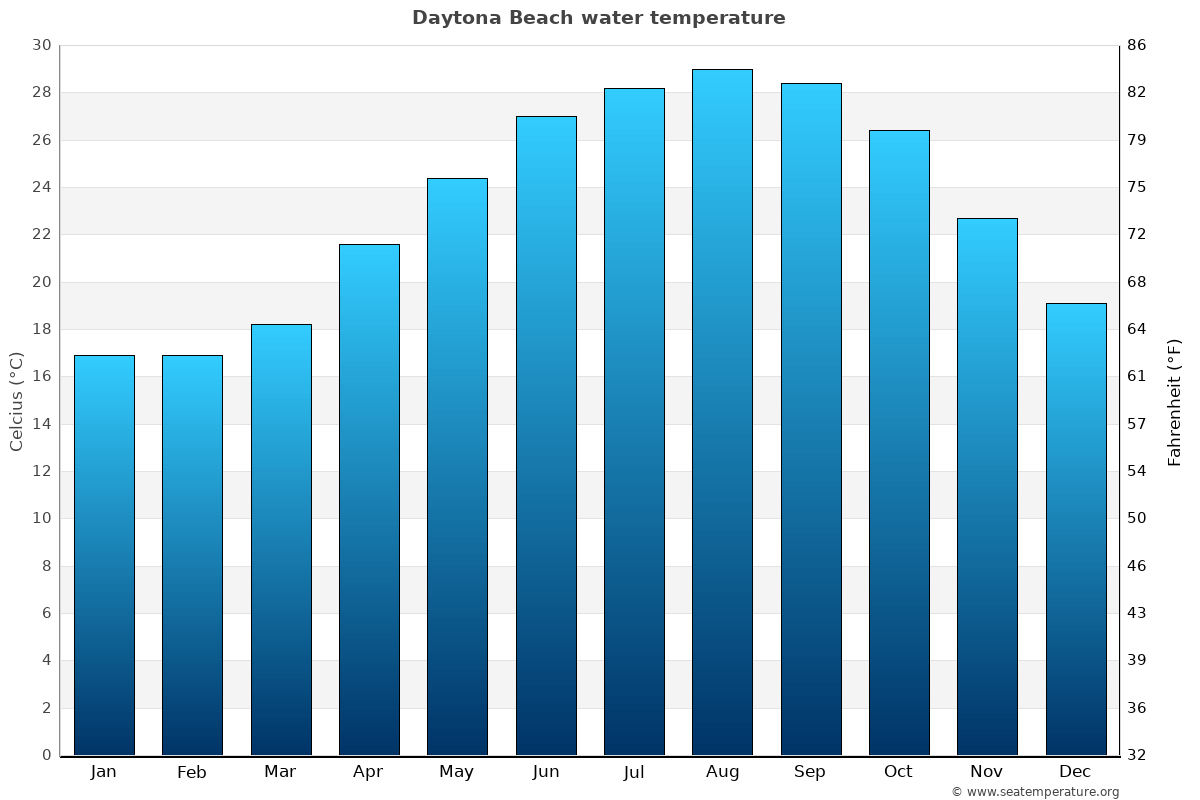
From June through August, Daytona Beach, Florida, experiences its warmest and most humid months. Average daily temperatures typically hover in the high 80s Fahrenheit (around 30-32 degrees Celsius), often climbing into the 90s Fahrenheit (32-37 degrees Celsius) during heatwaves. The humidity can make these temperatures feel even warmer, so staying hydrated and seeking out air-conditioned spaces is essential. Afternoon thunderstorms are a common occurrence during the summer, providing a brief but intense respite from the heat. These are usually short-lived, offering a dramatic spectacle without necessarily ruining a day’s plans, especially if you’ve factored in some indoor activities. The Daytona Beach Pier and the numerous beachfront hotels provide excellent vantage points to observe these dramatic weather shifts while staying dry. The ocean water temperature is at its warmest during this period, making it perfect for swimming, surfing, and other water sports.
Autumn: A Pleasant Transition
As the calendar flips to September, Daytona Beach, Florida, begins to experience a welcome shift. The oppressive humidity of summer starts to recede, and temperatures become more moderate. September can still be warm, with averages in the mid-80s Fahrenheit (around 29 degrees Celsius), but October and November bring even more agreeable conditions. Daytime temperatures in these months typically range from the mid-70s to low 80s Fahrenheit (24-28 degrees Celsius). This period is often considered ideal for exploring Daytona Beach’s many outdoor attractions, including the historic Boardwalk, where you can enjoy amusement rides and local eateries. The reduced humidity makes it more comfortable to stroll along the beach or visit the Daytona Museum of Arts & Sciences. The Daytona Bike Week, a major event for motorcycle enthusiasts, typically takes place in early March, but the pleasant weather in the fall also makes it a great time for other outdoor festivals and events.
Winter: Mild and Invigorating
Daytona Beach, Florida’s winters are remarkably mild, offering a stark contrast to the cold experienced in many other parts of the United States. From December through February, daytime temperatures generally range from the low to mid-60s Fahrenheit (16-18 degrees Celsius). While it might not be warm enough for extended sunbathing for some, it’s perfect for active exploration, enjoying the Daytona International Speedway without the intense summer heat, or embarking on a fishing trip. Evenings can cool down into the 40s and 50s Fahrenheit (4-15 degrees Celsius), so a light jacket or sweater is advisable. The Daytona Beach ocean temperature, while cooler, can still be refreshing for the hardy or those seeking a brisk dip. This season is also an excellent time for enjoying Daytona Beach’s renowned golf courses and exploring the natural beauty of nearby areas like Tomoka State Park.
Spring: Warming Up to Summer
Spring in Daytona Beach, Florida, signals a gradual warming trend. March and April see temperatures steadily climb, moving from the pleasant mid-60s Fahrenheit (around 18 degrees Celsius) in early spring to the mid-70s Fahrenheit (around 24 degrees Celsius) by May. The humidity begins to increase, but it’s generally more manageable than in the summer months. This period is a popular time for visitors, coinciding with spring break for many students and families. The Daytona 500, the premier event of the NASCAR season, usually kicks off the racing calendar in February, but the rest of spring offers fantastic opportunities to enjoy the beach, explore the Ponce Inlet Lighthouse, and take advantage of the outdoor activities before the peak summer heat arrives.
Packing for Daytona Beach’s Weather
The key to a comfortable and enjoyable trip to Daytona Beach, Florida, lies in smart packing, tailored to the season of your visit. Understanding the temperature and humidity levels will guide your choices, ensuring you’re prepared for both sunny days and occasional rain showers.
Summer Essentials: Beat the Heat
For summer travel (June-August), prioritize lightweight, breathable fabrics like cotton and linen. Pack an abundance of shorts, t-shirts, sundresses, and swimwear. Don’t forget a wide-brimmed hat and sunglasses to protect yourself from the strong Florida sun. Sunscreen with a high SPF is non-negotiable. Evenings might offer a slight cooling, so a light cardigan or cover-up can be useful. An umbrella or a light rain jacket is a good idea for those sudden afternoon downpours. Comfortable walking shoes are a must for exploring Daytona Beach’s boardwalk and other attractions.
Spring and Fall Wardrobe: Versatile Layers
During the shoulder seasons of spring (March-May) and autumn (September-November), packing becomes more about versatility. You can still pack summer attire like shorts and t-shirts, but it’s wise to include some long-sleeved shirts and light trousers or jeans for cooler mornings and evenings. A light to medium-weight jacket or a fleece pullover will be beneficial. This is the perfect time to enjoy activities like visiting Daytona’s historic downtown or taking a boat tour, where you might experience a gentle breeze. Comfortable walking shoes remain essential.
Winter Comfort: Mild Warmth and Cool Evenings
For winter visits (December-February), think layers. While daytime temperatures are mild, often allowing for short-sleeved shirts, evenings and early mornings can be cool. Pack a combination of lighter clothing for the day and warmer items like sweaters, long-sleeved shirts, and a warmer jacket or coat for the evenings. Comfortable trousers are also a good idea. If you plan on spending time outdoors, especially near the water, a windbreaker can be useful. Even in winter, the sun can be strong, so sun protection remains important.
Beyond the Temperature: Factors Influencing Your Daytona Beach Experience
While temperature is a primary consideration, several other atmospheric and environmental factors contribute to the overall Daytona Beach, Florida, experience. Understanding these elements will allow for a more comprehensive travel plan.
Humidity’s Role: Feeling the Heat
As mentioned, Daytona Beach, Florida, experiences significant humidity, especially during the summer months. Humidity measures the amount of water vapor in the air, and high levels can make the perceived temperature feel much hotter than the actual thermometer reading. This “feels like” temperature can impact how long you’re comfortable spending outdoors and influence your choice of activities. Staying hydrated is crucial, and seeking shade or air-conditioned environments during the hottest parts of the day is recommended. Many hotels in Daytona Beach, such as the Hard Rock Hotel Daytona Beach or the Hyatt Place Daytona Beach Oceanfront, offer excellent indoor amenities and pools to escape the heat and humidity.
Sunshine and Daylight Hours: Maximizing Your Days
Daytona Beach, Florida, is renowned for its sunshine, offering ample daylight hours for exploration and relaxation. During the summer, days are long, providing plenty of time for beach activities, visiting landmarks like the Daytona Beach Pier, and enjoying outdoor dining. Even in winter, Daytona Beach enjoys a considerable amount of sunshine, although the days are shorter. This consistent sunshine makes it a popular destination for those seeking to escape cloudier climes. When planning your itinerary, consider the sunrise and sunset times to maximize your time enjoying the beautiful scenery and attractions.
Rain and Storms: Preparing for the Unexpected
While Daytona Beach, Florida, is largely blessed with pleasant weather, tropical weather patterns can bring rain and storms. Summer afternoons frequently feature brief, intense thunderstorms. These are usually predictable and pass quickly, often leaving behind cooler, fresher air. However, it’s essential to stay informed about weather forecasts, especially during hurricane season, which runs from June 1st to November 30th. While direct hits are rare, tropical storms can bring significant rainfall and winds. Having a flexible itinerary that includes indoor options, such as visiting the Daytona 500 museum or enjoying a meal at a local restaurant, is a prudent approach to ensure your trip remains enjoyable regardless of the weather. Many Daytona Beach accommodations are well-equipped to handle inclement weather, offering lounges, indoor pools, and entertainment options.
By considering the temperature, humidity, sunshine, and potential for rain, you can plan a truly unforgettable trip to Daytona Beach, Florida. Whether you’re drawn to the thrill of the Daytona International Speedway, the tranquility of the beaches, or the vibrant local culture, understanding the climate will empower you to make the most of every moment in this captivating Florida destination.