
Florida, affectionately known as The Sunshine State, beckons travelers from across the globe with its promise of warmth, vibrant culture, and endless adventures. But for those planning a visit, a crucial question often arises: “What’s the temperature in Florida?” The answer, while seemingly straightforward, is wonderfully nuanced, varying not just by season but also by geographic region. Understanding Florida’s climate is key to unlocking the perfect travel experience, whether you’re dreaming of lounging on pristine beaches, exploring world-renowned theme parks, or immersing yourself in the state’s unique ecosystems. This guide delves deep into Florida’s temperatures, offering insights that will help you plan your itinerary, choose the ideal accommodation, and pack appropriately for an unforgettable journey to this captivating corner of the United States.
Understanding Florida’s Diverse Climate Zones
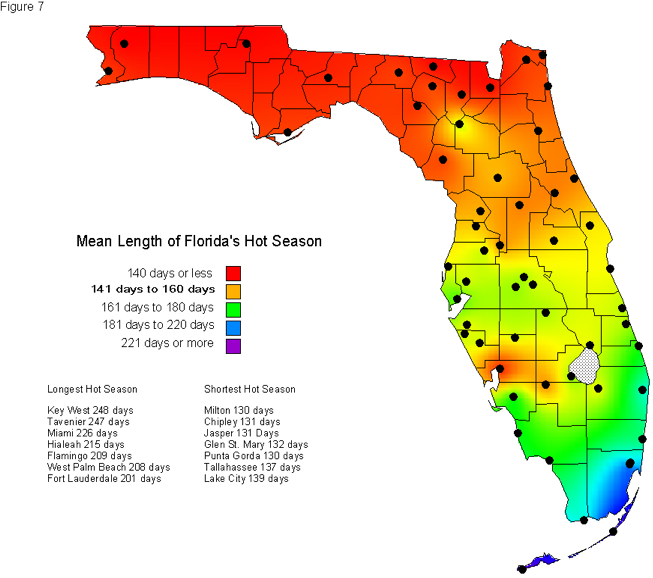
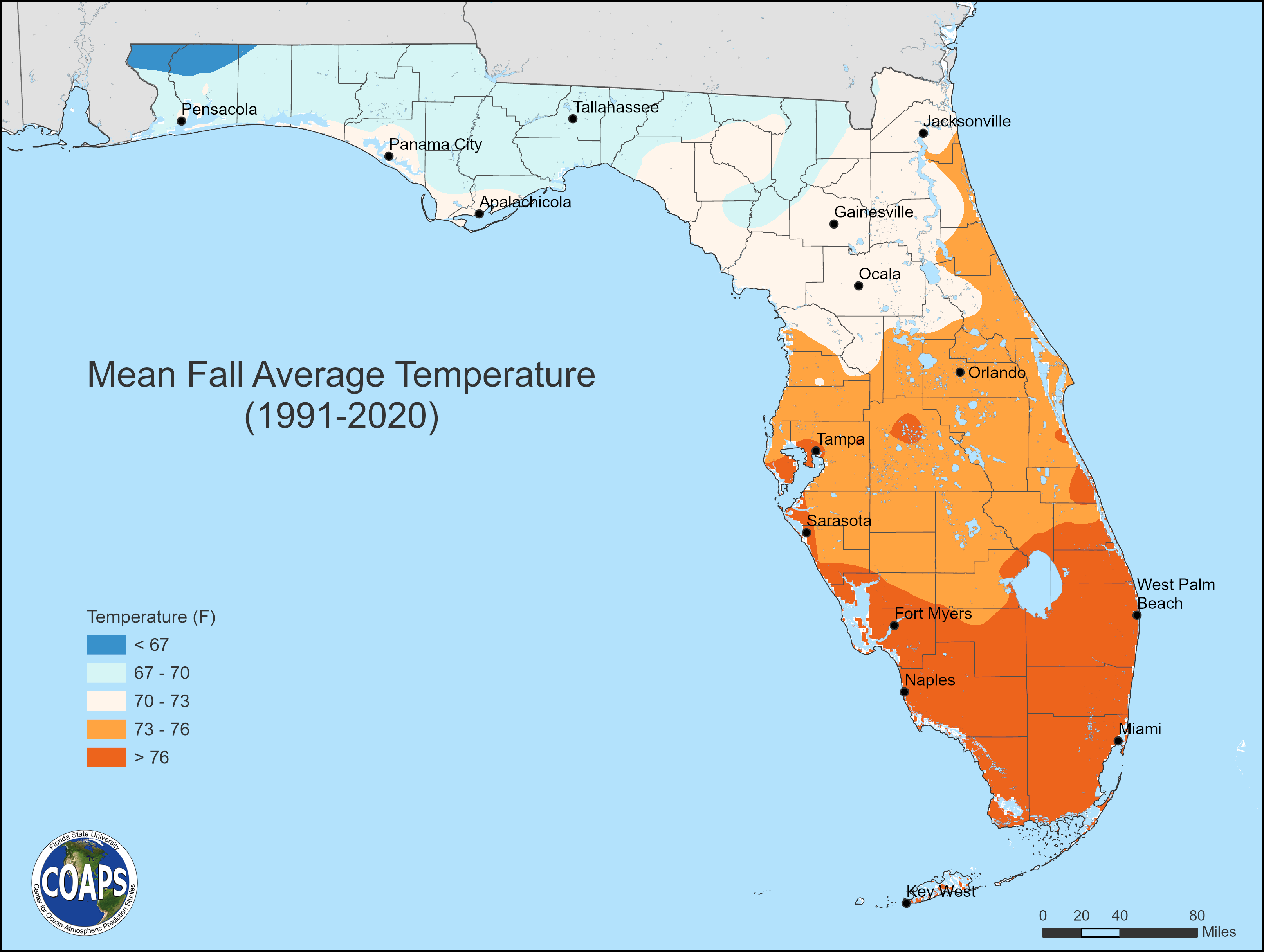
While Florida is broadly considered a warm-weather destination, its elongated peninsula experiences distinct climatic variations from north to south. These differences are significant enough to influence everything from the types of activities available to the optimal timing for your trip.
North Florida: Four Seasons, Sort Of
The northern reaches of Florida, including cities like Jacksonville, Tallahassee, and the historic St. Augustine, exhibit a climate that hints at the traditional four seasons, albeit milder than their northern counterparts. Winters here can see average daytime temperatures ranging from the low 50s to low 70s Fahrenheit (10-22°C), with occasional cold snaps bringing temperatures close to freezing overnight. Summers are hot and humid, typically in the high 80s to low 90s Fahrenheit (30-35°C), often accompanied by afternoon thunderstorms.
This region is ideal for travelers who appreciate a slight chill in the air during winter, making it perfect for exploring historical landmarks, enjoying outdoor festivals, or hiking in natural areas like Amelia Island without the intense heat of the south. Accommodation options here range from charming bed and breakfasts in St. Augustine’s historic district to modern hotels in Jacksonville’s urban core, catering to those seeking a blend of cultural immersion and comfortable climate.
Central Florida: The Theme Park Sweet Spot
Central Florida, home to the bustling metropolises of Orlando and Tampa, along with coastal gems like Daytona Beach and Cocoa Beach, strikes a balance between the mild winters of the north and the tropical heat of the south. This region is famous for its consistent warmth, making it a perennial favorite for families and adventure seekers.
Winter daytime temperatures typically hover in the 60s and 70s Fahrenheit (15-25°C), offering pleasant conditions for visiting iconic attractions such as Walt Disney World Resort and Universal Orlando Resort. Spring and fall bring equally delightful weather, with average temperatures in the 70s and 80s Fahrenheit (20-30°C). Summers are undeniably hot and humid, often reaching the low to mid-90s Fahrenheit (32-37°C), with daily afternoon showers that provide a temporary respite from the heat. Despite the summer intensity, many find the trade-off worthwhile, as some of the best deals on accommodations and shorter lines at attractions can be found during this period. Resorts like JW Marriott Orlando, Grande Lakes or Loews Portofino Bay Hotel are designed with extensive pools and indoor amenities to maximize comfort regardless of the temperature outside.
South Florida & The Keys: Tropical Paradise Year-Round
The southernmost tip of Florida, encompassing vibrant cities like Miami, Fort Lauderdale, Naples, and the enchanting Florida Keys, experiences a truly tropical climate. This region is the warmest year-round, making it a premier destination for those craving perpetual summer.
Winter temperatures rarely drop below the 70s Fahrenheit (21-26°C), providing an ideal escape from colder climates. Summers are intensely hot and humid, consistently in the high 80s and low 90s Fahrenheit (30-35°C), often feeling even warmer due to the high moisture content in the air. This is the domain of pristine beaches like South Beach in Miami and Clearwater Beach near St. Petersburg, where water activities abound. The unique ecosystem of Everglades National Park also thrives here, offering thrilling airboat tours even in the heat. Accommodations range from luxury resorts along Palm Beach and Fort Lauderdale Beach to quaint guesthouses in Key West, all designed to help visitors cool off and relax in style. The Art Deco Historic District in Miami is particularly enjoyable in the cooler evenings.
Seasonal Travel: Planning Your Florida Adventure by the Thermometer
Understanding Florida’s temperature fluctuations across its regions allows for strategic travel planning. Each season offers a distinct charm and a unique set of considerations for visitors.
Winter (December-February): The Peak Season Escape
Florida’s winter is its peak tourist season, and for good reason. Across the state, temperatures are wonderfully mild and pleasant, especially compared to many other parts of the world. Expect average highs in the 60s and 70s Fahrenheit (15-25°C), with South Florida and the Keys often enjoying temperatures in the low 80s (27°C). The humidity is low, and sunshine is abundant.
This is the perfect time for all outdoor activities: golfing in Sarasota, exploring the Kennedy Space Center Visitor Complex in Titusville, or simply relaxing on beaches like St. Pete Beach. The comfortable weather also makes it ideal for visiting theme parks, though crowds can be substantial, especially during holiday periods. Luxury resorts like The Breakers Palm Beach see high demand, and booking accommodations well in advance is essential. Prices for flights and hotels tend to be at their highest, reflecting the desirable conditions.
Spring (March-May): Balmy Breezes and Blooming Attractions
Spring in Florida is characterized by warm, inviting temperatures and generally lower humidity than the summer months. Average highs range from the mid-70s to mid-80s Fahrenheit (24-30°C) across most of the state. This period is often considered one of the best times to visit, offering a sweet spot of agreeable weather before the intense summer heat sets in.
It’s a fantastic time for exploring botanical gardens such as Bok Tower Gardens in Lake Wales or observing marine life at places like the Loggerhead Marinelife Center in Juno Beach. Theme parks remain popular, with pleasant conditions for walking and enjoying rides. Be aware of Spring Break crowds, particularly in March and early April, which can lead to increased prices and busier attractions in popular destinations like Orlando, Fort Myers, and Panama City Beach.
Summer (June-August): The Hot & Humid Theme Park Thrill
Florida summers are defined by heat, high humidity, and frequent afternoon thunderstorms. Average daytime temperatures typically range from the high 80s to low 90s Fahrenheit (30-35°C), with the “feels like” temperature often pushing into the triple digits due to the humidity from both the Atlantic Ocean and the Gulf of Mexico. While the daily rain showers can be intense, they are often brief, clearing up quickly to reveal sunshine again.
Despite the heat, summer can be a great time for certain types of travel. Hotel rates tend to be lower outside of peak holiday weekends, offering budget-friendly options. Water parks, such as Typhoon Lagoon Water Park at Walt Disney World or Aquatica Orlando, become essential attractions, as do indoor activities like museums (Florida Museum of Natural History in Gainesville, Vizcaya Museum & Gardens and Pérez Art Museum Miami). If you plan to visit theme parks, arrive early to beat the heat and crowds, take frequent breaks, and stay hydrated. This period also falls squarely within hurricane season, a consideration for planning your trip.
Fall (September-November): A Quieter, Cooler Retreat
As summer transitions into fall, Florida experiences a gradual cooling, although temperatures remain warm, especially in September and October. Highs typically range from the mid-70s to high 80s Fahrenheit (24-30°C), with humidity slowly decreasing as November approaches. This shoulder season offers a pleasant travel experience with fewer crowds and often more favorable accommodation prices.
While still part of hurricane season, the chances of direct impacts lessen towards the end of October. Fall is excellent for exploring coastal towns like Destin and Panama City Beach, enjoying fishing charters, or visiting smaller attractions such as Busch Gardens Tampa Bay or LEGOLAND Florida Resort with more comfortable conditions than summer. It’s also a fantastic time for nature enthusiasts to visit places like Sanibel Island and Captiva Island for shelling, or to enjoy the scenic beauty around Lake Okeechobee.
Accommodations and Lifestyle: Tailoring Your Stay to Florida’s Climate
Florida’s climate dictates not just when you travel, but also how you travel and what kind of experiences you seek. Thoughtful choices in accommodation and lifestyle can significantly enhance your comfort and enjoyment.
Choosing the Right Stay for the Heat
When planning your accommodation in Florida, especially during warmer months, prioritize comfort. Hotels and resorts with excellent air conditioning are non-negotiable. Look for properties boasting extensive pool areas, lazy rivers, or direct beachfront access, allowing you to cool off easily. Many resorts, particularly those in Orlando, offer shuttle services to theme parks, reducing the need for hot walks. For longer stays or family trips, consider villas or apartments with kitchens. These allow for preparing your own hydrating drinks and snacks, and often provide more space to relax indoors during the hottest parts of the day. Options like Discovery Cove or SeaWorld Orlando also integrate water activities directly into their attractions, making the heat more manageable.
Embracing the Florida Lifestyle, Rain or Shine
Florida’s lifestyle is all about embracing the outdoors, but also knowing how to pivot when the weather demands.
- Hot Days: Plan your most active outdoor excursions for early mornings or late afternoons. Midday is perfect for indoor attractions like the Kennedy Space Center Visitor Complex, one of the state’s many museums, or taking a leisurely approach to shopping. Water-based activities such as snorkeling in Key Largo, paddleboarding in St. Petersburg, or airboat tours near Kissimmee are always refreshing.
- Rainy Days: Don’t let a sudden downpour ruin your plans. Florida is well-equipped with indoor entertainment. Think about visiting Universal Studios Florida or Islands of Adventure, Epcot, Magic Kingdom, Hollywood Studios, or Animal Kingdom where many rides are indoors or covered, or explore aquariums like The Florida Aquarium in Tampa. Shopping malls are also a popular choice, providing a cool retreat.
Packing essentials include lightweight, breathable clothing (cotton, linen), a wide-brimmed hat, sunglasses, and reef-safe sunscreen. During summer, a light rain jacket or umbrella is advisable. Most importantly, stay hydrated by drinking plenty of water throughout the day.
Beyond the Thermometer: Other Climate Considerations
While temperature is a primary concern, two other climate factors significantly impact the Florida travel experience: humidity and hurricane season.
Humidity and Hurricane Season
- Humidity: High humidity is a constant companion in Florida, especially from late spring through early fall. This can make temperatures feel hotter than they are and may cause discomfort for some. Choosing accommodations with good air conditioning and planning activities that allow for frequent cooling breaks (like dips in a pool or visits to indoor attractions) is crucial.
- Hurricane Season: Officially running from June 1st to November 30th, hurricane season is a significant consideration. While direct hurricane strikes are relatively rare, tropical storms and depressions can bring heavy rain, strong winds, and travel disruptions. If traveling during this period, especially August through October, it’s wise to consider travel insurance that covers weather-related cancellations. Many hotels and airlines offer flexible booking policies during this time, so inquire when making reservations. Stay informed by monitoring weather forecasts.
Sun Protection: A Year-Round Necessity
Given its “Sunshine State” moniker, sun protection in Florida is not just for summer; it’s a year-round necessity. The UV index can be high even on cloudy days or in cooler months. Always apply broad-spectrum sunscreen with an SPF of 30 or higher, reapply frequently, and seek shade during peak sun hours (typically 10 AM to 4 PM). Wearing protective clothing, such as rash guards or long-sleeved shirts with UPF ratings, and sunglasses is highly recommended. For water activities, consider the environmental impact and choose reef-safe sunscreens. Even a visit to a remote destination like Dry Tortugas National Park requires diligent sun protection.
In conclusion, Florida’s temperature story is one of delightful warmth, but with intriguing regional and seasonal variations. From the pleasant winters of the north to the tropical heat of the Keys, the state offers a climate to suit nearly every preference, influencing the travel styles, activities, and accommodations that promise the most enjoyable experience. By understanding these nuances – the comfortable cool fronts, the intense summer humidity, and the necessary precautions during hurricane season – you can confidently plan a Florida adventure that perfectly aligns with your expectations, ensuring a comfortable, memorable, and sun-soaked journey through this diverse and captivating state.