
Understanding the weather in Oklahoma City is crucial for planning any visit, whether you’re a tourist seeking outdoor adventures, a business traveler needing to pack appropriately, or simply curious about the regional climate. The “Sooner State” capital experiences a diverse range of temperatures throughout the year, influenced by its location in the Great Plains. From sweltering summers to crisp winters, Oklahoma City’s climate offers a distinct experience in each season. This guide will delve into the typical temperature ranges, seasonal variations, and how these factors might influence your travel plans to this vibrant Midwestern hub.
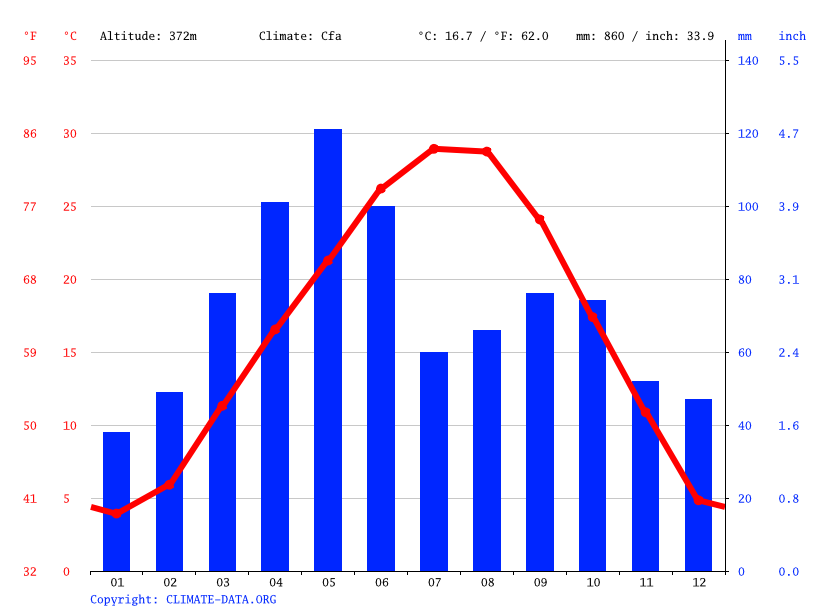
Seasonal Temperature Trends in Oklahoma City
Oklahoma City’s climate is characterized by its continental nature, meaning it experiences significant temperature variations between summer and winter. The city falls within USDA Plant Hardiness Zone 7a, indicating a moderate climate with distinct seasons.
Summer (June, July, August): The Heat of the Plains
Summers in Oklahoma City are, without a doubt, hot. July is typically the warmest month, with average daily temperatures frequently soaring into the upper 90s Fahrenheit (around 35-37 degrees Celsius). It’s not uncommon for the mercury to climb above 100°F (38°C) for extended periods, often accompanied by high humidity. This combination can make outdoor activities feel more strenuous, especially during the midday sun.
The average daily high temperature in July hovers around 94°F (34°C), while the average low temperature for the same month is around 72°F (22°C). August generally mirrors July’s warmth, with similar high and low averages. June offers a slight reprieve, with average highs in the mid-80s Fahrenheit (around 29-30°C), but the heat quickly intensifies as the summer progresses.
Key Summer Considerations:
- Heat Index: Due to the humidity, the “feels like” temperature, or heat index, can often be higher than the actual air temperature. It’s essential to stay hydrated and seek air-conditioned spaces during peak heat.
- Afternoon Thunderstorms: While summers are predominantly hot and dry, the region is prone to severe thunderstorms, especially in the late afternoon and evening. These can bring brief but intense downpours, hail, and strong winds.
- Outdoor Activities: If visiting during summer, plan outdoor excursions for the early morning or late evening. Popular attractions like the Oklahoma City Zoo or the Myriad Botanical Gardens are best enjoyed during these cooler parts of the day.
Autumn (September, October, November): A Pleasant Transition
Autumn brings a welcome change to Oklahoma City’s weather, offering some of the most pleasant temperatures of the year. September still retains some of the summer’s warmth, with average highs in the mid-80s Fahrenheit (around 29-30°C). However, as October arrives, temperatures begin to cool significantly.
October is often considered an ideal month for visiting, with average daily highs dropping to the low 70s Fahrenheit (around 22°C) and average lows in the low 50s Fahrenheit (around 11°C). The air becomes crisp, and the humidity decreases, making it perfect for exploring the city’s many attractions. The fall foliage can also be quite beautiful, particularly in parks like the Scissortail Park.
November sees a further decline, with average highs falling into the 60s Fahrenheit (around 15-16°C) and average lows in the 40s Fahrenheit (around 4-6°C). Frost becomes more common, and the first hints of winter’s chill are felt.
Key Autumn Considerations:
- Comfortable Exploration: This season is excellent for walking tours, visiting outdoor markets, and enjoying the culinary scene at restaurants with patios.
- Fall Festivals: Many local events and festivals take place during the autumn months, capitalizing on the favorable weather.
- Layering: While daytime temperatures are mild, evenings can get chilly, so packing layers is recommended.
Winter (December, January, February): Chilly and Potentially Snowy
Winters in Oklahoma City are generally cold, with temperatures often dipping below freezing. January is typically the coldest month, with average daily highs in the upper 40s Fahrenheit (around 8-9°C) and average lows in the mid-20s Fahrenheit (around -4°C).
While heavy snowfall is not as common as in more northern regions, Oklahoma City does experience snow and ice events. Accumulations can range from a light dusting to several inches, which can sometimes disrupt travel. Freezing rain is also a possibility, creating hazardous road conditions.
Key Winter Considerations:
- Cold Air Masses: The city is susceptible to cold air masses moving south from Canada, bringing sharp drops in temperature.
- Indoor Attractions: This is a good time to explore the city’s many indoor attractions, such as the National Cowboy & Western Heritage Museum, the Oklahoma City Museum of Art, or the unique shops in the Bricktown entertainment district.
- Winter Gear: Warm clothing, including coats, hats, gloves, and waterproof footwear, is essential for visiting during the winter months.
Spring (March, April, May): A Mix of Warmth and Volatility
Spring in Oklahoma City is a period of transition, marked by rapidly warming temperatures and increasing rainfall. March can still be quite cool, with average highs in the 60s Fahrenheit (around 15-16°C), but by May, average highs are comfortably in the mid-70s Fahrenheit (around 24°C).

However, spring is also the peak season for severe weather in this region, often referred to as “Tornado Alley.” The combination of warm, moist air from the Gulf of Mexico and cooler, drier air from the north creates the perfect conditions for powerful thunderstorms, hail, and tornadoes.
Key Spring Considerations:
- Variable Conditions: Be prepared for a wide range of weather conditions within a single week. You might experience warm, sunny days followed by severe weather alerts.
- Tornado Season: Visitors should be aware of tornado safety procedures and monitor weather forecasts closely. Many hotels and public buildings have designated storm shelters.
- Lush Greenery: Despite the volatile weather, spring brings vibrant greenery to the landscape, making parks and outdoor spaces beautiful.
Average Monthly Temperatures and Precipitation
To provide a more detailed picture, here’s a look at the average monthly temperatures and precipitation levels for Oklahoma City. These figures are averages and actual conditions can vary year by year.
Temperature Averages (Fahrenheit/Celsius)
| Month | Average High (°F) | Average Low (°F) | Average High (°C) | Average Low (°C) |
|---|---|---|---|---|
| January | 47 | 25 | 8 | -4 |
| February | 52 | 28 | 11 | -2 |
| March | 62 | 36 | 17 | 2 |
| April | 71 | 45 | 22 | 7 |
| May | 78 | 55 | 26 | 13 |
| June | 86 | 65 | 30 | 18 |
| July | 94 | 72 | 34 | 22 |
| August | 93 | 70 | 34 | 21 |
| September | 86 | 63 | 30 | 17 |
| October | 73 | 49 | 23 | 9 |
| November | 60 | 37 | 16 | 3 |
| December | 49 | 27 | 9 | -3 |
Precipitation Averages (Inches)
| Month | Average Precipitation (inches) | Average Precipitation (mm) |
|---|---|---|
| January | 1.9 | 48 |
| February | 2.1 | 53 |
| March | 3.5 | 89 |
| April | 3.6 | 91 |
| May | 4.9 | 124 |
| June | 4.1 | 104 |
| July | 2.7 | 69 |
| August | 2.6 | 66 |
| September | 3.4 | 86 |
| October | 3.1 | 79 |
| November | 2.7 | 69 |
| December | 2.1 | 53 |
Note: Precipitation figures include both rain and melted snow. The highest monthly precipitation typically occurs in May, aligning with the spring thunderstorm season.
Planning Your Trip Based on Temperature
When planning a trip to Oklahoma City, understanding the temperature is a key factor in choosing the right time to visit and what to pack.
Best Times to Visit for Pleasant Weather
For travelers who prefer mild temperatures and comfortable conditions for outdoor activities, April, May, September, and October are generally considered the best months. During these shoulder seasons, you can enjoy the city’s parks, outdoor dining, and attractions without the extreme heat of summer or the biting cold of winter. The spring months offer blooming flora, while autumn provides beautiful fall colors and crisp air.
Preparing for Extreme Temperatures
If your travel dates fall during the summer months (June through August), be prepared for significant heat. Lightweight, breathable clothing is essential, along with sun protection such as hats, sunglasses, and sunscreen. Stay indoors in air-conditioned spaces during the hottest parts of the day, and prioritize hydration.
For winter visits (December through February), warm layers are paramount. Think thermal underwear, sweaters, a heavy coat, gloves, and a hat. Waterproof footwear is advisable, especially if you anticipate encountering snow or ice.

The Impact of Weather on Activities
The temperature and weather patterns in Oklahoma City can directly influence the types of activities you can enjoy. During the hot summers, water-based activities like visiting the White Water Bay water park or exploring attractions near the Oklahoma River might be more appealing. Cooler months are ideal for exploring museums, the Oklahoma City National Memorial & Museum, or enjoying the vibrant nightlife in areas like Bricktown.
Always check the local weather forecast just before your trip and even daily during your stay. The weather in the Great Plains can be unpredictable, and staying informed will help you make the most of your visit to Oklahoma City. Whether you’re drawn by its history, its burgeoning arts scene, or its friendly atmosphere, understanding its climate will undoubtedly enhance your experience.
LifeOutOfTheBox is a participant in the Amazon Services LLC Associates Program, an affiliate advertising program designed to provide a means for sites to earn advertising fees by advertising and linking to Amazon.com. Amazon, the Amazon logo, AmazonSupply, and the AmazonSupply logo are trademarks of Amazon.com, Inc. or its affiliates. As an Amazon Associate we earn affiliate commissions from qualifying purchases.