
Orlando, Florida — a name synonymous with magic, adventure, and unforgettable vacations. As one of the world’s premier travel destinations, drawing millions of visitors each year to its legendary theme parks, vibrant attractions, and diverse accommodations, understanding Orlando’s climate is paramount to planning the perfect trip. Far from being a mere detail, the temperature in Orlando profoundly shapes the visitor experience, dictating everything from your packing list to your daily itinerary and even your choice of resort.
Nestled in the heart of the Sunshine State, Orlando boasts a subtropical climate characterized by warm, often hot, temperatures year-round. While the city rarely experiences true winter cold, it does offer distinct seasonal variations that can significantly impact your comfort and enjoyment. Whether you’re planning a family adventure to Walt Disney World Resort, an exhilarating journey through Universal Orlando Resort, or a serene escape to a luxurious resort, knowing what to expect from the mercury is your first step towards an idyllic Florida getaway. This guide delves into Orlando’s unique weather patterns, offering insights into how the temperature influences travel, tourism, and lifestyle choices, ensuring you’re fully prepared to embrace all the wonders this captivating city has to offer.
A Deep Dive into Orlando’s Climate: Seasons and Temperatures
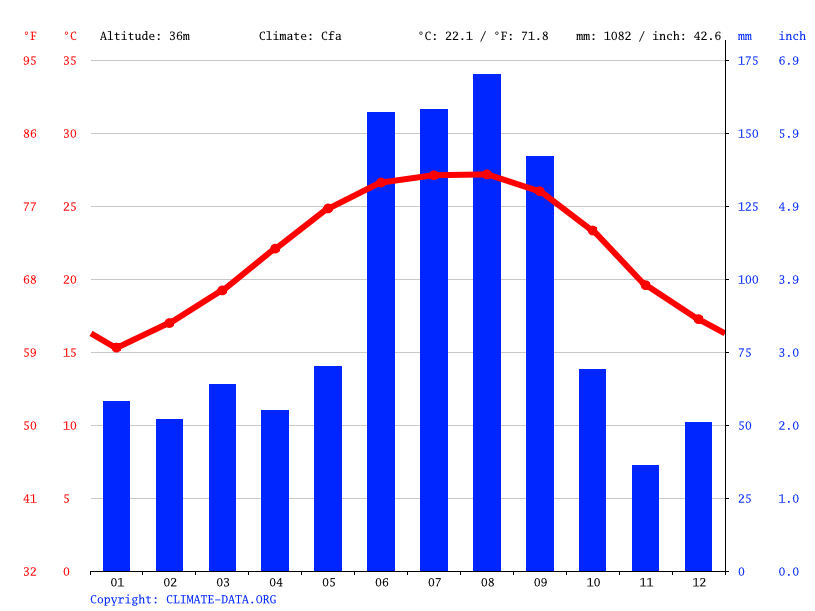
Orlando’s geographical location, situated in the central part of Florida, means it benefits from a climate that is predominantly warm and humid, typical of subtropical regions. While the city doesn’t experience the dramatic four seasons of temperate zones, it does have distinct periods that affect daily temperatures, humidity levels, and precipitation. These variations are crucial for travelers to consider when scheduling their visit, as they directly impact comfort, crowd levels, and the types of activities best suited for the weather.
Summer (June – September): The Peak Heat and Humidity
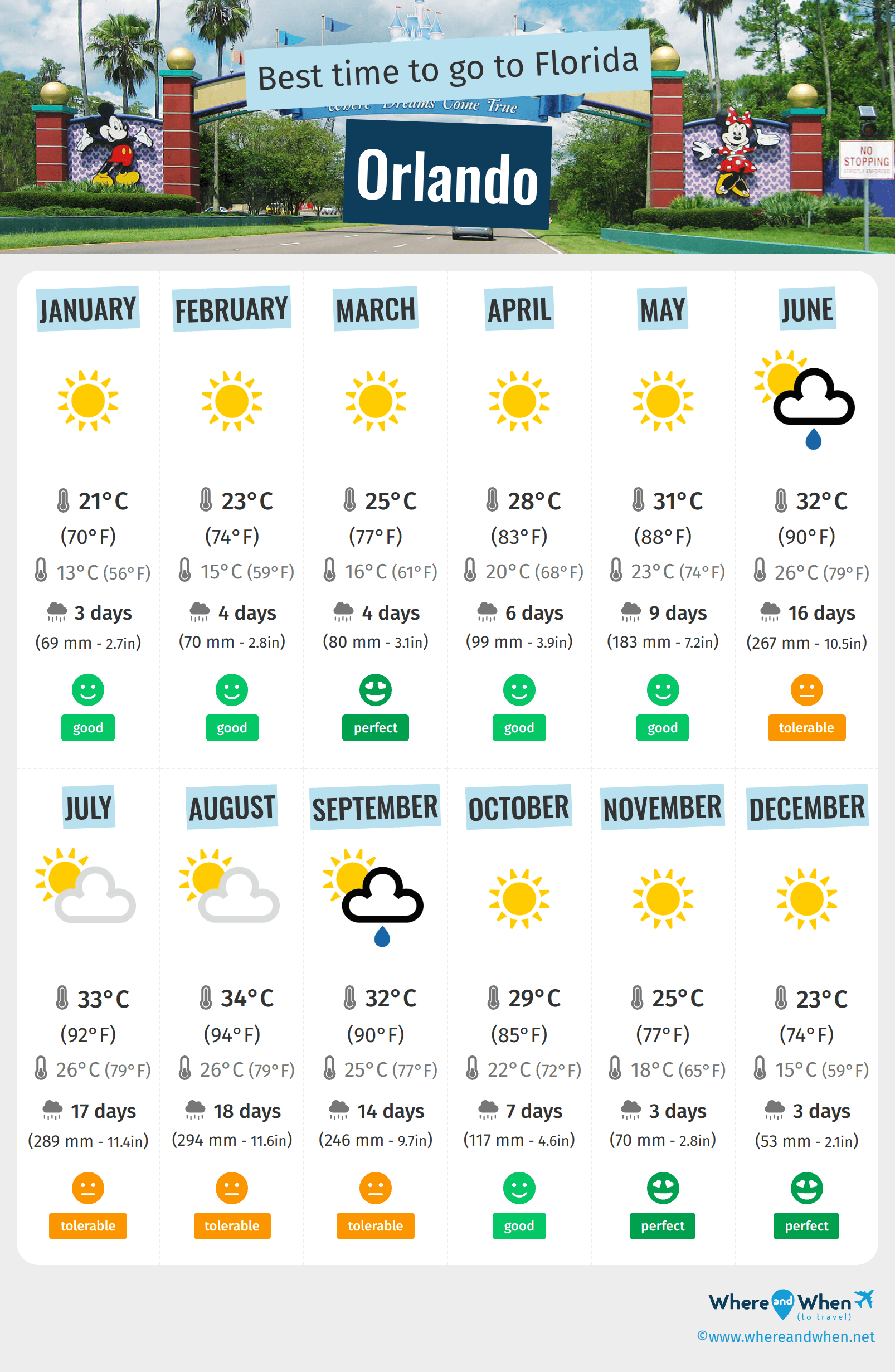
Summer in Orlando is a period of intense heat and significant humidity, defining the peak season for water parks and indoor attractions. From early June through late September, average daily high temperatures consistently hover in the high 80s to low 90s Fahrenheit (around 30-35°C). Nights offer little reprieve, with lows typically in the mid-70s Fahrenheit (24-25°C). What truly sets Orlando summers apart is the high humidity, often making the “real feel” temperature significantly higher. This period also coincides with the region’s rainy season, characterized by daily afternoon thunderstorms. These showers are often brief but intense, providing a temporary cooldown before the heat returns.
Travelers visiting during these months should prepare for the conditions. Hydration is critical, as is lightweight, breathable clothing. Sunscreen, hats, and sunglasses are non-negotiable. Many visitors opt for early morning park visits, retreating to their hotel pools or air-conditioned indoor attractions during the hottest parts of the day. This season is also part of the Atlantic Hurricane Season, which officially runs from June 1st to November 30th, with the highest activity typically from August to October. While direct hurricane hits are rare for inland Orlando, tropical storms can bring several days of heavy rain and wind, so staying informed about weather forecasts is always wise.
Fall (October – November): A Sweet Spot for Visitors
The transition from summer to fall in Orlando brings some of the most pleasant weather of the year, making October and November particularly popular months for tourism. The oppressive humidity of summer begins to dissipate, and temperatures become much more agreeable. Average daily highs range from the mid-70s to low 80s Fahrenheit (24-29°C), with comfortable evenings settling into the low to mid-60s Fahrenheit (15-18°C). Rainfall significantly decreases, meaning more sunny days and fewer afternoon downpours.
This “sweet spot” weather is ideal for exploring Orlando’s outdoor attractions without the intense heat fatigue. Theme parks are particularly enjoyable, and outdoor dining experiences become more appealing. Many resorts and attractions host special fall events, such as the Epcot International Food & Wine Festival at Walt Disney World Resort or Halloween Horror Nights at Universal Studios Florida, which benefit greatly from the milder climate. While mornings can be a bit crisp, layering is usually sufficient, with shorts and t-shirts remaining viable options for daytime wear.
Winter (December – February): Mild and Pleasant
Orlando’s winter months, from December to February, are often considered the most comfortable time to visit for those sensitive to heat. The air is typically dry, crisp, and sunny, making it perfect for extensive park exploration and outdoor activities. Average daily high temperatures range from the low 60s to mid-70s Fahrenheit (15-24°C), with nights cooling down to the low 40s or 50s Fahrenheit (4-12°C). While cold fronts can occasionally bring temperatures down further, even dipping into the 30s Fahrenheit (around 0°C) for a few days, these cold snaps are generally short-lived.
This period sees minimal rainfall and low humidity, creating an inviting environment for walking and enjoying the vibrant atmosphere. Many United States and international visitors flock to Orlando during the winter holidays to escape colder climates, leading to higher crowd levels around Christmas and New Year’s. Packing layers is essential, as mornings and evenings can be quite cool, while mid-day often warms up enough for lighter attire. Walt Disney World Resort, Universal Orlando Resort, and other attractions typically feature festive holiday decorations and special events that are best enjoyed in the pleasant winter air.
Spring (March – May): Beautiful Blooms and Rising Temps
Spring in Orlando, spanning March through May, offers a delightful balance of warming temperatures and increasing sunshine. This season is characterized by vibrant blooms across the city and a gradual increase in both temperature and humidity as summer approaches. Daily highs typically range from the mid-70s to mid-80s Fahrenheit (24-30°C), with comfortable lows in the low to mid-60s Fahrenheit (15-18°C). Rainfall is generally low in March and April, but begins to pick up in May as the region transitions towards its summer weather pattern.
Spring is an excellent time for visiting Orlando’s theme parks, with comfortable walking weather before the full intensity of summer sets in. However, it’s also a popular time for spring break travelers, so crowd levels can be high, particularly in March and April. The rising temperatures make water attractions and hotel pools increasingly inviting. Packing light clothing, sunscreen, and perhaps a light jacket for cooler evenings early in the season, is advisable. This period provides a wonderful opportunity to experience the best of Orlando with generally favorable weather conditions.
Planning Your Orlando Adventure Around the Weather
Understanding Orlando’s climate is not just about knowing what to pack; it’s about strategically planning your entire vacation to maximize enjoyment and minimize discomfort. From tailoring your park strategy to choosing the right gear, proactive planning ensures that Orlando’s temperatures enhance, rather than hinder, your adventure.
Optimizing Your Itinerary for Comfort

Regardless of the season, a smart itinerary can make a world of difference. During the hot summer months, prioritize early morning park visits to hit popular rides before the heat and crowds become overwhelming. Consider taking a mid-day break back at your hotel for a swim, a nap, or a leisurely lunch in an air-conditioned restaurant. Many visitors return to the parks in the cooler evenings to enjoy parades, fireworks, and shorter lines. Water parks like Universal’s Volcano Bay or Disney’s Typhoon Lagoon are essential summer activities.
In the milder fall and winter, you have more flexibility. Full days in the parks are much more manageable, allowing you to explore at a relaxed pace. Even during these cooler months, layering is key, as temperatures can fluctuate throughout the day. Spring offers a balance, where mornings are fresh, and afternoons can get warm, making mid-day breaks still a good idea, especially for families with young children. Always check specific park hours and showtimes, as these can vary seasonally and may be influenced by weather events.
Packing Essentials for Every Season
Your packing list will be heavily influenced by when you visit:
- Summer (June-September): Lightweight, moisture-wicking clothing (shorts, t-shirts, dresses), sandals, comfortable walking shoes, a wide-brimmed hat, sunglasses, plenty of sunscreen, and reusable water bottles are essential. A small, portable fan can be a lifesaver. Don’t forget swimwear for resort pools and water parks. A lightweight rain poncho or compact umbrella is crucial for those daily afternoon thunderstorms.
- Fall (October-November): Still mostly light clothing, but add a light jacket or cardigan for cooler evenings. Long pants might be comfortable for some evening activities.
- Winter (December-February): Layers are your best friend. Pack t-shirts for warm afternoons, but definitely bring sweaters, hoodies, and a medium-weight jacket or coat for mornings, evenings, and any cold snaps. Closed-toe shoes are generally more comfortable.
- Spring (March-May): Similar to fall, light clothing with a jacket or cardigan for cooler parts of the day. As May approaches, swimwear becomes more relevant.
Regardless of the season, comfortable walking shoes are paramount. You’ll be doing a lot of walking in Orlando’s expansive theme parks. Also, consider any specific needs for attractions, such as water shoes for water parks or comfortable attire for active excursions like kayaking or airboat tours.
Beyond the Theme Parks: Weather-Friendly Activities
Orlando’s appeal extends far beyond its famous theme parks, offering a wealth of activities suitable for various weather conditions.
- Hot Weather Escapes: On particularly hot days, explore indoor attractions like the Kennedy Space Center Visitor Complex (a short drive east), museums like the Orlando Science Center, or immense shopping complexes such as the Mall at Millenia and Orlando Premium Outlets. Catch a movie at Universal CityWalk or Disney Springs, which also offer extensive dining and entertainment options with plenty of air-conditioned spaces.
- Cooler Weather Adventures: The milder temperatures of fall and winter are perfect for exploring Orlando’s natural beauty. Take a stroll around Lake Eola Park in downtown Orlando, enjoy an airboat ride through the Everglades to spot alligators at Gatorland, or visit the charming town of Winter Park for its boutiques and scenic boat tour. Outdoor sports like golf or mini-golf at ICON Park become much more enjoyable.
- Rainy Day Solutions: Orlando is well-equipped for rainy days. Beyond the shopping malls, consider indoor entertainment complexes like Dezerland Park Orlando with its car museum and attractions, or catch a show at the Dr. Phillips Center for the Performing Arts. Many resorts also offer robust indoor activities and kids’ clubs.
Accommodation and Lifestyle: Finding Your Perfect Orlando Stay
Your choice of accommodation and how you approach the local lifestyle in Orlando are intrinsically linked to the city’s prevailing temperatures and climate. From luxurious resorts designed to provide respite from the heat to budget-friendly options that still offer essential comforts, there’s a perfect match for every traveler.
Choosing Hotels and Resorts Based on Climate Needs
In Orlando, a high-quality air conditioning system isn’t a luxury; it’s a necessity, especially during the long summer months. When booking your accommodation, prioritize establishments that are known for their comfortable, well-maintained rooms. Many hotels, especially the larger resorts, offer state-of-the-art climate control to ensure guests can escape the heat and humidity after a day of adventures.
Resorts with exceptional pool complexes and water features become particularly desirable from late spring through early fall. Properties like the Four Seasons Resort Orlando at Walt Disney World Resort or Loews Portofino Bay Hotel at Universal Orlando Resort boast elaborate water parks, lazy rivers, and splash pads, providing hours of fun and a refreshing way to cool down. Even mid-range options like the Walt Disney World Swan and Dolphin Resort or Rosen Shingle Creek understand the importance of ample aquatic amenities. For those on a budget, look for hotels with a decent-sized pool, as it will be a welcome amenity after a warm day.
Consider the proximity of your accommodation to the attractions you plan to visit. Staying on-site at Walt Disney World Resort or Universal Orlando Resort offers easy access via resort transportation, minimizing time spent waiting outdoors for taxis or ride-shares, which can be a significant advantage in hot weather. Areas like Kissimmee and International Drive also offer a wide array of hotels, villas, and apartments that cater to different budgets, many with excellent pool facilities and shuttle services. For longer stays or larger families, renting a villa with a private pool can be an ideal solution, offering a personal oasis to combat the heat.
Experiencing Orlando’s Lifestyle in Any Weather
Orlando’s lifestyle is undeniably shaped by its sun-drenched climate, fostering an outdoor-oriented culture blended with world-class indoor entertainment. For family trips, managing children in the heat requires careful planning – frequent breaks, staying hydrated, and utilizing stroller fans are common tactics. Many attractions offer indoor play areas or misting stations.
Luxury travel in Orlando often means indulging in resorts with sprawling amenities, including climate-controlled spas, fine dining establishments, and exclusive pool areas that cater to comfort in any weather. Indoor activities like high-end shopping at The Mall at Millenia or gourmet cooking classes offer sophisticated escapes from the elements.
For budget travel, enjoying Orlando in any temperature is still highly achievable. Utilize free water features in public spaces or cool off in hotel pools. Picnics in shaded parks like Lake Eola Park or exploring the historic charm of Celebration can be pleasant on milder days. The local culture, often characterized by relaxed, friendly vibes, can be enjoyed by sampling diverse cuisine in air-conditioned restaurants or catching an indoor show. Even on cooler days, a walk along the scenic promenades of Disney Springs or Universal CityWalk is invigorating.
In conclusion, while Orlando’s temperatures lean towards the warmer side, with a noticeable peak in summer heat and humidity, the city remains an incredible year-round destination. By understanding its seasonal nuances and planning accordingly, you can optimize your travel, accommodation, and activities to ensure maximum comfort and enjoyment. Whether you seek the refreshing splash of a water park in July or the gentle breezes of a December evening, Orlando’s diverse climate truly offers a magical experience for every visitor, provided you come prepared.
LifeOutOfTheBox is a participant in the Amazon Services LLC Associates Program, an affiliate advertising program designed to provide a means for sites to earn advertising fees by advertising and linking to Amazon.com. Amazon, the Amazon logo, AmazonSupply, and the AmazonSupply logo are trademarks of Amazon.com, Inc. or its affiliates. As an Amazon Associate we earn affiliate commissions from qualifying purchases.