
Orlando, Florida, affectionately known as “The Theme Park Capital of the World,” beckons millions of visitors annually with its thrilling attractions, luxurious resorts, and vibrant tourism scene. However, for any traveler planning a trip to this sunny paradise, understanding the local climate is paramount. The temperature in Orlando isn’t just a number; it dictates everything from what to pack to the best time to visit Walt Disney World Resort or Universal Orlando Resort. Known for its humid subtropical climate, Orlando experiences distinct, albeit mild, seasonal variations that profoundly impact the travel experience. From the sweltering, storm-prone summers to the pleasantly warm winters, being prepared for the temperature fluctuations will ensure your Orlando adventure is as magical as you imagine. This comprehensive guide will delve into Orlando’s climate year-round, offering insights into how the weather influences travel planning, accommodation choices, and the overall lifestyle of your vacation.
Understanding Orlando’s Climate: A Year-Round Perspective
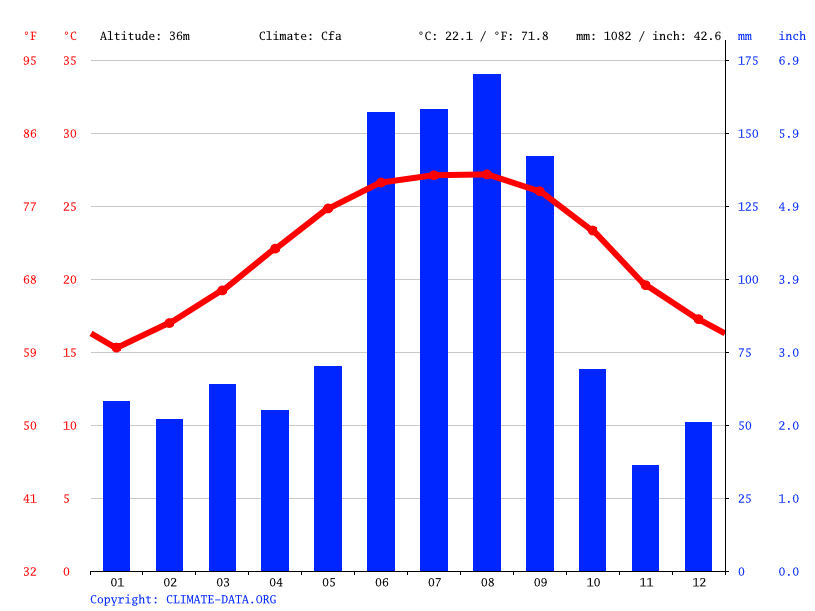
Orlando’s climate is characterized by warm, humid summers and mild, relatively dry winters. The city sits in the heart of the Sunshine State, meaning abundant sunshine is typically a given, but heat and humidity are key factors to consider, especially during peak seasons.
Summer (June-August): Hot, Humid, and Thundery
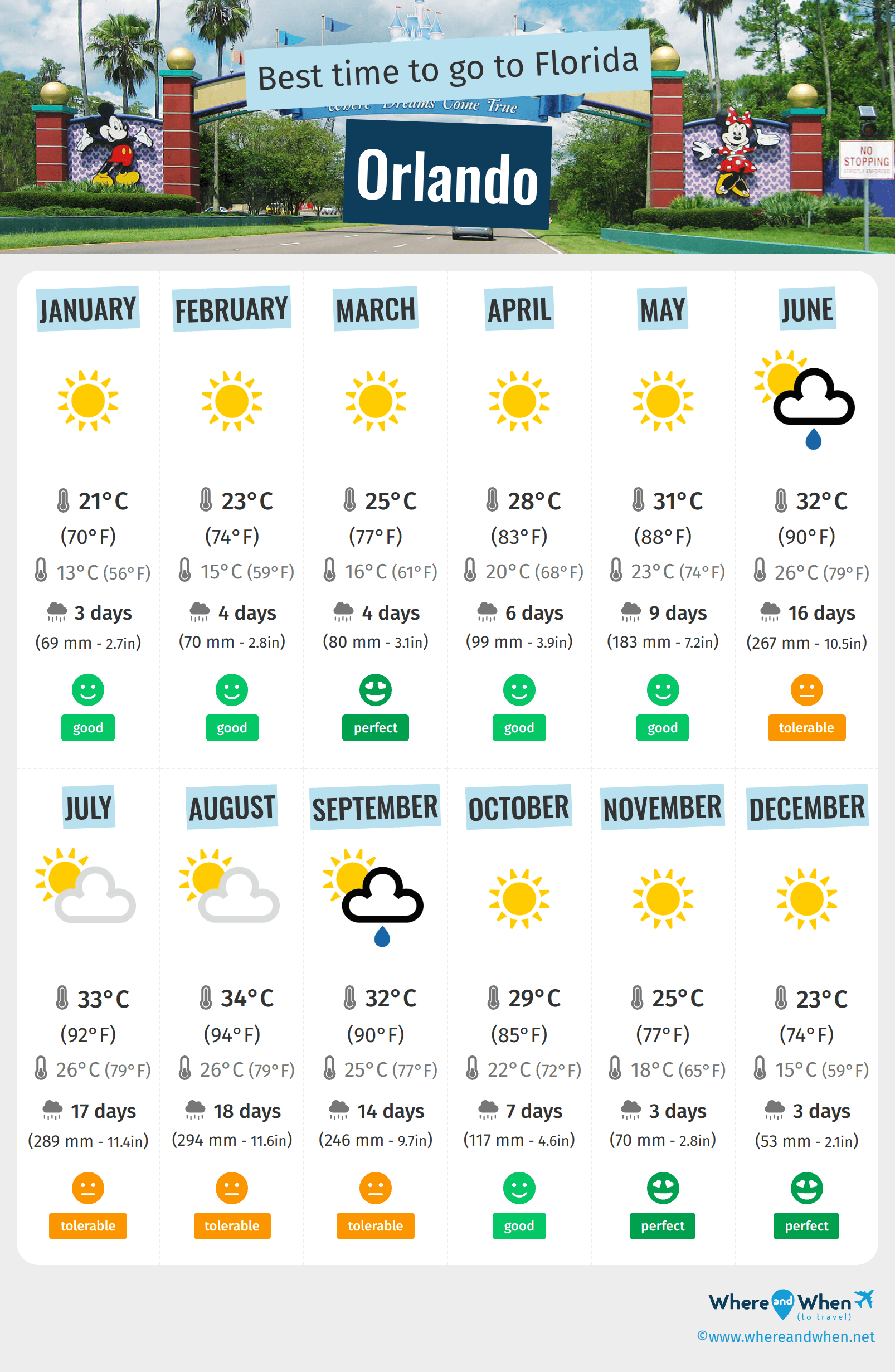
Summer in Orlando is undeniably hot and humid, making it the most challenging season for many visitors, yet it’s also when many families travel due to school holidays. Average daily temperatures typically hover between 80°F (27°C) and 92°F (33°C), often feeling much hotter due to the high humidity, which can push the “real feel” into the triple digits. Nighttime temperatures offer little relief, rarely dipping below 70°F (21°C).
This season also marks the start of the rainy season, characterized by frequent afternoon thunderstorms. These storms, while often brief, can be intense, bringing heavy downpours, lightning, and strong winds. They usually pass quickly, leaving behind refreshed air and steamy sidewalks. For those traveling during these months, hydration and sun protection are non-negotiable. Many attractions, like the various water parks such as Typhoon Lagoon and Blizzard Beach at Walt Disney World Resort or Volcano Bay at Universal Orlando Resort, become essential for cooling off.
Fall (September-November): A Welcome Respite
As summer transitions into fall, Orlando experiences a gradual but noticeable improvement in weather conditions. September can still feel very much like summer, with temperatures often in the high 80s°F (around 30-32°C) and continued humidity. However, by October, the humidity starts to drop, and average daily temperatures settle into a more comfortable 70°F (21°C) to 85°F (29°C) range. November brings even more pleasant conditions, with daytime highs typically in the mid-70s°F (around 24°C) and cooler evenings.
The frequency of afternoon thunderstorms significantly decreases during fall, making it a favorite time for many tourists. The pleasant weather allows for more comfortable exploration of outdoor attractions and landmarks. This period is also popular for various seasonal events, such as Epcot’s International Food & Wine Festival or Halloween Horror Nights at Universal Studios Florida, which benefit greatly from the cooler, drier air.
Winter (December-February): Mild and Pleasant
Winter in Orlando is often considered the peak season for comfort, offering a delightful escape from colder climates. Average daytime temperatures range from a very comfortable 60°F (16°C) to 75°F (24°C). While cold fronts can occasionally bring temperatures down into the 40s°F (4-9°C) for a few days, these are usually short-lived, and frost is rare. Nights can be cool, often dipping into the 50s°F (10-15°C), sometimes even lower, making a light jacket or sweater a necessity, especially for evening activities at Disney Springs or Universal CityWalk.
Humidity levels are at their lowest during winter, leading to crisp, clear skies and an abundance of sunshine. Rain is less frequent, and when it does occur, it’s typically in the form of light showers rather than intense thunderstorms. This is an ideal time for golfing, exploring Lake Eola Park in Downtown Orlando, or taking a day trip to the Kennedy Space Center Visitor Complex without the oppressive heat. The mild temperatures also make walking around expansive parks like Magic Kingdom much more enjoyable.
Spring (March-May): Warm and Inviting
Spring in Orlando is a beautiful season, often seen as a sweet spot before the intense summer heat sets in. Temperatures steadily climb from March through May, starting with averages in the low 70s°F (around 22°C) in March and reaching the low 80s°F (around 28°C) by May. Nighttime lows range from the 50s°F (10-15°C) to the high 60s°F (18-20°C).
Humidity levels remain relatively comfortable through much of spring, though they begin to increase noticeably in May as the region transitions towards summer. Rainfall is generally light in March and April, with May seeing a gradual increase in afternoon shower activity. This period is perfect for enjoying outdoor attractions, botanical gardens like Harry P. Leu Gardens, and experiencing the vibrant natural beauty of Florida. The pleasant weather, combined with various spring break events and festivals, makes this a popular time for travel, drawing both families and young adults to Orlando.
Planning Your Orlando Getaway: Weather-Wise Travel Tips
Understanding Orlando’s seasonal temperatures is crucial for a smooth and enjoyable trip. Careful planning around the weather can significantly enhance your experience, especially concerning packing, activity selection, and timing your visits to attractions.
What to Pack for Each Season
- Summer: Lightweight, breathable clothing (cotton, linen), swimsuits, wide-brimmed hats, sunglasses, high SPF sunscreen, comfortable waterproof sandals/shoes, and a compact umbrella or poncho for sudden downpours. Staying hydrated with a reusable water bottle is also key.
- Fall: Layers are your best friend. Light long-sleeved shirts, shorts, pants, and a light jacket or cardigan for cooler evenings. Swimsuits are still useful for hotel pools.
- Winter: A mix of shorts, pants, short-sleeved shirts for warm days, and several sweaters, hoodies, or a medium-weight jacket for cooler mornings, evenings, and occasional cold snaps. Closed-toe shoes are recommended, especially if it gets chilly.
- Spring: Similar to fall, layers are advisable. Shorts, light pants, short-sleeved shirts, and a light jacket or sweater for evenings. Don’t forget swimwear for pool days.
Best Times to Visit Theme Parks and Attractions
The “best” time to visit Orlando often balances crowd levels with comfortable temperatures.
- Winter (Early December, January, early February): These months offer the most pleasant temperatures, ideal for spending long days exploring Magic Kingdom, Islands of Adventure, or SeaWorld Orlando without overheating. Crowds can be high during holiday weeks but generally manageable otherwise.
- Fall (Late September, October, November): Excellent weather, with diminishing humidity and comfortable temperatures. This period offers a great balance, though late October can see increased crowds for Halloween events.
- Spring (March-May): Generally good weather, but spring break periods can bring significant crowds and higher prices. Visiting mid-week or in the latter half of April (after Easter/Spring Break rush) can offer a good compromise.
- Summer (June-August): While hot and humid, summer sees peak crowds, especially at water parks. If you must visit in summer, plan to arrive at parks early, utilize indoor attractions during the hottest parts of the day, and take advantage of cooling water rides and resorts with fantastic pools like the Four Seasons Resort Orlando at Walt Disney World Resort or Ritz-Carlton Orlando, Grande Lakes.
Adapting Activities to the Weather
- Hot Weather (Summer): Focus on water parks, resort pools, indoor shows at theme parks, air-conditioned shopping at The Florida Mall or Mall at Millenia, and early morning or late evening park visits. Use FastPass/Genie+ or Universal Express to minimize outdoor waiting.
- Mild Weather (Fall, Winter, Spring): Perfect for extended outdoor activities like golfing, exploring ICON Park, strolling through Gatorland, or enjoying outdoor dining. Consider visiting natural springs like Wekiwa Springs State Park for a taste of Florida’s nature.
- Rainy Days: Have a backup plan for indoor attractions like Disney’s Hollywood Studios‘ many indoor rides, or explore the wonders of Epcot’s World Showcase pavilions. Many Orlando resorts offer fantastic indoor activities, spas, and kids’ clubs.
Beyond the Forecast: How Orlando’s Weather Shapes Your Experience
The climate of Orlando extends its influence far beyond simply what clothes you pack. It significantly impacts your choice of accommodation, the type of experiences you seek, and even your approach to budgeting and luxury travel.
Accommodation Choices for Every Season
Hotels and resorts in Orlando are well-equipped to handle the varying temperatures. In summer, properties with expansive pool complexes, like Disney’s Contemporary Resort or Universal’s Hard Rock Hotel, become prime choices for families looking to cool off. Look for resorts offering robust air conditioning, shaded common areas, and perhaps even indoor activities for those inevitable afternoon showers.
During the cooler winter months, while pools are still popular (many are heated), guests might prioritize accommodations with cozy common areas, fire pits (a growing trend), or easy access to indoor entertainment. Luxury options like the Waldorf Astoria Orlando or Universal’s Loews Portofino Bay Hotel often provide exceptional amenities that make any weather enjoyable, from world-class dining to elaborate spas. For budget travelers or those opting for longer stays, apartments or villas in areas like Kissimmee or Lake Buena Vista offer flexibility and amenities like private pools that are delightful in milder weather and a necessity in summer.

Embracing Orlando’s Outdoor Lifestyle
Orlando’s climate enables a vibrant outdoor lifestyle for much of the year. Beyond the theme parks, golf courses thrive, offering lush greens under the Florida sun. Winter and spring are particularly ideal for rounds at courses attached to resorts like Rosen Shingle Creek or Hyatt Regency Orlando. Boating, fishing, and exploring the numerous nature trails in state parks are also popular. Even during the intense summer, many activities can be enjoyed early in the morning or later in the evening, taking advantage of slightly cooler temperatures. Local tourism thrives on providing experiences that adapt to the weather, from airboat rides across the Everglades to indoor skydiving.
Special Events and Seasonal Considerations
Orlando hosts a plethora of special events, many of which are strategically timed to coincide with favorable weather. Holiday events at Walt Disney World Resort and Universal Orlando Resort in November and December, for instance, are perfectly matched with the cooler, festive ambiance. Similarly, garden festivals at Epcot in spring celebrate the blooming flora under delightful temperatures. Those looking for budget-friendly travel might find better deals during the slower, hotter months of late summer, despite the weather challenges, as accommodation and flight prices tend to drop. Conversely, luxury travelers seeking comfort and exclusivity might prefer the peak, mild seasons, where premium resort experiences are often enhanced by ideal outdoor conditions.
Making the Most of Orlando’s Diverse Offerings
Regardless of the temperature, Orlando offers a wealth of experiences tailored to diverse tastes and budgets. Adapting your itinerary to the prevailing weather conditions is key to unlocking the full potential of your trip, ensuring every aspect, from culinary delights to thrilling adventures, is enjoyable.
Culinary Adventures and Indoor Comforts
When the sun beats down relentlessly or an afternoon shower rolls in, Orlando’s culinary scene provides a welcome retreat. From high-end dining experiences at Disney Springs to themed restaurants at Universal CityWalk, there are endless opportunities to savor delicious meals in air-conditioned comfort. Many restaurants, especially along International Drive, offer diverse cuisines that cater to every palate, providing a delightful way to escape the elements. Additionally, Orlando boasts a growing craft brewery scene and numerous indoor entertainment venues like escape rooms, dinner shows, and museums, which serve as excellent alternatives when outdoor activities are less appealing due to extreme temperatures or rain. These options allow visitors to dive into the local culture and lifestyle without sacrificing comfort.
Navigating Budget vs. Luxury Travel in Different Climates
The temperature can also influence the dynamics of budget and luxury travel in Orlando. During peak seasons with ideal weather (winter and spring), luxury travel often thrives. Resorts command higher prices, and exclusive experiences are in high demand. Travelers seeking a lavish lifestyle might find the mild, dry conditions perfect for enjoying resort amenities, fine dining, and uncrowded park visits facilitated by VIP tours.
Conversely, budget travelers might find greater value during the hotter, wetter summer months or the shoulder seasons. While the weather might require more strategic planning (e.g., shorter park days, focusing on water activities), reduced accommodation rates and flight prices can make a significant difference. Budget-conscious families might prioritize vacation rentals with private pools to manage the heat or explore free and low-cost attractions like Lake Eola Park or exploring the charming town of Winter Park during cooler parts of the day. Effective management of the temperature, through clever scheduling and appropriate packing, allows both luxury and budget travelers to enjoy Orlando to its fullest.
In conclusion, while Orlando, Florida, is synonymous with sunshine and fun, its temperature profile is a critical element for any visitor to consider. From the exhilarating heat of summer to the refreshing mildness of winter, each season offers a unique experience. By understanding these climatic nuances and planning accordingly, travelers can ensure their journey to this iconic destination is comfortable, memorable, and truly magical, making the most of all the incredible travel, tourism, and lifestyle opportunities the city has to offer.