
Pensacola, Florida, a charming city nestled on the Gulf Coast, beckons travelers with its pristine white-sand beaches, vibrant history, and a laid-back atmosphere. Whether you’re planning a sun-drenched escape, a cultural immersion, or a family adventure, understanding the climate is paramount to crafting the perfect itinerary. This comprehensive guide will delve into Pensacola’s temperature and weather patterns, offering insights that will help you pack your bags and make the most of your visit to this captivating destination.
Pensacola experiences a humid subtropical climate, characterized by warm, humid summers and mild winters. This means that most of the year offers comfortable temperatures for outdoor activities, though visitors should be prepared for the occasional summer downpour. The proximity to the Gulf of Mexico plays a significant role in moderating the temperature, preventing extreme cold in the winter and providing a refreshing coastal breeze during the warmer months.

Understanding Pensacola’s Seasonal Climate
To truly grasp what to expect temperature-wise in Pensacola, it’s essential to break down the climate by season. Each period of the year offers a distinct experience, influencing the types of activities you might enjoy and the clothing you’ll need.
Summer (June – August): The Heart of Sunshine and Warmth
Summers in Pensacola are quintessentially Floridian: hot, humid, and undeniably summery. Average daily temperatures hover in the upper 80s Fahrenheit (around 30-32°C), with highs frequently climbing into the low 90s (32-34°C). The humidity can make these temperatures feel even warmer, so staying hydrated and seeking shade during the hottest parts of the day is crucial.
The evenings offer a welcome respite, with temperatures cooling down to the mid-70s Fahrenheit (around 24-26°C). This is the perfect time to enjoy a stroll along the beach or dine al fresco. While the sun shines brightly for much of the summer, this season also brings a higher chance of afternoon thunderstorms. These are typically short-lived but can be intense, featuring heavy rain and lightning. It’s wise to have indoor alternatives planned for these periods.
For travelers visiting during the summer, lightweight, breathable clothing is a must. Think cotton shorts, t-shirts, sundresses, and swimwear. Don’t forget a wide-brimmed hat, sunglasses, and high-SPF sunscreen to protect yourself from the strong Gulf Coast sun. A light rain jacket or umbrella is also advisable for those unexpected showers.
Autumn (September – November): A Pleasant Transition
As summer gives way to autumn, Pensacola experiences a delightful shift in its weather. The intense heat and humidity begin to subside, making September, October, and November some of the most pleasant months to visit. The average daytime temperatures gradually decrease, typically ranging from the mid-70s to the low 80s Fahrenheit (24-28°C) in September and October, and then settling into the 60s and low 70s Fahrenheit (18-22°C) by November.
The humidity also becomes more manageable, offering a comfortable environment for exploring the city’s attractions. Evenings become cooler, often dipping into the 50s and 60s Fahrenheit (10-15°C), making it ideal for enjoying the local culinary scene or attending outdoor events. While the chance of hurricanes exists during the early part of autumn, the risk generally diminishes as the season progresses.
Autumn is a fantastic time for outdoor activities in Pensacola. Whether you’re visiting the historic downtown area, exploring the natural beauty of the nearby state parks, or enjoying water sports, the milder temperatures make it all the more enjoyable. Pack layers, including long-sleeved shirts, light sweaters, and comfortable trousers, in addition to your usual summer essentials.
Winter (December – February): Mild and Inviting
Pensacola’s winters are notably mild compared to many other parts of the United States. Freezing temperatures are rare, and snow is practically unheard of. The average daytime temperatures during the winter months typically range from the low 50s to the low 60s Fahrenheit (10-17°C). Highs can sometimes reach into the 60s, especially on sunny days.
Nights and early mornings can be cooler, with temperatures often dropping into the 30s and 40s Fahrenheit (0-9°C). While not cold enough for heavy winter coats, visitors should pack warmer layers, such as sweaters, light jackets, and long pants. It’s not uncommon to see locals wearing shorts on warmer winter days, but for most visitors, a combination of warmer clothing will ensure comfort.
Winter is a wonderful time to experience Pensacola at a more relaxed pace. The beaches are less crowded, and the cooler temperatures are perfect for exploring historical sites like the Fort Pickens or taking a scenic drive along the coast. The holiday season also brings a festive atmosphere to the city, with special events and decorations.
Spring (March – May): A Blooming Renaissance
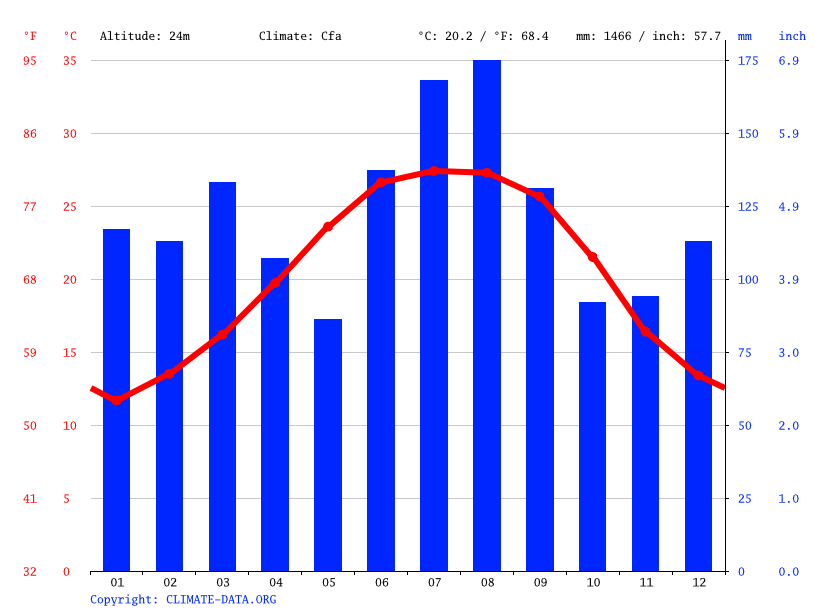
Spring in Pensacola marks a beautiful resurgence of warmth and sunshine. As the winter chill recedes, temperatures begin to climb steadily, making this season a popular choice for visitors. March typically sees average daytime temperatures in the 60s Fahrenheit (15-20°C), which then progress into the 70s and 80s Fahrenheit (21-30°C) by May.
The humidity gradually increases as spring progresses, but it’s generally more moderate than in the summer months. The landscape bursts into bloom, with azaleas and other flowering plants adding vibrant colors to the city and its surrounding natural areas. Evenings remain pleasant, usually in the 50s and 60s Fahrenheit (10-20°C), perfect for enjoying the outdoor ambiance.
Spring is an ideal time for exploring Pensacola’s numerous attractions. Whether you’re interested in visiting the Naval Aviation Museum, kayaking through the coastal marshes, or simply relaxing on the beach, the spring weather provides an excellent backdrop. Pack clothing similar to what you would wear in late spring or early autumn, with layers being key to adapting to the varying temperatures throughout the day.
Factors Influencing Pensacola’s Temperature
Several key geographical and meteorological factors contribute to Pensacola’s distinct climate and temperature fluctuations throughout the year. Understanding these influences can provide a deeper appreciation for the city’s weather patterns.
The Gulf of Mexico’s Moderating Effect
The most significant factor influencing Pensacola’s temperature is its location on the Gulf of Mexico. The vast body of water acts as a natural thermostat. In the summer, the Gulf absorbs a tremendous amount of solar heat, which then slowly releases it, preventing temperatures from soaring to extreme highs. Conversely, in the winter, the Gulf’s stored heat moderates the air temperature, preventing it from dropping to frigid levels. This moderating effect is why Pensacola enjoys relatively mild winters and less extreme summer heat compared to inland cities at similar latitudes. The presence of the Gulf also contributes to the city’s characteristic humidity, as water evaporates from its surface and is carried inland by prevailing winds.
Prevailing Winds and Weather Systems
The prevailing winds in Pensacola generally blow from the south or southwest, bringing warm, moist air from the Gulf of Mexico. This contributes to the high humidity, especially during the summer months. However, the passage of weather systems, such as cold fronts from the north in winter or tropical systems during hurricane season (June 1st to November 30th), can cause significant, albeit often temporary, shifts in temperature and weather conditions. These fronts can bring cooler, drier air, leading to noticeable temperature drops, particularly in the fall and winter. Understanding these wind patterns and the potential for weather system passages is crucial for anticipating any deviations from the average temperatures.
Planning Your Pensacola Adventure Around the Temperature
Knowing the typical temperatures for each season allows for strategic planning of your trip to Pensacola, ensuring you maximize your enjoyment of the city’s diverse offerings. Whether your priority is beach time, historical exploration, or culinary indulgence, aligning your visit with the weather can make all the difference.
Beach Bliss and Water Activities
For those whose primary goal is to soak up the sun and enjoy the renowned beaches of Pensacola, like Pensacola Beach, the warmest months are undoubtedly the most popular. From May through September, the Gulf waters are warm enough for comfortable swimming, snorkeling, and a wide array of water sports. The average water temperature during these months ranges from the mid-70s to the low 80s Fahrenheit (24-28°C). While the air temperatures are hottest during this period, the coastal breezes and the refreshing ocean offer a pleasant counterpoint. However, be prepared for crowds, especially during peak summer holidays. For a less crowded beach experience with still-warm water, consider late May or early September.
Exploring Pensacola’s Rich History and Culture
Pensacola boasts a deep and fascinating history, evident in its numerous historical sites and museums. Exploring these on foot is most comfortable during the cooler, drier months. Spring (April-May) and Fall (October-November) offer ideal conditions, with average temperatures ranging from the pleasant 60s to low 80s Fahrenheit (15-28°C). This allows for extended periods of exploration without the discomfort of extreme heat or humidity. Visits to landmarks such as Fort Pickens, the Pensacola Historic Village, and the Naval Aviation Museum are significantly more enjoyable when the weather is mild. Evenings in these seasons are perfect for discovering the city’s vibrant downtown, perhaps enjoying a meal at one of the many excellent restaurants or taking in a show at the Saenger Theatre.

Accommodations and Lifestyle Considerations
The temperature in Pensacola also influences the type of accommodation and lifestyle you might choose. During the sweltering summer months, properties with excellent air conditioning and easy access to pools or the beach are highly desirable. Many resorts, such as the Grand Hotel Golf Resort & Spa (though located in Fairhope, Alabama, it serves as a reference for Gulf Coast luxury resorts and is a comparable type of establishment to what one might find or consider near Pensacola), offer amenities like water parks and shaded relaxation areas. For budget-conscious travelers, visiting during the shoulder seasons of spring and fall can offer more affordable rates on accommodations, while still providing excellent weather for exploration. Long-term stays are also feasible year-round, with winter offering a peaceful escape from colder climates for those seeking a milder lifestyle.
Ultimately, Pensacola, Florida, offers a temperate climate that is conducive to a wide range of activities throughout the year. By understanding the seasonal temperature variations and considering factors like humidity and the moderating influence of the Gulf, you can confidently plan your perfect getaway to this beautiful coastal gem. Whether you’re drawn by the allure of its beaches, the echoes of its history, or the promise of a relaxed lifestyle, Pensacola awaits with open arms and a welcoming climate.