
San Francisco, a jewel on the northern tip of the San Francisco Peninsula, is renowned for its iconic landmarks, vibrant culture, and innovative spirit. Yet, among its many unique characteristics, one often takes center stage in conversations and travel planning: its notoriously unpredictable temperature. Unlike many other major cities in the United States that experience four distinct seasons with predictable temperature swings, San Francisco marches to the beat of its own climatic drum. Visitors frequently arrive expecting the warm, sunny weather often associated with California, only to be met with a chilly breeze and a blanket of fog, even in the height of summer. Understanding the nuances of San Francisco’s temperature is not just about checking a forecast; it’s about unlocking the secrets to a truly enjoyable and well-prepared trip to this extraordinary city. From what to pack to where to stay and what to do, the local climate influences every aspect of the travel experience.
Unraveling San Francisco’s Unique Microclimates
The question “What’s the temperature in San Francisco?” rarely has a simple, singular answer. The city is famous for its microclimates, where conditions can vary dramatically from one neighborhood to another, sometimes just a few blocks apart. This phenomenon is primarily due to its geography – a hilly peninsula surrounded by the Pacific Ocean and the expansive San Francisco Bay. These elements conspire to create a climate that is generally mild year-round, but with significant daily and localized fluctuations that can surprise even seasoned travelers.
The Enigmatic Fog and Coastal Influence
The most defining feature of San Francisco’s temperature profile is its ubiquitous fog, affectionately nicknamed “Karl the Fog” by locals. This advective fog forms when warm, moist air from the Pacific Ocean moves over the cooler waters offshore and then encounters the cooler land temperatures of the San Francisco Peninsula. As it rolls in, typically in the late afternoon or evening and often burning off by midday, it acts as a natural air conditioner, dropping temperatures significantly and creating a dramatic visual spectacle as it envelops the Golden Gate Bridge or shrouds the city’s iconic hills.
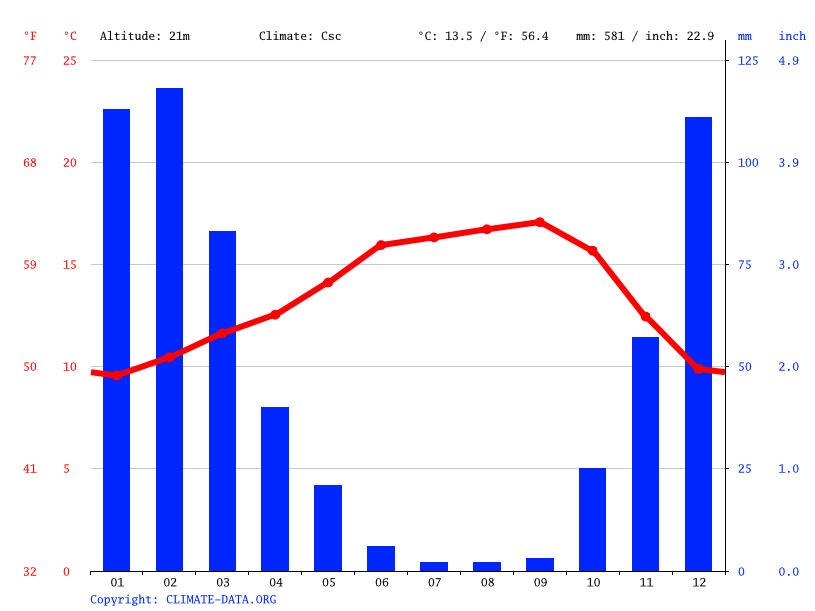
During the summer months, from June through August, when inland California swelters under high temperatures, San Francisco experiences its coolest, fuzziest period. This is because the stark temperature difference between the hot interior valleys and the cold Pacific Ocean intensifies the marine layer and strengthens the coastal winds, pulling more fog into the city. While the rest of the country might be enjoying beach weather, visitors to San Francisco during these months might find themselves reaching for a jacket, even when the sun is shining brightly just a short drive inland in the East Bay or Marin County. Average summer temperatures hover in the mid-60s Fahrenheit (around 18°C), making it a refreshingly cool escape, but one that requires careful preparation.
Seasonal Variations and Best Times to Visit
While the fog is most prevalent in summer, San Francisco does experience subtle seasonal shifts that impact temperature and overall atmosphere, offering different reasons to visit throughout the year.
-
Spring (March to May): This is often considered one of the most pleasant times to visit. The fog begins to recede, especially towards late spring, and you’ll find more clear, sunny days. Temperatures are mild, typically ranging from the mid-50s to high 60s Fahrenheit (13-20°C). The city’s gardens and parks, such as Golden Gate Park, are in full bloom, adding to the picturesque scenery. It’s an excellent time for outdoor activities without the summer crowds.
-
Summer (June to August): As mentioned, this is “fog season.” Expect cooler temperatures, especially in the mornings and evenings, often peaking in the mid-60s Fahrenheit (around 18°C). While some days can be glorious and sunny, particularly in neighborhoods like the Mission District that are more sheltered from the wind and fog, it’s wise to always carry layers. Despite the cooler weather, this is peak tourism season, so be prepared for crowds at popular attractions.
-
Fall (September to November): For many locals, fall is the absolute best time in San Francisco. The fog significantly diminishes, and the city enjoys its warmest and clearest days. Indian summer often brings temperatures into the 70s Fahrenheit (21-26°C), perfect for exploring outdoors. The light is often stunning, offering breathtaking views of the bay and city skyline. It’s an ideal time for sailing, hiking, or simply enjoying outdoor dining.
-
Winter (December to February): Winter in San Francisco is mild and wet. Temperatures typically range from the mid-40s to low 60s Fahrenheit (7-16°C). While it doesn’t snow, rain is common, with December and January being the wettest months. Despite the rain, many days can still be clear and crisp, making it a wonderful time to enjoy indoor attractions, cozy cafes, and vibrant holiday festivities. Crowds are thinner, and hotel rates often drop, making it an attractive option for budget-conscious travelers.
Planning Your San Francisco Wardrobe: Beyond the Forecast
Given San Francisco’s unique climate, packing effectively is crucial for a comfortable and enjoyable trip. A common mistake is to assume California sunshine everywhere, leading to under-preparedness for the city’s signature chill. Thinking beyond the single-digit temperature displayed on your weather app is key to mastering the San Francisco wardrobe.
Dressing for Layered Comfort
The golden rule for dressing in San Francisco is layers, layers, layers. This advice is so prevalent because it’s genuinely the most effective strategy. Start with a light base layer, add a sweater or fleece, and top it off with a windproof and potentially water-resistant jacket.
- Base Layer: Think t-shirts or light long-sleeved shirts made from breathable fabrics.
- Mid-Layer: A comfortable sweater, cardigan, or a fleece jacket is essential for warmth. Even on a seemingly sunny day, a sudden gust of wind or the roll-in of the fog can drop temperatures by 10-15 degrees Fahrenheit in a matter of minutes.
- Outer Layer: A sturdy jacket is non-negotiable. Look for one that offers protection against wind, and ideally, light rain. A denim jacket, a trench coat, or a lightweight puffer jacket are all popular choices among locals and visitors alike.
- Bottoms: Jeans, comfortable trousers, or leggings are generally suitable. While shorts might seem appealing on rare warm days, you’ll often be more comfortable in longer pants.
- Footwear: Comfortable walking shoes are a must. You’ll be doing a lot of walking up and down hills, and good support is more important than open-toed sandals, which are rarely practical outside of the warmest fall days.
This layered approach allows you to adapt instantly to the city’s microclimates. You might start your morning bundled up, shed a layer by midday in a sunny spot, and then put everything back on as you head towards the waterfront for an evening stroll, feeling perfectly comfortable throughout your day of exploration.
Preparing for Sudden Shifts
Beyond layers, a few other items can significantly enhance your comfort in San Francisco’s fluctuating temperatures.
- Scarf: A versatile accessory, a scarf can provide extra warmth for your neck and chest when the wind picks up, or serve as a stylish accent.
- Hat: Especially if you plan on visiting windy spots like the Golden Gate Bridge or Alcatraz Island, a warm hat or beanie can make a huge difference in your comfort levels.
- Small Umbrella: During the winter months, a compact umbrella is a wise addition to your day bag. While the city doesn’t get torrential downpours frequently, sudden drizzles are common.
- Sunscreen: Don’t let the cool temperatures or fog deceive you. The California sun, even when obscured, can still deliver powerful UV rays. Apply sunscreen regularly, especially if you’re spending extended time outdoors.
Remember, what might be a pleasant temperature for an activity in a sheltered downtown street could feel significantly colder when you’re riding a Cable Car or exploring Fisherman’s Wharf by the water. Overpacking for warmth is almost always better than underpacking in San Francisco.
Experiencing San Francisco: Activities for Every Climate
San Francisco’s diverse attractions mean that regardless of the temperature, there’s always something incredible to experience. The weather often helps define the day’s agenda, offering a compelling blend of outdoor adventures and cozy indoor retreats. This adaptability makes San Francisco an ideal destination for various lifestyles, from budget travelers to those seeking luxury experiences.
Outdoor Adventures and Iconic Landmarks
When the sun shines and the fog retreats – often during spring and especially in fall – San Francisco truly comes alive outdoors.
- Golden Gate Bridge: A walk or bike ride across this engineering marvel is a quintessential San Francisco experience. On a clear day, the views of the city skyline, Alcatraz Island, and the Pacific Ocean are simply breathtaking. Even on a foggy day, the bridge emerging from the mist offers a dramatic and memorable sight.
- Golden Gate Park: Larger than New York’s Central Park, this urban oasis offers endless opportunities for exploration. Rent a paddleboat on Stow Lake, visit the Japanese Tea Garden, or simply wander through its many trails and gardens.
- Presidio National Park: A former military post, the Presidio boasts stunning trails, panoramic overlooks, and historical sites. It’s perfect for hiking, picnicking, or enjoying views of the Golden Gate Bridge.
- Alcatraz Island: A boat trip to the infamous prison on Alcatraz Island is a must-do. While much of the experience is indoors, the ferry ride across the bay offers incredible photo opportunities, and walking around the island’s exterior provides stunning city views. Be sure to book tickets well in advance, especially during peak season.
- Lombard Street: Known as the “most crooked street in the world,” a visit to Lombard Street is a fun photo opportunity. Climb the steps for a unique perspective of the winding road and the Bay.
- Coit Tower: Perched atop Telegraph Hill, Coit Tower offers 360-degree views of the city and Bay Area. It’s particularly rewarding on a clear day, but even through a light mist, the city takes on an ethereal quality.
Indoor Retreats and Cultural Gems
When the fog rolls in or the temperatures dip, San Francisco offers a wealth of world-class indoor attractions and cultural experiences that are perfect for staying warm and engaged.
- Museums: San Francisco is home to an impressive array of museums. The California Academy of Sciences in Golden Gate Park combines an aquarium, planetarium, rainforest, and natural history museum under one living roof. Nearby, the de Young Museum showcases American art, international textiles, and art from Africa, Oceania, and the Americas. The Exploratorium on Pier 15 offers interactive science exhibits for all ages. Art lovers will appreciate the San Francisco Museum of Modern Art (SFMOMA) in SoMa and the Asian Art Museum near Civic Center.
- Palace of Fine Arts: While the exterior is stunning and worth a quick photo op even in chilly weather, stepping inside the rotunda of the Palace of Fine Arts provides a moment of architectural awe and shelter.
- Ghirardelli Square & Fisherman’s Wharf: Explore the shops and restaurants at Ghirardelli Square, famous for its chocolate, then wander through the bustling indoor areas of Fisherman’s Wharf, visiting attractions like the Aquarium of the Bay or simply enjoying fresh seafood indoors.
- Shopping: From the upscale boutiques of Union Square to the eclectic shops of Haight-Ashbury and the Castro, San Francisco offers diverse shopping experiences to keep you warm and entertained.
- Culinary Scene: San Francisco’s world-renowned food scene is a perfect antidote to any chilly weather. Dive into diverse cuisines from Michelin-starred restaurants to cozy neighborhood eateries. Enjoy a warm bowl of clam chowder in a sourdough bread bowl at Fisherman’s Wharf, or explore the vibrant food trucks and unique flavors of the Mission District.
Accommodation and Lifestyle: Maximizing Your San Francisco Stay
The temperature and climate also play a subtle but significant role in choosing the right accommodation and embracing the San Francisco lifestyle. Whether you’re planning a family trip, a business stay, or a romantic getaway, understanding the local conditions can help you select the perfect base and make the most of your visit.
Choosing Your Neighborhood and Hotel Style
Different neighborhoods in San Francisco not only offer distinct vibes but also slightly different microclimates.
- Warmer Pockets: If you’re particularly sensitive to cold, consider staying in areas like the Mission District, which is often sunnier and warmer than coastal neighborhoods due to its inland location. Noe Valley and Potrero Hill also tend to be less affected by the fog. These areas often have charming boutique hotels or vacation rentals that cater to a more local experience.
- Cooler, Iconic Views: For those who embrace the classic foggy San Francisco experience and iconic views, Nob Hill, Russian Hill, or the Marina District offer luxurious hotels and stunning vistas, albeit with cooler, windier conditions, especially near the water. Areas like Fisherman’s Wharf are bustling with tourist hotels and amenities, but can be quite chilly.
- Central and Convenient: Union Square remains a popular choice for its central location, shopping, and easy access to public transportation. While it can still get cool, it’s typically sheltered enough to avoid the harshest coastal winds. Here you’ll find a wide range of hotels, from grand historic establishments to modern boutique hotels.
When booking your hotel, consider amenities that enhance comfort in any weather. A hotel with a cozy lounge, a fireplace, or a vibrant bar can be a welcome retreat on a foggy evening. Many luxury hotels and resorts offer heated outdoor pools or jacuzzis that can be enjoyed even in cooler temperatures, providing a unique San Francisco experience. For long-term stays or family trips, an apartment rental with a well-equipped kitchen can be a great option, allowing you to prepare warm meals and enjoy a more home-like atmosphere. Always check reviews for insights into heating/cooling systems, especially if you have specific temperature preferences.
Embracing the Local Vibe and Culinary Scene
The San Francisco lifestyle is inherently adaptable to its climate. Locals are accustomed to the layers, the fog, and the sudden temperature shifts. This adaptability is reflected in the city’s vibrant indoor culture. Cozy cafes, Michelin-starred restaurants, historic bars, and thriving arts venues provide endless opportunities for warmth and entertainment, regardless of the weather outside.
Take advantage of the city’s renowned culinary scene. There’s nothing quite like a warm bowl of cioppino or a hearty meal at a charming Italian restaurant in North Beach on a cool evening. Explore the craft cocktail scene, or delve into the city’s diverse coffee culture. Many establishments feature inviting outdoor patios with heaters, allowing you to enjoy the fresh air without freezing.
In conclusion, “What’s the temperature in San Francisco?” is a question that requires more than a simple numerical answer. It’s an invitation to understand and appreciate the city’s unique meteorological personality. By embracing the concept of microclimates, dressing in layers, and planning activities that suit both sunny and foggy days, travelers can fully immerse themselves in the magic of San Francisco, enjoying everything from its iconic landmarks to its rich local culture, no matter what the thermometer reads. This preparedness transforms potential weather woes into part of the distinctive San Francisco experience itself, ensuring a memorable and comfortable journey.
LifeOutOfTheBox is a participant in the Amazon Services LLC Associates Program, an affiliate advertising program designed to provide a means for sites to earn advertising fees by advertising and linking to Amazon.com. Amazon, the Amazon logo, AmazonSupply, and the AmazonSupply logo are trademarks of Amazon.com, Inc. or its affiliates. As an Amazon Associate we earn affiliate commissions from qualifying purchases.